



Each company has its own ways to keep the pace: some rely on KPIs, others on performance reviews or internal processes. Traffic Squad is one of those rare examples where the emotional state of the team is on the list of priorities no less than the technical quality of the content or the effectiveness of campaigns.
This is a company that understands that in the fast-paced, intense digital world, people burn out not because they work too much, but because they don't live well in the moments between work. That's why we have a metric that is not on any dashboard, but which affects all the others - the level of team happiness. And that's why we have a person who is responsible for this metric as seriously as media buyers are responsible for numbers.
This is Yulia, an Event Manager who turns events into a tool for cohesion, culture, and real human contact. Yulia shared with HWYD Media that for Traffic Squad, events are not about entertainment, but about a well-thought-out strategy. It is a part of the company's internal ecosystem that creates an atmosphere of safe movement forward: when people don't just work together, but live in a common rhythm, with moments that later turn into memories.

Yulia,
Event Manager, Traffic Squad
Why are you so close to working with events?
“Because I love working with people and creating emotional experiences. Events are an opportunity to influence the atmosphere within the team, unite people and shape the culture through memorable moments.”
Events strengthen the corporate culture.
Properly organized activities help the team feel part of a community, build values, and strengthen internal communication.
Yulia, Event Manager, Traffic Squad
Yulia,
Event Manager, Traffic Squad
What do you like most about the organization process?
“Organization and consistency are my strongest points. Planning, timing, process control, quick decisions in stressful moments - all this is not a routine for me, but a drive.”
How events create real team bonds
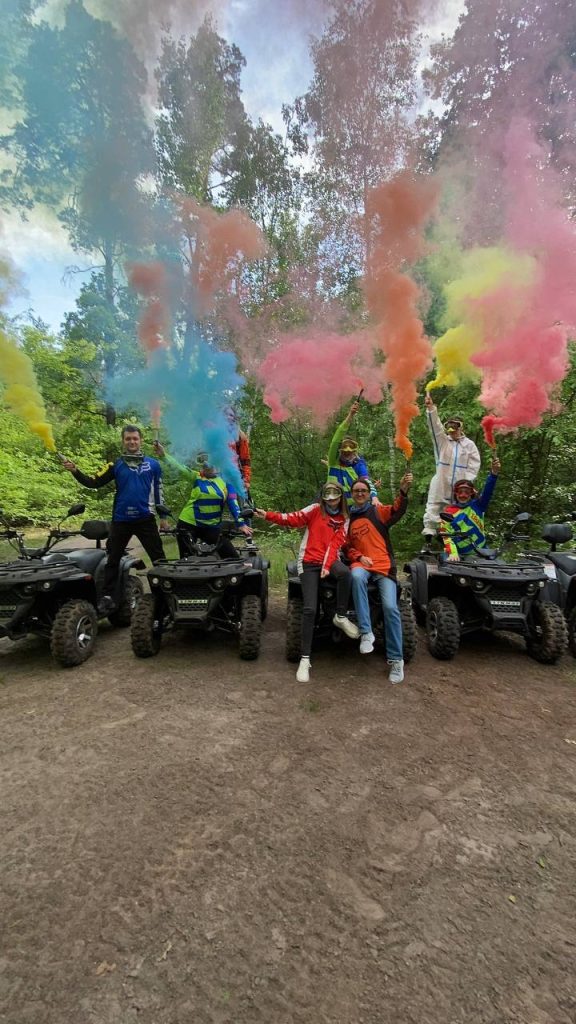
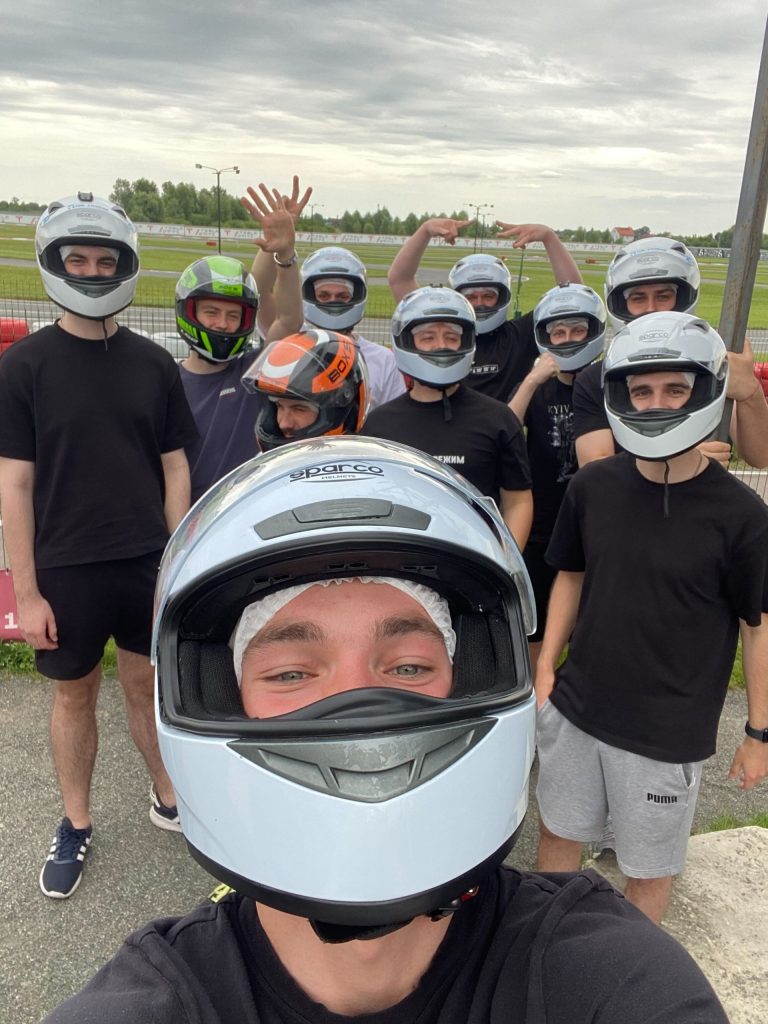
At Traffic Squad, each team is entitled to two team building events a year. The format is up to them. Someone brings their own ideas, someone says: “Yulia, help me out,” and then she takes over the full cycle: from the concept to the atmosphere that the participants will remember for a long time. And this is where one of the most important effects of an event strategy occurs: when work communication is erased, and behind the avatars, tasks, and Slack messages, you can finally see people with laughter, stories, intonations, and inside jokes that live on in chats for months afterward.
Team building is a pause that allows you to exhale together, get closer, get to know each other for real, and return to your tasks with the feeling of “we are a team.” And if teambuildings are about intimacy, corporate events are a large form that Traffic Squad does with special care. Twice a year, the team goes all in on the concept: the dress code is not for show, the scenery is not for photos - it's an environment that people immerse themselves in and live together. Such events create not just the mood of the evening, but memories that shape the culture. They give rise to stories that turn into legends, phrases that become memes, and a sense of belonging that no bonus can buy.
Internal measures create trust and openness.
Team building, corporate events, and quizzes create opportunities for informal interaction, which helps to break down communication barriers and improve the quality of cooperation between colleagues.
Yulia, Event Manager, Traffic Squad
Yulia,
Event Manager, Traffic Squad
What motivates you the most in your work?
“It's an instant result. You immediately see people's reactions, their emotions here and now. And when the team is sincerely enjoying themselves, you realize that you are doing an important job.”
Why this approach works
At a time when companies are competing with bonuses, grades, and perks, Traffic Squad relies on what keeps people engaged longer than any material incentive - the experience the team shares together. Events here help to catch the moment when the team needs a new context, not a new process: lively laughter, shared emotions, and warm interaction outside of work. It is these experiences that form what no dashboard can measure: trust, engagement, and an atmosphere in which you want to work.
Traffic Squad demonstrates that culture is not a document or a set of rules, but a daily experience that people share with each other. The events here are not a decoration, but an interaction architecture that helps the team not just exist in the same workspace, but move together, supporting each other even in the fast-paced digital market.
Важливо
In a world where companies revise compensation packages, introduce new tools, and optimize processes every year, Traffic Squad focuses on what stands the test of time: people and how they feel within the team.
If you're looking for an answer to the question of what really keeps people in a company, it sounds very honest and simple: connection, shared experiences, and moments that become part of the team's history. And if you're looking for a team where the result is as important as the people who create it, Traffic Squad may be your best solution in the new year.
Важливо
Instagram Traffic Squad
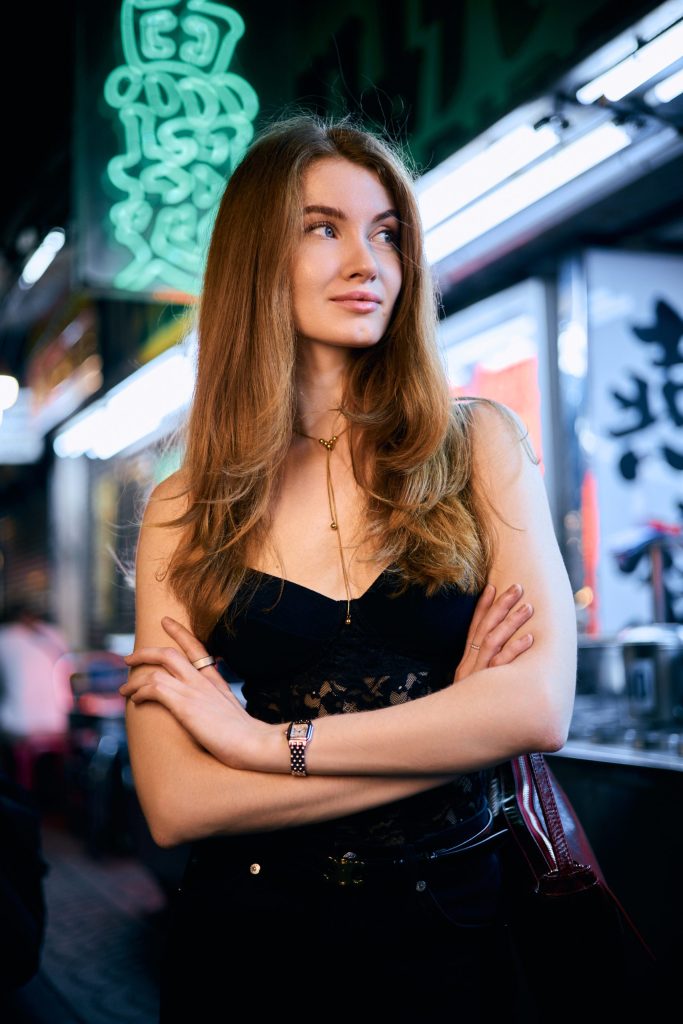
We've known Sasha for a long time - we met, as usual, at a conference somewhere. She is bright, energetic, and full of cool ideas that we have periodically implemented together and continue to bring to life: filming, interviews, new formats - all of this Sasha generates thanks to her outstanding talent and, of course, experience, which, when you learn about it, you begin to understand that such results and leadership positions (currently Sasha is Head of SMM & Content at N1 Partners ) do not fall from the sky, but are achieved through hard work. That's why I thought of telling Sasha's story to our community.
I'm sure many of our readers are familiar with her or have at least seen Sasha or her work in the industry. So, as usual, grab a cup of tea and enjoy your reading!
Kostya Golubev, editor-in-chief of HWYD
Childhood, youth and first job
HWYD: Tell our readers about yourself in a few sentences. Who is Sasha Kufayeva today?
Sasha: I'm a person who creates, works, laughs, is inspired by the people around me, and loves my family, dogs, and good food. I just live and enjoy every moment.
HWYD: What was your childhood and school years like? What were you fond of, what vivid memories from that period can you share?
Sasha: My childhood was quite eventful. I studied at a physics school, so physics and math were top priorities (I still remember the drill and cosine 30° rule). This, in fact, helped me get into Kyiv Polytechnic on a state-funded basis.
In my free time, I played CS 1.6, went to show ballet, was fond of photography and retouching, and, of course, lived my teenage life with my classmates. It's like most people, but it was this mixture of technical and creative that really shaped me.

HWYD: How did you get into marketing? Why and what attracted you to it, and when did you realize that you wanted to develop in it?
Sasha: To be honest, I was just lucky to be in the right place at the right time. After graduation, I was very selective in my first job search and went into SMM in an office supply store. I ran a TikTok account, was a model, a screenwriter, and an editor myself. I worked with influencers, came up with newsworthy stories - in short, I lived for creativity.
I liked to see how content really affects sales and brand awareness. That's when I realized that marketing was my thing, because it's about creativity, quick results, and the freedom to experiment.
Arbitration in the iGaming niche
HWYD: How did you find out about the industry? What was your impression of it?
Sasha: It was a pure accident. I was looking for a job, a friend sent me a vacancy, and I took it, and so I got involved in this arbitration quite unexpectedly. And, to be honest, I got involved in the golden period, and it just went from there.
The first days I really thought: «What kind of industry is this and why does everything look like a fierce scram?» But very quickly I realized that this is a big industry with big budgets, frantic dynamics, interesting tasks, and people who are really driven. I looked at everything that was happening here and caught myself thinking that I had caught my golden ticket. I was drawn into this abyss, and for almost four years now I have been living this rhythm and cannot imagine myself in any other field.
HWYD: What position did you take in the industry? What kind of company was it? What vertical did you work with? (here we give the first hints about your personal experience in the iGaming niche)
Sasha: I also entered iGaming through SMM. My first job here was in a large holding company that everyone in the industry knows very well. The verticals were gambling and betting.
She created content, ran social media, announced events, covered conferences, was part of PR communications, and even became the media face of the company at one point.
HWYD: How did you continue to move up the career ladder? In which project did you feel your own realization and competence?
Sasha: In three years at the holding, I've changed three positions and really developed myself in all areas of SMM and communications.
I've been doing all kinds of things:
- promoted the brand on social media;
- was building the media presence of the tops;
- was a presenter and brand person herself;
- attended more than 20 international conferences;
- built processes for content and event coverage;
- brought brand communication to the Ukrainian market.
I sincerely enjoy working with people - this is my superpower. I love building a community around a brand, uniting loyal people who stay with the company for a long time. After 3.5 years in the industry, I already had a full baggage of knowledge, strong expertise, and a willingness to move on - that's how I came to N1 Partners.
HWYD: How many offers met your requirements and wishes? Why did you choose N1 Partners?
Sasha: I was very selective. I spend most of my life at work, so it's important for me to enjoy what I do and have the freedom to realize my ideas. There were a lot of offers, but I knew for sure that I wanted to work for the international market, I wanted to be in the product, I wanted dynamics and projects where I could create something great. The product has more diverse tasks, more drive, faster growth, and budgets that allow you to realize even the boldest ideas. N1 Partners has fully met all these criteria, and I have never regretted my choice.
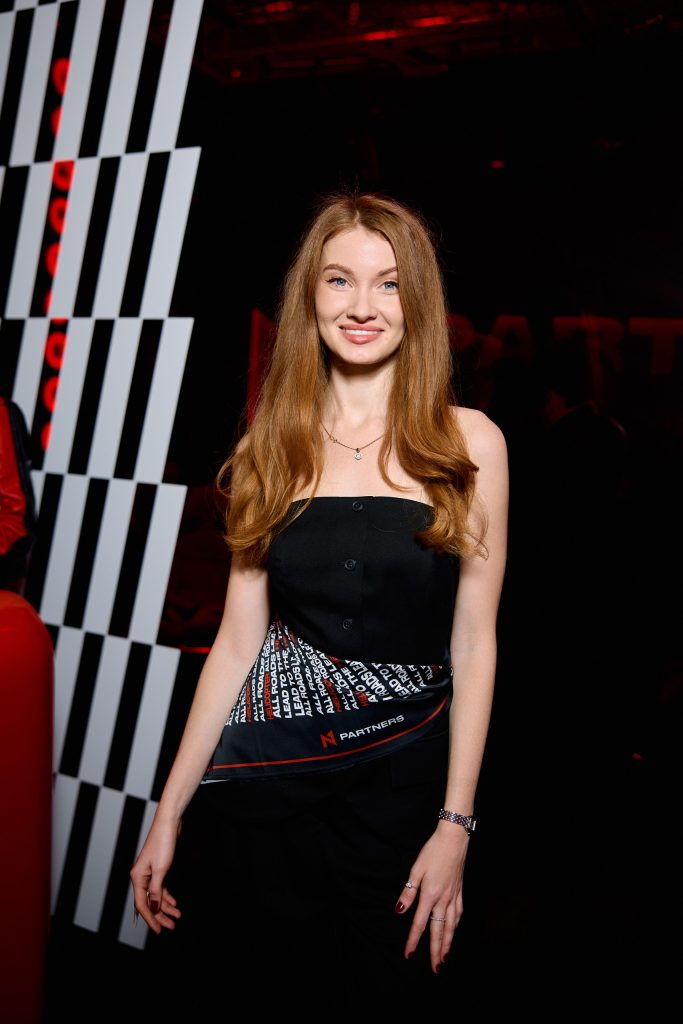
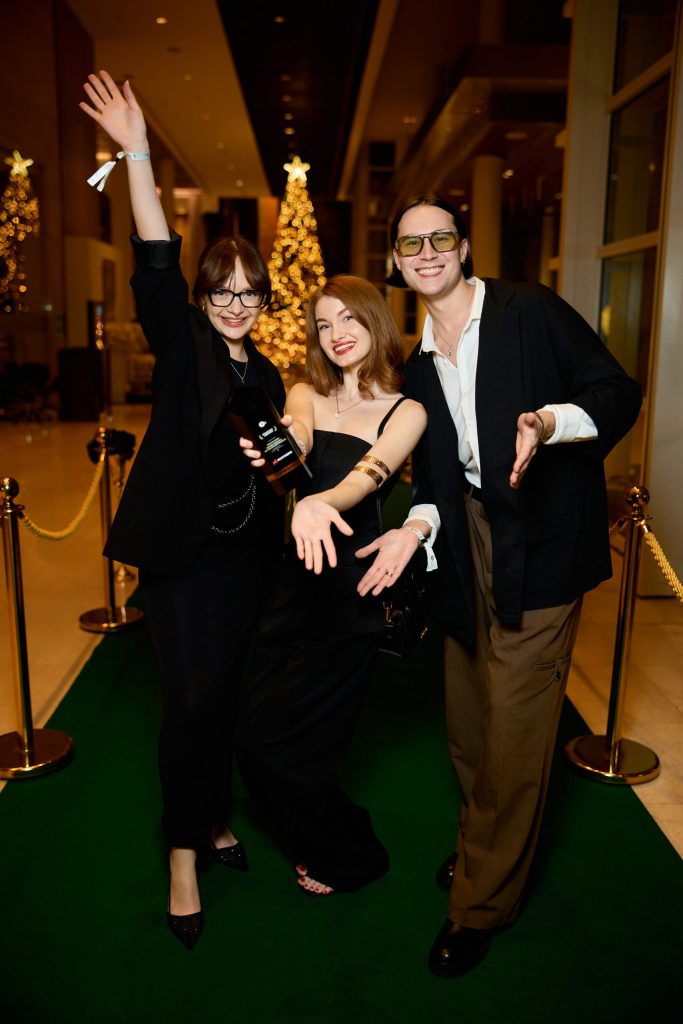
HWYD: N1 Partners is a leader in the iGaming niche. Have you analyzed the company in terms of the iGaming market? What achievements has the company made in this field and how did it gain trust among the iGaming community?
Sasha: Yes, of course. I have known about N1 Partners for a long time, even before I joined the team. The company has been on the market for more than 7 years, and the industry perceives it as a stable and trustworthy player. This is the case when you don't even need to ask about reputation, it is simply clearly visible in the community's reaction.
How did N1 Partners gain trust in the iGaming industry?
- Flexible payout models - CPA, RevShare, Hybrid, individual conditions, and various withdrawal methods. Partners get what is really convenient for them.
- Personalized offers tailored to geo and traffic type.
- High product conversion and a strong retention system: loyalty programs, bonuses, promotional materials that really work.
- Analytics and constant support from managers. Partners know that they will be prompted, helped, given a quick response, and supported 24/7.
- Trust from the community. This is important - N1 has good relations with the market, and many have been working with the team for years.
HWYD: How many iGaming offers are in the company's portfolio? What GEOs do they cover?
Sasha: In our case, offers = brands (casino and betting). Currently, we have more than 14 of them: N1 Bet Casino, RollXO, Lucky Hunter, Slot Lords, Spirit Casino, Jet4Bet, Slot Lounge, and others.
Our main focus is on Tier-1 markets (Austria, Australia, Canada, Switzerland, Germany, Denmark, France, Ireland, etc.), which provide a wide range of geos with strong growth potential. We follow a flexible traffic strategy, effectively using SEO, PPC, ASO, Facebook, Email, SMS, UAC and other promotion channels.
HWYD: How many affiliates does the company have now? Do you plan to scale up? Social networks show that you care about your partners (including helicopter flights, various gifts, etc.) - how do you choose the approach and what is the principle of loyalty programs? What can a website that cooperates with you get besides payments?
Sasha: We do not disclose the exact number of partners publicly, but I can say that it is 10k+ affiliates around the world. Of course, we are planning to scale - I would say that this is the main task that all departments are constantly working on. We launch new products, enter other GEOs, provide partners with even more benefits, and simplify the scaling process as much as possible so that the cap expansion happens as quickly as possible.
Building and maintaining partner loyalty is one of our top priorities, so in 2025 we focused on the partner community. And judging by the results, we did a good job, so we will continue to develop this area in 2026. Social media activity, PR placement, awards, conferences, the launch of a flagship YouTube show, and, of course, N1 Puzzle Promo - is a campaign that the entire industry is talking about.
Working in the rhythm of Brand Marketing N1 Partners
HWYD: What is the name of your current position at N1 Partners, and what are your responsibilities?
Sasha: My position is Head of SMM & Content. I am responsible for the development of all our social networks and all the content we create: visual, expert, event content, rolls, scripts - everything that shapes the brand externally.
HWYD: Tell us about the brand marketing department at N1 Partners. What are the main areas of work, what is paid special attention to, and what does the company focus on in terms of positioning itself as a brand?
Sasha:
The brand marketing department at N1 Partners is divided into 4 key areas:
- PR
- Event
- Production
- SMM & Content
As part of brand marketing, we are engaged in shaping the company's image in the market, creating a positioning strategy (identity, TOV, key messages), maintaining the brand's reputation in the industry, content and communications, and developing partner loyalty. All areas of work are built around our main message - «Be Number One with N1», which underlies the entire brand strategy.
HWYD: Your direct department is SMM & Content. How many people work on content creation, what channels of information distribution do you use for this purpose? What types of content are “flying in” and for what audience? Who is your direct reader/consumer of information?
Sasha: A whole team works on the content: SMM managers, copywriters, designers, production, videographers, and brand personalities. It is always a team effort. We run several channels: Instagram, Telegram, LinkedIn, Facebook, as well as blogs and a website.
Each channel has its own formats and tasks:
- Instagram - more entertaining, dynamic content, rolls, interactives.
- Telegram and blogs - expert materials, longreads, news.
- LinkedIn - HR brand, company news, and team growth.
- Facebook - important announcements, newsworthy events, and a channel for additional diversification of traffic and reach.
Our audience includes affiliates, media buyers, teams, and business development in the iGaming industry. We customize the content and tone for each platform to make it really stick.
HWYD: What niche content do you consume/read, what do you follow to stay on trend and aware of the latest industry trends in terms of social media?
Sasha: To be honest, I consume absolutely everything related to the industry and social media. I am subscribed to all the key influencers in the field of iGaming, arbitrage, and marketing and actively follow each of them. In Telegram, I have a separate folder with about 50 thematic channels and from time to time I skim through them all to quickly gather context and understand what is trending. Every day I monitor competitors: what formats they launch, how they present information, what appeals to their audience. Plus, I am constantly in communication with the community - in closed chats, working groups, and internal expert discussions. I'm always in the flow, it's already part of my life)
HWYD: The company is regularly extremely visible with its presence (including stands) at the world's top conferences. How do you and your team prepare for such events from the point of view of your particular area?
Sasha: Conferences are an important part of our work, as they are major media events and a powerful tool for brand development. Therefore, we prepare for them in advance and systematically.
In 2026, N1 Partners will be represented at four leading events: iGB Affiliate, iGB L!VE, SBC Summit, and SiGMA Central Europe. From the brand marketing side, we set goals for each conference, develop a stand concept and activities that should increase awareness and interaction with partners.
The SMM & Content team works in parallel:
- prepare a content plan;
- we brief the production;
- We think about interactive activities that will gather coverage and new subscribers;
- We communicate at all stages.
Communication is organized in a before/during/after format:
- To: announcements, intrigue, signing up for meetings, warming up activities.
- During: live events, interviews, dynamic content from the stand, partner engagement.
- Afterwards: summaries, photo and video reports, case studies, and materials for the media.
Our goal is to make N1 Partners as visible and understandable to partners as possible during the conference, and to make the content work for recognition and engagement.
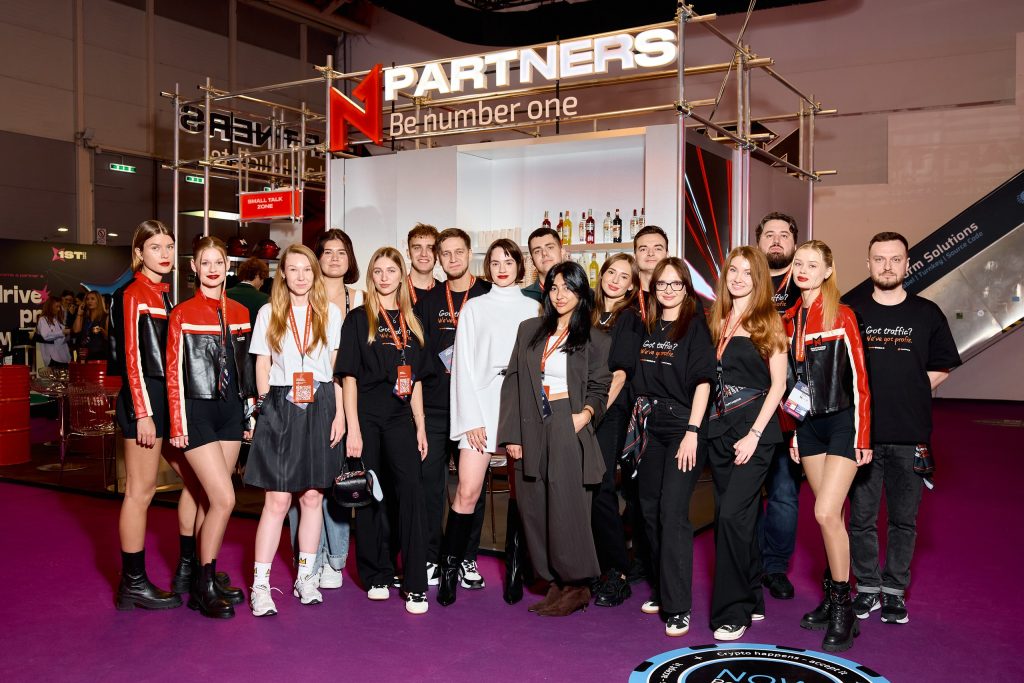
Future plans
HWYD: What successes have you already achieved as part of the company? What are your goals for the future?
Sasha: In six months at N1 Partners, we have managed to do a lot. The number of subscribers has doubled, and the reach has increased by 3 times. I built the department so that everyone understands their goals, area of responsibility, and development trajectory. We rewrote the strategy, updated our approaches to content, and refreshed the corporate identity together with designers - now it is coherent and recognizable.
I am also proud to work with the HR brand: our LinkedIn page is now one of the most visible and active among competitors in the niche. My goal is not to stop. I want to continue to improve the visuals, messages, and tone of communication and build a level of brand presence that would make people know about us, want to work with us, and want to be part of our team.
Важливо
HWYD: And finally, what advice would you give to newcomers who are coming to a position like yours or related ones?
Sasha: The first thing I would advise beginners is to train your eye. Watch how social media works for big international brands, analyze their approaches, presentation, and visual style. Don't copy, but adapt and remake it for your audience.
Secondly, don't be afraid to start at the wrong level. At the beginning of the journey, everyone does tasks that are not always interesting and earns less than they want. This is normal. The main thing is to gain experience, make friends, and remain an honest person. The industry is very small, and reputation is everything.
And third, don't think of SMM as something narrow. It can only be a starting point. Further, the path can lead you to PR, brand marketing, community, production, or even C-level. I know cases where a person started as an SMM specialist and now works as a product CEO. So study the field, be in the context, go to conferences, communicate with the community. You will be surprised how quickly doors open if you are constantly moving forward.
Важливо
Affiliate programs in the gambling industry used to compete on a large scale: who has more offers, more GEO, more loud promises. However, this race has long ceased to be an indicator of strength. In 2025, CashYard appeared on the market, a company that initially took a different path and put quality rather than quantity at the center.
Their model is based on a simple yet complex logic for the market: before passing on an offer to the web, the team must test it at their own expense, with their own traffic and their own experience. This is how the affiliate program is formed, where the key role is played not by the showcase, but by the work processes behind each offer. CashYard is open about its philosophy: the affiliate program is not about promising more, but about responsibility. The company decomposes this responsibility into several fundamental decisions that define it as a new generation program.
Clear focus on the quality of offers
CashYard operates in a model where each offer is pre-tested by an internal arbitrage team. This is not a marketing ploy, but a full-fledged process: analysis of behavioral metrics, checking the stability of CR, evaluation of advertiser's actions and compliance of promised indicators with the real ones. This approach allows us to give partners only those offers that have passed the test of traffic, not presentation. As a result, the web reduces the number of failed launches, and the company forms a pool of products that work not in theory but in practical cases.
What the process of selecting offers looks like:
- Analysis of GEO and audience interests (We select offers that are most suitable for specific traffic sources in a particular region).
- Evaluation of the advertiser's conditions (We take into account the bid, minimum deposit, restrictions, creative requirements, and payment history).
- Checking statistics on past spills (We compare past periods, analyze where there was a stable envelope, which formats worked and which did not.)
What criteria are considered critical
- Conversion and EPC of the offer (If the basic metrics do not reach our minimum thresholds, the offer is cut off).
- Stability of payments (Advertisers who delay or “cut” their upfront payments are a critical risk for us).
- Transparency and quality of tracking (Without reliable statistics, we cannot optimize campaigns.)
Why has pre-testing become the company's standard?
We use preliminary testing as a mandatory stage because it allows us to cut off unprofitable offers before scaling to avoid losses and to understand the real envelope, not what the advertiser claims. The test has become a standard, because without it, it is impossible to build a stable and predictable result in the long run.
Support that works as part of the service
In many affiliate programs, communication with managers is reduced to basic answers and passing information on down the chain. CashYard has fundamentally abandoned this format.
The company's managers are people with real operational experience, so the support works not as a contact center, but as an expert assistance. Partners receive recommendations on communication, analysis of results, advice on scaling, and risk assessment even before the launch. That's why communication doesn't look like a tick-box service. It is part of the product - an independent element that affects the result, just like the quality of the offer.

At CashYard, we have been building communication from day one so that our partners feel not “scripted support” but people who are really immersed in the outcome. As a matter of principle, we do not use template scripts because there is no universal formula in arbitration - each case has its own context, geo, dynamics, and risks. Scripted dialog always lags behind reality.
Instead, we rely on live expertise:
- managers have a deep understanding of the vertical;
- Each request is considered in the context of a specific partnership;
- Decisions are made quickly and according to the situation, not according to instructions.
As a result, a culture of contact is formed, where the partner sees not templates, but a person who really sees his work and can help in a specific way, not in general. This builds trust and allows for the development of long-term collaborations rather than just closing tickets.
Transparent rules and financial discipline
One of the criteria of a mature affiliate program is predictability. CashYard has built a model in which payments, rates, and terms of cooperation are formed not on an ad hoc basis but as a system. The company operates in fixed cycles, meets deadlines, and offers individual conditions only to those partners for whom it is justified by the volume and quality of traffic. All of this is done not to create a beautiful image but to build trust, a resource that matters more than any teaser or banner in gambling.
Negotiating with an advertiser is not just about “taking the cap” or “getting the best deal.” It's a process of agreeing on expectations, risks, and benefits for all parties. At the start, we carefully record all the terms and conditions from the advertiser and select the most suitable soft offers for web tests. The most important thing is to discuss all the rules before the launch: clearly stated bids, KPIs, upsell format, and deadlines help to avoid conflicts and misunderstandings.
Transparency is now a key principle in our industry. When the terms are clear and open, both parties are not afraid to invest time, take risks, and scale up. This builds stable trust, both between us and the advertiser and between us and our partners. This is what a long-term partnership is built on.
Independence in the choice of products
CashYard does not have its own offers in the pool. This allows us to remain an impartial aggregator and offer our partners not an internal product but the best option for their traffic source. This model is more difficult to maintain: you need to have a wide network of contacts, work with a large number of advertisers, and analyze the market constantly. But this is exactly what allows CashYard to build recommendations based on real data.
When choosing partners, we always look at the market: what is popular now, which offers are in the top in terms of geo and rates - these are the main factors we pay attention to. For us, an independent approach is not just a working format but a strategic decision: it gives us the freedom to quickly test different offers and geos, minimizes risks, and helps us build long-term partnerships based on trust and flexibility.
Anna, Business Development Manager, CashYard
Markets where maturity, not speed, matters
CashYard focuses its efforts on Europe and LATAM. These are markets with clear regulations, competitive brands, and high traffic quality requirements. It is impossible to work chaotically here - you need clear connections, well-thought-out approaches, and a long-distance strategy. The company has accumulated a large amount of operational data in these regions and uses it not to give general recommendations, but to offer partners specific launch scenarios.
Europe and Latam are priority geos due to stable demand, high bids, and predictable conversion. We estimate the potential by analyzing traffic, bids, and trends, and create offers for websites based on top offers and optimal conditions for scaling.
Anna, Business Development Manager, CashYard
Controlling access to top offers
CashYard takes a selective approach to strong offers. The company gives them only to those partners who are ready to provide quality that meets the advertiser's expectations. This decision is not related to restrictions - it is aimed at maintaining the effectiveness of the relationship. In gambling, where strong offers have a short lifecycle, controlled access helps to avoid quick burnout.
The team evaluates the web's readiness based on several key factors:
- Traffic quality: stability, relevance to the GEO and audience, and offer requirements.
- Web experience: whether they have experience with similar verticals/sensitive products.
- Technical discipline: customized tracking, postbacks, and the ability to quickly adjust links.
- Risky connections: whether they violate advertising policies and rules of advertising platforms.
Why sometimes a correct rejection is normal:
- Failure preserves the quality and reputation of all parties.
- This prevents risks (bans, fraud calls, KPI failures).
- This is part of a responsible approach, when we offer only those offers that the website can actually work with stably.
Pasha, Affiliate Team Lead, CashYard
Team as part of the brand value
CashYard is not just a showcase of offers. The company creates an environment where the team and partners work in a common direction. This is evident in the way the processes are built: from communication to product selection and financial discipline. CashYard does not have a model where the web is perceived as an abstract source of traffic. Here, people and processes work in conjunction, which allows us to build long, stable cycles of cooperation rather than one-off launches.
CashYard's culture is built on three key principles: transparency, responsibility, and speed. We are a young team, but with the ambition to work like adults: this means clear internal standards, fast decisions, honest communication, and the absence of chaos that is often found in the market.
Within the team, we follow a structured approach:
- Each cooperation is carried out with specific deadlines and responsibilities;
- managers don't just answer in a chat, but accompany partners from testing to scaling;
- we regularly update internal guidelines on communication, security and work with GEO.
But the main thing is the character of CashYard. It is about being a partner by your side, not a support service from above. We don't build a facade, we build real workflows where the partner sees the result, not a pretty wrapper. This is what forms the culture that makes us stand out in the market.
Dasha, PR & SMM Lead, CashYar
Why CashYard is a new generation affiliate program
The CashYard concept does not contain loud statements that the market is used to hearing from CPA networks. Their new generation affiliate program is not just about marketing.
It is about processes that produce results:
- offers are tested by traffic before they are sent to the web;
- support that works like an expert, not a contact center;
- a clear financial system;
- independence in choosing products;
- working with markets where the fastest and the most stable survive, not the fastest;
- responsibility in accessing top offers;
- a culture where processes are more important than promises.
It is the combination of these elements that forms a model that differs from traditional approaches in the market. CashYard is creating an affiliate program that works not on the principle of «more» but on the principle of «better.» And this makes it a new type of player in the iGaming industry
For many years, iGaming affiliate programs have been dominated by loud promises, excessive noise, and repeated attempts to attract attention with flashy campaigns. LeadHeaven chooses a different path. The brand enters the media space not as a gesture of self-presentation but as an opportunity to explain its approach, outline the principles of work, and make interaction with the market clearer.
LeadHeaven created a team that worked on both sides of the market - both as webmasters and on the side of advertisers. The company saw the realities of launches, traffic quality, negotiations, and responsibility from both sides. This experience formed the basis of its approach: structure, maturity, and focus on long-term cooperation.
Важливо
LeadHeaven is being developed as an infrastructure-based affiliate program, where processes and standards are more important than external presentation. The emphasis here is on a working system based on competence, consistency, and respect for partners. LeadHeaven's entry into the public space is a conscious step that outlines the brand's position: to work honestly, sustainably, and on equal terms.
Experience as the foundation of an affiliate program
LeadHeaven was formed by people who know this niche from the inside: they worked in procurement, led teams, interacted with products, negotiated and resolved conflicts. Experience on both sides of the market has become the basis of a model based on clarity, responsibility, and real agreements. LeadHeaven simply does what experienced professionals expect: it provides clear rules, support in the moment, and a focus on the long term. This is a program where consistency is not declared - it is built into the work.
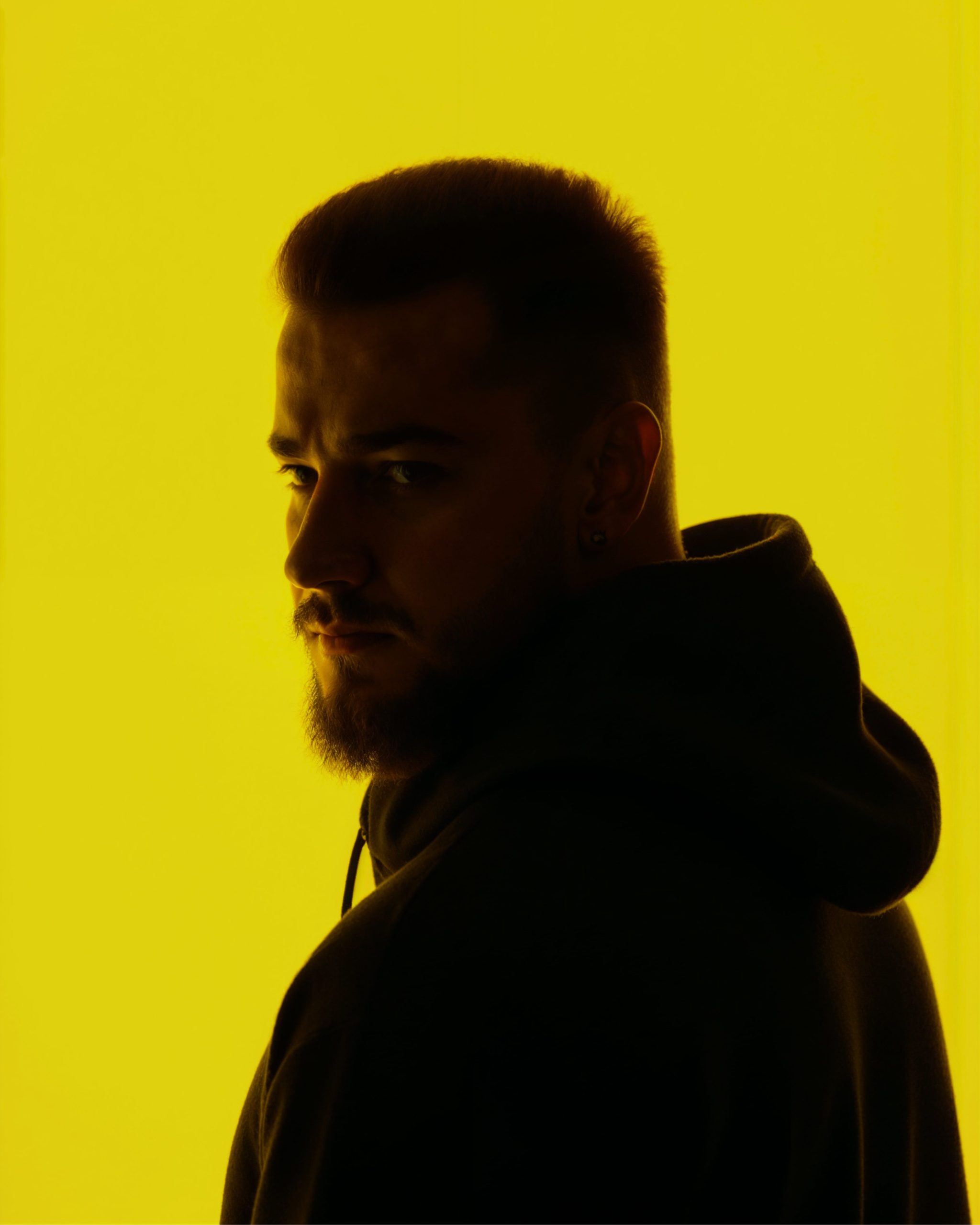
Dmytro,
CEO, LeadHeaven
Understanding both sides of the counterparties - both advertisers and media buyers. To really understand an advertiser, you need to be in their shoes. Theory can tell you the general principles, but only practical experience in operations gives you the full picture. It's the same with media buying: until you try to buy on your own, you won't understand how complicated it is, how the cash-gen business works, and how quickly you can fail.
Regarding management decisions:
Real team selection, team cohesion and continuous professional development. We employ people who have been tested in practice - professionals in their field with whom we have real experience of interaction. The position is not about seniority or random circumstances. A separate focus is on finance. We have implemented international standards for financial processes and our own mechanics. For many, this becomes a problem after the launch of traffic, although it is one of the most underestimated elements in the niche. I would also like to emphasize the people-first approach and the absence of micro management. Very often, a person lacks freedom and a clear vector to reach their full potential. The atmosphere and dynamics within the team are also important, and in my opinion, this is one of the most underestimated factors.
Operating principles as a basis for trust
LeadHeaven fosters a culture of partnership in which the key role belongs not to promises, but to agreements and their fulfillment. The company deliberately avoids excessive statements and does not compete in the loudness of its messages.
Instead, it defines its own standards of work:
- transparency in communication;
- stability and predictability;
- responsibility to the partner;
- personalized approach;
- no manipulation of data and conditions;
- working with high-quality models and avoiding fraud.
These are the operating principles that the team applies every day. For LeadHeaven, partnership is not about emotional closeness, but a professional arrangement in which both parties take responsibility for the result. The team does not embellish reality. It is not about “trust in words” but about fulfilled agreements.
Dmitry, CEO of LeadHeaven
When the team was assembled, we conducted an in-depth analysis of all successful cases and mistakes on previous projects. We formed constant and variable vectors of movement and identified destructive processes that have no place in the company. Having practical experience and understanding the problems of the niche, we did not want to create another copy-paste project. We are implementing our own idea.
Cooperation with webmasters on an equal footing
The LeadHeaven team has worked in traffic acquisition for many years, so they understand the realities of launches, the complexity of working with different GEOs, and the importance of timely decisions. Cooperation with webmasters is built as a partnership dialog between professionals.
Individual conditions are selected for each deal, depending on the purchase model, market, and the webmaster's potential. We communicate in a substantive way - by numbers, scaling capabilities, and risks.
LeadHeaven does not create the illusion of support - the company works with cases, raises caps in time, helps with communication, and protects the interests of webmasters in a dialogue with advertisers.
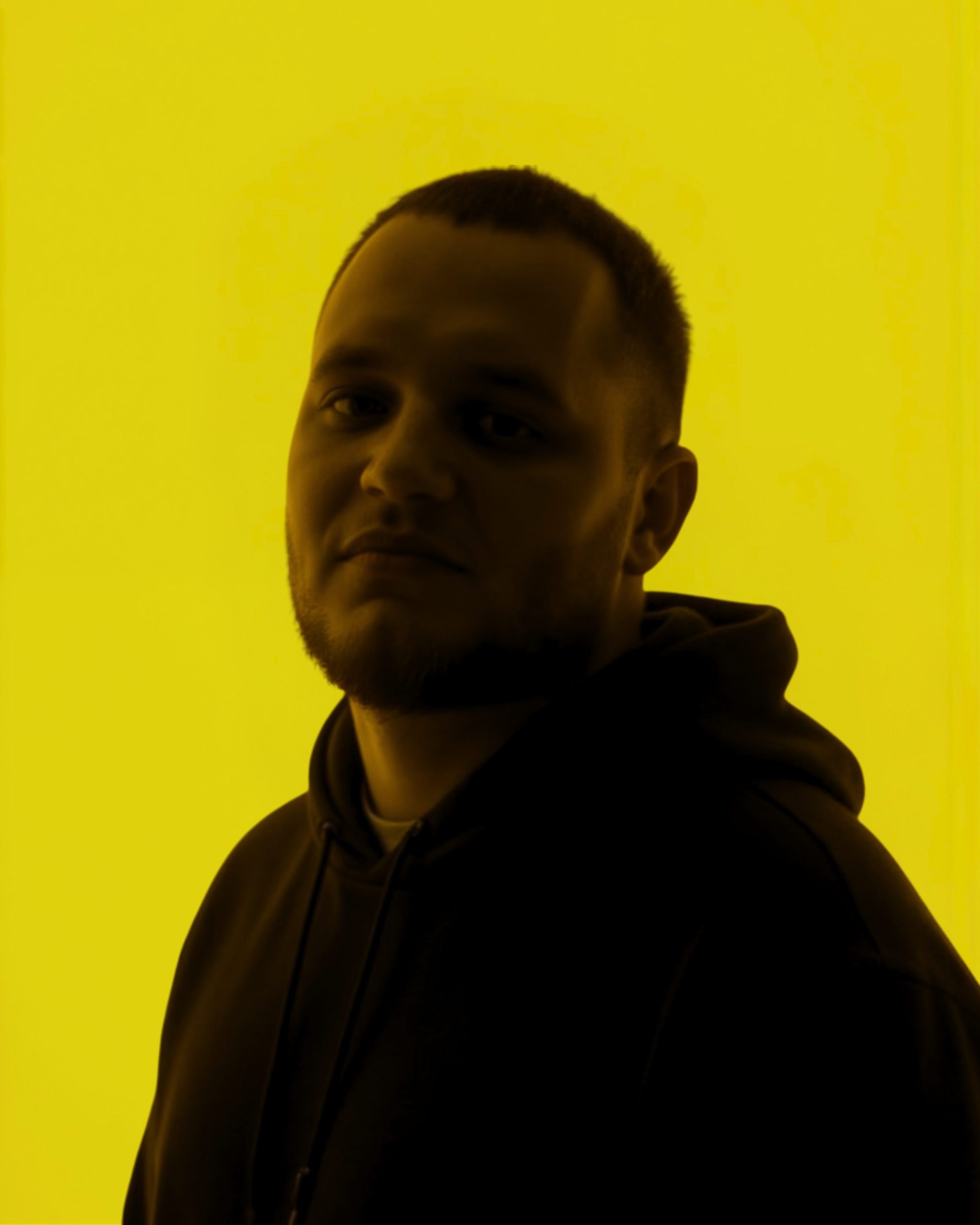
Bohdan,
Head of Affiliate LeadHeaven
We work as a team and try to make sure that everyone understands what is happening at every stage. It's important for us not to just make an offer and disappear - we accompany webmasters from start to scale, suggest what can work better (or vice versa), and together we look for solutions that will give results.
Our approach is based on three principles:
- Openness.
We share data, speak honestly if something doesn't work, and expect the same from our partners
- Stability.
Transparent rules, clear payments and predictability
- Speed.
We react in the moment if something is on fire or a webmaster needs help - we are always in touch. We create an environment where professionals can work confidently and for a long time.
Working with advertisers and protecting partners
It is common in the market for affiliate programs to distance themselves from the problems that arise between webmasters and advertisers. LeadHeaven has its own approach. The company participates in negotiations, works with data, argues each case, and defends the interests of partners at a level that meets professional standards.
Experience with advertisers allows the team to maintain a clear position on traffic quality and avoid manipulation. LeadHeaven does not pass responsibility on, but resolves issues within the interaction - constructively, reasonably, and with an understanding of the processes. The company works only with transparent models and does not support manipulations from any side. This allows us to build a sustainable ecosystem of advertisers for long-term work.
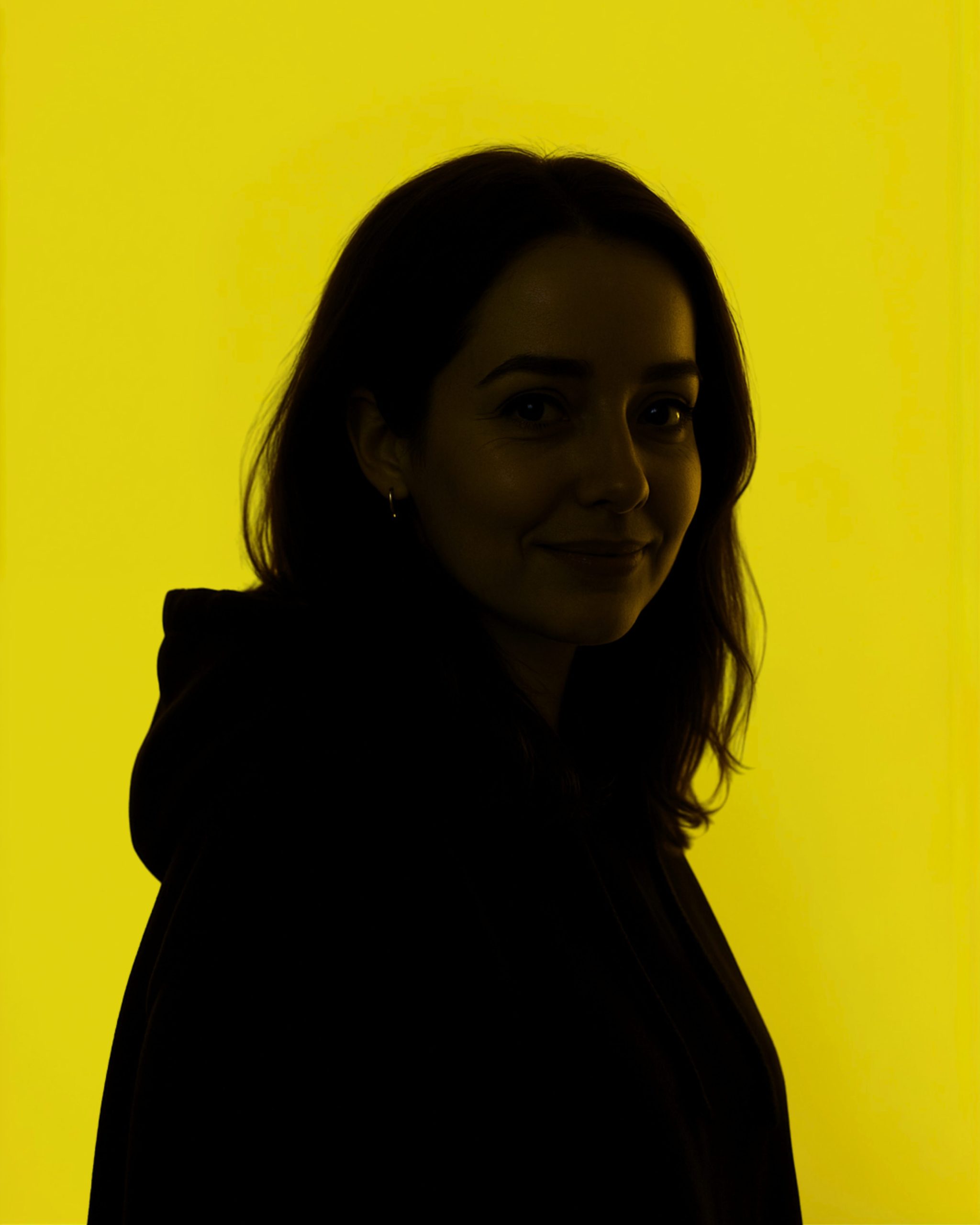
Kateryna,
Head of Advertisers, LeadHeaven
At LeadHeaven, we only work with products that can go the distance - stable payouts, transparent analytics, strong retention, and readiness to scale.
Before launching an offer, we check the product for key parameters:
- quality and conversion;
- stability of payments;
- correctness of tracking;
- retention;
- the advertiser's willingness to work openly and long-term.
We are involved on both sides of the cooperation - both webmasters and advertisers. We control the quality of traffic, monitor conversion rates and check each conversion, negotiate and resolve all critical issues.
A partner network is diplomacy. It is important for us to keep a balance of interests and speak the language of facts and always find solutions, not extreme ones. This is how we protect webmasters and build a pool of advertisers who can maintain quality not for weeks but for years. That is why we are selective. LeadHeaven only works with those who are able to maintain the standards we set for the market.
Consistency as the foundation of service
LeadHeaven is developing as an infrastructure brand, where processes are not a reaction to events but a structural part of the work. The team prioritizes technology, transparency, competence, and consistency. This is reflected in internal tools, automation, analytical approaches, and efficient operations.
The company's focus is on predictability and clear processes that partners experience on a daily basis. This model allows us to provide a service that does not depend on the mood of the market. Webmasters and advertisers receive predictable interaction, clear mechanics, and real support in the moment.
Kateryna, Head of Advertisers at LeadHeaven
The foundation of LeadHeaven is systematic and technological. Most companies start out chaotically: a lot of manual work, quick decisions, and a minimum of structure. And then at the growth stage, it breaks them. We took a different path. LeadHeaven has an infrastructure in place from day one: CRM, tracking, automation. This gave us predictability and control at all stages of work.
For us, consistency is not about a rigid framework. It is about predictability, clear rules and a team that works as a single mechanism. As a result, the partner receives one thing - quality that can be relied on for a long time. And it is the combination of technology and consistency that gives LeadHeaven an advantage - a service that does not depend on circumstances and partnerships that go the distance.
Entering the media space as a step towards mature communication
LeadHeaven does not compete for loudness. The purpose of going to the media is to clearly articulate its position and set a different level of communication with the market: restrained, professional, and open. LeadHeaven speaks the language of experienced professionals, explains the approach, demonstrates standards, and shows who is behind the processes. This is not an image move, but a logical stage of brand development.
Bogdan, Head of Affiliate LeadHeaven
For LeadHeaven, entering the media space is an opportunity to communicate with the market. We want to be transparent and show our approach, people, and principles on which our cooperation is based. We are making the brand open source. And it is trust and honesty that form what matters more in iGaming than any bonus.
For me, the most important thing is openness and a clear position. The market needs to understand who we are, how we think, and why we build partnerships for the long term or in this way.
The Verdict
The company's strength lies in its consistency, maturity and ability to fulfill agreements. This is an affiliate program that does not embellish reality or create an artificial image. Here, decisions are made based on factual data, partners' interests, and long-term consequences.
LeadHeaven acts predictably, transparently, and responsibly, and these are the traits that emphasize the brand's adult character. The brand enters the public sphere not to attract attention, but to honestly outline its standards of work and support market development through openness and clarity. This is a signal of readiness to talk about difficult topics as calmly as about successes - and of readiness to take responsibility for its decisions. That is why LeadHeaven has been consistently building a model of cooperation that goes beyond typical affiliate programs and sets a mature level of interaction in the iGaming market.
Важливо
Instagram LeadHeaven.
HWYD: How did you start your career at Wild Wild Group?
Denis: One day I came across an announcement in an arbitration chat room that Wild Wild was looking for a BDM. It was then that I was actively looking for a new company. The offer, prospects, and the Wild Wild Group itself interested me the most, and my decision was made quite quickly.
I remember how our head Ivan asked me if it would be boring for me to take the BDM position, since I had a higher position in my previous company. But I took it as a small challenge and an opportunity to gain experience in the holding. Wild Wild Partners was just preparing for the release, and there was a lot of work to do - to raise all the contacts and negotiate really cool deals to break in at the start.

HWYD: What was your first project or role in the team?
Denis: I joined Wild Wild Partners in May 2024, initially as a BDM. The company was preparing for the announcement and release of an affiliate program, and everything had to be prepared quickly. I really remember the high of the work, when a team of true professionals works on one project and puts all their heart and soul into it, expecting a decent result.
HWYD: What did your growth look like within the company?
Denis: I started my career at Wild Wild Partners as a BDM. My area of responsibility included attracting new advertisers, maintaining relationships with current ones, scaling deals, providing the best conditions at the start and for skateboarding, analyzing competitors, and much more. Now I am a Team Lead BDM. All my previous responsibilities have been retained, but new ones have been added. Since May 2025, I've been managing the BDM department at WWPartners: building operations within the department, setting up processes, sharing my experience, learning, and teaching others.
HWYD: What helped you move to the next level?
Denis: I have always tried to take on a little more than is expected of me. Somewhere I went beyond my area of responsibility, somewhere I thought about the external factors of the company's work, somewhere I thought about internal processes, asking myself: "How can I be useful to the company not only as a BDM?". My head Ivan has always supported all my ideas and suggestions, and I am grateful that this has not gone unnoticed.
Once, at the holding's regular monthly report, our CEO said: "The company always needs 1.2 managers - those who give more than is expected of them." And then I realized that I was moving in the right direction. This is a way of life - to do a little more than is expected of you, and even more than you expected of yourself.
HWYD: How would you describe your "signature style" in your work?
Denis: I am a businessman with a lot of experience as a buyer. First of all, I understand what buyers really need because I have been working with FB since 2019. I understand how sours work both technically and mathematically. This helps a lot in negotiations with advertisers and in understanding with teams. In addition, I like honesty with partners, structured approach and ease of communication with both partners and colleagues.
HWYD: What achievements are you particularly proud of?
Denis: First of all, I am very proud of my team, proud to work with these people. I am proud of the partnership I have a hand in developing and building. If we look at specific cases and figures, the most recent is the FB storm in September-October. Our team felt the changes in the market, but we survived, adapted, and strengthened. And in the second half of October, we showed a result of x2 from the first half.
HWYD: What attracted you to the Wild Wild Group in the first place - and what keeps you there?
Denis: I knew about Wild Wild Group even before I joined it. In my previous company, I worked with both WWLeds buying and WWApps. Even then, I knew about the strong approaches within the WWG team. I was attracted to the holding, which was built with a responsible approach and formed a promising ecosystem.
Now I am sure that this is just the beginning. There are still many ideas and work ahead, and that is what drives us. I am confident that we will continue to be among the market leaders because we are doing everything possible for this. We employ professionals, and I want to grow, learn and work with them.
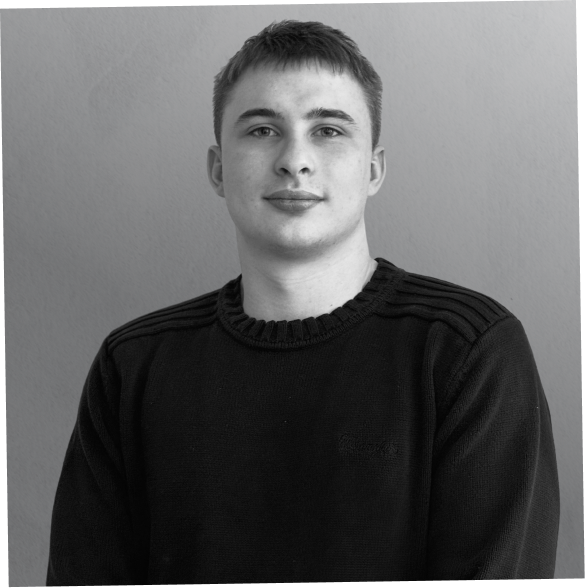
HWYD: What tasks drive you the most now?
Denis: Driven by the challenges of new realities. Is the auction getting more expensive? Okay, so it's time to negotiate the terms that previously sounded like something unrealistic. To stay in our field, you need to be flexible, constantly adjust not only yourself but also be able to convince your partners.
HWYD: What ideas do you want to realize in the near future?
Denis: I want to scale and develop what we have now. I want to implement an idea that no other partner network has ever successfully and on a large scale. I want our partners to say: "Only WWPartners can do this."
HWYD: How do you see your field or role developing in the future?
Denis: It's hard to be unique in our niche, but that's what drives me. I want to negotiate really cool and unique deals, develop my department, and see my employees learn from my experience and grow with me. I am especially pleased when advertisers write to me, with whom we do not yet cooperate, and say that they have heard about us, know about our cool traffic, and want to work with us. We do our best to make such cases even more numerous.
HWYD: What would you like to work on if you had no restrictions?
Denis: I dream of having an in-house product. It would be a very cool experience to work not only with external brands but also with our own. Promotion, traffic acquisition, all operational processes - I am convinced that this would boost us a lot.
HWYD: How would you describe your work style in three words?
Denis: Flexibility, ease, confidence.
HWYD: What energizes you outside of work?
Denis: I like to have a tea ceremony, and then go to the gym and work out to a set by KOROLOVA. Or just take a walk with the music.
HWYD: What kind of team atmosphere motivates you?
Denis: I like a friendly and responsible atmosphere in the team. I like being asked questions: "What's this?", "What about here?", "How about this?", "How do I do...?"
This shows that the team wants to develop and is not afraid of questions. As Ivan says: "There are no stupid questions," and I completely agree.
Важливо
HWYD: And finally, what advice would you give to those who are just starting out in the industry?
Denis: First of all, I would like to thank my readers - this is my first appearance in the media in 5 years of work in the industry. I hope for your support in the comments. I advise newcomers to stock up on valerian, because our field is no longer about "I'll get laid today and buy an M5 in a month." At least for now. It's a tremendous amount of work, development, creativity, analytics, business, connections, and new tests every day. When I started my career, cases were just starting to appear on the Internet, and a lot of information was not publicly available. Now there are a lot of cases, interviews, and materials.
Grab every opportunity - whether it's a junior position in a small team, an intern, or an assistant. Keep the answer "I can start working right now" ready. The main thing is to enter the industry. And then grow organically, doing your best. Don't be afraid to network - networking is a must in our industry. Catch the thrill of the job, and everything will be great.
In the vertical vertical, stability does not come naturally. This is an area where the rules are constantly changing, algorithms behave unpredictably, and success depends not on one successful launch but on the team's ability to work systematically and long-term. Space Profit Team is one of those teams that has not only adapted to these conditions, but has formed its own approach, culture, and development environment.
The story of SPT began four years ago in a Kyiv apartment, where four people sat down at a table with the intention of creating a team with room for development, initiatives, and bold decisions. At the start, they tested different traffic areas, but it was the gut that showed the greatest potential for systematic work. The choice to focus on one vertical was crucial: when attention is focused on one thing, the result is stronger. This principle formed the basis of what is now formulated as the team's internal motto: Focus wins.
The first years were a period of search - processes were built from scratch, tools were sought through experiments, and each result was the result of numerous attempts. However, 2022 was the real point of transition. The war changed the focus: work faded into the background, and the main task was to keep people and the team together. Some went abroad, others stayed in the cities under fire, but the communication was not interrupted. At that moment, it became clear: SPT's strength lies in people and mutual support. Despite the chaos, the work continued as long as the circumstances allowed, and this formed the internal resilience that defines the team today.
Важливо
Gradually, SPT moved from just working efficiently to influencing the environment. The team began to build processes systematically, expanded its expertise and strengthened its presence in the public space. An important step was Kyiv Nutra MeetUp, the first nutra event in Ukraine that united the market and set a new bar for networking. It was at this point that Space Profit Team ceased to be just a team - it became an environment that shaped culture and standards.
Approach and processes
SPT operates on the principles of transparency, responsibility, and focus. Here, decisions are made quickly because each manager understands not only his or her area of responsibility but also the overall goal. To scale up, the team created its own internal services, which made it possible not to depend on external tools and ensured the speed and stability of processes.
The speed of the tests does not contradict the systematic nature of the process - each experiment goes through a clear structure. SPT says: we are not slowing down - we have learned to control it.
The team is convinced that partnerships work when both parties play the long game. Therefore, trust, transparency, and willingness to develop together are the foundation.
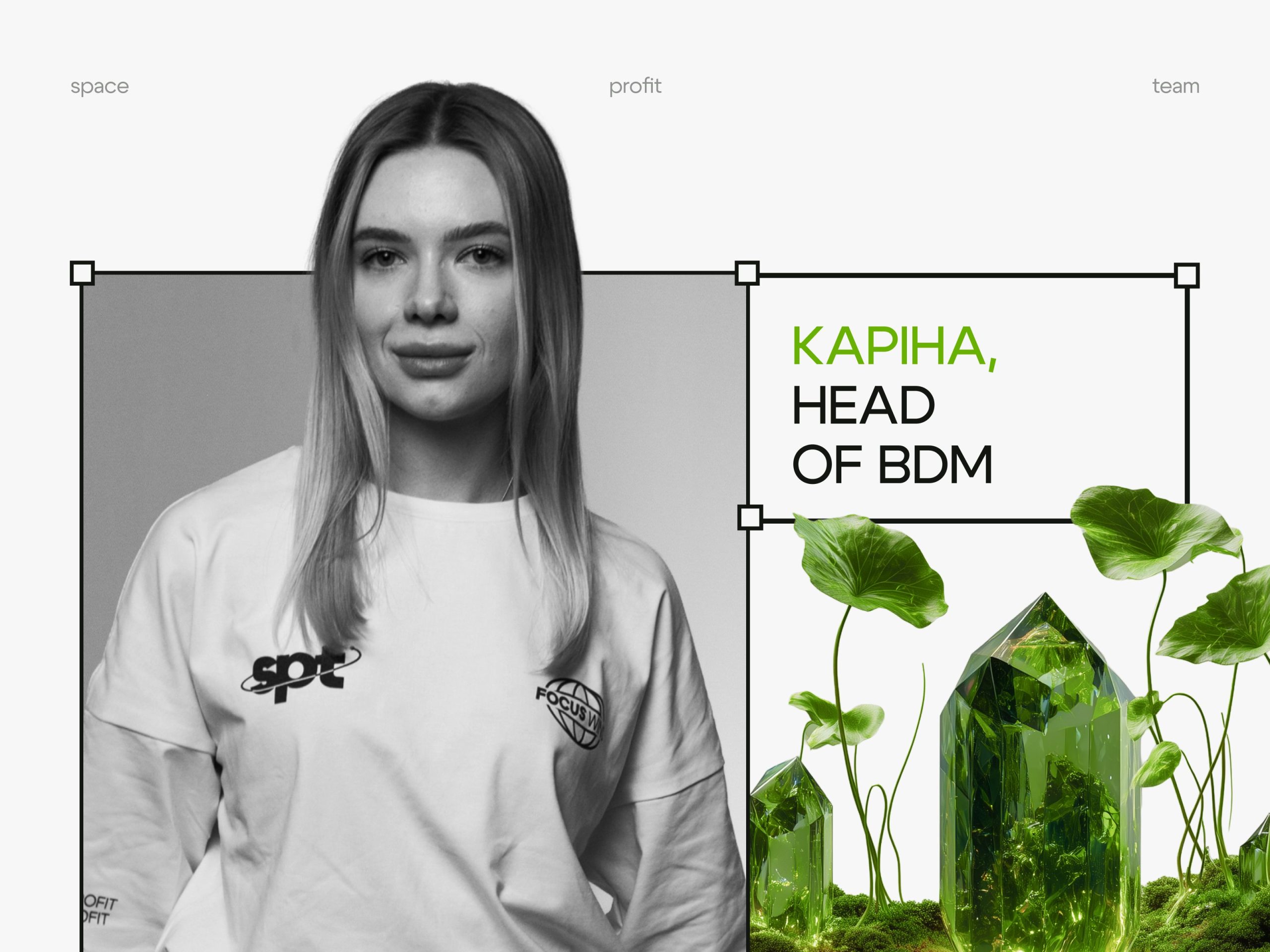
Karina,
Head of BDM, Space Profit Team
"We see the development of both traditional mainstream areas that will always be relevant and new, unpopular topics that offer great opportunities for scaling. For example, specific niches are emerging that are growing rapidly and offer a chance to launch quickly. In terms of geography, Europe, Asia, and new markets such as Africa remain promising, where traffic and demand are growing, although infrastructure and regulations are still in the process of development. Such markets are interesting for both teams and advertisers who create their own products."
Traffic and working strategies
SPT works with Facebook, Google, and Native Ads, and it is diversification that gives stability. The work is structured in such a way that even when one channel is experiencing a downturn, the others compensate for it.
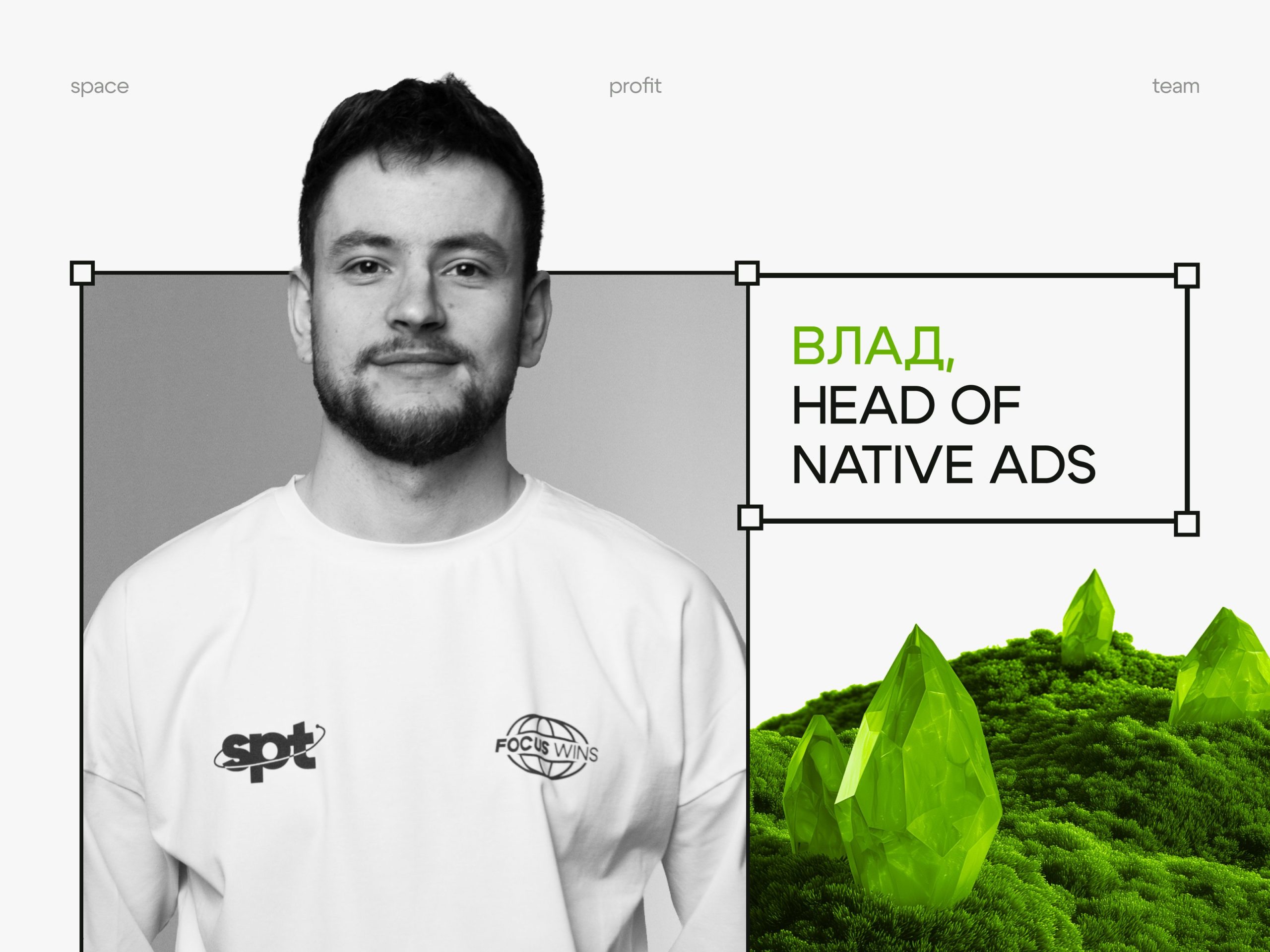
Vlad,
Head of Native Ads, Space Profit Team
"The main and biggest challenge that every buyer faces is the constant search for new ways of development and traffic sources. Often, you have to literally look for opportunities from scratch where you can find traffic to a particular region or geo. Sometimes this means looking for new networks, mostly local and with small volumes. All of this takes a lot of time and effort.
In my opinion, in our traffic source, it is not individual successful advertising campaigns that are most indicative, but the work "in the long run". If a buyer is able to reach volumes, it's already cool. But if he is able to work with connections so that this volume lasts for a long time, this already means that you have a very serious Jackie Chan 😁."
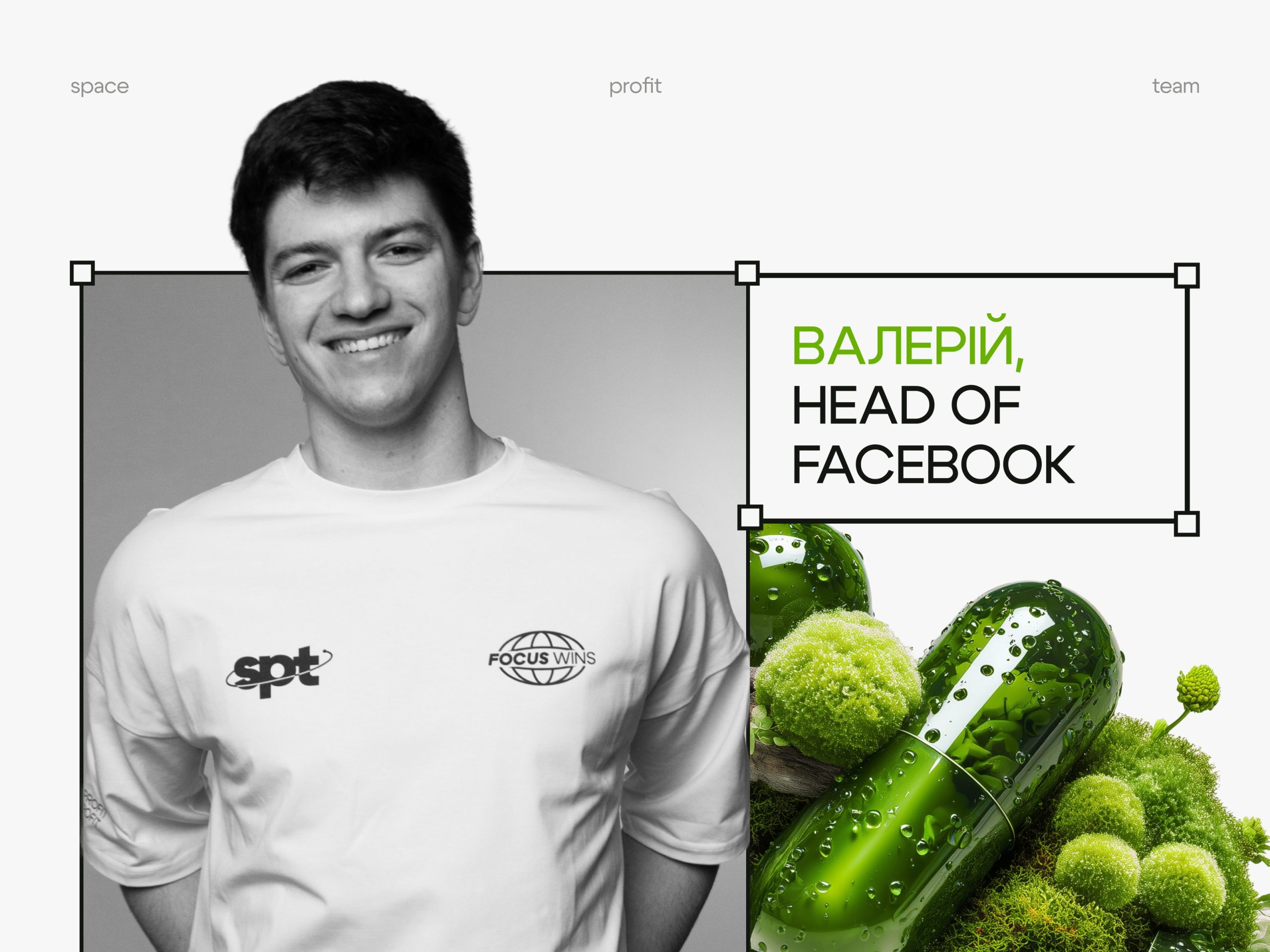
Valeriy,
Head of Facebook Ads, Space Profit Team
"We have been working with Facebook for many years.
Over the years, we have established two main rules:
- Don't expect anything good from Facebook.
- Remember the first rule.
So it doesn't matter if Facebook is doing well or badly, we always expect it to do something bad because it's a jerk (although sometimes it's a good guy).This attitude has two main advantages.
Moral - we are always on the alert: even when everything goes "wow" and the next day we have 99% of traffic in the bath, no one is sad because they were ready for it. Accordingly, there is no state of tilt, apathy, and disappointment, because we have been disappointed in Facebook for a long time...
The second (main) is diversification. We are not tied to pouring only agents or only highlites. If we are pressed for time, we will even pour autoresponses, as long as we have traffic and profit. The same applies to advertising approaches: we try to pour any visuals, styles, static/dynamics - anything that will be profitable. Therefore, the structure is ready for any challenges. The strongest is not the one who hits hard, but the one who knows how to take a punch (Ali Wolier Muhammadovich)."
Media as part of the DNA
SPT deliberately chose to be public in a field where most teams remain invisible.
Polina, Head of PR at Space Profit Team, will reveal more details of this choice.
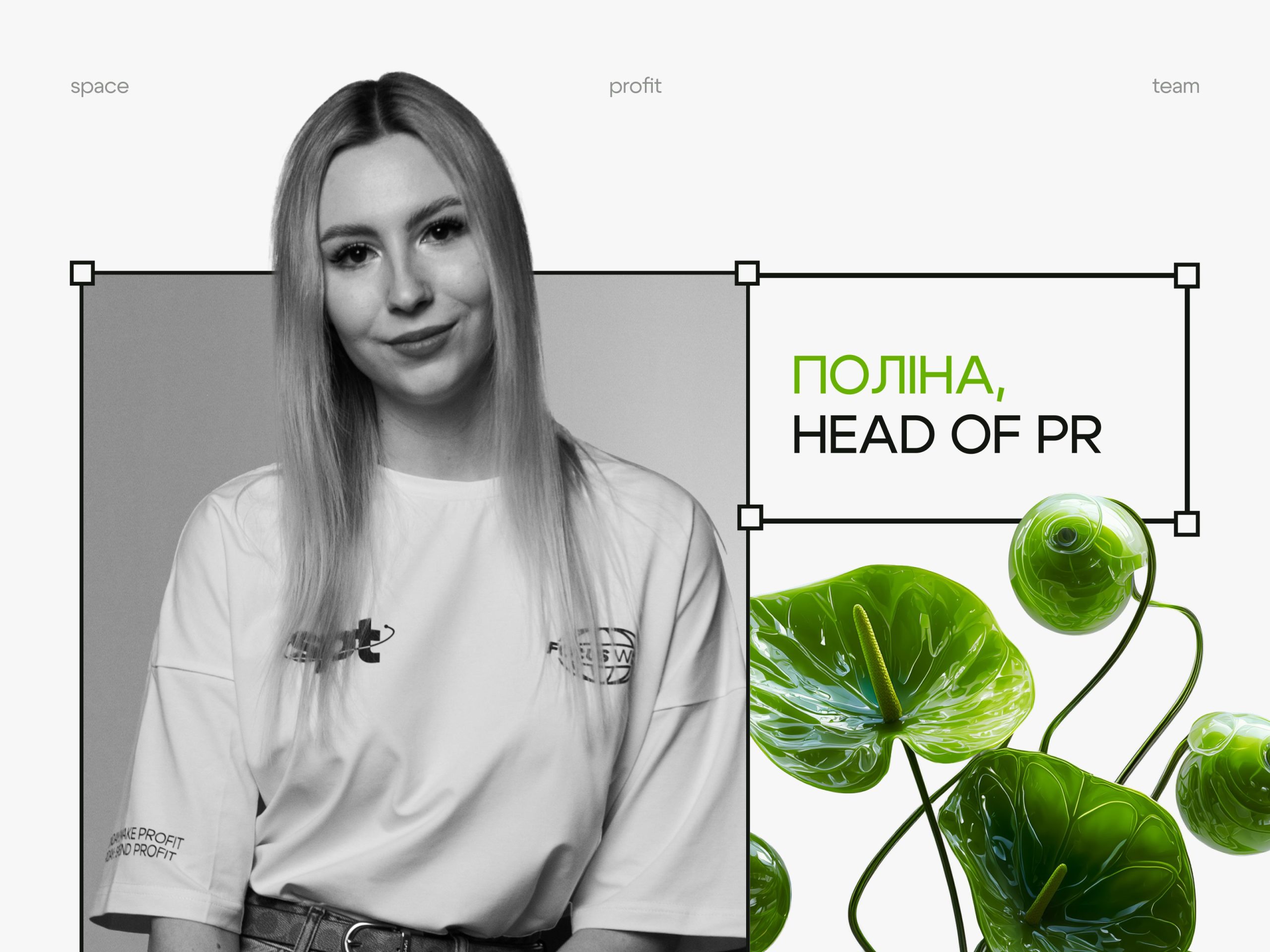
Polina,
Head of PR, Space Profit Team
We wanted to be clearly seen and recognized by our partners, the media, and those who are just thinking about becoming part of SPT. Publicity helps us build transparent, open communication and attract like-minded people. Repositioning, a new visual style and logo, an updated website and format of the Telegram channel, which is now run by our team, a single tone of voice for social media and external communications - so that SPT is easily recognizable in any format. An important part of the repositioning was the story where we started calling ourselves Mates. At SPT, we have been looking for a word that best conveys the feeling that unites our team. A Mate is not just a person you work with, it's someone with whom you can be real, with whom it's easy to be silent and celebrate victories loudly, with whom you share energy, doubts, and inspiration. The Team Presentation Movie was a special project. We wanted to convey the SPT atmosphere, reveal personalities and corporate culture. We also worked out an interesting new onboarding system: new metrics are no longer included in a dry info package, but in the living history of SPT.
Media activity has a tangible effect both inside and outside the team. Internally, it increases involvement and cohesion, and helps to immerse employees in the corporate culture. Externally, the brand is becoming more visible in the market, and more new partners are appearing.
Culture and team
SPT's culture is based on trust, openness, and mutual support. Each mate has the freedom to experiment, make mistakes, try and grow.
The team supports each other during stressful times, maintains transparency and communication, and creates space for mutual presence - even at a high pace. The gut feeling, as the team describes it, is not about rushing. It is a sense of development and movement, when you feel that you are growing by what you do.
The Verdict
Space Profit Team - is not just a team with expertise in its guts. It is an environment where people grow together and are not afraid to take responsibility. Here, each person not only fulfills his or her role, but also influences the overall result and culture. Focusing on one vertical has given us depth, and media has given us visibility and recognition. But the foundation remains a team that knows how to support, keep the pace, and act with focus even in difficult times. And what they call "gut adrenaline" is not about a chaotic race.
It's about a state where complex tasks don't scare you, but engage you; where speed doesn't throw you off balance, but helps you grow; where you feel like you're moving forward - not alone, but with a team. That's why SPT's strength is not in speed. It's in community, stability, and an internal focus that really leads forward.
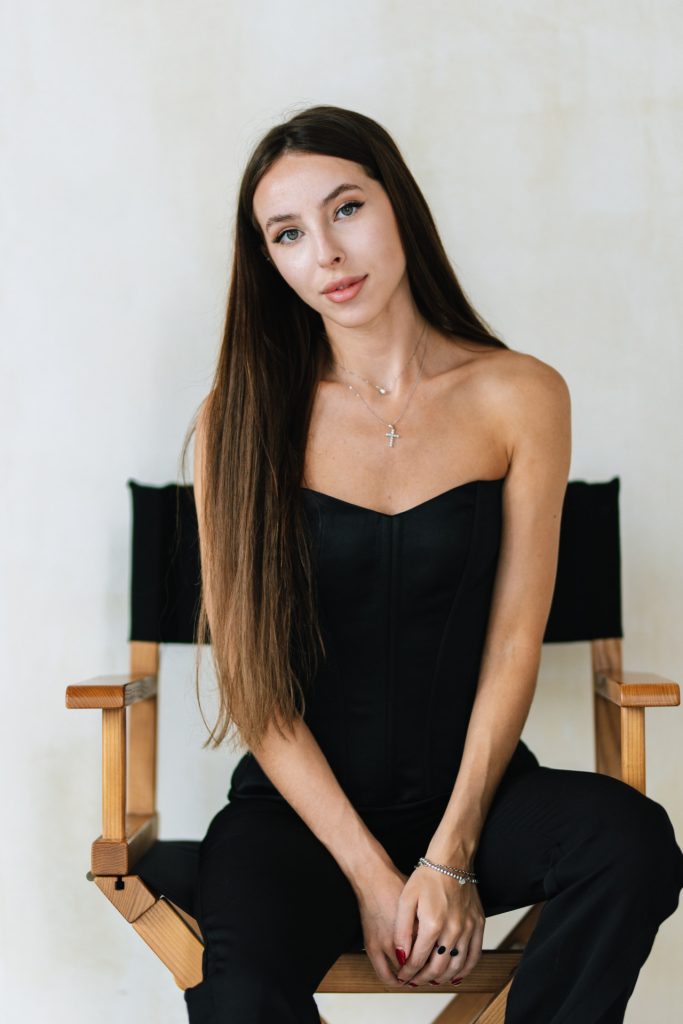
I met Sofia as part of my work at Wild Wild Group - we arranged for one of the AFFX streams to be trained on Wild Wild Apps and Wild Wild Leads platforms with the aim of hiring her as a Junior Media Buyer at WWL. We decided to fuel this story with a series of attention-grabbing videos, got to know each other, and realized that we were both passionate about our work. Sonia spoke with such passion about their students, believed in them so much and was so proud of their achievements that it made me proud.
Later, we met at Sempro Fest in Kyiv, where Sonya brought the students of the Academy. "Can you imagine how cool it is: not just teaching, but immersing, showing, introducing - networking from the cradle! I thought that I should definitely invite Sofia to highlight this story and tell the general public about the option of quality training at How Was Your Day, which, by the way, will also become a useful platform for newcomers to learn about market personalities, companies, and areas where they can work in the future.
So here's an interview with Sonya, fresh as a morning bun from the bakery near your home. Enjoy reading - it will be interesting. And it's also useful, because with the promo code [HWYD+AFFX] you can get a 10% discount on any AFFX course - don't miss the opportunity to use it.
Kostya Golubev, editor-in-chief of HWYD
Who are AFFX and who are their students
HWYD: Sonia, hi! Tell us about the AFFX Academy: when and why did it appear?
Sonia: The idea to create the academy came from the personal experience of our owner, namely the lack of high-quality specialists in the market who could quickly integrate into the work and benefit the business and, accordingly, develop along with it.
When the full-scale war began and Ukrainians were forced to leave for safer cities and countries (both internal migration and migration abroad), people lost their jobs and the ability to provide for themselves and their families. That is why the main goal of the Academy is to provide knowledge and skills only in practical professions that can be quickly mastered and earned either during or immediately after training.

That is, the Academy set itself the following goals:
- creating educational programs that provide Ukrainians with the opportunity to earn money wherever they are;
- Filling the labor market with talented practitioners so that companies can fill vacancies with high-quality specialists;
- Assistance to certain categories of people - combatants and war veterans.
HWYD: Who are your students? Who comes to study arbitration nowadays? Are they elderly people who are disillusioned with classical work? Or are they mostly young people without experience?
Sonia: There are completely different categories - from mothers on maternity leave to practicing professionals. Most of them are people who are changing careers and looking for additional income alongside their main job.
We had doctors, managers, business analysts, logisticians, athletes, and those who tried to figure it out on their own but lacked consistency, knowledge, and certain technical points. The average age of our students is 25-30 years old. We are very happy to have a diverse audience of students and to be able to help them change their lives.
HWYD: What educational programs do you offer?
Sonia: We currently have 3 active educational programs:
- Affiliate marketing: Nutra vertical
- Affiliate marketing: Gambling vertical
- SMM: From Scroller to Creator
Information about them can be found on our website.
And 2 more will be launched soon:
- Native
- Affiliate Manager
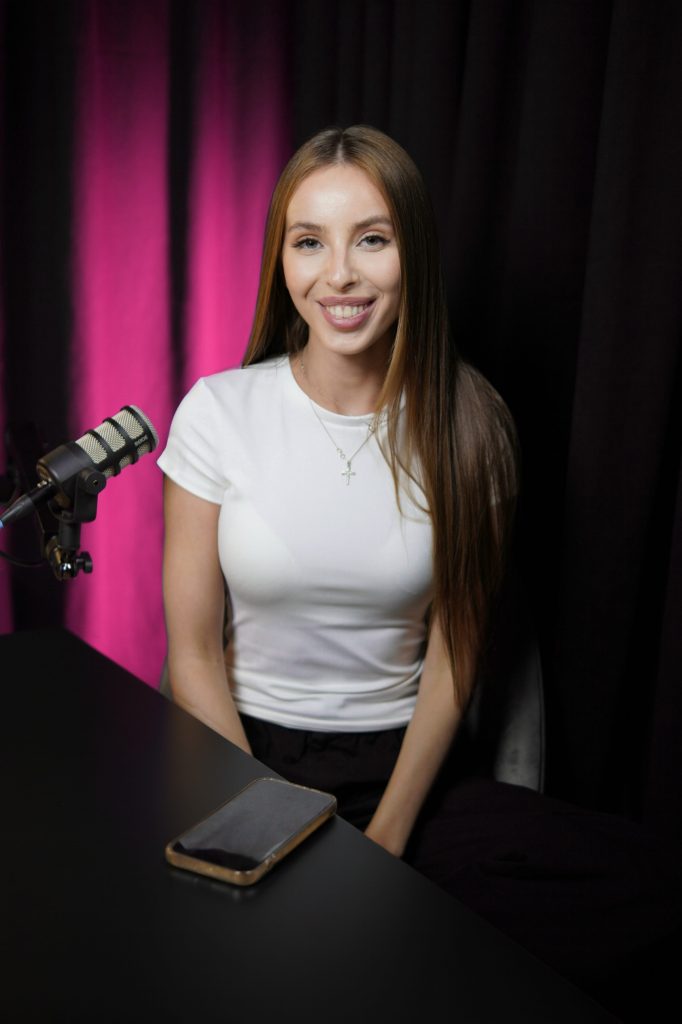
About mentors and streams
HWYD: How do you find and engage mentors? Who are your mentors?
Sonia: Mentors are searched for through various sources, from Instagram to Linkedin. Of course, not without recommendations and acquaintances. We also receive a lot of incoming requests like "I want to work with you."
The main thing when looking for a mentor and starting to work with them is that they should be inspired by our idea, be a practitioner (not the owner of beautiful statistics from Photoshop) and a responsible person. We always aim for a long-term relationship with mentors, while constantly checking the quality of training (it is very easy to measure in our country with the help of students' results), and if something goes wrong, we first look for ways to improve the situation, and in cases where the problem is in the mentor, we have to look for a replacement, which is always very painful for us). But our goal is to be the best on the market, so we only work with practices that have great results.
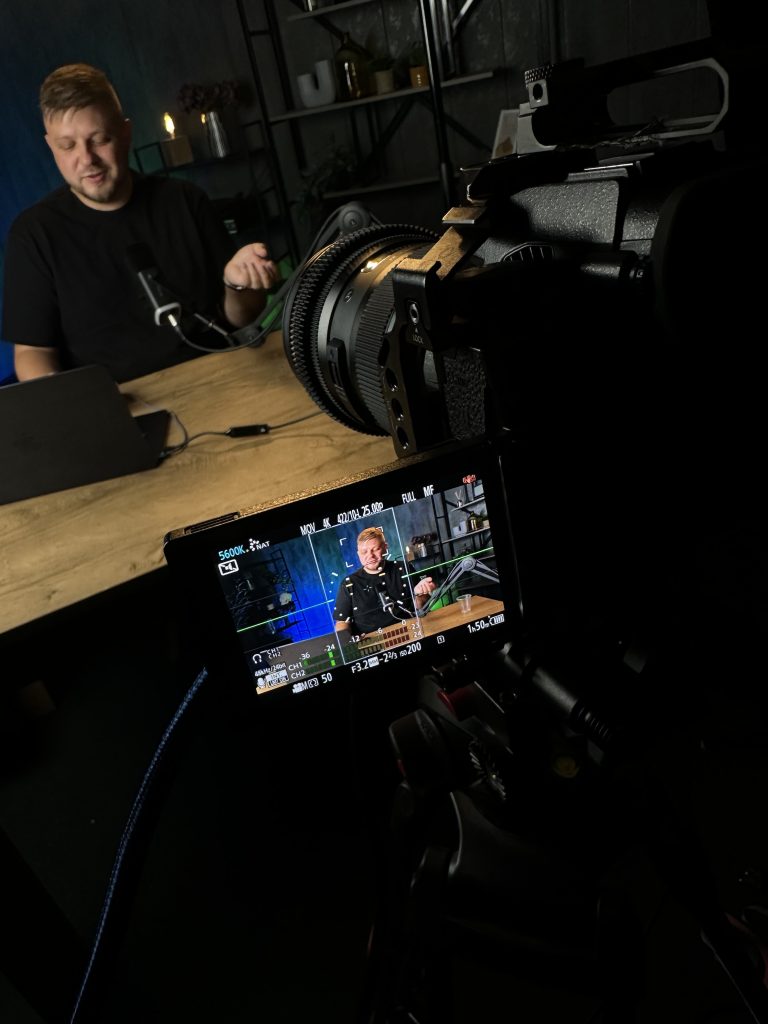
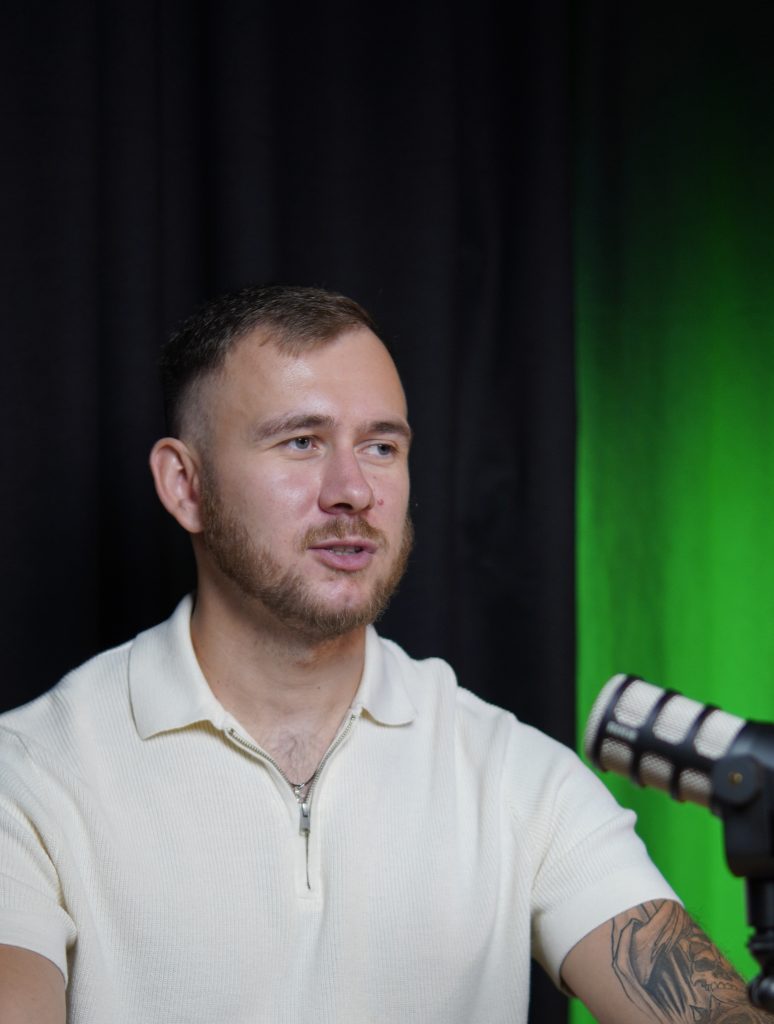
HWYD: How many streams have been released so far?
Sonia: 5 threads on Nutra, 2 threads on Gambling.
HWYD: How much does it cost to study at the academy?
Sonia: Tuition fees start from 399$. But we have excellent payment terms in installments, without additional % and commissions, so you can expect from 200$ per month.
About employment after graduation
HWYD: What are the additional benefits of studying with you? Perhaps employment right away?
Sonia: For each program, we have benefits: free services for work, ready-made tested connections, the best conditions from the top market players for students, and a mandatory component - job placement assistance. We have individual agreements with the best companies on the market, which are waiting for our students during their studies.
We work with students to prepare case studies and CVs, and hold online HR workshops so that they are fully prepared to apply to companies. And the companies, in turn, already know the level of our education and are "hunting" for our graduates.
HWYD: Who are some of the well-known market figures (people/companies) you have collaborated with? What was the result for you and the companies?
Sonia: Speaking of bloggers, you can see the entire list on our page and in the highlights as part of the large-scale advertising campaign "How can you do this?", in addition, we have media mentors with their niche telegram channels, and we never miss opportunities to collaborate with our partners Wild Wild Group, Everad, AFFHUB, Kupartners, SPT.
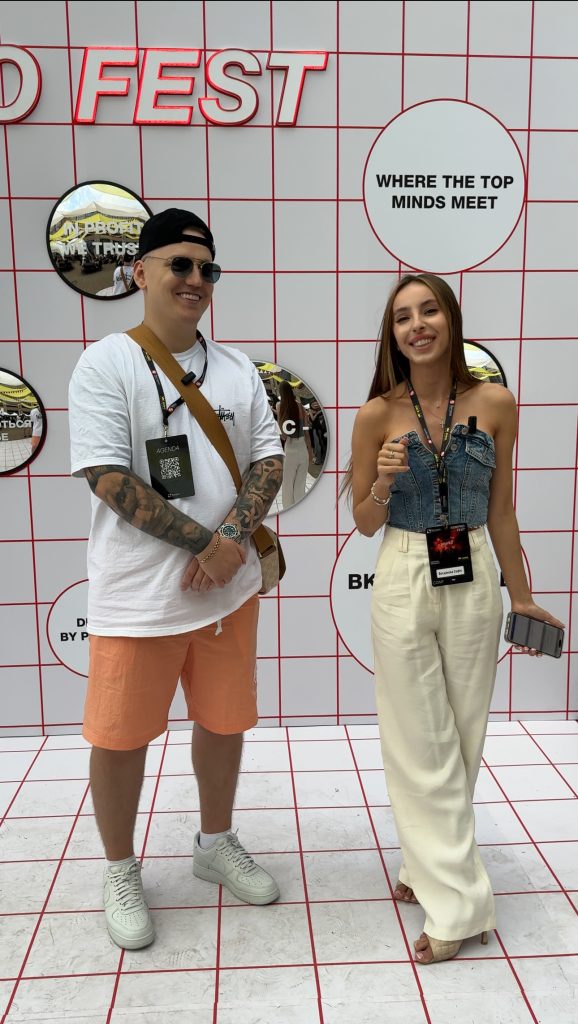
HWYD: How do you introduce newcomers to the world of arbitration besides teaching bays?
Sonia: Our students communicate directly with market leaders at online workshops, as they often come as invited guests and are happy to share information. We also practice networking at conferences with students and will soon launch the largest networking space in Ukraine, where themed meetups, events and lectures will be held. And let's not forget about the top media, thanks to How Was Your Day Media, our students will be able to learn about important people in the field, recognize their activities and navigate companies in the market.
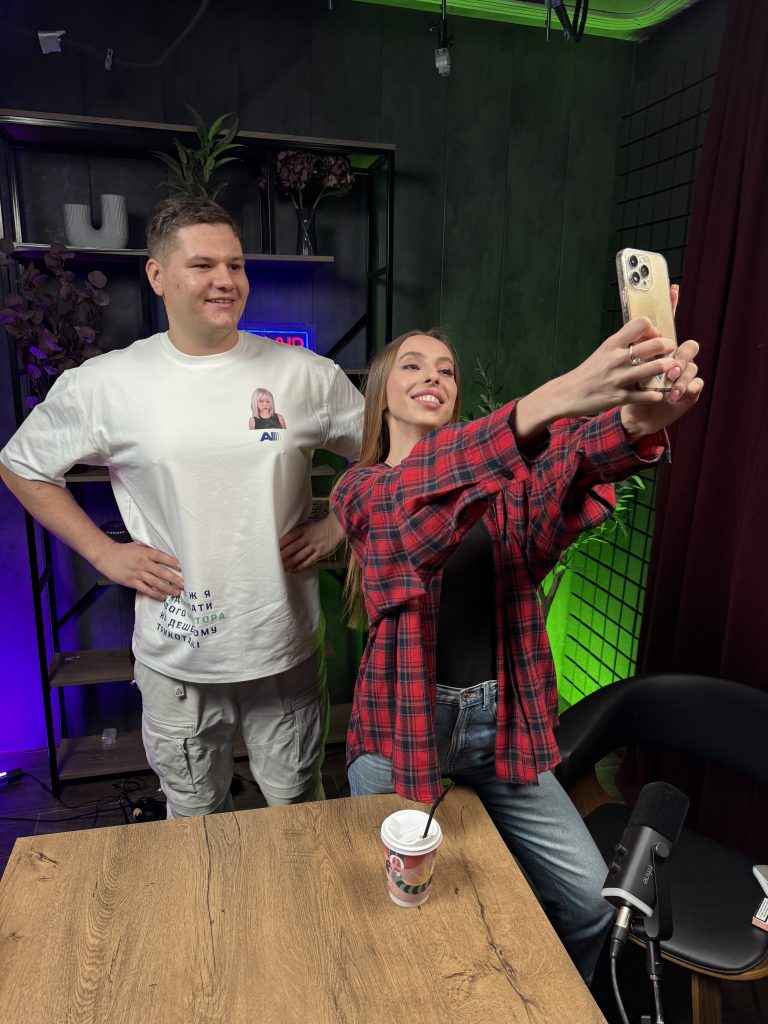
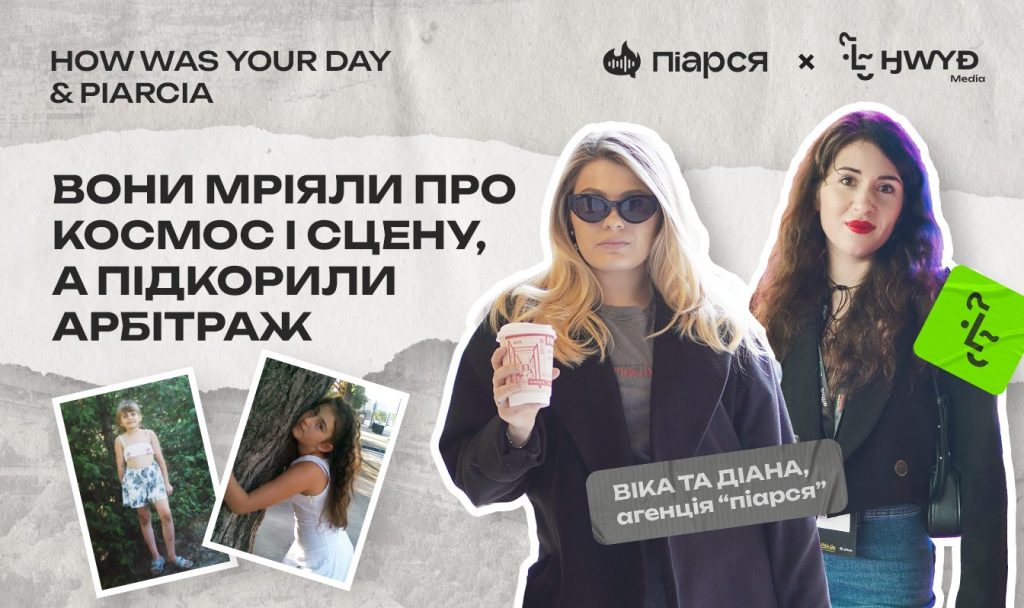 I personally met Vika and Diana while shooting a New Year's Eve show for GreyHunter last year. They are cheerful, friendly girls, and most importantly, professionals in their field. At that time, they were preparing the show and acted as a producer and editor on the set. Since then, we have been working together on various projects and collaborations. I knew that both of them had left their jobs afterwards, but I had no idea where they went. Suddenly, this summer, I meet them in Kyiv in the morning at the YoSa Affiliate Morning Club, which was held with the support of 2B Digital, and we talk, but not for too long - I warn them that I have to run to the shooting of the mysterious Piarcia. At the time, I didn't pay attention to the way the girls looked at each other and smiled. But when I arrived at the location the same day, I saw familiar smiling faces. As it turned out, they were Piarcia. Surprise - surprise! The masks were taken off, Vika and Diana told me how they had created a new agency, and I realized that this would be a new attraction for HWYD. So, WELCOME...
Kostya Golubev, editor-in-chief of HWYD
Childhood.
HWYD: Tell us about your childhood. What kind of family did you grow up in? When and where were you born?
Vika: I am from the city of nuclear workers - Kuznetsovsk (now Varash). It is a very young city where every second person works at a nuclear power plant. That's why I have a third hand, which helps me a lot in my work. Hahaha, yeah, that's my humor)
Every summer, I spent time with my grandmother in the countryside: herding turkeys, picking berries, feeding rabbits, taking the cow from the pasture, and enjoying my childhood. However, the latter lasted for a week at most, and I liked the city better. But I wanted to leave my hometown all my adult life. It was too "gray" and cramped for me-everyone is too close to each other, and everyone knows everyone. In a city of 40,000 people, it's hard to dream big or do something completely new. Since childhood, I wanted freedom in everything: in actions, in movement, in ideas, in development, and even in dreams. That's why I decided to move to Kyiv to study.

Diana: I lived most of my life in Odesa. I had an ordinary family: my mother was a saleswoman and my stepfather was an automotive electrician. I was an excellent student at school and always wanted to be the first in everything. I loved studying, just like I do now.) We lived modestly, though not badly, but I always wanted something but couldn't have it. Since I was smart, I quickly realized that if you want something, you have to get it yourself. That's why I started working early.

HWYD: Describe your most vivid childhood memory.
Vika: You wake up at 9 in the morning because a small rabbit has been placed on your bed. The house smells like pancakes with jam. You go outside barefoot, wash your face with cold water from the street tap, there is still dew around... and you are already planning in your head what cartoon you will watch today. It seems to be nothing complicated, but it is in such trifles that true happiness is found.
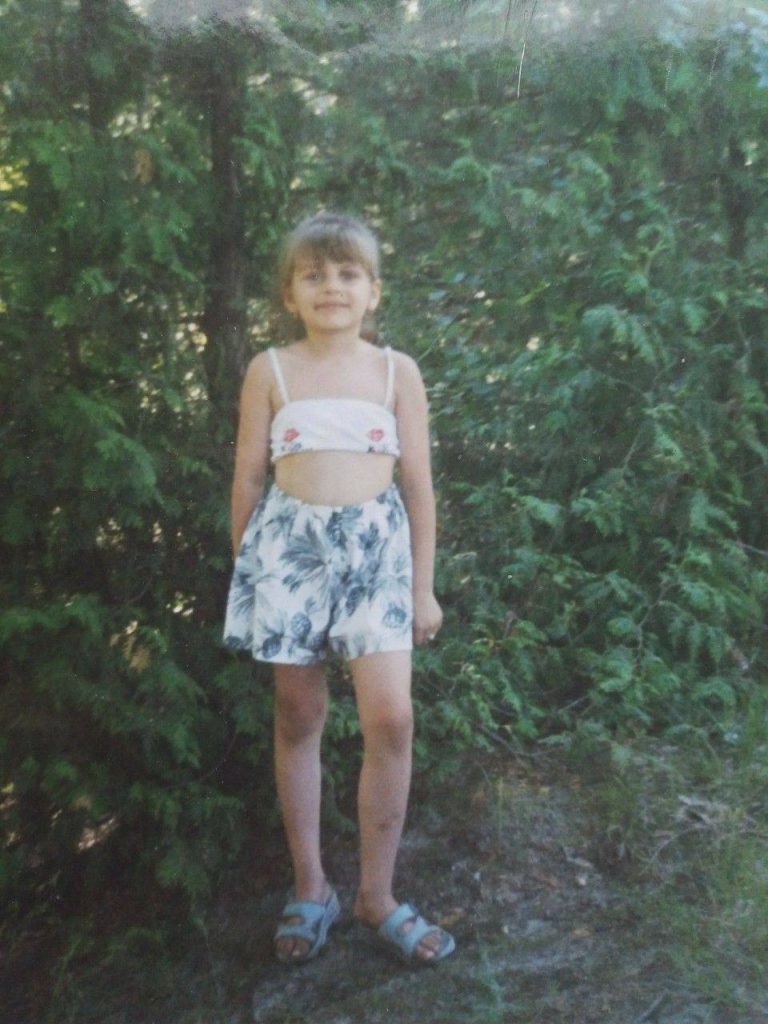
Diana: Every summer when I was a kid, I used to visit my cousin and my grandmother. We were both very stubborn, which often led to fights and tears. It was constant.) And then one summer we came, and I realized how much I loved my sister. And we didn't fight anymore. Here I felt what it was like to become an adult.
HWYD: What did you dream of becoming when you grew up? Why?
Vika: I had several dreams in different periods of my childhood:
- A fashion designer-I spent hours drawing sketches and sewing dresses and other outfits for my Barbies and Ken out of old clothes.
- An actress, she has always loved being the center of attention: she would memorize her favorite scenes from popular movies and cartoons and organize "concerts" for the whole family. She was also a regular participant in school productions.
- Journalist - I liked the fact that I could express my imagination through text. I wrote texts and spoke for the local radio, went to a journalism class, and there is still a video on YouTube of me opening a Christmas tree in the city center. That's some reporting for you!
And you know what? I actually work in all of these professions now:
- Designer - because we create merchandise for partners, teams, and products.
- I'm an actress because I shoot videos for my own agency.
- I am a journalist because I write texts in PR, search for or invent news stories for clients.
It turns out that my childhood dreams did come true, but in my own adult format.
Diana: When I was a kid, we lived in a private house, and my favorite thing to do was to look at the stars. Sometimes at night, I would take a blanket and a pillow, climb on the roof and fall asleep there. I always thought we were not alone and dreamed of seeing a UFO at least once.
That's why I always dreamed of becoming an astronaut, up until the 9th grade. I thought about entering our aerospace institute, but I realized that it was underdeveloped in Ukraine and I would not be able to reach the stars there. Then I thought about going to study abroad, but I had poor physical fitness for an astronaut, so I gave up on this idea.
Youth
HWYD: How did you study at school? What subjects did you like the most? Which ones the least? Why?
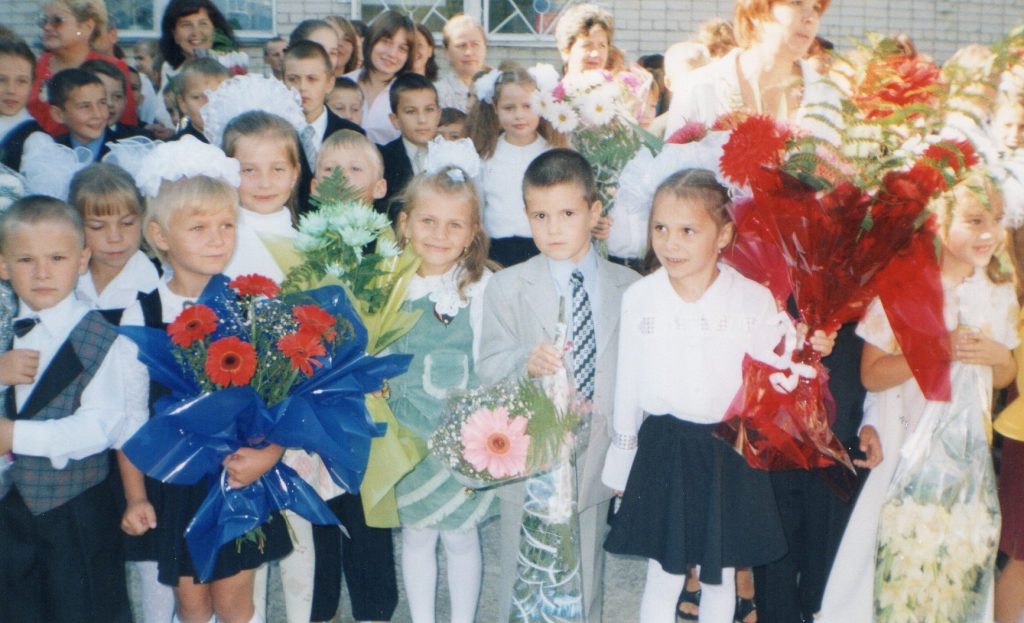
Vika: At school, I was a gold medalist, so I found learning easy. The only exception was physical education. Oh, those standards... I never passed them properly. Even the school principal asked the physical education teacher to "give me a passing grade so as not to fail the medalist."
The irony is that in my first year of university, I passed all the physical training tests with flying colors. I still don't understand how it happened. My favorite subjects were math, Ukrainian and English. These were the subjects I took for the External Independent Testing: my results were also good - 187, 194.5 and 180 points, respectively. I also liked chemistry because I could experiment.
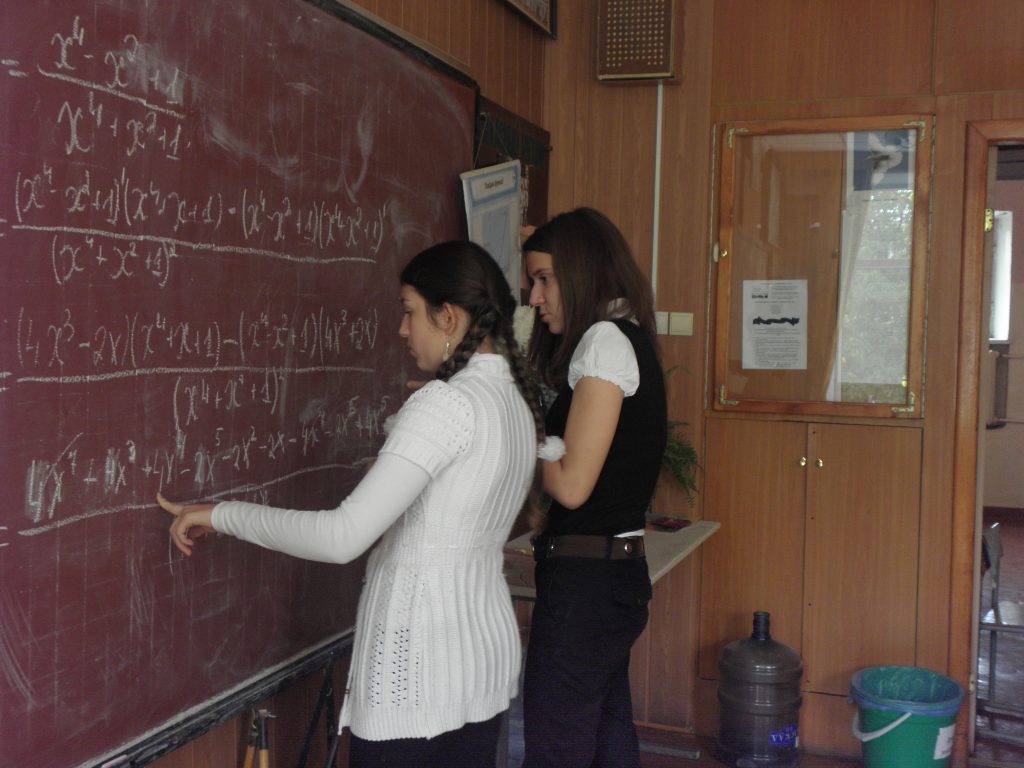
Diana: She was an excellent student, hung on the honor board, participated in all the Olympiads and pissed everyone off 😂 I liked math and physics the most. My mom still has a bunch of letters of commendation, certificates, and results of the Olympiads. Do you remember this moment when guests came and your mom showed you how good you were? "Come on, tell me a poem." And I did.
I was a multiple winner of physics and math competitions. I used to annoy my classmates because I was always held up as an example. I was invited to parent-teacher conferences. I was there as a showcase child)) I also leaked information about who really started the fight in the classroom, because I never lied, and they believed me. And I realized that I pissed off all my classmates only after graduation) Although I had great friends)
HWYD: What clubs/sports did you attend?
Vika: I adored going to clubs, especially since they were all free. It really strengthened me: I could try myself in everything. My biggest dream was to sing. I came to a trial vocal lesson, but I was not accepted. I remember the teacher saying something unpleasant, and since then I have never sung in public. It was like a blow to my self-esteem.
But other clubs were more fun:
- I did needlework for a long time, and my mother still has my childhood crafts.
- Dancing - I performed on stage and enjoyed the attention.
- Journalism was my love! I was constantly writing, making up stories, appearing on local radio and even on the news.
- English was an additional class that helped a lot later.
- Swimming pool - I love water, so swimming was a pleasure for me.
Diana: I didn't go anywhere until the 9th grade, because I didn't have much money. Then I went to a college gym, and later I played volleyball. I really wanted to train in the gym, but I had no money, so I was allowed to go to a student gym at the age of 15. You can imagine the conditions there 🙂.
The coach there was training powerlifters. One day he offered me to train with them and promised that in six months he would prepare me for the competition. I was very inspired that my efforts were so appreciated - and I was a fucking idiot. I was almost about to join them, but one day a girl powerlifter came into our gym - a huge belly, their training belt, flat chest. After that, I never went to that gym again.
HWYD: Describe your most vivid memory from school.
Vika: My best school year was in the 11th grade. It was then that a story happened that was both the most pleasant and the most painful for me.
I was a creative person at school. And when the organizers of the graduation ceremony asked each class to prepare a video about themselves to show it in the city's assembly hall, we came up with an idea: to make a video in the style of "Expectations - Reality" about typical school moments - lessons, homework, tests, the way home, etc.
We were divided into teams: actors, scriptwriters, cameramen. I was everywhere - a scriptwriter, actor, cameraman, and editor. I edited the video myself (I had never edited anything before). It turned out so cool that even now, 10 years later, I watch it and think: "Wow, it was really cool for that time."
Moment X is graduation. In the House of Culture, we, parents, teachers, friends, relatives - a full hall of people (no joke - full) who shared this moment with us. I am in full parade, they turn on MY video and.... there are only 3 scenes out of 8. Imagine me in an evening dress, in tears, getting up and walking right down the center aisle to the head teacher with a question: "Why did you cut the whole movie?". In response, I hear: "This video could have ruined the school's reputation." I was very angry and disappointed. I had a lot of support from my friends who came to my graduation. I breathed a sigh of relief and said in my head, "It's good that you won't come to this school anymore." The next day, I posted the video on VK, and it was massively shared by my classmates. And do you know what, Galina Vasilyevna? There was not a single bad comment. On the contrary, there were a lot of views and great feedback.
This is a memory for me:
- The worst, because at the most important moment of my life at that time I was simply cut off and humiliated.
- The best one, because it was during the creation of the video that my classmates and I became incredibly close. Everyone participated, everyone had a role, we got together outside of school, spent a lot of time working on this idea, and we made something really cool.
- The result was top notch, and this moment will always remain in my memory.
Diana: Here I want to talk not about a memory, but about a person who inspired me. Because he really deserves to be remembered.
Mikhail Vladimirovich was my high school physics teacher. A man who was brilliant in everything: a musician, a scientist, a dancer. I don't even know what he didn't know or couldn't do.
After 9th grade, we took a physics exam to get into a physics and math class. And everyone got 11-12 points - even the failures. We were sent an inspection from the Rayon, and we took this exam three times. The result was the same-everyone passed with flying colors. Because our teacher was really the best.
Students
HWYD: What university did you graduate from? Why did you go there?
Vika: I immediately realized that I might not be able to work in my specialty, so it was important for me to choose a university where I could learn English perfectly, improve my German, and possibly learn another additional language. I rejected the "In Yaz" program because I wanted something more than just language education - I was interested in specialties with the prefix "international".
I also had a dream of getting into Kyiv Polytechnic. For me, it has always been No. 1 among the country's universities. And I did get in: I was enrolled in the International Economics program at the Faculty of Management and Marketing at the National Technical University of Ukraine "Igor Sikorsky Kyiv Polytechnic Institute." To be honest, I realized that I was not interested in economics during my studies. The only subject in my major that I really loved was international relations. And it was there that I fell in love with marketing. Although my only extracurricular activity during my 6 years of study was in marketing. My life is full of contradictions, as you can see) And in the year of my admission, the department canceled additional languages, pupupu.
I still have no regrets: I have a master's degree in international economics, but I still have to learn English, and I can only count or introduce myself in German or other languages))
Diana: Before entering the institute, I hesitated between three directions: to become a programmer, an aviation safety engineer, or a scientist. Kharkiv Aviation University really invited me to apply) And I chose to become a scientist because I was a physics Olympiad winner and was seriously thinking about doing it.
In general, the choice was between making good money or doing good for people. I chose the latter, you know what I mean)) That's why I'm a software engineer by education. And all the technical stuff in arbitrage, numbers - everything is my forte. I am a mathematician, physicist, and programmer.
HWYD: What was your first job?
Vika: I earned my first money as a child singing carols. The next ones came from selling blueberries, which my sisters and aunt and I used to pick in Belarus (sometimes we got caught because my grandmother's village was right on the border with Belarus). In my first year, I got acquainted with part-time jobs: an extra in a political show, a promoter on weekends - I handed out leaflets and convinced people why it was better to buy four yogurts instead of sausage))
Then I took a printer from home and turned the dormitory into a mini-business - I printed everyone's diplomas for money. And my first "serious" job was as a seller of Apple equipment and accessories in a well-known chain. At the same time, I started doing SMM, back when this field was just emerging. And that's how it all started.
Diana: At some point, my mother started working part-time, gluing wallpaper, and she would take me with her. It was back in school. In general, she did it for quite a long time, even when she had another job, because it paid well. My mom still does it. So I still do repairs and glue joints together.) Later, I worked without my mom, and I kept a page on Instagram about it, and brought us clients through the targeting) My clients still call me sometimes.
HWYD: How did you spend your first salary? What was it like?
Vika: My first "salaries" from caroling or picking blueberries were spent on sweets or saved to buy some clothes.
But I spent my first serious salary on a new phone. And with the next one, I bought a phone for my mom. It was my little dream, and then I felt a real thrill from being able to make a gift to my closest person myself.
Diana: I definitely got 500 hryvnias a day on my first day of work. I don't remember what I bought. I think it was some clothes for sure. I've always wanted beautiful things. To go to the mall for a sale and buy a couple of things, I could walk to school for six months and not eat lunch. Because they gave me 5 hryvnias a day. 4 for the bus and soup cost 1 UAH. So I definitely spent my 500 hryvnias.
HWYD: What did you do and where did you work afterwards (before you got into arbitration)?
Vika: I started out managing social media for various businesses, from a dessert business to a bank. Then I worked as an influencer, where I learned how to build cooperation with bloggers and brand ambassadors. Later, she was promoted to Head of SMM, then Head of Digital, and then became CMO.
Diana: At first I had my own clothing brand, which I promoted on my own. Then my friends found out about it, and so I started taking on several projects for promotion in parallel. I launched a targeted campaign, consulted on content. The projects were different. In the winter before the war, I invested all my money in the store's spring collection: we did a photo shoot, and I was already calculating the profit I was going to make in my head. I was also about to get paid for one project. And then - bam, war. I had $150 in my pocket, no one paid for the project, no one wanted my evening dresses because people didn't know if there would be anything to eat.
I had to go to work like normal people - in an office (not the one you think). And when I was invited to work at Renault, I was just delighted. It's a global brand, and they hired me! At the same time, I was also promoting the Harley-Davidson brand in Ukraine. I was recommended by store owners. I did so well in the projects, although to be honest, I was paid a pittance. Then I moved to Warsaw (for 3 months), changed jobs, and here I am 🙂.
Arbitration area
HWYD: How did you find out about the industry? What was your impression of it?
Vika: The first time I heard about arbitration was when a video of Slobozhenko was posted on YouTube, back in the days when he had a strange mohawk and was a little overweight. I started to get interested, read, and learn more because I was always looking for something new. At that time, I didn't want to get into the field - I was more likely to be inspired and accumulate knowledge.
This base was expanding every year. Before the war, I already had experience in related areas - crypto, Web3, innovative digital products. And during the war, I was invited for an interview, which turned out to be in the arbitrage niche. That's how I plunged into this industry.
Diana: I knew about this field back when it was not mainstream, around 2018-2019. I was the person who bought courses on pre-roll and tried to launch something. I started my career in marketing with targeting.
I followed Slobozhenko, Traffic Devils, learned about cloaca, mommy, and other things that not every arbitrageur can do nowadays, but who knows.
I really wanted to get here: I looked for vacancies, applied, tried to get in myself, tried from all sides. That's why I didn't hesitate when I was offered a job here and less money than I expected. I quit my old project because I felt I needed to come here.
HWYD: What was your first position in the industry? What kind of company was it?
Vika: I entered the industry right away as CMO at GreyHunter. Although, to be honest, in fact, it was something like a "turner, baker, and pharmacist" in one person. I was one of the first employees of the company, and for a long time I remained the head of the marketing department... without the department itself. But gradually we began to grow, results appeared, tasks became more and more numerous, and it was already clear: we needed a full-fledged team.
Diana: I didn't have a position, the name was invented later) In fact, they were looking for a CMO assistant at GreyHunter. But at that time, I had 5 years of experience in marketing and a good list of companies: Renault, Harley-Davidson, Nissan, and more. I had built my own clothing brand from scratch, participated in the development of the NFT collection, had experience in launching advertising campaigns on Facebook, Google, and had knowledge of SEO and various tools. I was a pure digital marketer. That's how the position was named)
HWYD: How did you continue to move up the career ladder? In which project did you feel your own realization and competence?
Vika: At my first job, I understood the inner workings of the market well: its side, processes, and the pains of its participants. But, of course, I didn't know everything. So, at the same time, I started taking on additional projects for consultations and partial services that did not require my strong involvement. This gave me the practice and knowledge to work not only with recruiting but also with teams, partners, and software.
Over time, I realized that I no longer wanted to make someone else popular - I wanted to develop myself and my own brand. That's how I came up with the idea to create my own agency. I nurtured this idea for a long time, studied even more, invested my own money in traveling to conferences to understand the industry more deeply and communicate with people directly.
And then came the moment of X: I firmly decided that the agency was going to happen. I began to take the first steps, invited Diana to become a head, and a few months later - a partner, because I saw in her both a strong desire to create and faith in this project.
Diana: And then Vika and I realized that we could achieve much more. And no company, management, or any internal processes should affect our results. We want to give these results to those companies that understand the value of our work - that are ready to become stronger, brighter, more visible and make a statement.
HWYD: You met at GreyHunter. Tell us about your acquaintance, friendship, and work at GreyHunter.
Diana: I love the story of how we met. Vika wrote to me one day, almost no information about the vacancy and immediately asked if I was ready to complete a test task. At that time, I had a lot of offers, so I immediately wrote that the vacancy was unclear and that I was considering a rate of more than that. I know that Vika wanted to send me. I wanted to send her too. Then I was sitting at night, bored, and wrote a test. The next day we called up, talked for 5-10 minutes, and she invited me to work, but offered me a lower salary than I wanted. She gave me time to think about it. But when I heard the word "arbitration," I immediately agreed)
Vika: We became friends very quickly. Although Diana was living in Odesa at the time, she came at her own expense to all the shoots where I needed help and attended absolutely all the conferences where we had breakthroughs. This initiative immediately showed that she was a really cool and dedicated employee.
Later, she moved away and became the only one of the team who lived near me. It was easier for us to meet at a hookah bar and work together than individually. So we started seeing each other more and more often, talked more, and unbeknownst to us, we became very close. It happened that on business trips to conferences, we even shared a bed if there were no separate beds)) We also complement each other very well: I am responsible for creative and PR, and Diana is strong in performance and technology. Together, it turned out to be a perfect match.
HWYD: How did PIARCIA come about? What about this other project?
Vika: "Piarsia is an affiliate marketing agency that combines numbers and creativity, which always leads to a monetary result.
We're talking about creative that really performs: campaigns that help a company achieve its goals, from recognition to profit. And in fact, we have a lot of ideas sitting around. I'm not kidding, we have a ready-made bank of ideas for various manifestations in this particular niche. And we want to realize it. This is how we assert ourselves))
I personally just turned my hobby into a business. And I get a kick out of it, that I can do what I love, while also helping people and getting paid for it. Kamon, isn't that happiness?
Diana: "PR is a project about freedom and creativity. We put all our experience, knowledge, and soul into it - if not more. We see how marketing and PR are developing in the industry, and we know for sure that we can have a hand in it. We love to see cool results in the projects we promote and hear from people that we are really cool. We want to set the standard, to become trendsetters - those who are looked up to, the best. No. 1. I am also annoyed that many arbitrage specialists have not learned how to set up targeting and contextual advertising for lead partners. They have learned how to cast a kazik, but not this. We are going to fix this situation. So come to us - I'm kicking our digital department's ass for every single figure. We have a good conversion rate.
HWYD: What successes have you already achieved and what are your goals for the future?
Vika: For me, success is when I meet a new person at a convention and they say, "Wow, I know you, I saw you on Instagram, you made such a cool merchandise." Then you don't even have to continue the conversation with me - my heart has already melted, and I'm ready for anything.
But seriously, we have grown a lot. Now Piarsia is a big team, not just the two of us, hahaha. We promote our clients in a way that can be seen in all indicators: recognition, KPIs, financial results. As an agency, we are invited to speak at conferences, people want to collaborate with us, we are respected by very important people in the niche and discussed on the sidelines. And this is the best indicator of our work. As for our goals, they are very ambitious. But I'm not one of those who talks in advance. So just subscribe and follow us.
Diana: A year ago, Vika wrote us goals for the year. I told her that she was a crazy person and that it was unrealistic to do it in such a short time. But we wrote them down anyway to work towards it. What can I say?" We exceeded that plan.
Recently, at a conference, one girl, a CMO, was squeaking because she saw the merchandise we made for another company and was trying to find out who made it - and it was us 🙂 Another indicator for me is that we are recommended a lot, and really big companies come to us. Sometimes I stop and think: "Wow, we're already here". I don't even have time to realize who we are already working with and who is coming to us.
Важливо
Advice for newcomers who are just entering the field
Diana: I mean, fuck it and learn. Nothing will fall from the sky, no matter how well you sit and wait. And constant learning will be the key to success.
Vika: Don't be afraid. All the clamps are only in your head. Act, try, meet people, communicate, memorize everything useful... and, of course, PR.
Важливо
In the iGaming market, it is easy to get lost among the loud statements and constant stories of "success." Companies compete in bright words, promises, and presentations, but over time, it is increasingly clear that the real power is quiet. It is not visible on billboards, it is not measured by awards, and it does not require applause. It is manifested in stability, endurance, and the ability to work even when everyone around you is distracted by noise.
Fellows Team - a team that built itself without slogans and advertising, but with a deep respect for people and processes. The company was founded in 2020, when traffic arbitrage was still a wild market of experiments. The founders did not pursue scale and were not looking for investors. They wanted to create a place where they could work honestly, without pathos and without artificial rules.
We started with a few buyers and one direction, gradually building a structure based on trust. In five years, the team has grown to more than eighty people with an office in Warsaw, launched its own product, Fellows App Sales, focused on Facebook Ads, SEO, UAC, PPC, and ASO traffic, and today has an annual turnover of more than ten million dollars. But, as Fellows says, it's not the numbers that matter, it's how they're achieved. Success here is not perceived as a reward, but rather as a side effect of systematic work.
Djan,
COO & co-founder, Fellows Team
At Fellows, they do, not talk. They think, plan, and grow.
As a COO, I provide each department with everything so that nothing interferes with their work. I do not invent rules, but remove all unnecessary things that slow down the work of the teams. When there is trust between departments, there is no need to control every step. This gives stability and allows you to move quickly, even when the market is changing. We are not about hype and do not aim to show off. We focus on processes, problem solving, and results. When a team works systematically and honestly, the results come naturally - and they don't need to be praised in words. This is what makes Fellows strong: we don't waste energy on empty formalities, but invest it in work that works.
The Fellows philosophy is simple but mature: trust instead of control, responsibility instead of fear, stability instead of chaos. There is no status cult here: the owners work alongside everyone, make decisions together, help in crisis situations, and do not avoid difficult conversations. Mistakes are not seen as faults, but as part of development. It is thanks to this that the team managed to create an atmosphere where there is no need to play roles. People remain themselves and at the same time take maximum responsibility.

Polina,
HRD, Fellows Team
We are looking for people who will be part of the team. We do not build hierarchies by status. We do not have "important" and "secondary" people - we have a team where everyone takes responsibility. We don't show off, but we do our best to make people feel comfortable working and have everything they need to grow. We don't need to "earn" trust or respect - the team has it by default. We do not shout about perfection. If there is a problem, we go out and discuss solutions. If we make a mistake, we admit it. It may sound simple, but this is what keeps people close for years.
If a campaign is not profitable, it is analyzed and restarted. If there is an idea, it is tested, not postponed for later. If a decision is needed, it is made here and now.
This approach gave the team stability and speed. Buyers have full autonomy in their work, but they are also fully responsible for the result. Here, everyone understands that trust is not a bonus, but a credit that needs to be confirmed every day. And perhaps that is why the Fellows Team remains stable even in times when the market is experiencing another turbulence.
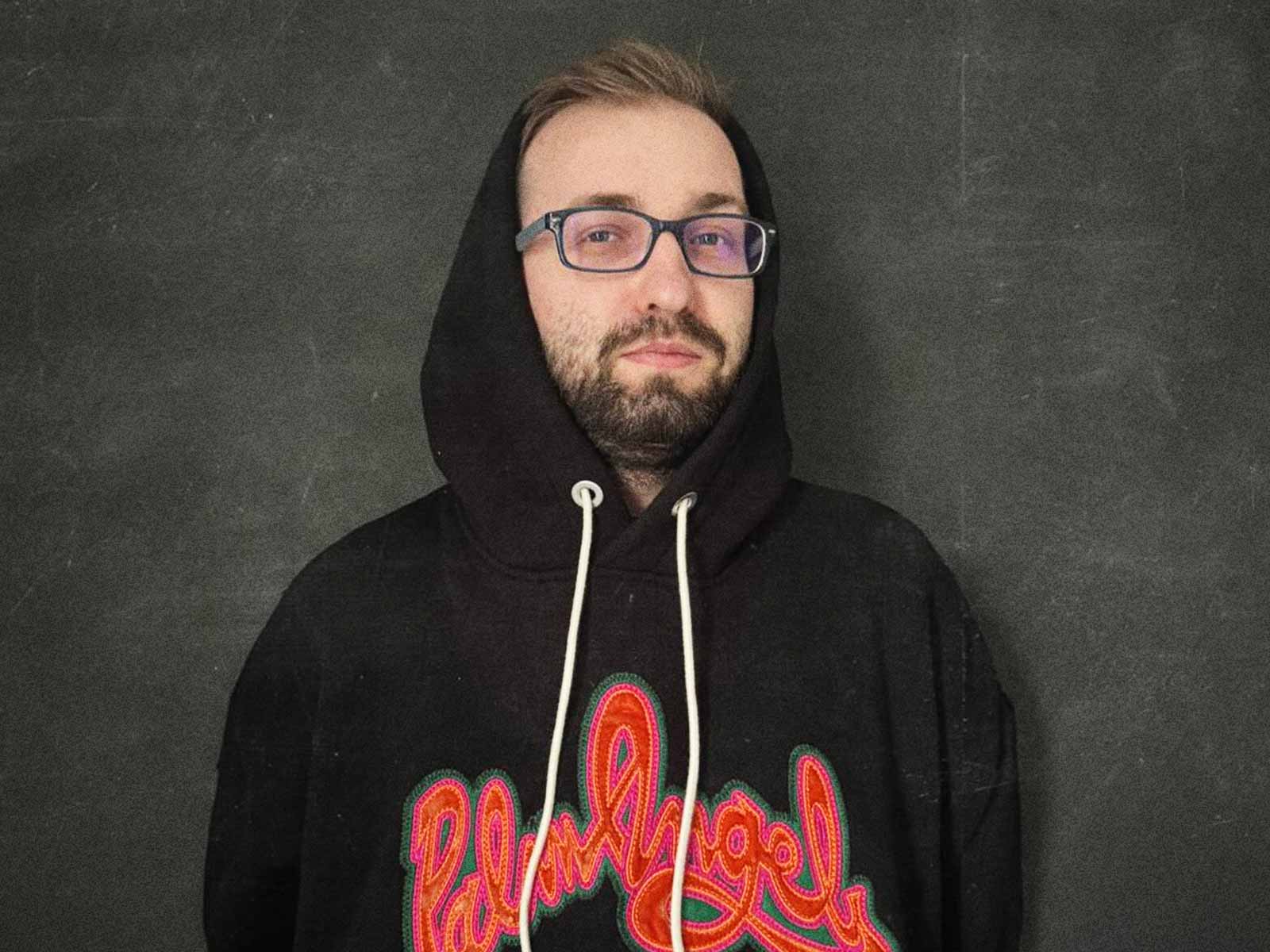
Dmytro,
Head of Buying & co-founder, Fellows Team
Media buying is now a race where the main thing is "who pays more", not "with whom you grow for a long time". People are changing teams quickly, not always because of problems, but simply because they want to get faster and more. And this is understandable - the market is dynamic, the rhythm is frantic. But from my experience, development comes not where it's easier, but where you are systematically worked with.
We have a different approach to buyers, where each one is a strategist, so to speak, and leads his own direction and makes decisions. It's about autonomy, without micromanagement. Because when you are trusted to make decisions, you start to think more broadly. And when there is mutual trust, the team holds together even in turbulence. And, frankly, this is what matters most.
The infrastructure at Fellows is not a matter of pride, but a form of respect for people. They don't shoot videos from the office, or build a brand around coffee machines or chat zones. Everything you need to work effectively is simply there. Decent conditions, timely payments, clear HR support and technical facilities are not a privilege, but the norm. Because in a professional environment, comfort should not be a competitive advantage - it is only the basis for results. And this is also where the restrained approach comes in: no demonstrations, no unnecessary noise, but with deep humanity.
The years 2024-2025 were challenging for the industry: algorithm changes, falling conversions, and reduced offers. Many teams lost momentum, some simply disappeared from the market. Fellows Team stayed - not because they were lucky, but because they acted. When the market was stormy, they gathered the core of their people, shared responsibility, and kept moving. The company is not used to running away from problems, but rather to analyzing them. This allowed them to survive and even grow.
Today, the Fellows are not just stable - they have become an example of how consistency and honesty still matter in a field where hype often wins. Many professionals who once left to try other teams eventually returned. The Fellows do not hide the fact that such stories are the best testament to their culture. "It's humanly better here," say those who have returned. And this simple phrase captures the essence of the company: no loud promises, but real relationships based not on words but on mutual respect. It's hard to be real in a world where everyone is trying to be liked.
Fellows Team They do not create an ideal image, do not engage in excessive self-promotion, and do not measure success by the number of media mentions. Their reputation is built on their work, their stability, and the way their partners talk about them among themselves. For the team, "being real" means staying honest even when it would be easier to color the result. It is about the ability to keep your word, even if the context changes. It's about working without falsehood. And it was this habit of saying less but doing more that turned them into a mature team. Many companies formulate values in texts.
У Fellows Team These principles have long since become everyday practice. "Less talk, more action" has become a muscle memory rather than a slogan. Their philosophy is evident in everything from their campaign decisions to the way they interact with each other. Fellows grew up not on hype, but on stability. They have proven that it is possible to be both professional and human in media buying. And perhaps that's why they attract not with hype, but with calmness - the calmness that you feel when a team really loves what they do.
Важливо
In an industry where the majority is trying to sound louder, Fellows Team Their strength is not in words or publicity, but in the consistency seen by those who work with them. And it seems that it is this silence that speaks the loudest about them.
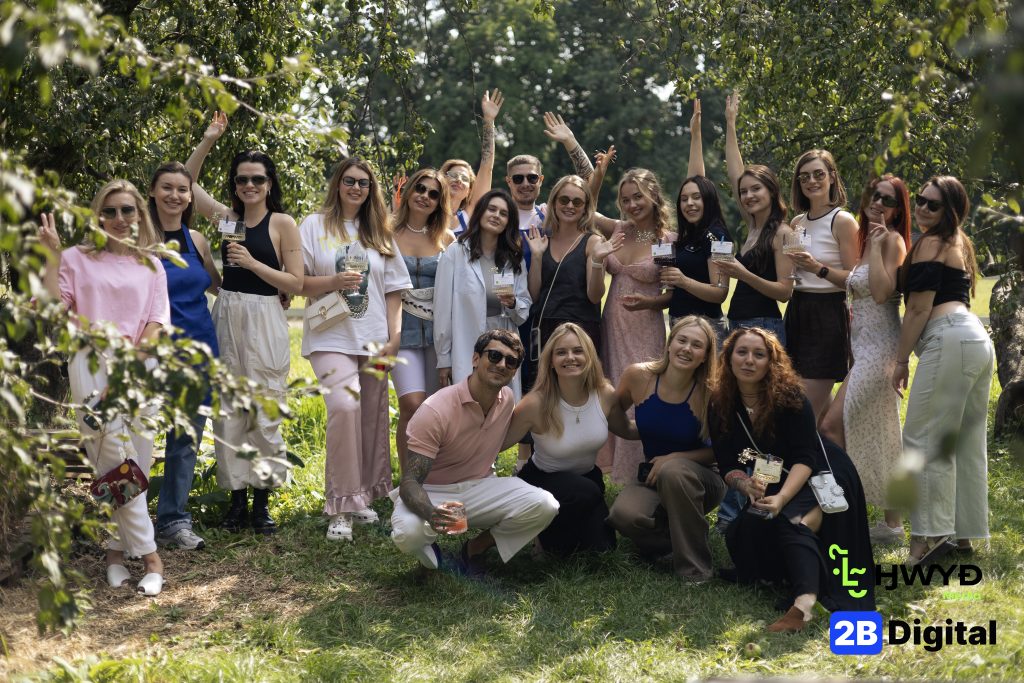
AFFHUB launched the CPA VOICE 2025 award to recognize the teams that are moving arbitration forward: creating new formats, pushing the boundaries of the industry, and building a community around shared values. For HOW WAS YOUR DAY MEDIA, this event was special because it was our debut at the award, and it was held in partnership with those who share our values - 2B DIGITAL.
Together, we organized the HOW WAS YOUR ART event, an offline event for the soul that brought together industry representatives outside of work.
We created a collaboration that showed that there is another side of the industry beyond offices, analytics, and mergers - a human, creative, deep one.
This joint initiative is presented in the Collaboration of the Year nomination because it is an example of a partnership that includes not only ideas but also sincerity, trust, and genuine support. And our friends from 2B DIGITAL are also participating in the Breakthrough of the Year nomination this year, and we are confident that both of these stories are worthy of winning.
Collaboration of the Year
Of course, it's too early to summarize the year's results - two and a half months of 2025 are still ahead. Someone may jump into the last carriage, come up with something unpredictable and image-shocking - who knows. But we, HOW WAS YOUR DAY MEDIA, have an inner feeling that our collaboration with 2B DIGITAL will be hard to beat.
Together, HWYD and 2B DIGITAL have created something significantly new in the industry - an offline event for the soul! Yes, it's indirectly about networking, maybe even about exchanging contacts and getting to know each other (no one forbids guests to socialize), but the main idea is to strengthen the community. The event was called HOW WAS YOUR ART, and it featured a beautiful Provence location decorated with lush bouquets of fresh flowers, a long table with prepared easels, paints, and other necessary artistic tools. Prosecco and wine in exquisite wine glasses... Two professional artist-mentors who helped our guests realize their creative ideas...
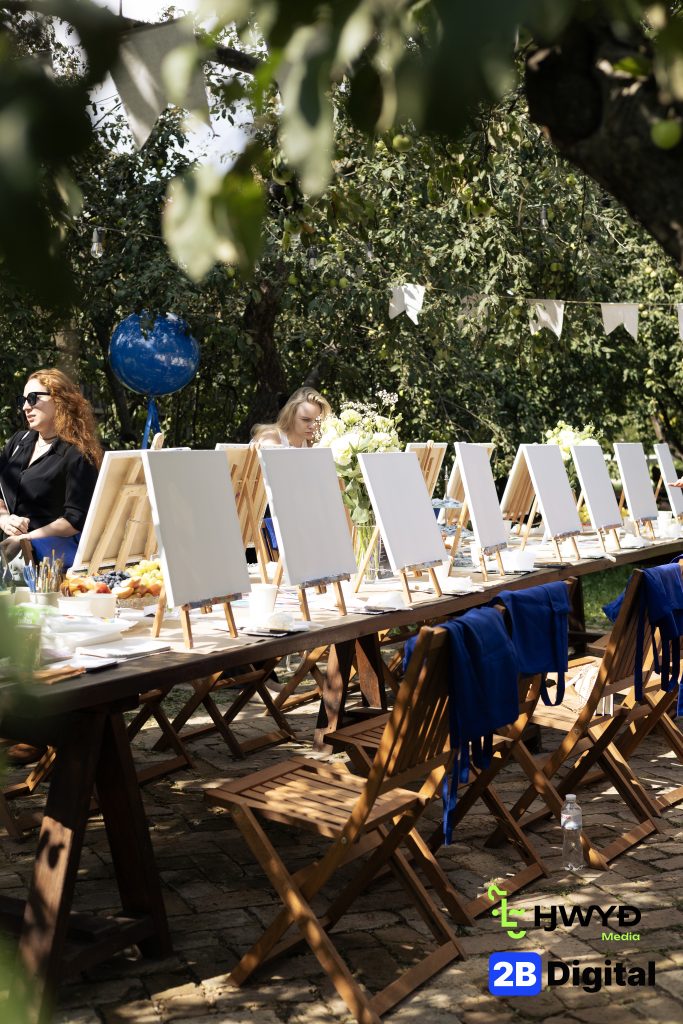
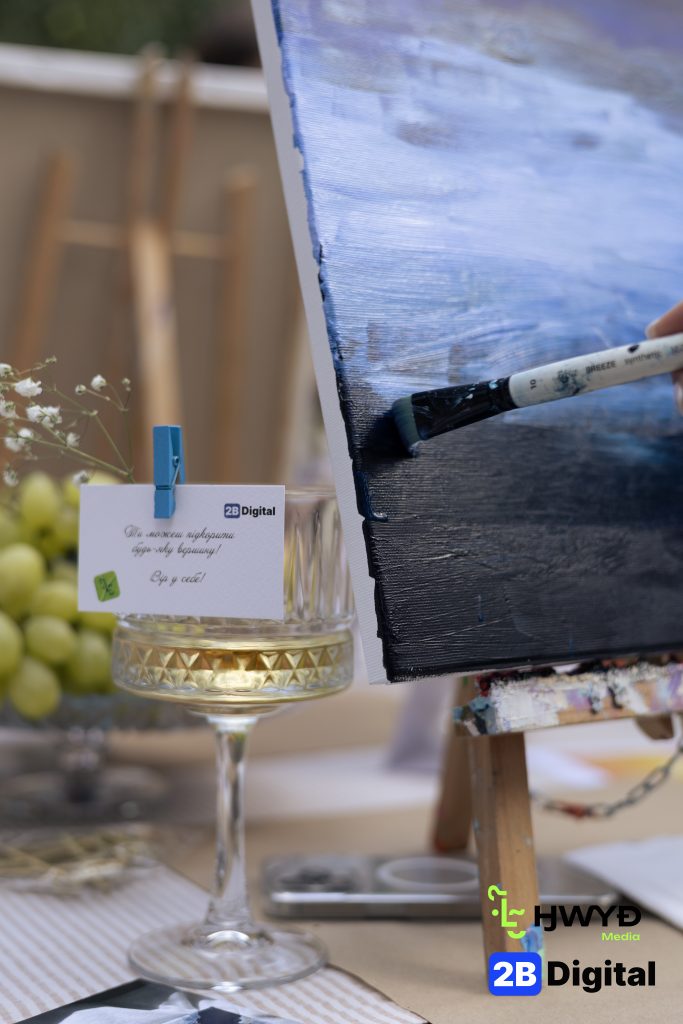
We managed not just to gather representatives of the industry, but to spend a magical day together without any selfish intentions, to talk about things that are far from work, to find out who lives what and what they dream about. Behind the people whose faces you see at conferences every time, stories, dreams, and art began to reveal themselves. Our guests talked about their travels, which they remembered for the rest of their lives, drew them and left the pictures as a memento; they talked about symbols in their personal lives and also drew them. Each of the 20 guests spoke in a warm, friendly company about their own works of art that they managed to depict as part of HOW WAS YOUR ART.
This collaboration between HWYD and 2B DIGITAL demonstrated that the field can be much broader than just work; proved that friendship and mutual support exist between the companies, and most importantly, revealed the stories and spiritual potential of well-known and well-known figures in the arbitration world. Thanks to the impetus of 2B DIGITAL's support, HWYD realized its plan and continued a series of warm meetings that continue to this day.
We appreciate this collaboration and consider it worthy of being nominated for the Collaboration of the Year award at AFFHUB CPA VOICE 2025. We will be grateful to each and every one of you who will support us with your voice! This will make us more recognizable and will allow even more of our colleagues to join HWYD/2B events.
This partnership was HWYD's first major joint project and a real start into the world of awards. And for 2B DIGITAL, it was an important stage of growth, which they developed throughout the year. The team made a powerful debut: from bright ideas to their own formats and non-standard campaigns that set a new pace in the industry. That is why when it comes to the Breakthrough of the Year, we are proud to talk about them.
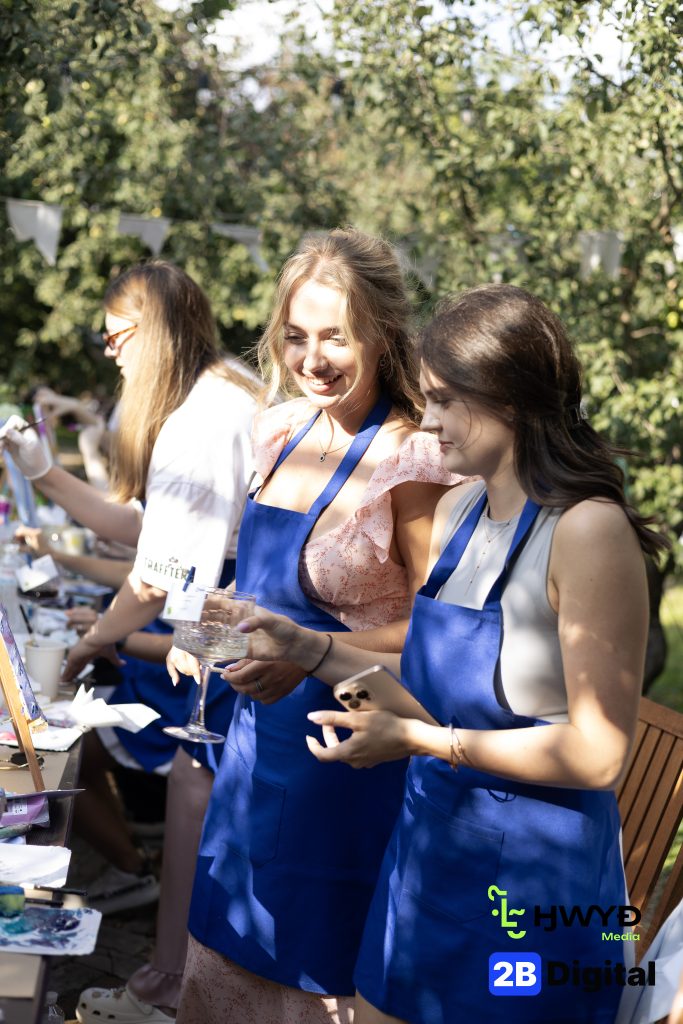
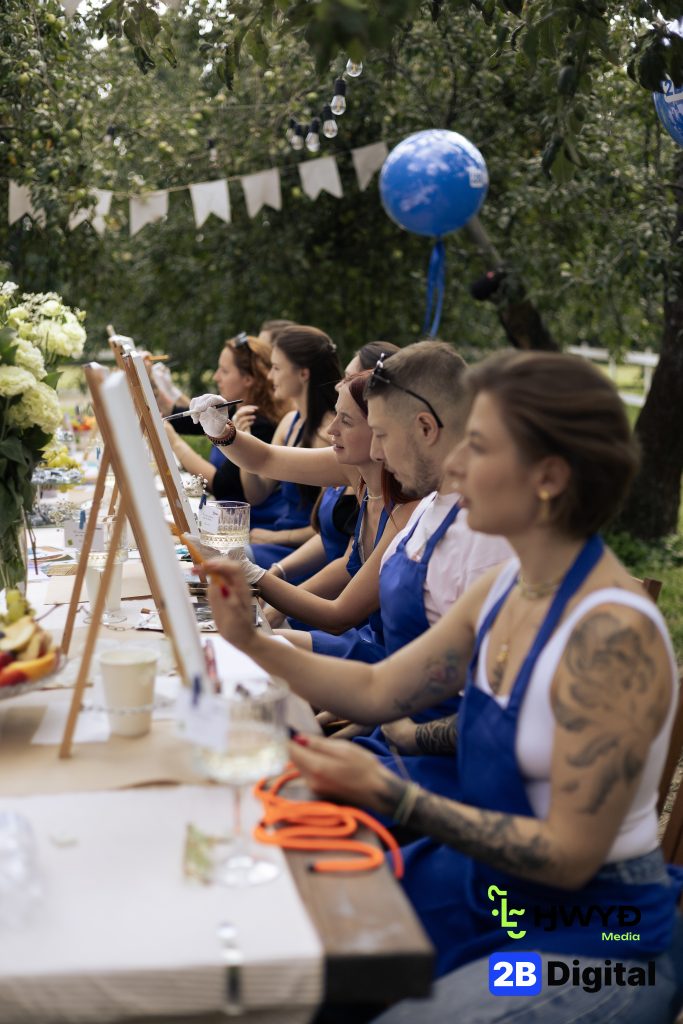
2B Digital - Breakthrough of the Year
And it is no coincidence that it was 2B Digital is running for this year's AFFHUB CPA Voice award in the Breakthrough of the Year category. After all, they truly embody the word "breakthrough" in all its senses. It all started with the agency account service, which has become a real anti-ban solution for dozens of teams.
Today, 2B Digital is an avatar in the world of arbitration, an ecosystem that connects:
- Meta and Google agency accounts
- PWA-designer
- creative department
- Telegram bots for traffic
- in-house media buying department.
Together, they create a complete filling cycle that works smoothly as a single mechanism. And this is not just a technical structure - it is a team of 25 people that has grown from scratch in just one year.
The power of 2B is in people. In the synergy where everyone understands the brand's mission, works honestly, takes risks, tests, creates new things - and does more than is expected of them. They are the ones who think outside the box, are creative and courageous, and go beyond the boundaries of what is allowed. You've definitely seen their viral videos - a video with the squid game prototype, teasers for the joint event with YoSa - Affiliate Morning Club, which was held for the first time in Kyiv.
A debut that everyone will remember
In its first year of operation, the 2B Digital team took part in the AFFHUB conference in Lviv, where it made its first appearance with its own stand. At that time, they presented themselves as a new arbitrage ecosystem, presented partners with stylish branded merchandise, and, as always, made a show of themselves.
The guests of the event remembered for a long time the blue fur coat that was tried on, touched, and photographed by almost everyone who passed by. These are the details that make up the identity of the brand, which has a character - bold, cheerful and lively. Moreover, this year, 2B Digital recorded and released its first arbitration song - a real anthem of the company, a soundtrack that rips and rocks.
A campaign that will be remembered
They even turned their participation in the award into a creative performance. 2B Digital applied for Breakthrough of the Year, but did it in their own way - they launched a PR campaign in the style of political elections.
Everything we are used to seeing in the real political arena
Tents, banners by the roads, buckwheat and notebooks "for votes", the address of the "candidate for president of the arbitration", loud slogans.
They humorously ridiculed the most crass moments of political campaigns and subtly interpreted them in our field - just for fun. But there is real power behind this irony. A strong team that takes risks, tests, implements new things, works honestly, cares about partners and values its reputation.
Such a company doesn't just break through, it changes the culture of the industry. We sincerely believe that 2B Digital deserves the title of Breakthrough of the Year, and our joint story with HWYD is definitely Collaboration of the Year. We will be grateful to everyone who supports us with their vote. Together, we show that arbitration is not just about work, it is about people, community, ideas, drive, and the soul of the industry.
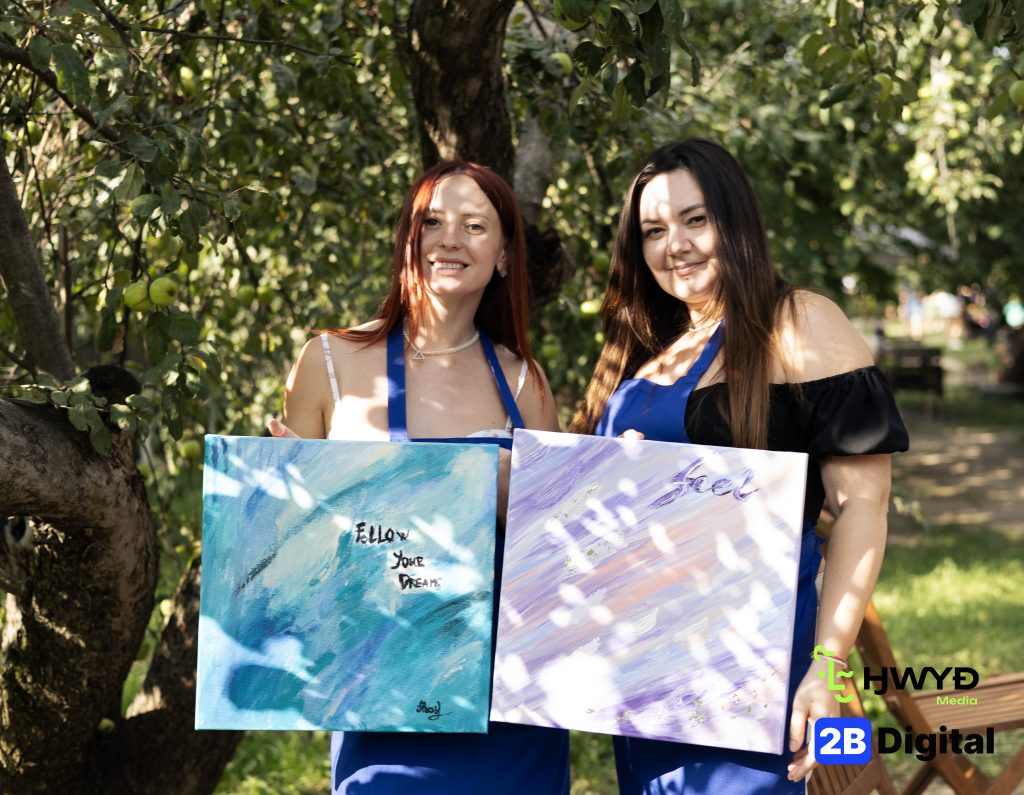
Важливо
Register at: https://awards.affhub.club/,знаходь in the Breakthrough of the Year and Collaboration of the Year nominations and vote for 2B Digital and HOW WAS YOUR DAY!
This year's voting mechanism consists of several stages to ensure transparency of the results:
- Register at award website .
- Enter all the requested data.
- Verify email, phone number, and Instagram or Telegram.
- Wait a few minutes and receive a confirmation by email.
You can vote in each nomination only once.