



Behind every strong brand there are people - their decisions, character, and way of thinking, which ultimately shape the trajectory of the company. CashYard received the title of «Best Affiliate» just six months after its launch. But this time, we propose to move away from the numbers and talk about the people behind this result.
The conversation focuses on the management tandem of Olga, CEO of CashYard, and Artem, COO of the company. We asked them not only about the strategy, processes, and decisions that determine the development of the affiliate, but also about what usually remains outside the scope of business interviews: intuition, responsibility for the team, resetting at the testing ground, and sports discipline that helps keep the pace.
How to combine a clear operating system with humanity in management? Where to find drive when the market demands maximum speed? This is the subject of a big conversation with the people who form CashYard today.
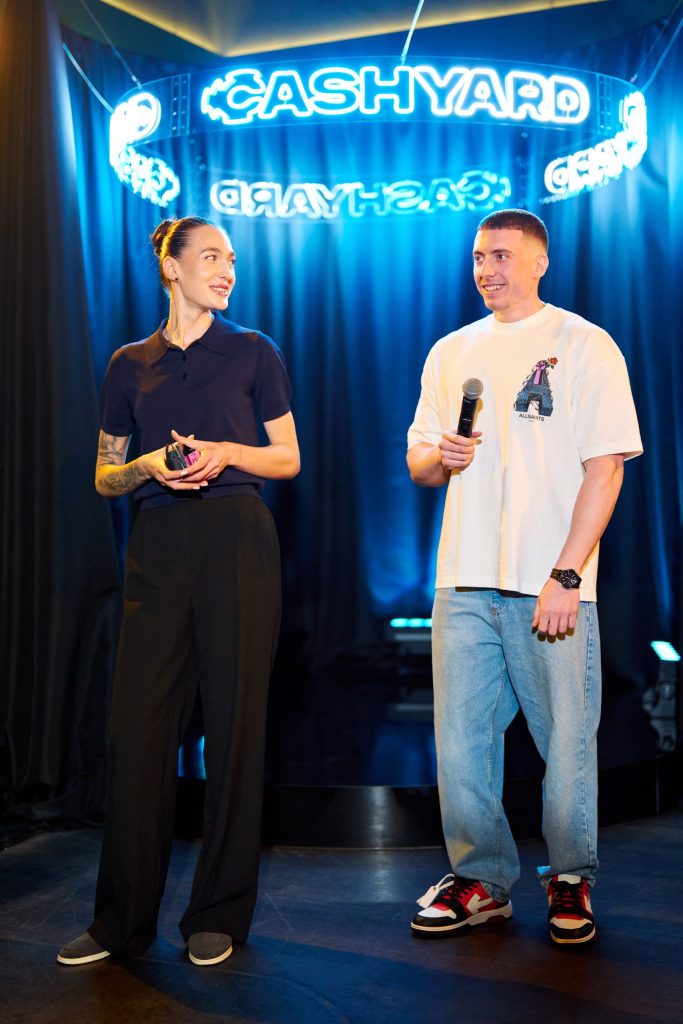
The way to affiliate
HWYD: Do you remember your first step into affiliate - how did it happen?
Olga, CEO of CashYard: Yes, it was the most random step. I was working in another field and was offered a job in the affiliate industry. That's how it all started.
HWYD: Was it a conscious choice or more of an accident?
Olga, CEO of CashYard: At first, it was an accident, of course. But after a while, it became a conscious choice to continue developing in this area.
HWYD: What stuck with you the most in the industry then?
Olga, CEO of CashYard: It's hard to say, because at that time I wasn't familiar with this area at all. Many things were discovered in the process of work.
HWYD: What was your entry point to affiliate?
Artem, COO of CashYard: I started by launching ads and working with partners. Over time, I began to understand more about how the operating system works.
HWYD: At what point did you realize that you wanted to stay in this field?
Artem, COO of CashYard: When I saw how quickly the result could be scaled up if the processes were built correctly.
HWYD: What did you find the least obvious or most challenging at the start of your work?
Artem, COO of CashYard: The number of nuances in working with traffic and partners. Many things become clear only with experience.
Formation in the field of
HWYD: What period in your career has shaped you the most as a leader?
Olga, CEO of CashYard: It was the time when we had to make decisions quickly and take responsibility for the results of the entire team.
HWYD: What is it about your character that helps you the most in your role as CEO today?
Olga, CEO of CashYard: Ability to see the bigger picture and quickly adapt to changes.
HWYD: What work tasks give you the most energy?
Olga, CEO of CashYard: Strategy, development of partnerships and launch of new directions.
HWYD: What experience has most influenced your approach to operations?
Artem, COO of CashYard: Work in new projects where all processes were built from scratch.
HWYD: What are you personally responsible for and control in your work today?
Artem, COO of CashYard: Operational processes, system stability, and interaction with partners.
HWYD: What tasks in your work give you the greatest professional drive?
Artem, COO of CashYard: Optimizing processes and building a system that works stably even with growth.
Work style
HWYD: How do you usually make difficult decisions - more through numbers or through feelings?
Olga, CEO of CashYard: Most often, it's the numbers, but intuition also plays a role.
HWYD: When do you feel most responsible for the team?
Olga, CEO of CashYard: When you need to make difficult decisions that affect the entire team.
HWYD: What management habit helps you keep your focus the most?
Olga, CEO of CashYard: Set priorities clearly and don't spread yourself thin.
HWYD: What does a typical working day look like for you, without any embellishments?
Artem, COO of CashYard: A lot of communication, operational tasks and constant monitoring of processes.
HWYD: What processes are you most demanding of and why?
Artem, COO of CashYard: Those that affect the stability of the affiliate's work and its scaling.
HWYD: What operational mistake does a team most often underestimate at the start of growth?
Underestimation of process scaling and staff expansion.
About CashYard and first results
HWYD: When did you first feel that CashYard was starting to gain momentum in the market?
Olga, CEO of CashYard: When new partners began to actively come and a steady stream of traffic appeared.
HWYD: What was the team's main focus in the first months of work?
Olga, CEO of CashYard: Building trust with partners.
HWYD: What was crucial for you to get right from the very beginning?
Olga, CEO of CashYard: Transparency of work and high-quality communication with partners.
HWYD: CashYard received the «Best Affiliate» award from Buyer Media after only six months on the market. How did you manage to do it?
Olga, CEO of CashYard: Thanks to a strong team and high-quality work.
HWYD: What is the most significant result of these six months?
Olga, CEO of CashYard: Trust of partners and stable growth of indicators.
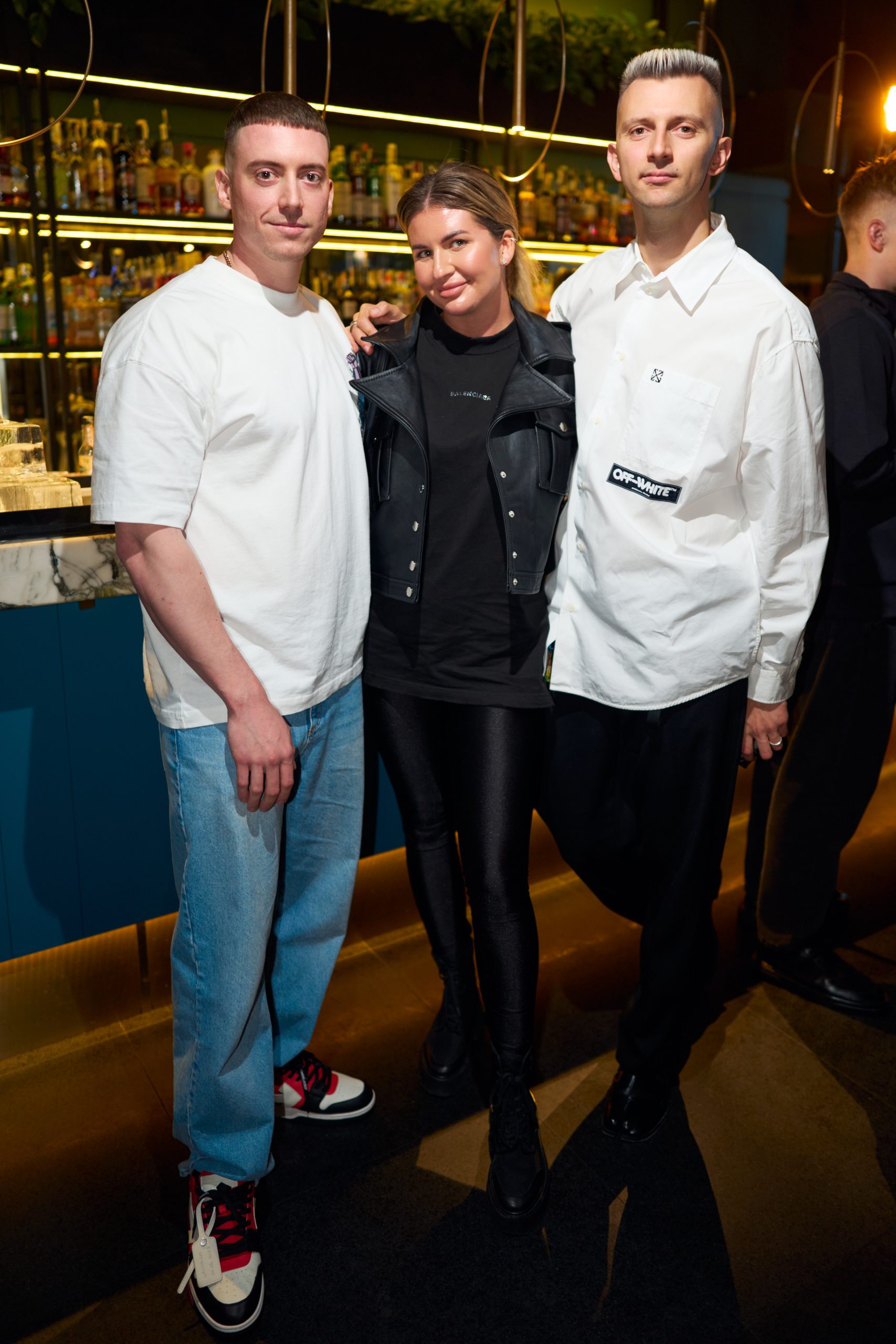
HWYD: The market has definitely noticed your online presence. Are you ready for a full-fledged offline entry?
Olga, CEO of CashYard: We have always seen online as a foundation, but not as a limit. To be honest, the market has long been pushing us to have a more visible offline presence, and we have been preparing for this. I will say this: the coming months will be very interesting for CashYard. We are planning several steps that will allow our partners to get to know us not only in chats or on calls, but also in person. And one of these moments will happen very soon. We won't reveal all the cards yet, but I advise those who follow us to take a closer look. I think that very soon we will have many reasons to say, «Let's talk offline.».
HWYD: From an operational point of view, where does a stable affiliate actually start?
Artem, COO of CashYard: From clear processes, stable payments, and transparent traffic analytics.
HWYD: What was the most difficult process to set up at the start?
Artem, COO of CashYard: Automation of processes, building an operational structure without unnecessary bureaucracy.
HWYD: Where was the most handmade in the beginning?
Artem, COO of CashYard: In building departments and their proper functioning.
HWYD: Where has CashYard become significantly stronger operationally over these six months?
Artem, COO of CashYard: Process stability and system scalability.
HWYD: Which process is more stable today than at the start?
Artem, COO of CashYard: Communication between departments.
HWYD: What kind of operational load is the team ready for now, even though it looked ambitious at the start?
Artem, COO of CashYard: To a much larger volume of traffic.
CashYard team
HWYD: Who are the people you intuitively feel are “yours” in the team?
Olga, CEO of CashYard: Those who are responsible for their work and share our values.
HWYD: What is more important to you when hiring: experience or a person's approach to work?
Olga, CEO of CashYard: Approach to work and desire to develop.
HWYD: What are you most pleased with in the team's development over these months?
Olga, CEO of CashYard: How quickly the team grows and takes responsibility.
HWYD: At what point do you realize that a person can be trusted with autonomous work?
Artem, COO of CashYard: When it consistently shows results and makes the right decisions.
HWYD: Where has the team grown the most in these six months from an operational point of view?
Artem, COO of CashYard: The speed of independent decision-making and the quality of work with partners.
HWYD: What request do you hear from webmasters most often nowadays?
Artem, COO of CashYard: Stability, unique offers, transparency of transactions, and fast payouts.
Life outside of work
HWYD: How do you usually recover from intense periods?
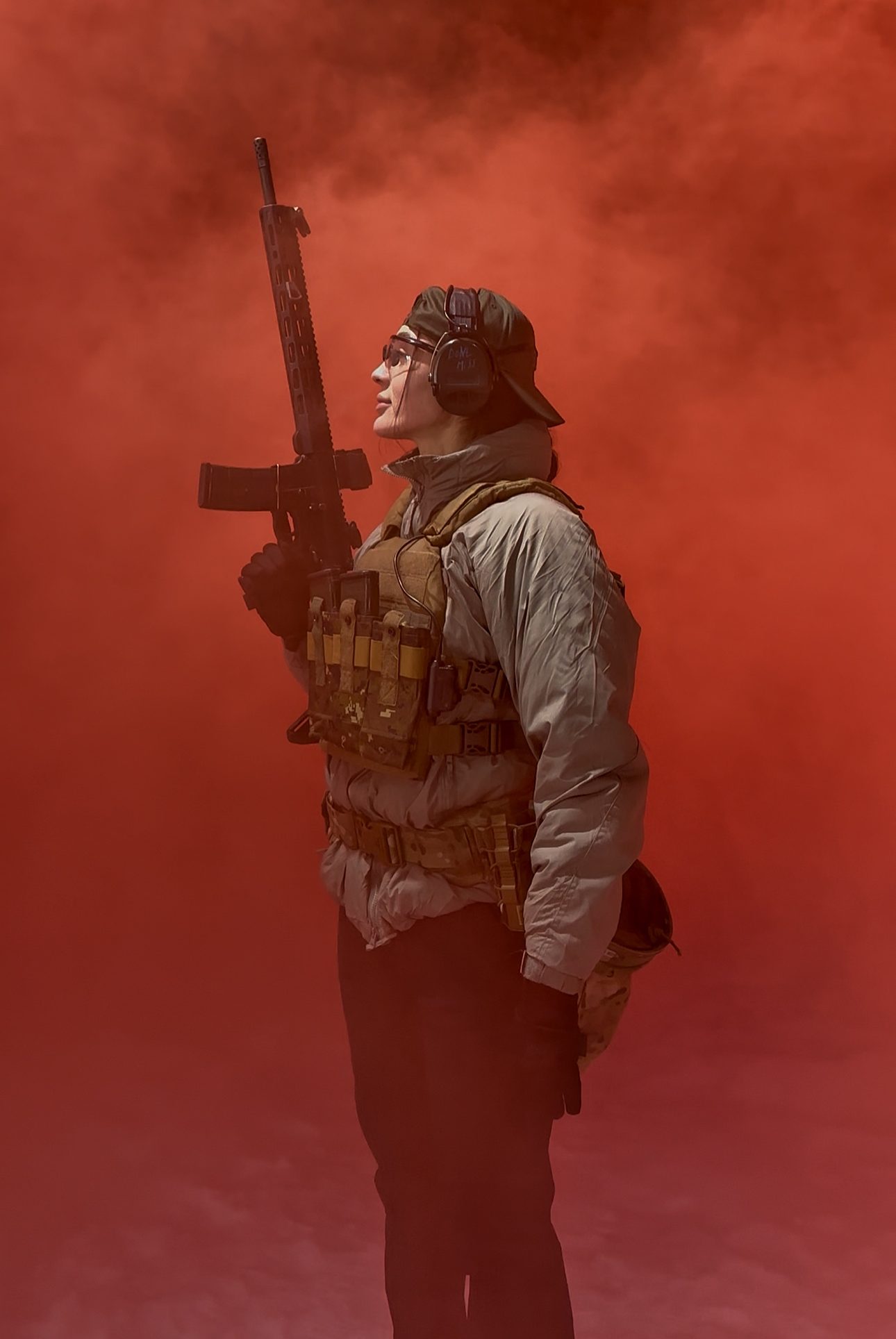
Olga, CEO of CashYard: To be honest, there is no special ritual. I can go to the shooting range and shoot, and that's enough to reboot.
HWYD: How easy is it for you to switch between work and personal life in general?
Olga, CEO of CashYard: It's not always easy, but I try to find a balance.

HWYD: What helps you to return the resource faster?
Olga, CEO of CashYard: Time with loved ones.
HWYD: How do you switch gears after hard weeks of work?
Artem, COO of CashYard: Sports, relaxing with friends.
HWYD: What helps you not to burn out at this pace?
Artem, COO of CashYard: Desire for dynamic growth of the project.
HWYD: What is the habit that keeps you balanced the most right now?
Artem, COO of CashYard: Regular sports.
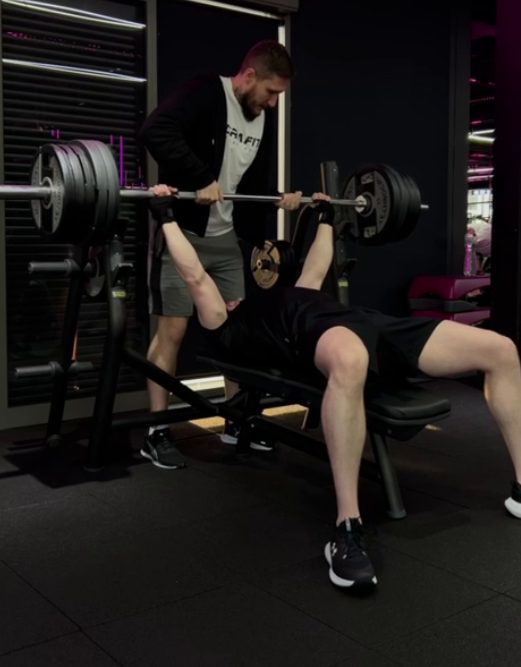
HWYD: What kind of vacation or travel format really resets you?
Olga, CEO of CashYard: Mountains and training at the training ground.
HWYD: Are there any places you are consistently drawn to return to?
Olga, CEO of CashYard: Yes, I have a few favorite places.
HWYD: What hobby most recharges you after a day at work?
Olga, CEO of CashYard: Shooting.
HWYD: What do you like to do outside of work when you have time for yourself?
Artem, COO of CashYard: Sports.
HWYD: What trip or vacation format did you remember the most over the past year?
Artem, COO of CashYard: Travel to a conference in sunny Barcelona.
HWYD: How do you see CashYard in a year's time, not only in terms of numbers but also in terms of market perception?
Olga, CEO of CashYard: We want CashYard to be associated with stability, strong partnerships, and quality work.
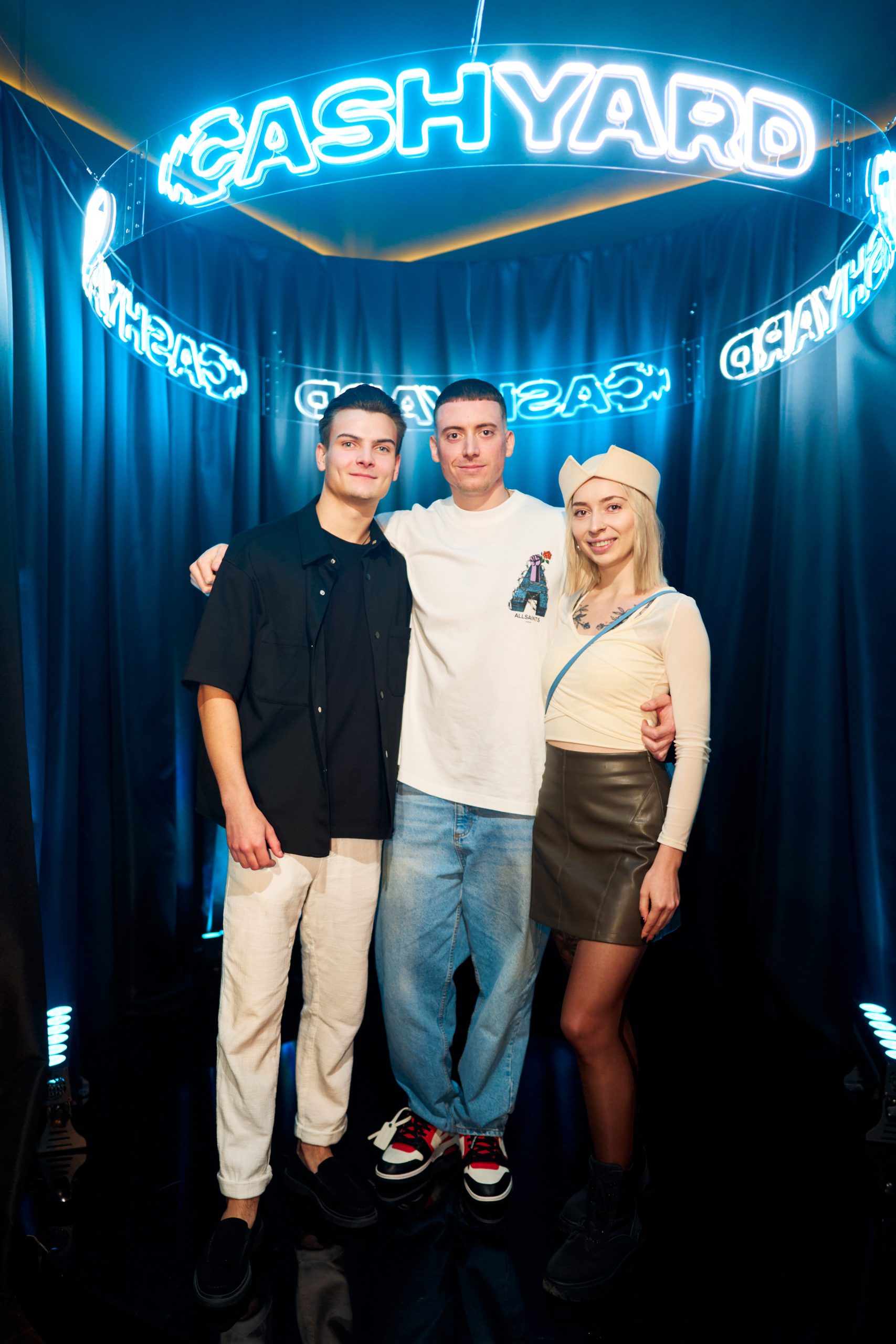
And traditionally from HWYD: what would you like to say to partners and the industry today?
Artem, COO of CashYard: We thank our partners for their trust. We continue to develop and make the product even stronger.
Важливо
This interview shows once again that behind every strong business are people whose character, habits, and way of thinking form its foundation. In talking with Olga and Artem, we can particularly feel the balance of two different but complementary energies: Olga's strategic intuition, which finds focus even during a reset at the testing ground, and Artem's operational clarity, which maintains momentum through discipline and systematicity.
It is in this tandem - where numbers are combined with feelings, and a clear management system with humanity - that the answer to the question of how CashYard gained a foothold in the market so quickly lies. When the brand is backed by such open and clear people, the partnership ceases to be just working with the platform - it becomes an interaction with a team that knows the value of its responsibility.
Today, the faces of CashYard are already well known to the industry. And the team's plans for further development and future offline steps only confirm that the pace the company set at the start is only the beginning of a great story.
Важливо
The affiliate industry is often seen as a world of cold calculation: numbers, graphs, endless tests, and the pursuit of profit. But there are real people behind every successful case, every event or service. And today, these people are writing a new story - a story about how professional excitement turns into a sincere desire to help, and earnings become a resource to support those in need.
HWYD MEDIA talked to those who set the tone in the market. And we saw that for many people, charity is not a line in a report, but something that makes their eyes shine more than another successful spill.
AFFHUB: a community where every day is for good deeds
AFFHUB - is a Ukrainian affiliate community and media platform that combines events, educational content, and media for the arbitration community. They operate at the intersection of networking and expertise: they help newcomers enter the industry and help experienced players stay connected to the market and each other.
The AFFHUB format itself was originally built around the idea of community. In a field where competition is high and changes occur every week, they relied on mutual support as a core value. And charity naturally grew out of this culture - not as a separate area, but as a continuation of the internal logic of the community.
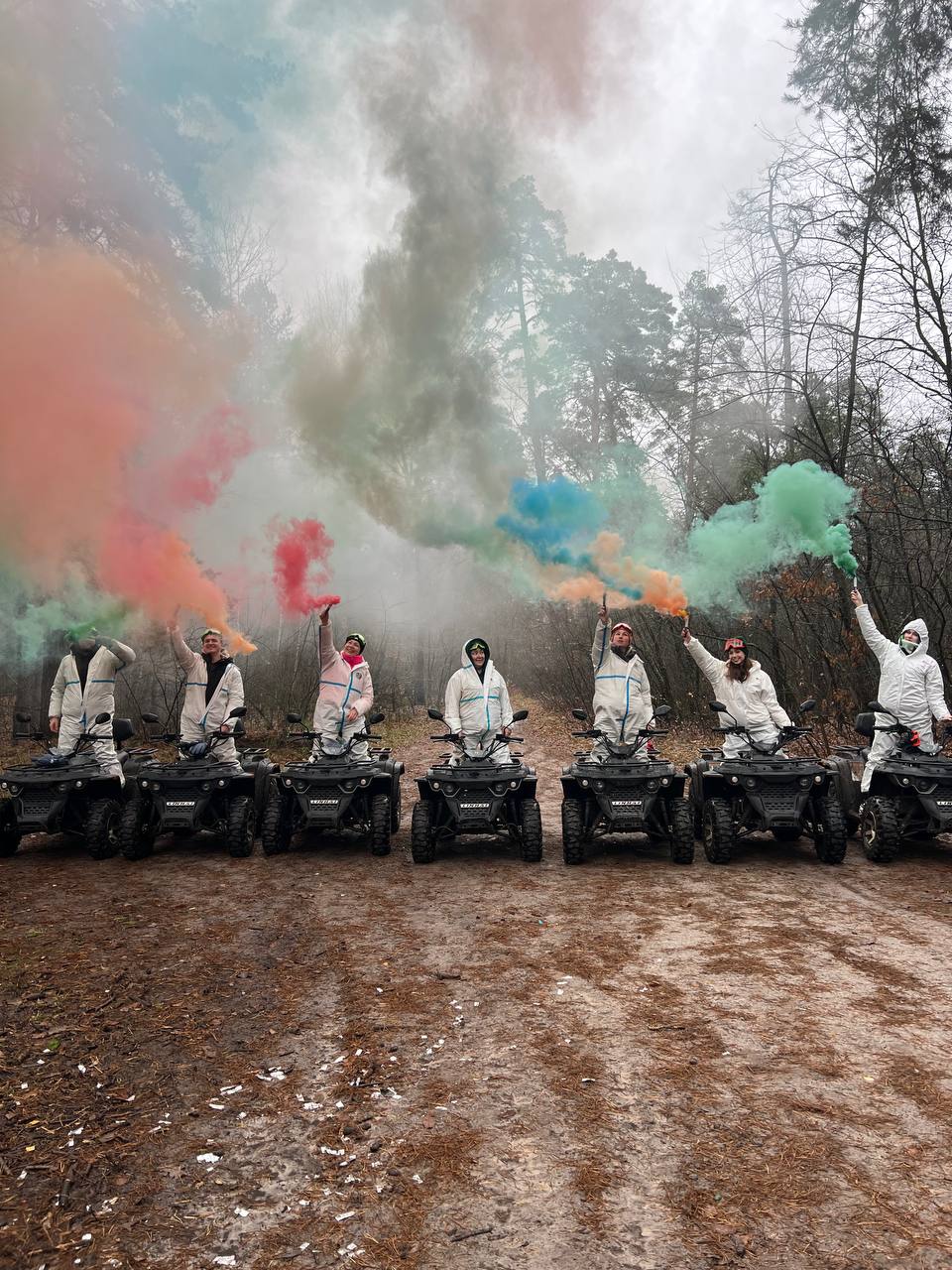
In 2025, the team launched the initiative One Day For Good Things - a format of regular, systematic assistance. Every month, AFFHUB teams up with a new partner to address a specific social need: support for the military, assistance to the elderly, orphanages, or animal shelters. These are not one-time events or ad hoc fundraisers. It is a rhythm in which charity becomes an expected part of community life.
At the same time, charity auctions have become a regular feature of their events. Participants come for networking, but leave with the understanding that they have become part of something bigger. It's not just the amount of money raised that matters here - it's the mechanics of collective action itself. The industry is learning to help together.
Важливо
The team emphasizes that there are no “secondary” cases for them. Each initiative is important because it has specific stories behind it. And it is this attention to the human dimension that distinguishes AFFHUB's approach from formal charity. As a result, for AFFHUB, charity has become not an add-on to its activities, but a part of its identity. The community built around the profession is gradually turning into an environment of mutual support - and this changes not only the market, but also the people within it.
Wintevents and ANS: when networking becomes a salvation
Wintevents - is an international event agency specializing in organizing affiliate events around the world. Their job is to create platforms where advertisers, buyers, partners, and teams meet, and business turns into long-term relationships. But over time, these events have acquired another function - charity.
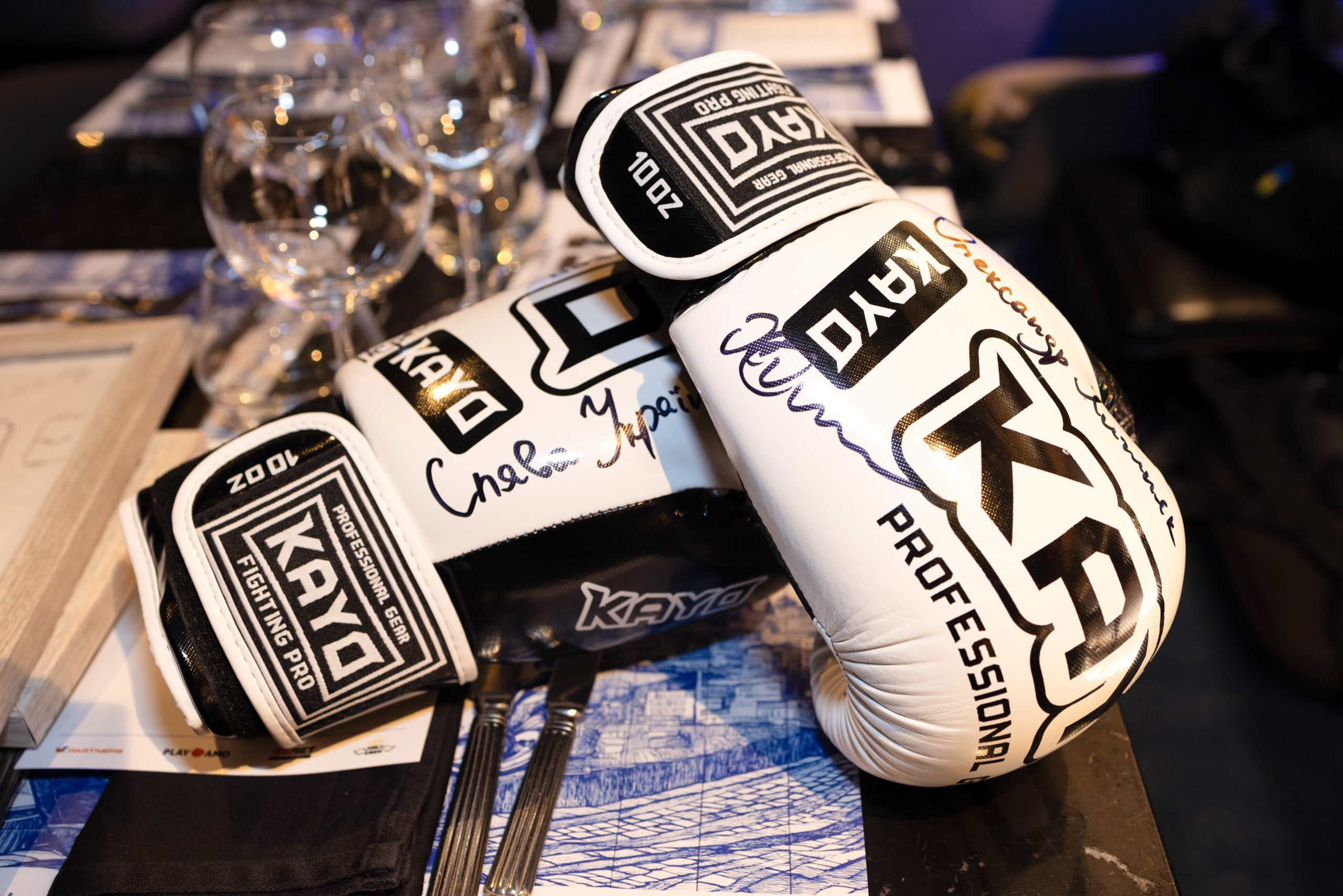
Within the series Affiliate Networking Series (ANS) The team has made charity auctions an integral part of each event. This is important: help here is not a “separate item on the program”. It is built into the very structure of the meetings. Participants come for networking and automatically become a part of the collection. In recent months, ANS auctions have been held in London, Lisbon, Rome, Barcelona, Dubai, and Warsaw. Each city had its own result and specific targeted cases of assistance.
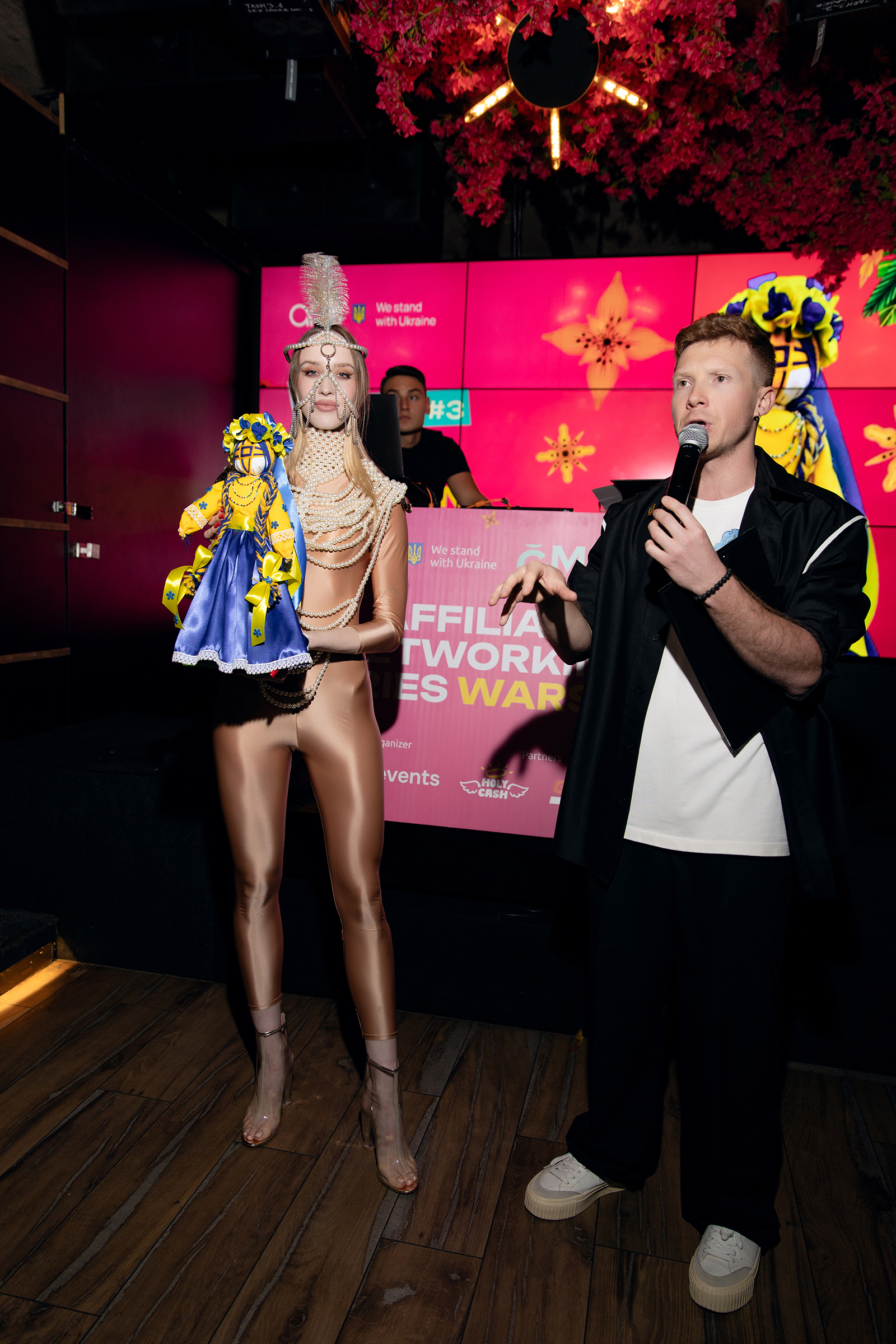
ANS Dubai 2023 was the most indicative. record $68 000. These funds turned into real things: components for medical equipment, medicines, equipment for mobile hospitals, mine safety training for children in Chernihiv region, and support for an art school in Luhansk region. And even in 2026, the team continues to scale this area. Over the past six months, the auctions have raised another €13,000.
Важливо
For Wintevents, charity is no longer an addition to the event, but a meaningful part of it: proof that the business community can build partnerships and save lives at the same time.
Rockit Media: a chance for change that requires patience
Rockit Media - is a Ukrainian media band that has been active in the affiliate marketing market in the gambling vertical for over six years. Since the beginning of the full-scale invasion, Rockit CEO Oleg and his colleagues have founded a charity foundation “A chance for change” to help defenders and victims of military aggression, children deprived of parental care.
At the early stage, it was emergency assistance: food packages, closing of specific military requests, and housing restoration. Thanks to the foundation's work, we managed to repair more than 60 houses in the Kyiv region. But over time, the focus shifted to helping children left without parental care. In addition to financial support, the Chance for Change Foundation has launched a psychological education program for children and a mentoring program for teenagers, which you can also join.
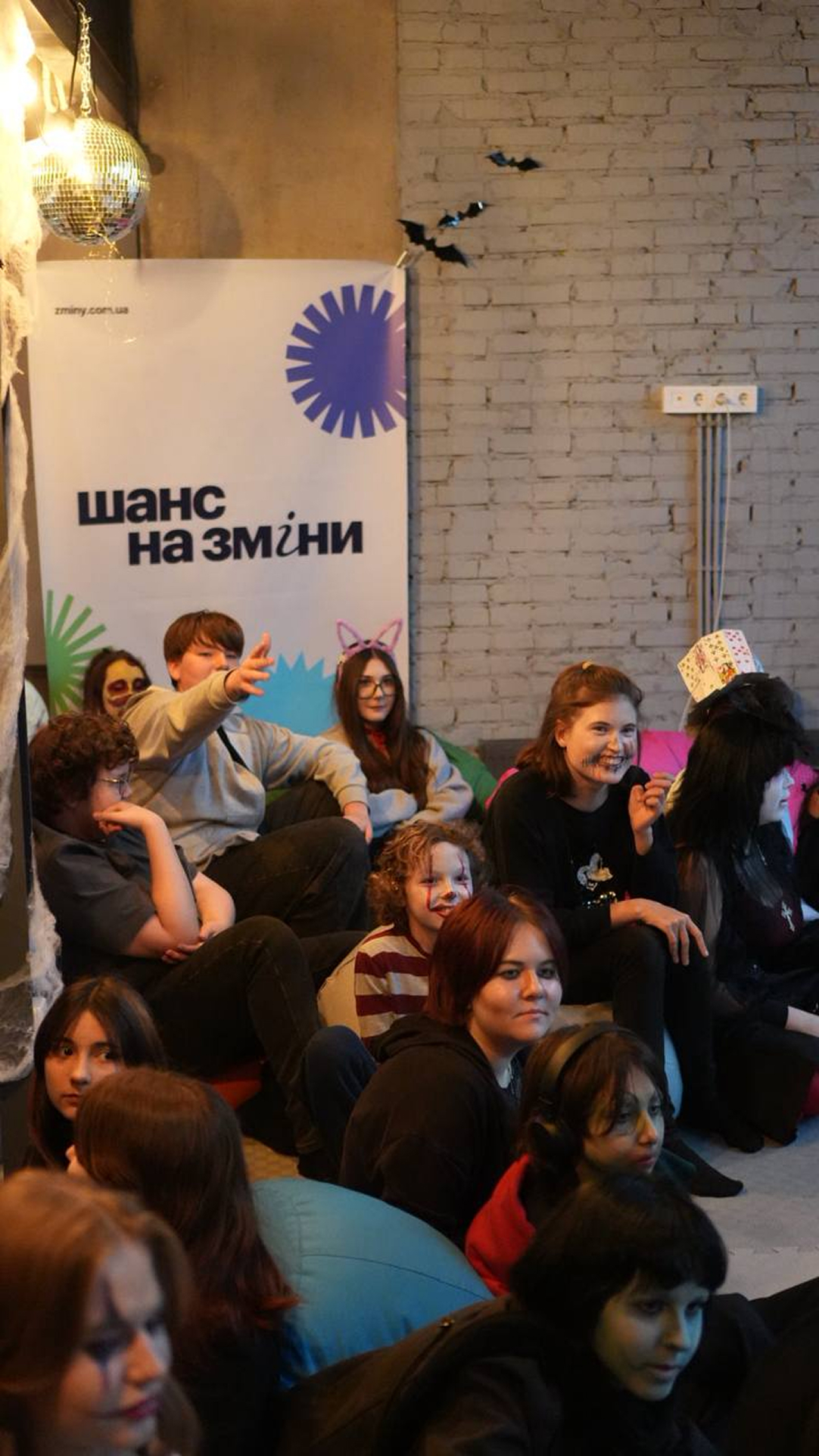
The most illustrative case for the foundation was one that did not end in the expected success. For a whole year, the team tried to fulfill the long-held dream of a girl from an orphanage to enter medical school. Tutors, separate housing, preparation for admission, and finally the girl started her studies. But faced with the complexity of the program and the constant workload, she decided to leave the college and returned to the orphanage. This story revealed an important limit of charity: even the biggest help cannot change a child and her desire to move forward.
Важливо
However, the Foundation did not give up and continues to help teenagers get their chance for change. Currently, the Foundation's programs cover more than 160 children and this year they plan to scale up by launching the program in other cities of Ukraine.
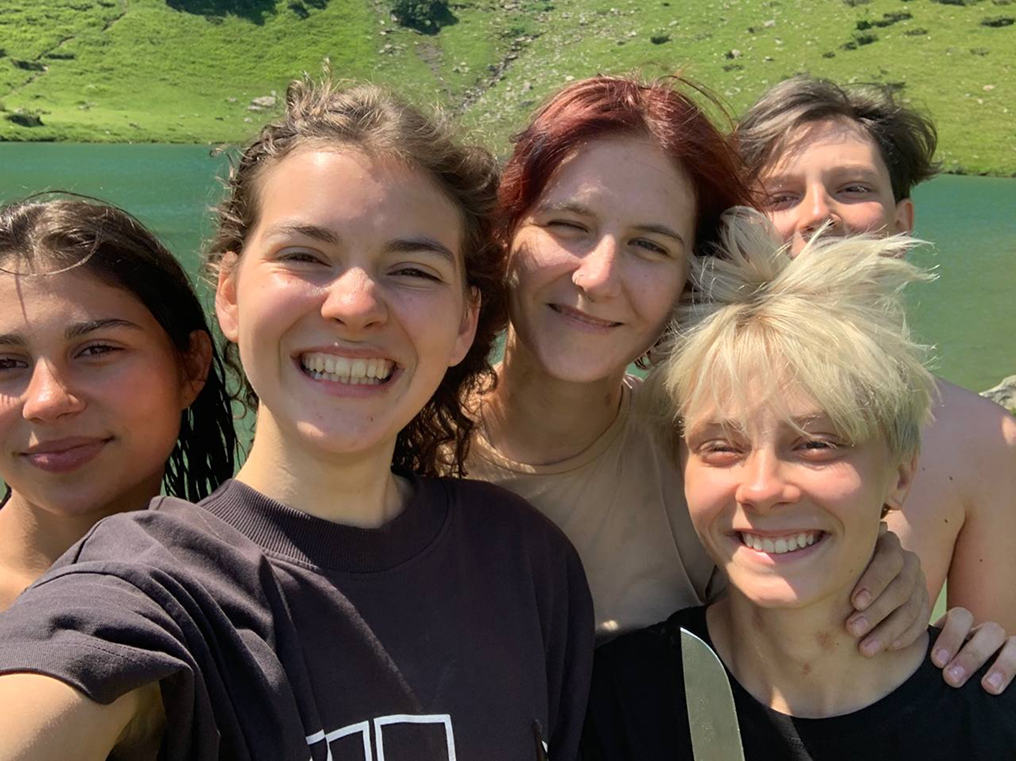
LEGENDS TEAM: consistency that saves lives
LEGENDS TEAM - an affiliate team that works with several market verticals and builds internal analytical systems to scale traffic. In their corporate culture, charity does not exist separately from work - it is integrated into the company's structure.
Fund 603.7, created by the team's co-founders, has become not a one-time project but a stable assistance infrastructure. Its task is to respond to specific requests from Ukrainians as quickly and transparently as possible. In four years, the foundation's initiatives have raised more than $5 million, and there are thousands of real stories behind these figures.
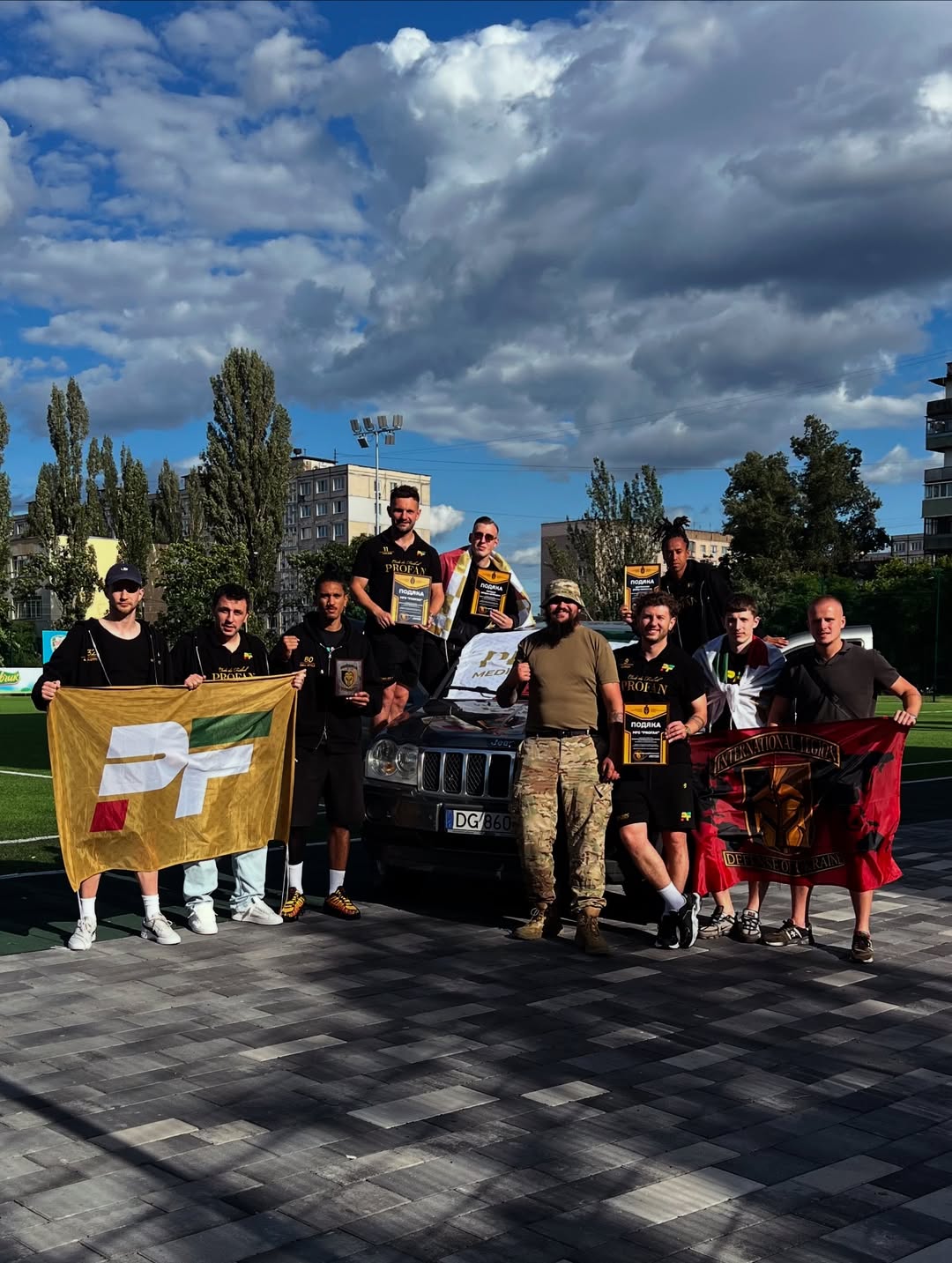
The peculiarity of the LEGENDS approach is the decentralization of assistance. Within the company, individual teams independently initiate collections, support volunteer projects, and engage partners. This creates a different culture: employees see the result of their help and feel directly connected to those who need it.
Важливо
For LEGENDS, charity is about managing resources with maximum efficiency. Where business thinks on a large scale, help also becomes large-scale. And the main thing is that this process is not tied to crises or news events. It is a constant work. Charity here exists as a long-term commitment, not a reaction to an event.
Stars Partners: caring for those who cannot ask for help
Stars Partners - is an affiliate program that combines exclusive offers and strong product expertise. They are looking for the best traffic and are ready to offer high rates with transparent conditions.
Within the company, charity is organized as systematically as business: not through chaotic actions, but through a clear model of regular assistance.
Stars Partners were the first to launch open format Charity - an initiative that anyone in the partner ecosystem can join. This is important: charity here is not closed within the company, it works as a collective action. The goal is to unite people around a shared responsibility.
The main focus of Stars Partners is animal shelters. And these are not symbolic donations. The team works on a targeted basis: shelters send a list of specific needs, after which everything they need is purchased - medicines, food, warm blankets, equipment. This approach allows us to respond to real requests as accurately as possible.
The shelter in Lisbon was a particularly emotional experience. An unfinished space, only four employees and 150 dogs surviving in difficult conditions. This trip was a turning point for the team: charity ceased to be an abstract concept and turned into a personal story. After this meeting, the assistance to the shelter became systematic. For many employees, it is no longer a corporate initiative, but their own responsibility.
Важливо
Stars Partners show that business can be strong not only in negotiations but also in the ability to protect those who cannot protect themselves.
Важливо
The affiliate community today is more than just a traffic industry. It is an environment of people who have learned to convert their professional success into a real impact on the lives of others.
Today, everyone notices how the market is becoming more mature, deeper and kinder. And these stories remind us that no matter what we do, our main mission is to remain human. And speaking in industry terms, our affiliates definitely show a very high ROI in this area.
Важливо
The topic of being "sucked in" by the market for life has long been discussed in the community. According to our observations, most people believe that once you're in a niche, you can't leave it. Money, status, acquaintances - all this does not let go.
However, there are opposite cases.
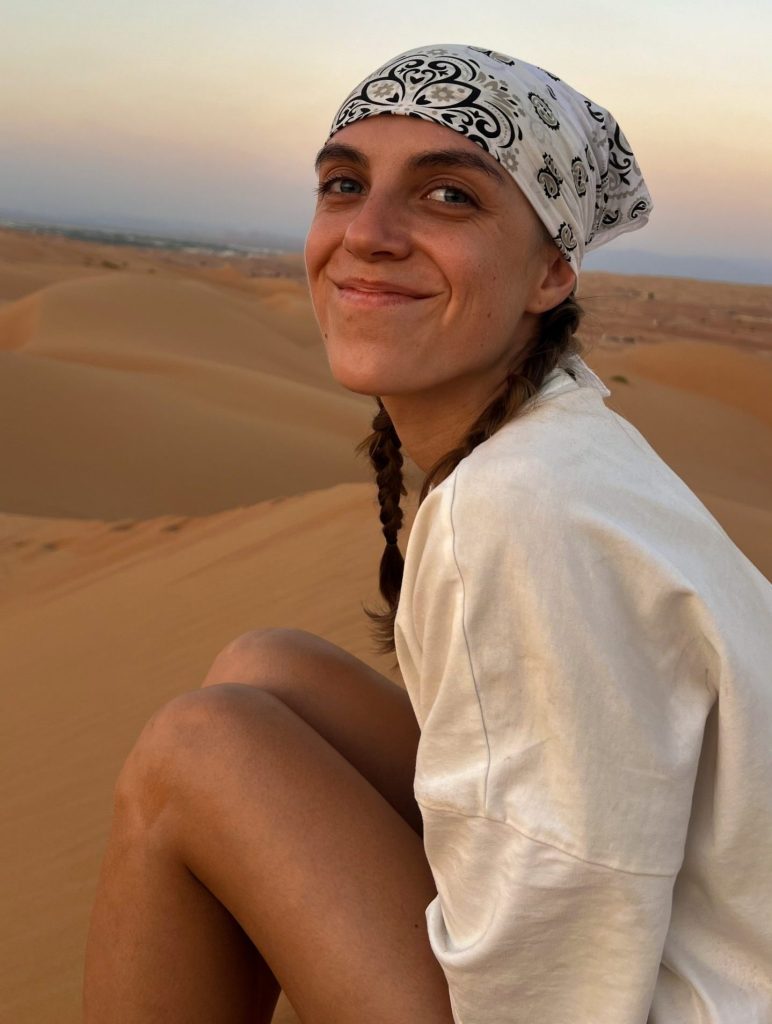
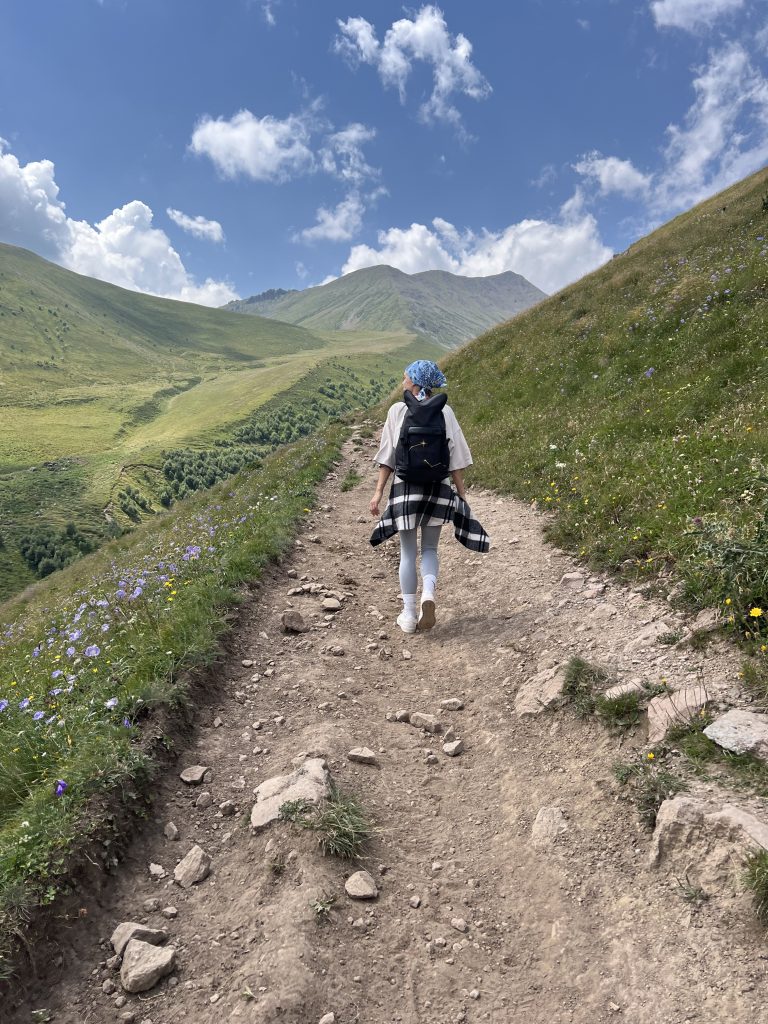
HWYD editors talked to Vita, an ex-Marketing Team Lead at the reseller partner. Nowadays, Vita crosses the desert dunes in Oman, travels among the islands of the Raja Ampat archipelago by kayak, climbs the mountain trails of Georgia, and recently went on a motorcycle expedition in Africa with her boyfriend.
She plans to write her own blog and create unique author tours. Read how she managed to do it and whether she regrets her choice in this article from the narrator's own mouth.
Kostya, editor-in-chief of HWYD
Vita: Oooh, where to start 😅 In fact, quitting my stable job and plunging into complete obscurity was one of the best and at the same time one of the most difficult decisions of my life!
Behind this were doubts, fears, love, big dreams and ambitions. That's why my little confession is for your attention.
HWYD: How did you get into the industry?
Vita: It all started with the fact that I came to this market without having any idea what affiliate, traffic, verticals, and gambling were. It was a dark forest for me. I accidentally came across a vacancy for an SMM manager and decided to give it a try. I had 6 years of experience in different, dissimilar jobs and a 100$ SMM course that I bought during Covid to change my life😂. Oh, and a marketing degree, which I have never been asked for).
I've always been an idea person, so a small salary didn't scare me - the main thing was to have the opportunity to learn and grow in a new field. They believed in me (or I convinced myself 😅), and as a result, I was hired for a project that had just launched and was actively developing. My own growth occurred simultaneously with the project's growth.
Over time, I came to understand the stereotypes that money is flowing here and that this is a fairly developed and charged area in the CIS space. But a good picture does not come by itself. To achieve something, we needed the EBU. And given that the project was quite young, we had to be a universal soldier and work for three people. I don't know why, but from the very beginning, there was no desire to dive too deep into the market. It was always more appealing to be behind the scenes, but to raise the project and realize career ambitions. Perhaps because somewhere inside I felt that this broadcast lifestyle was not quite my thing.

I immersed myself in the processes - at some point, this work became my whole life. My social circle, topics, tasks - everything was somehow related to work, displacing my own preferences and dreams that made me me. Over time, I became a team leader, was helped with relocation (for which I am grateful separately, as it was a life-changing move), and raised my salary. It seemed that I had achieved everything I wanted. But there was a constant feeling of dissatisfaction inside.
HWYD: Why did you decide to quit?
Vita: In fact, my first thoughts came during an English class. What is the connection, you may ask. Once, in one of the classes, the teacher asked a trivial question: "What would you do if money didn't matter?"
And I answered without a shred of doubt: "I would travel the world, make videos about it and show them to people. And at the end of my life, I would make a big autobiographical movie in which I would try to convey how important it is to listen to yourself and live your life the way you want to, not the way it was imposed on you." When I left the office, I realized that I was not living the life I dreamed of. It sounds a bit pretentious, yes, hahaha. But I realized that I was at work solely for the money, although I have always been and remain an ideological person. So I made a decision to be myself and not change my principles.
Yes, I was actively developing in this area, and I could most likely have reached great heights. I had money and recognition. But did this success make me me? At the age of 25 (perhaps it was an age crisis), I began to think more and more often that I was not following my soul's call and doing something wrong. The business Olympus no longer attracted me, and climbing the career ladder turned into a grueling cardio workout.
All these deep reflections on life were greatly influenced by the war and then the move.
At that time, I had already lived in Warsaw for six months. As I said above, the move was life-changing for me. Hearing my thoughts, whether the universe helped me or it was just a banal coincidence, it was at that moment that I met my future boyfriend, who began to broadcast to me that work is work, it should not be the meaning of your life. And we met him, by the way, at work (ahahaha, and this is another reason why I'm grateful to her). At first, I was skeptical, convincing him that he needed to run, reach the top, make more money, more money, and then more money. And then I thought - money and success are all great, but ask representatives of the field what, behind all these daily checks of wealth and office work, made them childishly happy the last time, and I'm sure most of them will not be able to answer this question.
So I quit my job. By the way, there's a little story behind that, too. My boyfriend persuaded me to quit because he was quite traditional and my career ambitions did not impress him. But I, being "strong and independent," was afraid to depend on a man and said that I would not quit until I had saved a certain amount of money. I gave myself six months to do it. But it was not to be. One evening, he took a glass of wine for himself and handed me another, and made a toast: "To your release!". At my surprised expression, he showed me my Binance, which had the amount I had announced 😂 Under his "well, you promised", I wrote to my manager about my resignation.
Before that, we each had a pool of countries visited, and we realized that this was our common passion, which we wanted to spend the coming years on and which we could monetize. By the way, he eventually quit his job as well. So, taking our pillows, we started traveling the world.

HWYD: Do you regret your decision?
Vita: Absolutely not. On the contrary, I am grateful to myself for it. Now we are completely absorbed in traveling. We try to choose the most remote and least touristy parts of the world. The very thought that we are making our own dreams come true gives us goosebumps and makes us ecstatic. Constant adventures, trials, interesting acquaintances with completely different cultures and people, exoticism and asceticism - all this has become the rhythm of our life.
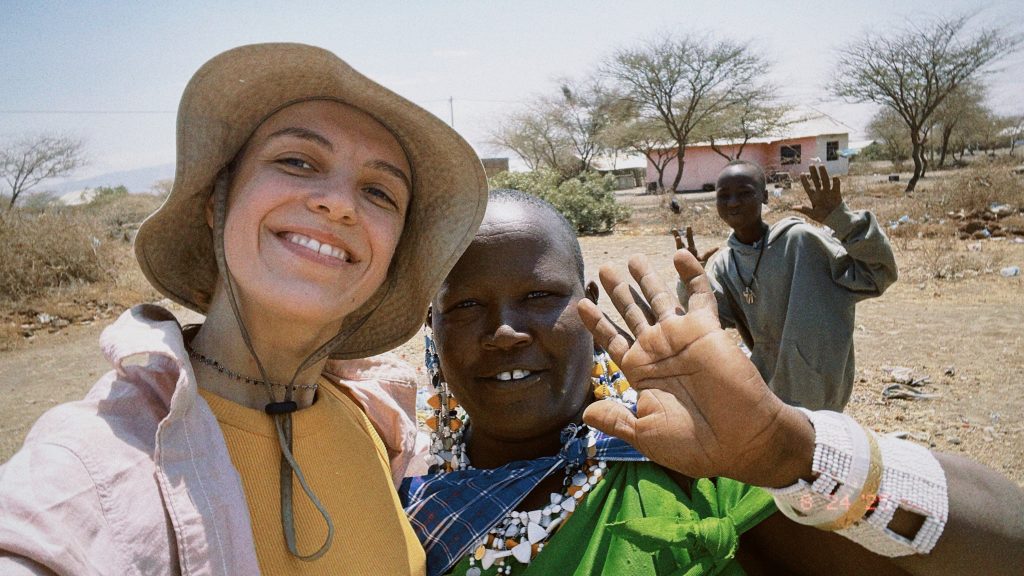
We have already completed a two-week ocean kayaking trip on the Raja Ampat Islands, explored green oases in the heart of Oman, conquered the mountain peaks of Georgia, and visited many more interesting places that would not be enough for an article. By the way, we are currently on an expedition in Africa. We are going to ride around the continent on a motorcycle in 365 days. This is the confirmation of the right choice for me personally.
Here, somewhere not always in comfortable conditions on different parts of the world, I feel truly and unquestionably happy. I want to experience these emotions here and now, to memorize and engrave every moment in my memory. You can feel life here.
HWYD: A slightly immodest question - what do you travel for?)
Vita: In fact, this is probably the question I hear most often. Yes, in practice, things are not as simple as I described above. Unfortunately, money does not fall from the sky like tropical rains)
Now we are traveling on the capital of a guy who has been saving it since he was 18. As for me, I'm not sitting still either. And now there will be an answer to the question whether it is possible to leave the arbitration world forever 😂
In the spring, Kostia, whom I met at my previous job, approached me with a proposal to use my marketing skills and help launch the project. The concept of media really appealed to me. But with my lifestyle, it was difficult to promise anything. We agreed that I would launch the project, take care of all the operational processes, and then transfer the media into safe hands. But it didn't happen as expected. I got sucked in 😂.
But with the only difference being that now I'm prioritizing my life correctly. And as I wrote above, I'm an ideological person, and HWYD is an unrealistically soulful media outlet, just like the idea to create it. That's why it's a pleasure to manage the operational processes here. I've recruited a great team that works like clockwork. And now we are developing a story together, in the success of which I believe as much as anyone else. Well, except for Kostya)
So, nice to meet you, I'm Vita - COO at HWYD.
Is it difficult to combine everything? Yes, it is. But I love my life very much now and what is happening in it. I am sure that in my old age I will definitely have no regrets. If I live, of course, because in Africa, you know how much danger there is...
I also have an incredible amount of support. So, most likely, after some time, when I can let go of HWYD, I will pass it on to good hands. But for now, I'm here.
To summarize, I will try to convey one idea to HWYD readers: I am in no way convincing you to change the direction of your business, I am only showing you that it is possible! But remember: when you think that the company can't do it without you, you're just imagining things 🙂 Whether you're an ordinary manager, a team leader, or even a head of hundreds of processes, you will quickly be replaced, no matter how valuable you are. Because the main task of a business is to make it work, and with the help of whom is a secondary issue.
Важливо
And your main task is to live your life the way you want to, not the way society or an Instagram picture wants you to. Therefore, focus your creativity and mind on what you are truly passionate about and what you do best, what will drive you throughout your life.
In the meantime, subscribe to Instagram and witness my new story.
From affiliate mentors to those who are just starting out
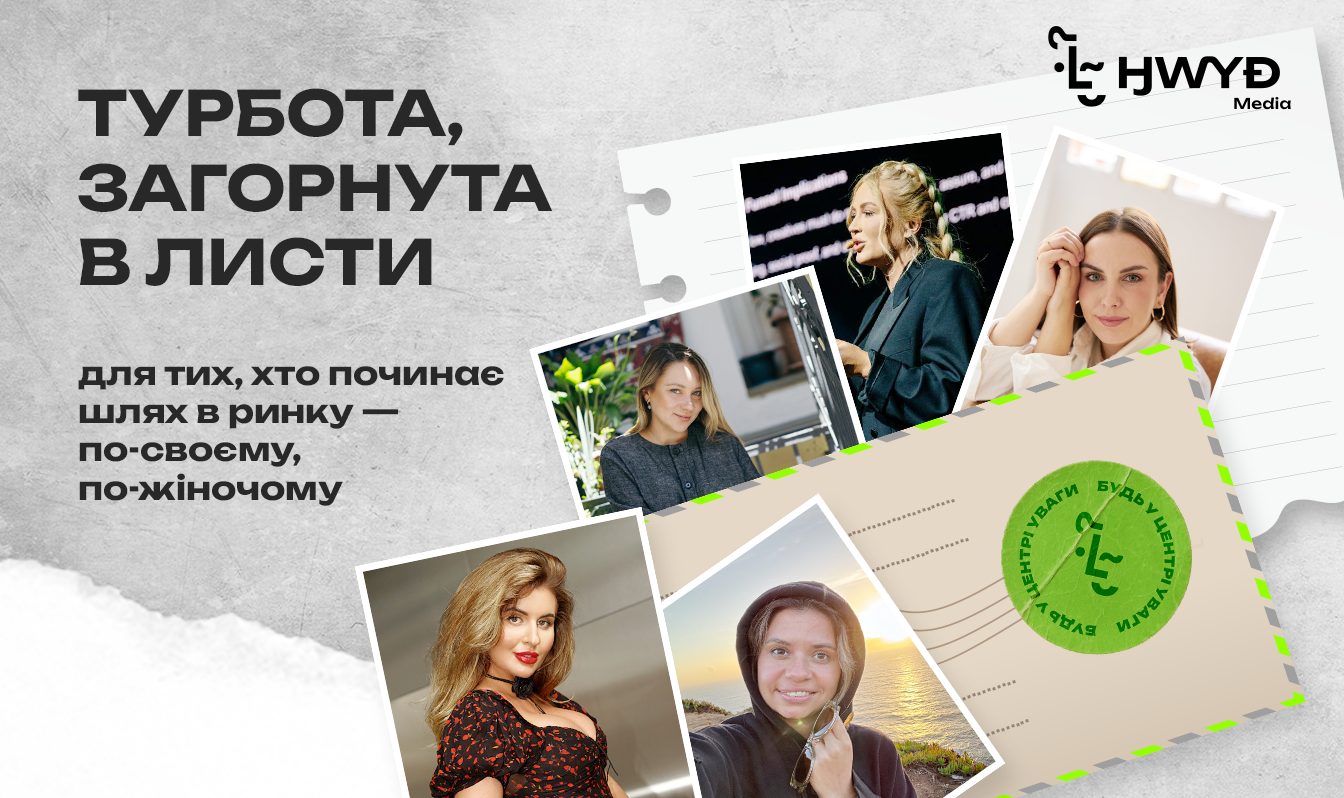
There are things that can never be measured in ROI, digitized in a spreadsheet, or budgeted for.
For example, care. Especially the one that comes in the form of simple words from those who have already gone a little further than you.
This article is about such care. We asked women who have been working in affiliate marketing for a long time to write a few words to girls who are just entering this field. It turned out to be not about instructions, but about experience. Not about rules, but about feelings.
Важливо
This is not a manual, but a hug.
It's easy to get lost in our field - between numbers, deadlines, and quick decisions. Inna reminds us that real power is not in imitation or numbers, but in being yourself, honing your unique voice, and appreciating your femininity.

Inna,
Founder of G.Partners
Hello, dear 🙂
You are entering a game that is not about slots at all. It is about choices, character, and nervous system. Where you can lose not only your budget but also yourself among KPIs and split tests.
You enter a world that flashes digital signs like neon over a city at night: bright, noisy, disturbing. A world where algorithms outpace intuition and decisions are made before your heart can whisper: "is this really mine?"
You enter a space where everything is based on performance, ROI, and terms that don't smell like anything alive. It seems that in order to survive, you need to make your voice rougher, your back straighter, and your heart less trusting.
But this is a trap. Your power is not in imitating, but in sounding like yourself. Don't put on other people's manners - hone your own presence. Be soft, but not spineless. Don't turn off your intuition - it's your analyst better than any BI. And don't be shy about beauty - it's part of your brand. Don't lose your femininity even in a room full of men. This is not about a dress. It's about a voice that speaks sincerely. It's about a look that sees beyond the numbers.
The main thing is to find your own.
People with whom you don't need to play a role. They exist in this sphere. Sometimes they just hide behind nicknames, avatars, or nervous emoticons in chats. Choose a team that sees you as more than just a function. Those who are not afraid to learn, take risks, win. And to lose, too. Let the team be an environment - not a stock exchange.
Being a woman in business is not a role. It is a depth of attention, clarity of vision, and the ability to keep the light on, even when it seems that everything is built on shorts and conversions. Yes, our business is cynical. Here, time is currency and attention is an asset. But there is something that cannot be digitized. This is you.
If you are reading this, you are already one of us. And yes, there is room for your truth.
I have been here for a long time. I know for sure that this market is driven not by budgets, codes, or trackers. It's people. And you are one of them.
You are not traffic. You are a source.
It's never easy in affiliate marketing: new words, pace, numbers - everything seems to be working for survival.
But even in such circumstances, there is always room for humanity. That is why Anna's words are a reminder that this market is based on people. This means attention to detail, courage to speak up, and simple sincerity.
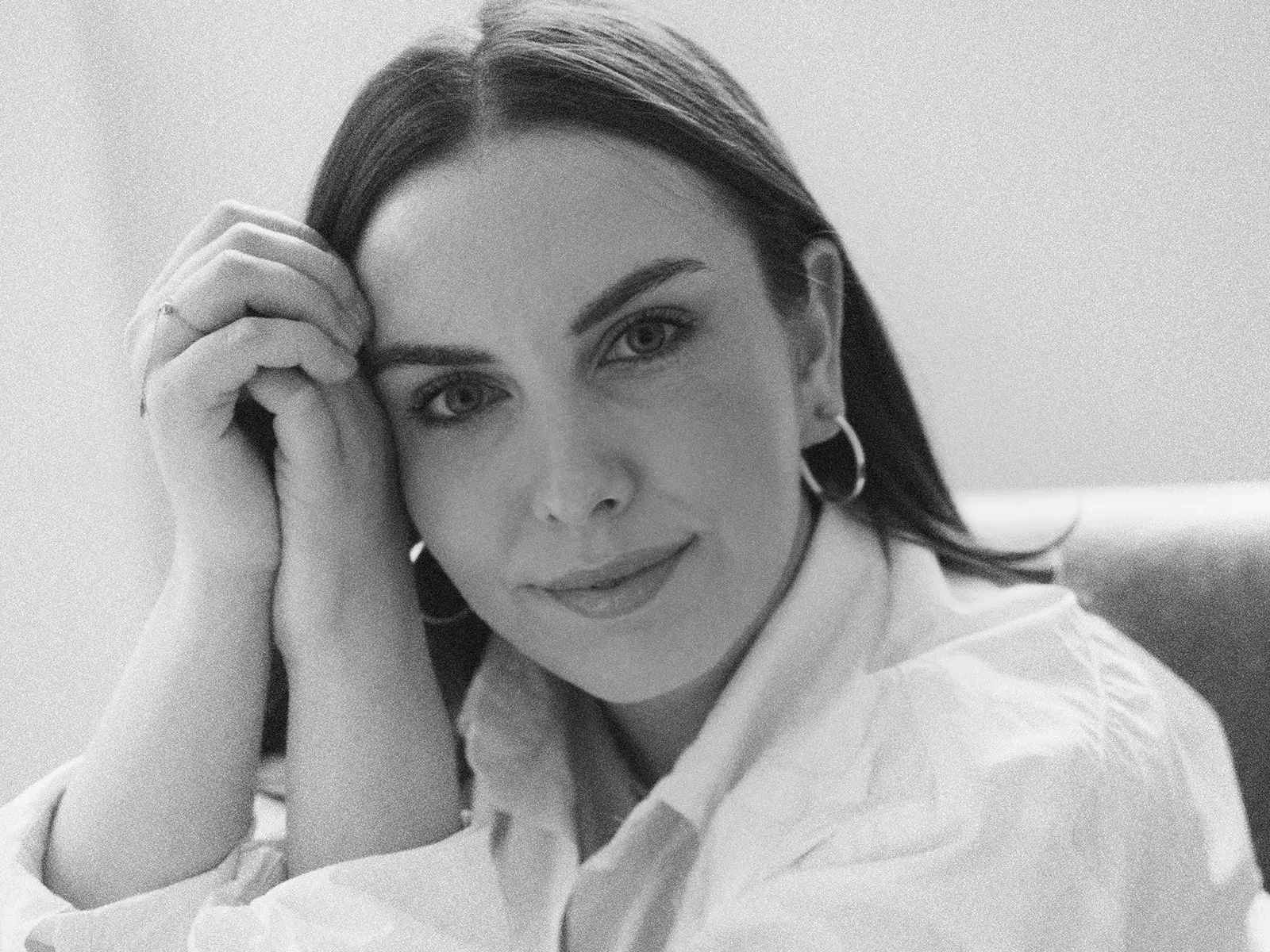
Anna,
Gentle Partners
Hello, girls who are just entering the field of arbitration!
I'm Anna Shemyakina, Head of Accounts. I've been working with partners, advertisers, and teams for many years now, and here are a few tips I always give to our newcomers:
🧠 Develop your memory. This is a super weapon in negotiations. It will save you in a crisis.
👀 Be careful. Everything is in the details: whether the KPI is clear and transparent, whether the agreement on rates and payments is fixed. Whether the links are issued correctly, postbacks are installed, etc. It's like driving a car - you have hundreds of processes involved in automated operation, and the main thing is that you are attentive and keep an eye on everything around you. It is the same in our work.
💬 And most importantly, don't be afraid. Ask for a bet, write to managers, make acquaintances. There are people on the other side just like you. And every investor or CEO also started out once.
Good luck, dear girl. You will succeed 💚
Sometimes you want to hear something very simple but powerful. Something like: "You will succeed". Maryna writes in this way, as if she is hugging the self with whom it all began. And these words fit each of us. Regardless of whether it's been a week or a decade.
Marina,
CMO of BigDeal Partners
A letter to myself - and to you. Love, 10 years later.
You can do a lot in 10 years. For example, you can buy bitcoin for $465 and sell it for $120,000. But we girls are not about that. We are about the path, growth, and inner strength. So here are a few thoughts I would have told myself back then. And maybe they will resonate with you now.
- Say no without guilt.
Your energy is not for everyone and not for everything. - Don't compare yourself to others.
Your road is unique. And it leads to where you feel really good. - Take care of yourself.
Sleep, rest and silence are also productive. - Move forward.
Even if the step is very small. The main thing is not to stop. - Trust the numbers.
When things get confusing inside, do the math. Numbers are honest, and they help you see the bottom line without the noise. - Value your loved ones.
They are the ones who will be there for you in difficult moments. Don't hesitate to tell them how important they are. - Dream big.
You can do more than you realize now. And these are not empty words.
And if I could, I would have hugged the me of that time. But now I'm just passing it on to you.
Warm regards, Marina
Some letters are like an internal monologue. It's as if someone voiced their own thoughts, only a little wiser, from experience. Anastasia wrote such a text. It is about the balance between ambition and ethics, about choosing a team, about a healthy pace. It is about growth, which is possible only in a long-term mode.

Nastya,
Head of PR&SMM, DEPHOUSE
Hello, dear!
Welcome to a new level, to an incredibly complex, sometimes stressful and interesting field that will take a big place in your life.
First of all, I want to tell you not to be lazy and not to lose your perseverance, because in this field, you can experience both a rapid fall and very rapid growth, and with it, great opportunities.
It is also always worth doing a little more than you are required to do, don't hesitate to ask questions, take an interest, learn new things, study terminology, indicators, offers and processes in your vertical. Social capital is more valuable here than gold. People here are eager to share information and help, so you shouldn't be greedy in return, but you should definitely remember about business ethics, corporate culture, and NDAs!
You shouldn't jump around on projects every few months, as there is a chance of burying your career rather than finding yourself. If you're lucky enough to work for a large holding company, you'll get a better base than an average business school in operations, people management, and management.
Everything will work out!
And sometimes, instead of writing a letter to someone, you want to write one to yourself. To the future. Such a letter is no less valuable. Because it contains loyalty to yourself and clear confidence in the path you choose.
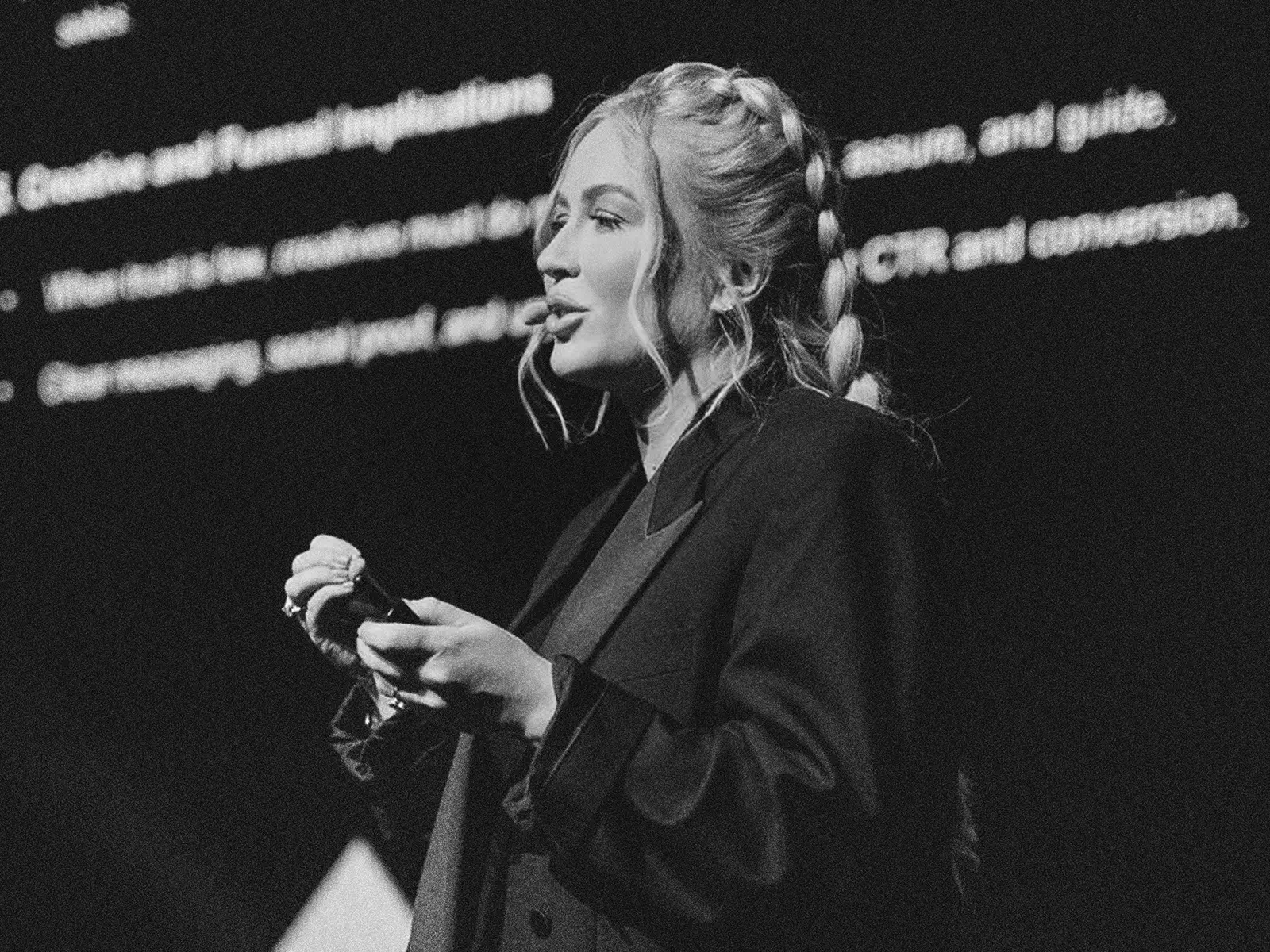
Lana,
CEO & Founder Conversion Conf
Dear Lana,
You're doing great. You are on the right track!
Remember one thing: never miss an opportunity. Communicate. Make friends. Make new acquaintances. Learn new things. Realize yourself. Believe in yourself. You will definitely succeed.
Know and always remember: affiliate marketing is all about people. And your success will always depend on people - those you work with, those you meet on your way, those you let into your professional reality.
I would like to wish every girl in our industry to be a true specialist in her field. This is the most important thing. Don't be afraid to experiment, to go beyond, to do things differently, to take risks - with your money, your position, your vision. There is still room for talented, brave, and smart people in this field. That's why I love this industry - fools don't fit in here. They just can't.
You are one of those who have every chance to make your mark. And I believe in you.
With love,
your Lana (after 10 years 💛)
Важливо
If you are reading these lines, consider that you are no longer alone.
These letters have been left here so that you can return to them in moments of doubt and joy, first victories and first failures.
And even if there is still a lot of unclear ahead, there are already those who have traveled this path and left a few words for you.
In letters wrapped in care. 💚
Важливо
The first 5-D interview on HWYD: with the taste of baking and the aroma of strong morning coffee!
I met Marina 3 years ago. She interviewed me for my first position in the affiliate marketing industry, being the CEO of G.Partners at the time. Since then, our work has turned into a friendship. Now Marina is a CMO in a well-known affiliate program, I have moved to Wild Wild Group, and, of course, the frequency of communication has decreased significantly - adult life is full of its own problems. However, it seems that this has only strengthened our friendship, and although we rarely see each other, it only makes our meetings more joyful.
Since meeting Marina, I've learned a lot about her - it may sound trite, but it's true: a talented person is talented at everything. A person who started out as a promoter selling mayonnaise in a supermarket and became the chief marketing officer of large IT companies.
But the most interesting thing is that she didn't stop there and built a successful business outside of the affiliate - a chain of coffee shops! So meet Marina's sincere story in HWYD! And another tip: brew a strong cup of coffee and let the invigorating aroma immerse you in reading our story with a taste.
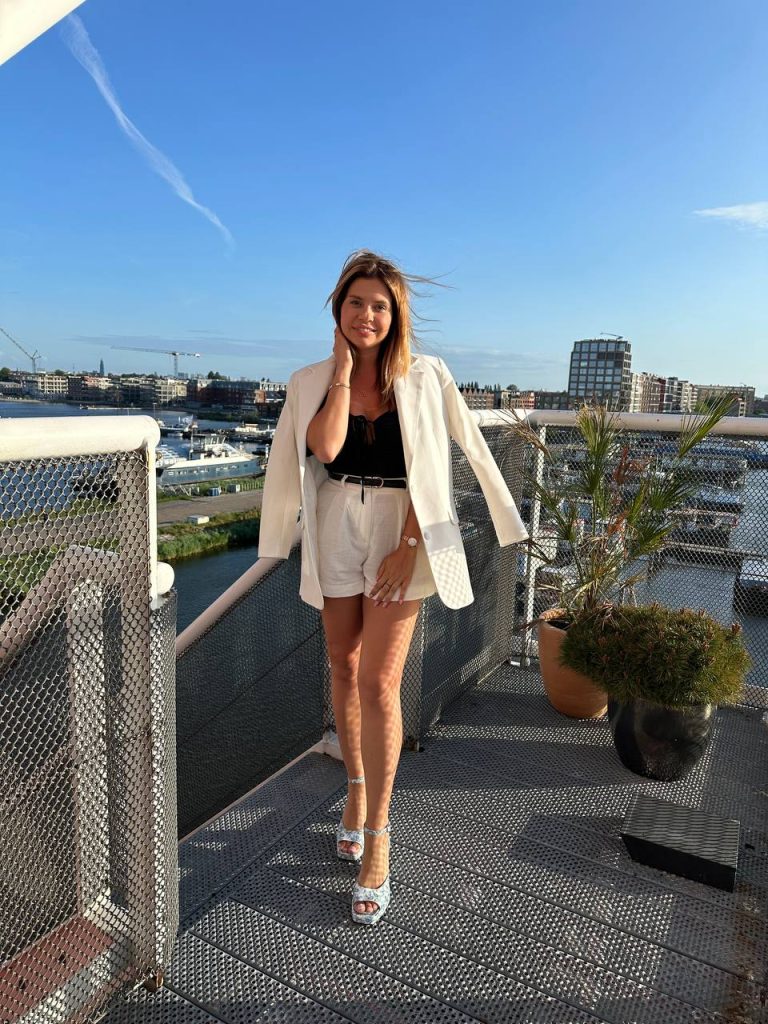
Kostya Golubev, editor-in-chief of HWYD
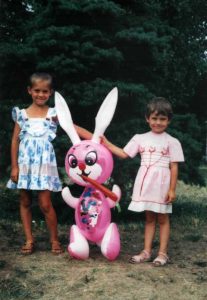
Childhood.
HWYD: Where were you born? Tell us a little bit about your hometown.
MARINA: I was born near Kyiv, in a town with a beautiful name - Ukrainka. It's a very beautiful place. There is the Dnipro River, the Stugna River, and there used to be a lot of forest... Now, however, there are buildings instead of forest. But back then, in my childhood, it was a very atmospheric, cozy place. It was a small town with a population of about 14 thousand. But it seemed to me that we were all like a big family. Everyone knows each other, helps each other, communicates.
HWYD: What was your family like?
MARINA: I was born into a modest family: my father was a military man and my mother was a doctor. As long as I can remember, my parents have been working constantly. They tried very hard to give me and my sister a future. Those were difficult times, dark times, I think, for many of us. But my parents did their best to make sure we grew up to be decent people.
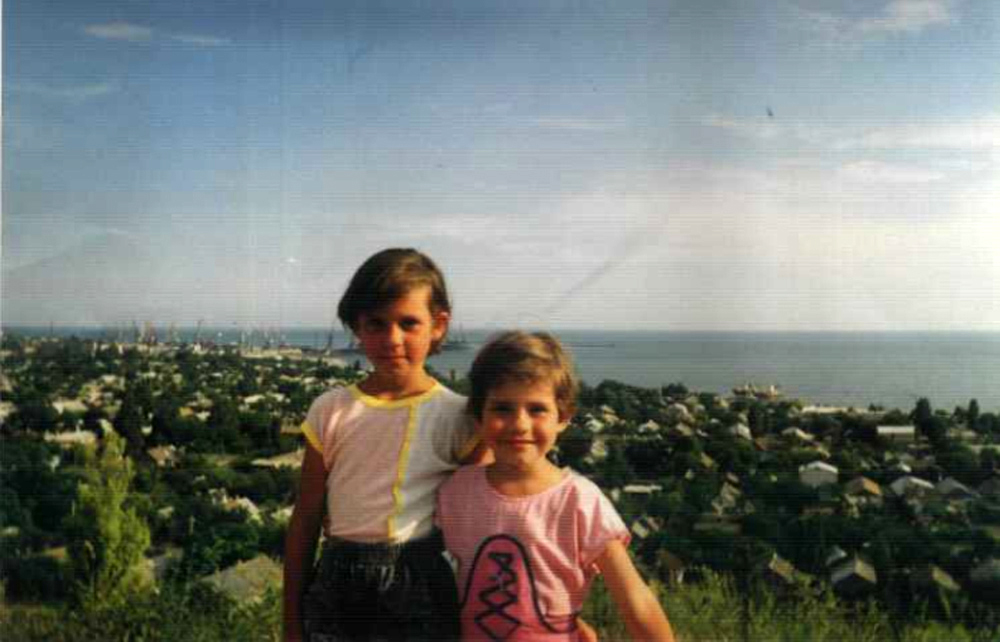
HWYD: What was your childhood like?
MARINA: I don't remember my childhood very clearly. I can't even tell you what I dreamed of or what I really wanted. But there is one incident that I remember very well. I had a sister who always knew what she wanted. What kind of gift she needed from Santa Claus, what kind from St. Nicholas. And what's interesting is that everything she wanted was always given to me. Why is it so? I don't know... But this moment is very deeply etched in my memory.
HWYD: How did you find school?
MARINA: To be honest, I did not do well at school. For the first five years, I was lazy, there's nothing to say. My parents were often called to school, even to the principal. But somewhere in the seventh or eighth grade, something switched in me. I suddenly realized: I can do more! And I gradually started studying. I finished the ninth grade with excellent marks. And since then, the desire to learn has not let me go. On the contrary, I still adore all kinds of courses, programs, and trainings. I am constantly learning something, and I get high from it every day.
HWYD: Did you have a childhood dream?
MARINA:Yes, since childhood I have dreamed of owning my own business. It seemed to be something extremely difficult, even unrealistic... But at the same time, it was pathetic and attractive. Honestly, I never believed that I could actually do it. And now I'm building something of my own, and it's so dear, so real...
HWYD: What is the most vivid memory from your childhood that has stayed with you?
MARINA: This is definitely my family. I can say that I had a real childhood. And, perhaps, I felt like a child until I was fourteen. And for this, I am incredibly grateful to my sister, grandmother, parents... For all those moments-for toys, for playgrounds, for laughter. For the fact that back then there was no such heavy responsibility that children in Ukraine now bear. Children who grow up in times of war... This is a completely different reality.
Youth
HWYD: Where did you continue your studies after school?
MARINA: I studied in the capital, in my native Kyiv. And since then, I have not left Kyiv - I still live here. To be honest, I didn't have much choice. I considered the options that were close to me: accounting, banking, finance. I've always been good with numbers, so there was little doubt about the direction. And here I'm grateful to my dad - it was he who suggested that I should go into finance, "grab the maximum," as he said. I found a college, passed the exams, and entered the finance program.

HWYD: What do you remember most vividly from your student years?
MARINA: The most precious thing that remains from those times is my friends. People who are still with me today. They had a great influence on me, on my worldview, on my choices. College and university taught me the most important thing - to be close to "my" people. And I still adhere to this principle. At every stage of my life, I found people who became a part of my path and stayed for a long time.
HWYD: Did you have to work while studying?
MARINA :Yes, I was studying on a contract, and I remember that it was not easy for my parents to pay for it. That's why I started working part-time when I was a student. Now, of course, students have more opportunities, and their salaries are completely different. But my first job was as a mayonnaise promoter (smiles). How I see myself now: I stand in the Ecomarket, near the refrigerator, for three or four hours, and offer people to try mayonnaise. I was paid 20 hryvnias per hour. But even this small job was important to me - I learned to appreciate what I earned and to be independent:
Adult life
HWYD: How did you get into iGaming?
MARINA: Honestly? By accident (smiles). At that time, I was working as a financier in a company and had no idea what iGaming was. But about a year later, I began to understand this niche better, and at the same time, marketing in general. It was then that I started to get fascinated by it.
While working as a financier, I gradually began to study marketing and affiliate marketing. Later, I moved to the position of an affiliate manager, hoping that this area would provide more opportunities for growth than finance. And, in fact, I was not mistaken.
In a fairly short time, I grew from an affiliate manager to a Team Lead, then to a Project Manager, the head of the affiliate program, and later became a CEO.
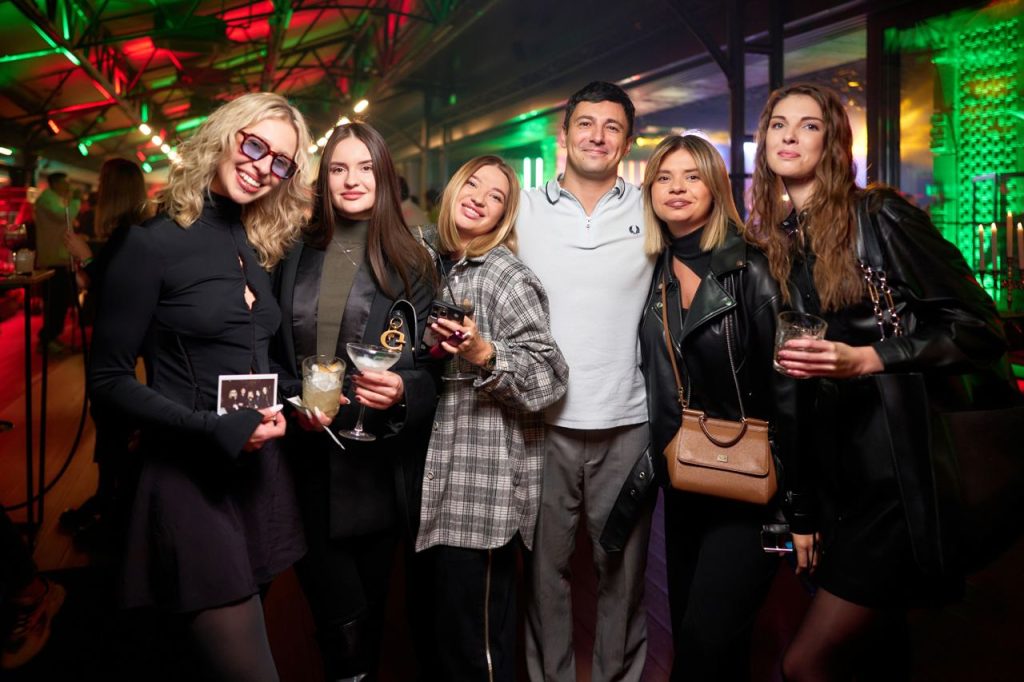
HWYD: What are you doing now?
MARINA: I am currently working as a CMO - Chief Marketing Officer. I have more than 40 people in my team. We deal with traffic and all the tools related to it. I'll be modest here - no pathos. It's just a daily job that I love.
HWYD: Did you assemble the team on your own?
MARINA: Yes, completely from scratch - in a year. And for me, as an introvert, it was a real challenge. It was very, very difficult to let 40 people get close to me. But at the same time, it became a point of growth.
I am probably different because I can see the potential in everyone. I always look for growth points in a person. And I try to meet them halfway, to be a human being - not a manager, but a human being.
My strong point is building processes from scratch. In both my current company and my previous job, I had a deep understanding of all aspects of work. When I recruit a team, people know that they can always rely on me. I will give them a hint, advice, contact, and find a solution. Because the mindset of an entrepreneur, a C-level employee, is to always see one step ahead. And I think I manage to do that.
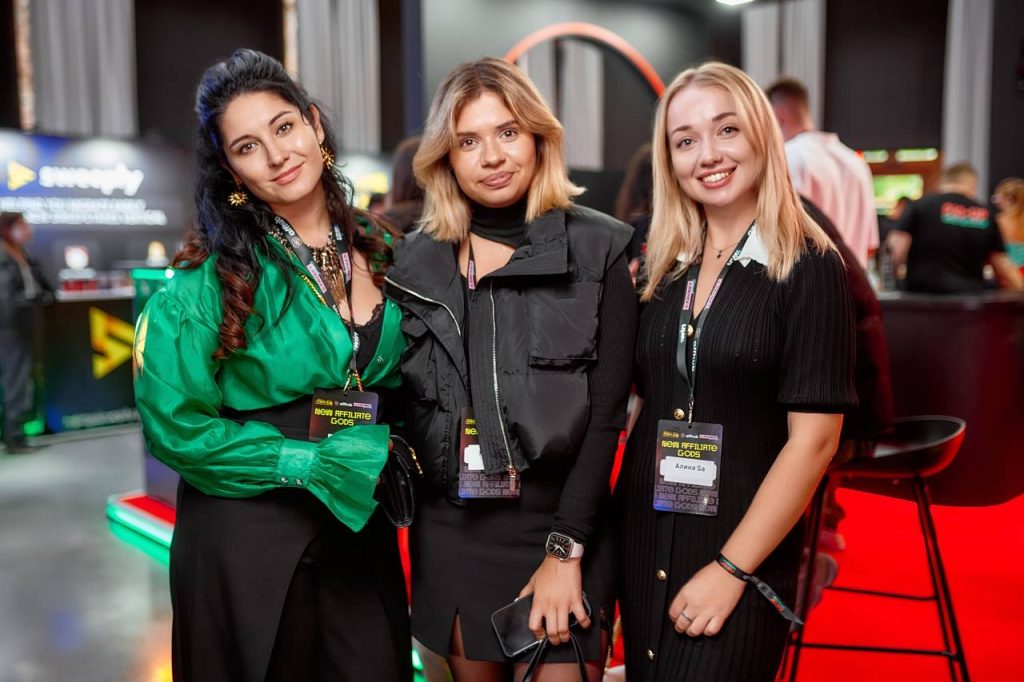
Parallel business not related to the industry
HWYD: You own a chain of coffee shops. Tell us how, when, and under what circumstances the idea came about.
MARINA: In fact, this idea has always lived in me. But for a long time I thought: "I'm not smart enough to start a business... let alone keep it going." It was only in 2016, when I had the first free money, that I faced the question: an apartment or a business? And here I am very grateful to my boyfriend, who is now my husband - it was he who convinced me to try. He said: "We will succeed". And so our family business began.

HWYD: Where did you start?
MARINA: We decided to start with a coffee shop. And it was something! We had no experience. We didn't even know the difference between espresso and cappuccino. In just a week, we decided to buy a ready-made coffee shop together with the team that worked there. I remember the first night after the purchase: we had to open in the morning, and you didn't understand anything. It was a crazy six months, when we were getting our feet wet, learning on the go-not so much about coffee as about business, people, and service. And although it was scary, it was also very exciting. The first outlet turned out to be profitable, and we eventually sold it.
HWYD: How did your coffee story develop further?
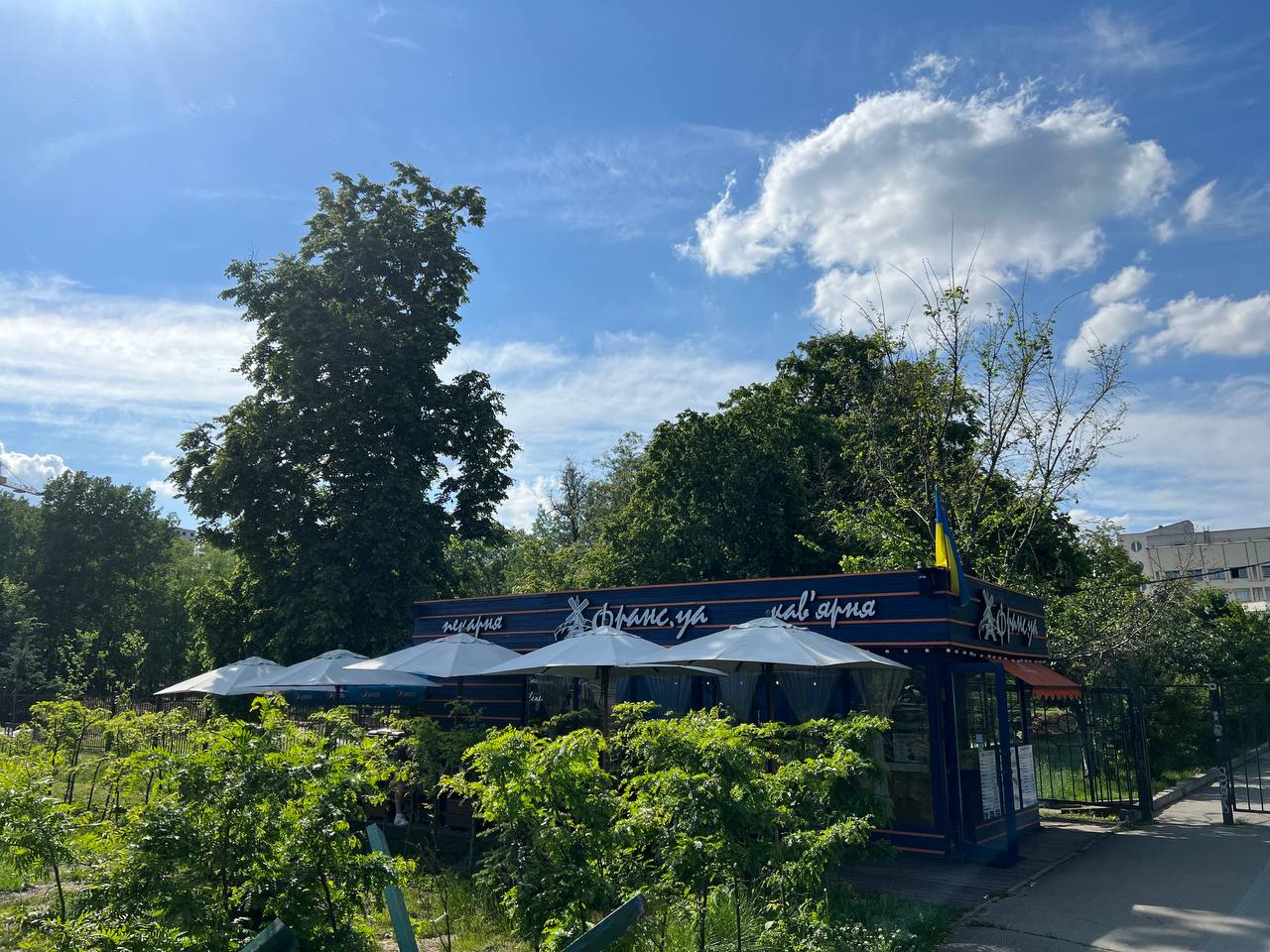
MARINA: Nine months after we started, we signed a franchise agreement in Dnipro with our favorite chain, Fedets Family Bakery. Our first coffee shop was France.ua at VDNH. This coffee shop has existed for 8 years. It is like our first child: we raised it, put our hearts and souls into it. Even the administrator who worked there from the very first days is still with us.
HWYD: How did you balance all of this with your day job?
MARINA: It was not easy, but somehow I managed. I remember working as an affiliate manager during the day and making coffee at night. It was a time when I had a lot of energy, ambition, and faith in myself.
Now I am a passive investor. I manage my business only in critical moments. One of them was on February 24, 2022, the first day of the full-scale war. I spent it in coffee shops, closing them, going through everything with my team. Coffee shops became a point of support for me then.
HWYD: What has this entrepreneurship given you?
MARINA:The most important thing is self-confidence. It was in coffee shops that I learned to feel people, see their potential, and invest in them. This experience helps me a lot now, both when hiring and managing teams. For almost 10 years, I have opened and closed about 20 coffee shops and bakeries. There was everything - profits and losses, nerves, tears, and crazy joy. Now I have three facilities left - but they are of high quality, stable, proven.
HWYD: Do you plan to scale your business?
MARINA: No, I'm not thinking of scaling the coffee business. Now I'm thinking more about diversification. Over the past three months, I have come up with several new ideas and projects that I am launching from scratch. I hope to have something to share soon, but for now, this is an NDA.
HWYD: What advice do you have for those who are just dreaming of starting their own business?
MARINA: Try it out. Make mistakes. Lose money - and don't regret it. Start again. And smile. As Yaroslava Gres said in the play "Blue Dress": "There is no need to give up. Only go forward - and then everything will work out for sure."
Важливо
This story literally turned my understanding of people and their capabilities upside down. Surprisingly, there is still room for good deeds and humanity in the modern world, despite the twists and turns of fate. And Ania had a lot of these twists and turns: the urgent need to create a new product, having to give birth anytime soon in order not to leave her team out of work; the inner strength to recruit specialists not only from the industry and the willingness to train them herself in order to fairly provide opportunities for everyone; developing the genetic code Gentle Partnersin which people work and live by common values, and pregnant girls call about employment because they have heard that here it is a joy and a celebration, not a reason for an employer's refusal...
We talked with Anya for a long time - about business, personal matters, touched on intimate topics of motherhood, but most of all, we focused on the reasons for such a sudden and somewhat loud appearance Gentle Partners. Anya was frank with me, I could feel it. She smelled of strong perfume, baby formula, and iron confidence...
Kostya Golubev, editor-in-chief
Background of Gentle Partners
HWYD: Tell us how Gentle Partners came to be?
Anya: Gentle PartnersI just couldn't help but appear. It was something that was already in the air. Now it seems to me that it was fate. I had a very difficult period in May. I didn't expect such a dramatic turn of events at all, because I was preparing for childbirth, not a job change. My dismissal from the position of CEO at the previous company was very painful news - it was very difficult for the team to take. All my tops with whom we worked, built, and grew took it to heart. That's when the idea was born that we could build a new team. Gentle Partners. Because business is based solely on people and personal relationships, and nothing else. And we had every opportunity to do that. And because we didn't get along very well with the previous team, we just decided to fully immerse ourselves in the new one.
HWYD: How long did it take you to create your own new brand from scratch?
Anya: When you have professionals and personal experience, you don't need much time. If you have a taste, a vision, an understanding of how everything should look, and you follow the right examples, two weeks is really enough to create something of high quality. I can't say that everything was perfect right away - no. Of course, there were some gaps and it took another two weeks to fill them. In fact, it took a month from the idea to the finished product. Why did it happen so quickly? Because we have professionals. Almost all of the employees who are with us now are people I've worked with for many years in various projects. They are not just friends, they are specialists whose results I have seen with my own eyes. That's why we managed to assemble a strong team. And when they come together, it happens quickly. Even in two weeks, or even earlier.
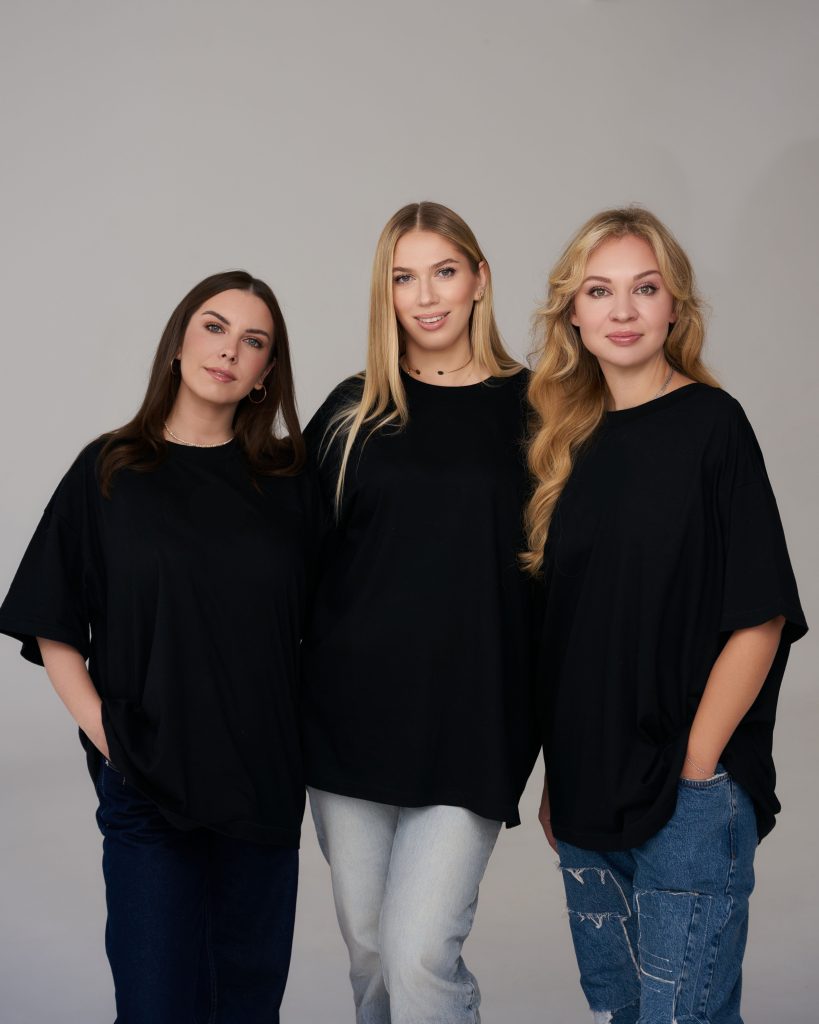
HWYD: Why the name Gentle Partners?
Anya: Gentle - This is about us. Our policy is that we care about both our partners and our team. Gentle - is tenderness, politeness, something pleasant. And these are our values. We have a small team, so every employee is very important. We have no staff turnover. People work steadily - without running from one team to another. For us, this is a red flag, because we invest as much as possible in training our staff and aim to build long-term relationships with the team, where everyone is focused on the result. So the name "Gentle"In addition to sounding good, it fully reflects our values and positioning. The brand name has a lot of meanings that resonate with the team and partners. It looks great in communication, style, and design.
HWYD: How did the partners you have known and worked with for many years react to your transition and the creation of the new PE?
Anya: I wouldn't say "transition". This is the creation of a new company. And here, everything was decided by the reputation that we have all been working on for years. Every employee who is now in our team has always cared and cares about their own reputation, regardless of the brand they work under. This is a rule that we have all been following for many years. That is why we have received a lot of support. Our partners have shown loyalty and trust. There was practically no negativity - everything went as smoothly as possible. Many offered to invest in a new project, which was very nice. And we are still considering offers, deciding who we are ready to join forces with and who is ready to share our values. In general, the market has received us well. Of course, everyone wanted to know "what happened," but globally, everything is fine.
Behind the curtain of the launch - pregnancy and changes
HWYD: Ania, how did you take the news of the shake-up in the company you represented?
Anya: I was not ready for this at all. I was preparing to give birth. I was scheduled for the end of May. And that day in the evening, I still had a stream - and I did it, without a single hint of negativity. We talked about important topics and joked around so much that no one suspected how difficult it was for me.
Before the stream, I even wondered whether I would be able to physically withstand these two hours for such a long time. And after what happened, it was even harder. Although, if you watch that broadcast, I look as calm as possible there. Because I had already set myself up internally to hold on. But after the stream, my emotions were overwhelming. I started to cry. Because when you build something from scratch and see a positive result, it's hard to believe and accept such a decision.
HWYD: We know, thank God, you are doing well, you gave birth! We congratulate you on that! Tell us how the labor went, who did you give birth to?
Anya: Because of my nerves, I, of course, went to give birth earlier than planned. But, thank God, everything went well. It was not without complications for me, but I got out of it. And I was motivated: a new future awaited me. The idea of creating a new company and team. And you know, when I first saw my son, he took my finger, so tiny but so strong... At that moment, I realized for sure: I can do anything. For him. And for myself.


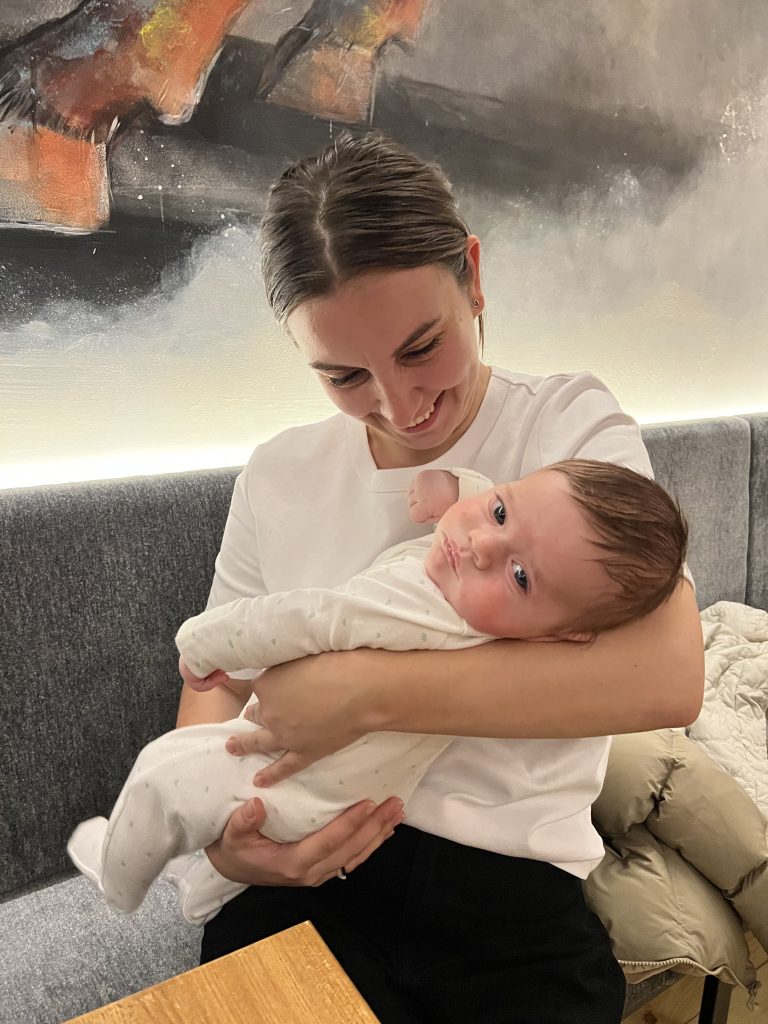
HWYD: So, the idea of creating Gentle Partners arose during the last days of pregnancy? How worried were you at that moment? Describe your feelings.
Anya: I can't say what exactly happened in the last few days. We already realized that we were leaving the previous project. But it was not yet clear what would happen and how. After giving birth, when the stress subsided a bit, it became obvious that we would have a new company. We knew exactly what to do, because it's not a product, it's people. And I didn't even have the opportunity to go on maternity leave. I wouldn't wish anyone to go through dismissal, childbirth, and business launch - all in two weeks.
The structure of Gentle Partners
HWYD: How many employees does the new brand consist of?
Anya: Now there are 20. We are actively recruiting more. So welcome!
HWYD: How difficult was it to recruit the team?
Anya: We are still in the process of recruiting. I cannot say that we are fully staffed. But it was not difficult. The personal brand is working. And many thanks to our marketer Olya - she did a great job of promoting everything, building communication, explaining to people what was what.
HWYD: What values does the company share in terms of recruiting "your people"? Gentle Partners?
Anya: We have our own mindset. If a person shares it, he or she is ours. We are about trust, sincerity, humanity, and partnership. And the result, of course. We are not about dancing around. We are about business. All of us are professionals. And, by the way, we have an interesting trend - a company of young mothers. Someone is always pregnant. We even have a baton. We are loyal to mothers with small children because we know what it's like.
HWYD: Who do you need now?
Anya: At the moment, we need affiliate managers the most.
HWYD: Do you hire people exclusively from the industry, or are there exceptions?
Anya: We hire not only people from the industry - we are ready to train them. We already have many years of experience in this: if a person has the right skills and shares our values, we can adapt them to us. Of course, there are positions that are difficult to teach from scratch, but adaptation is almost always possible.
HWYD: Let's emphasize once again: Gentle Partners - Is it not a rebranding or a branch of the old company?
Anya: No, this is a completely separate, new project. Gentle Partners - is a new company where the co-founders are me, Anya and Sasha.
HWYD: Who manages this flagship?
Anya: The managers are Anya Sukhanova, Anya Shemyakina, and Sasha Lotharia. Each of us has extensive experience in affiliate marketing - more than 8-10 years. These are different verticals, but for the last 4 years, we have been working in iGaming.
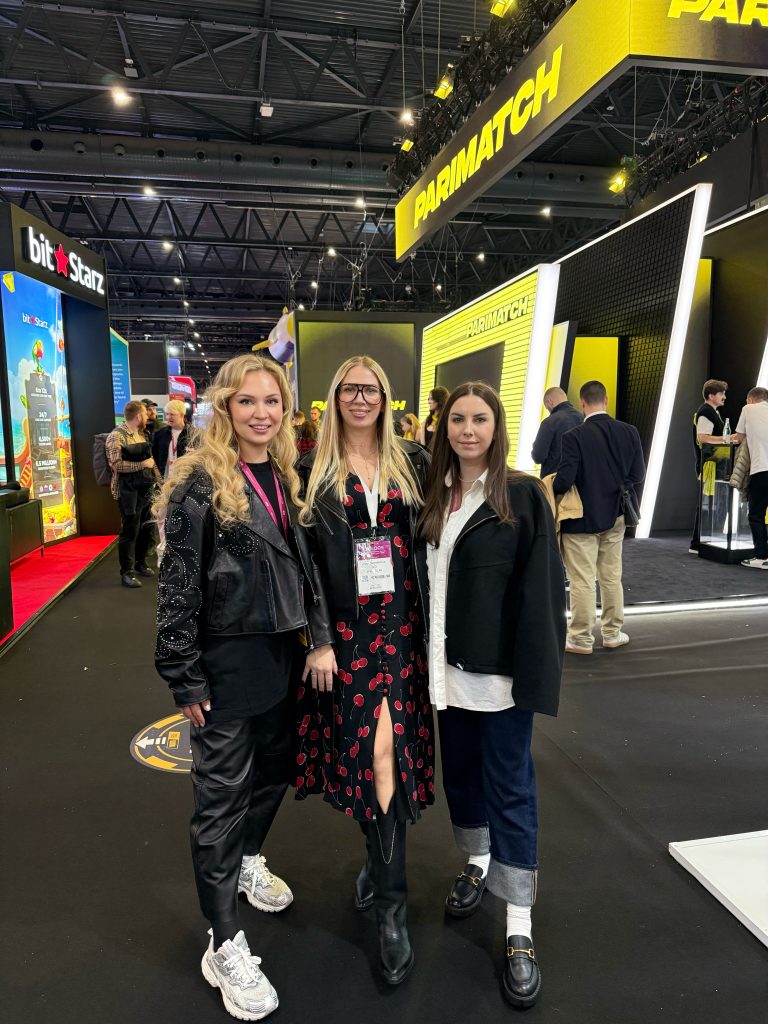
HWYD: How much time has passed since the launch and public announcement of the new company?
Anya: We officially went public on June 9.
HWYD: What successes have you achieved?
Anya: I don't want to talk pathetically about "super successes," but in a short period of time we managed to build normal working relationships with our partners. We received a lot of offers from advertisers with good caps. And most of the websites that have been friends with us for a long time decided to support the launch of our brand and began to actively pour with Gentle Partners. And I consider this to be a result as well.
HWYD: What fears did you have at the launch stage? Did you believe in success?
Anya: Honestly, I had no more fears. After being laid off a few weeks before giving birth to a child, what could possibly scare me? We knew what we were doing. If you know your business, you are confident in the result. I emphasize again: reputation is the most important thing. We had it, and it continues to work for us. Build brands on trust, no matter how pretentious it may sound, and then any fears fade into the background.
HWYD: If things hadn't happened the way they did, Gentle Partners would have appeared?
Anya: I cannot fully answer this question even to myself. I think not. Because I get very attached to the people I work with, I give my maximum energy and time. And I would hardly dare to make any drastic changes. It's not about me at all. But life has decreed otherwise, and I can say with certainty that I am grateful for this case. Now we, and you, have Gentle Partners.
The future of Gentle Partners
HWYD: What are your plans for the future?
Anya: We need to reach our revenue and margin targets as soon as possible. And we are actively looking for a reliable holding company or investor. This partnership should be not only about money, but also about attitude, approach, and values. We are about efficiency, results, and humanity.
HWYD: Do you plan to scale up? In what way?
Anya: Of course. We have a growth plan for the rest of the year and for the next year. But first of all, we need to understand with whom we are moving forward and in which direction.
HWYD: Do you plan to participate in conferences?
Anya: Yes, we are planning it. Now the big conferences are over, and it's even good for us, because we have enough time to focus on fulfilling our internal goals. And in September, we will all meet in Lisbon at the SBC Summit, and then Kyiv Conversion, and then Rome SiGMA Europe Summit.
HWYD: We are very pleased that you have entrusted us to be your first messenger to the media world on behalf of Gentle Partners! We really appreciate your trust, and that's why we are speaking so sincerely and heartily! But do you plan to enter the large-format media market?
Anya: Yes, definitely. And in the near future, we will intensify our communication. Now we are at the stage of collaborations with partners, and then we plan a large-scale entry into the public field with a focus on marketing and PR. Our marketing manager Olya has everything ready for this. So, subscribe to our social media and follow the updates.
HWYD: What would you wish yourself for the year ahead?
Anya: Honestly? I went through something I didn't think I could handle. But I persevered, drew conclusions, and built my company. So I wish myself only one thing - success. And I am sure that everything will work out. Because if you have the right mindset, you live positively, you think about good things, then everything will be just so.
Важливо
I propose to meet you on these pages in exactly one year, give you a big hug, make some coffee or tea, or maybe even pop open a bottle of sparkling wine and listen to how things are going to turn out in the future! And we wish you everything to turn out exactly as it should!
Exclusive and sincere! And most importantly for the first time! - Gentle Partners for HOW WAS YOUR DAY MEDIA!
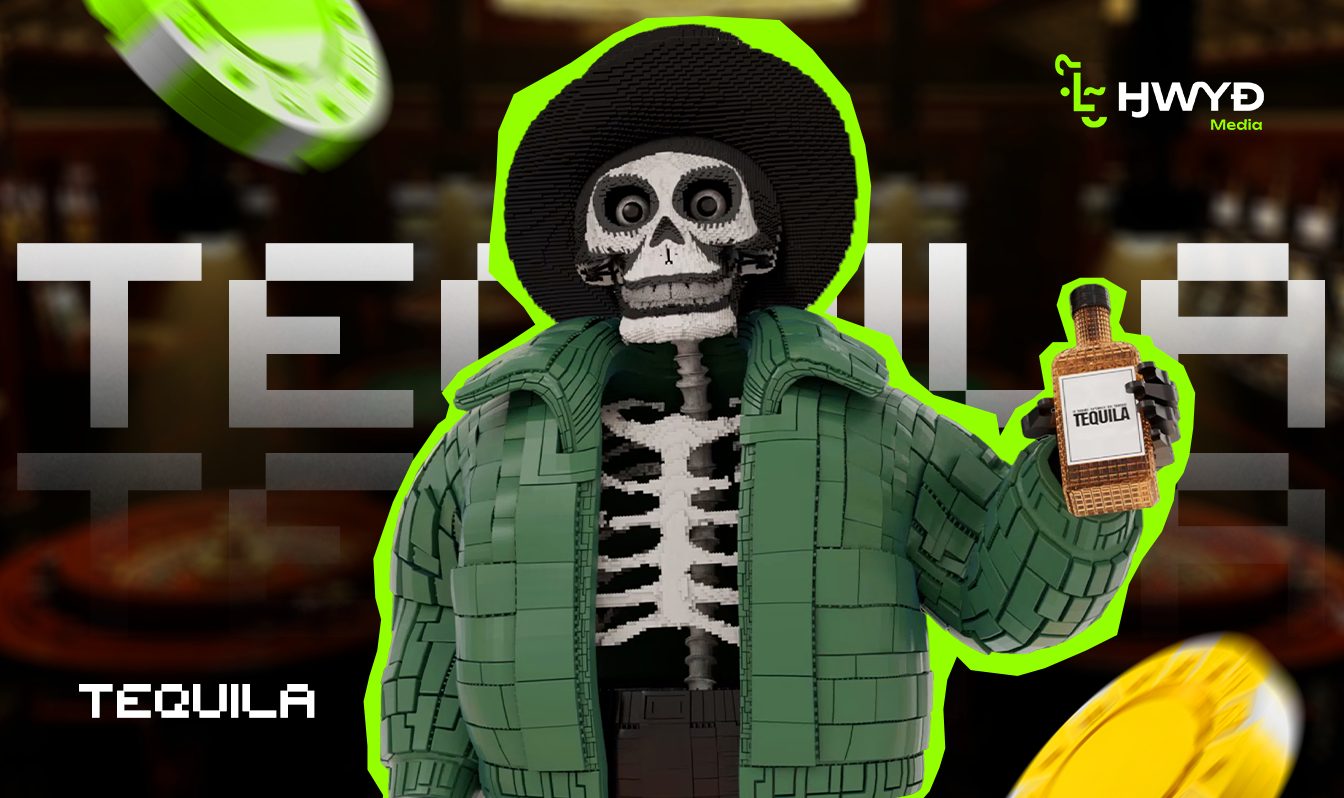
What do a strong shot of tequila and a new player in the affiliate industry have in common? The fact that after the first meeting, you will never forget them. Tequila - is not just a name. It's a state of mind. It's a team that comes in sharp, works fast, and leaves an aftertaste.
👉 They did not make a loud launch.
👉 They did not sing their own praises.
👉 We didn't put on a show.
They just poured in traffic. And they did it well. Today. Tequila is entering the media arena not with promises, but with cases. And although the team started working only in 2024, it has something to show for it. So it's time to talk about it out loud.
HWYD Media editorial team
Who they are: where they came from and where they are going
Tequila: We launched in 2024. But if you are looking for a story about a "young team that is just gaining momentum" here, this is not for us. We didn't wear a "newbie" badge, but started working right away. We assembled a team, built a partnership, and developed our product.
Yes, we were not in the media - not because we are modest. We just thought it would be good to have something to say at first. And now we do. There is often a stereotype in the market: if we are new, we are still "green". But this is a myth. Just think of Little Groot from the Guardians of the Galaxy. Small does not mean weak. On the contrary, sometimes he holds the whole system.
Pros. Tequila is a team with experience in performance marketing, with its own technique, its own approach, and its own stubbornness to bring everything to a working state. We immediately started with the main things: launching systems, optimizing traffic, and building partnerships.
And now we are going public. Not to impress anyone, but to let you know that we exist. That 300+ partners are already working with us. And that if stability, normal communication, and a product that does not fall apart every now and then are important to you, then we definitely have something to talk about.
CEO Tequila says that the biggest thrill is seeing ideas turn into numbers.
Важливо
"What drives me the most is how ideas turn into numbers. The fact that every day we are building something real - from scratch, on character, on honest relationships. When you see the team grow, when a new offer takes off, when a partner comes back again, you realize that this is not just business. This is excitement and pleasure in one bottle."
Tequila's inner engine: people who care
HWYD: Tell us about your approach. What do you like most about what you do?
Tequila: Each team has its own "fuel system". For some, it's hype, for others, it's a quick start. У Tequila - character and people. It all started with a small but very stubborn team, where everyone is in their place, has expertise and a desire to show that it is possible to do things differently. This is what helped us grow and develop.
According to the team, they build processes on the gut feeling that it should work. This is probably about intuition gained through experience. But if something doesn't work, because we're all human, no one looks for excuses. Instead, the team changes its approach. В Tequila do not believe in magic, but in consistency, healthy perfectionism, and a team that does not merge at the first rollback.
A name that burns: why Tequila
HWYD: Why Tequila? It sounds too unusual for the affiliate sphere.
Tequila: It all started with love. For Latin America - its rhythms, colors, fire in the eyes and passion for life. It was even before the name appeared. Just a passion that cannot be imitated. And the idea to name the team after it grew out of it.
We were not looking for "something that sounds good in the digital environment". We were looking for meaning. Tequila - It is something strong, strong, not massive, with character, fiery. This is the choice of those who are not afraid of fire in themselves and in their work.
They say that tequila was born from a bolt of lightning that struck the heart of an agave. It seems that we can't think of a better metaphor for our launch. Because we are not about calm either. We are about energy, about a leap forward. About the drive that gives birth to real solutions.
We do not hunt for simple answers. We work with challenges. And we do it with the same expression with which the first shot is poured - decisively, sincerely, without fear. That's why Tequila is more than just a name. It is our boiling point. It's a symbol of how we see our work, people, and the idea of business: in a real way.
People with character. An idea that grew into an environment
HWYD: How did your journey begin? Did you have any doubts at first?
Tequila: We started with a few people in the team (literally enough fingers on one hand to count). The numbers at the start were nothing special, to be honest. But we were not following the numbers, but the feeling that we knew what we wanted to build.
Each person has already had some experience that is difficult to measure in charts: media buy, affiliate marketing, product - we have already gone through all of this, and more than once. This time we decided to gather our strength in one place and do it our way.
Six months later, there were three times as many of us. And then it only got faster. We're growing so fast that there are times when it's hard to keep up with new names in chats rather than processes (and if someone has trouble with this, they know what we mean 😄).
But this is, in fact, the best indicator: it means we are doing everything right. People join and stay. Because behind the growth, we retain the main thing: the internal charge, the same culture of responsibility and focus on real results, not on beautiful presentations. And as long as we manage to combine expertise with humanity, we will continue to keep up the pace.
HWYD: Looking back at yourself at the start of the company, with your current experience, what would you say to yourself?
Tequila: Don't think that it will all start quickly. Give yourself time and just take it one step at a time. It will be hard, but we can do it. And also: the team is the most important thing. Trust that you have chosen the right people. And remember - the best advertising is returning partners.
A little about our HR policy: if you feel comfortable with us, you are ours
Tequila: We are often asked: who are you looking for in your team? And we answer: well, technically, experienced people. But in reality, we are looking for our own people. Those with whom we can build a strategy and exchange memes on Friday.
Our selection process is not entirely based on resumes. We look for that fire in the eyes - when it is important for a person not just to complete a task, but to really dig into an idea, spin it from different angles and bring it to a result.
But we don't live in outer space either - hard skills matter. If you know your way around media buyers, affiliates, and arbitrage, you have a great base. If you are also not afraid of changes, know how to adapt to different people (and, spoiler alert, they are very different 😅), you are our hero.
And yes, we value analytical skills, initiative, and the ability to keep focus. But we value adequacy, humor, and healthy self-irony even more. Without these, how can you do anything? Because a team is not just skills. It is energy. And if it coincides, then the numbers go up and the results come.
About the movement, scaling and immediate plans for Tequila
HWYD: Is the company at the scaling stage or does it plan to scale?
Tequila: Right now, we are actively scaling up. It's like a lifestyle, so we don't stop:
- traffic is gaining momentum,
- the team is actively recruiting new specialists,
- internal product solutions move from paper to production.
By the way, right now we are actively looking for team leaders of buyer teams, strong media buyers, and business developers who are interested in building something systemic. If you've been looking for an entry point into a project with movement, meaning, and challenge for a long time, this is it.
HWYD: What is the next growth point for the company? How do you see it?
Tequila: Our next growth point is Tier-1. Not just new markets, but a new level of requirements that we are ready to reach. We are also focused on iGaming: we are launching new offers tailored to what works well now and will work even better in the future. The team is also actively building in-house tools and using all possible automation methods.
Do you attend international conferences? Do you plan to sponsor or have stands?
We have already been to iGB and SiGMA, and we are planning some interesting news for this year. We are currently actively negotiating a stand and sponsorship. More details to come. As we can say, it's coming soon. Our approach is to show ourselves when we have something to show.
HWYD: You are now entering the media. Are there any representatives of the company that you plan to make media personalities in the industry?
Tequila: The team is growing, and there are those among them who are already wanted to be heard, seen, and read in the industry. We are focusing on the affiliate and product teams. They have long deserved to be in the spotlight. So get ready - you will soon learn more about them.
HWYD: Tell us about your corporate events/teambuildings. How did they impress you and your guests?
Tequila: Well... we're not quite sure that we can tell you this openly (sly look). But in short: it was hot, loud, beautiful in its own way - and definitely unconventional. The last time we met as a team was at our villa in Cyprus. It's better not to read about it in the text - you'd better watch the video on Instagram. But for that matter, I want to end this block properly. Not with dry summaries, but as we did at the villa.
Важливо
🥂 To the team - because without it, there would not have been a day. To partners - because it's more interesting with them.
And this first year was crazy, bright, wild in a good way. And then what? And then - only more. And, of course, more Tequila. Especially since our first birthday is coming up very soon.
The incredible story of Victoria Maslova or How to leave a thriving project and devote yourself to your family?
We at How Was Your Day love our friends! Sincerely! And not only the new ones, but we also remember those with whom we went through both Crimea and Rome 🙂.
One of the most prominent figures in the field is definitely Vika Maslova - ex Head of AFFHUB! We decided to talk to our old friend and find out where she is now, what this extraordinary person lives and breathes!

Our conversation was, as always, full of emotions, tears of joy and inspirational words. Vika shared the most intimate things. The things that are told only to those close to her and in a whisper. However, all of us in our HWYD community are friends, so with Vika's permission, we are happy to share it with you.
So that you do not worry and know that Vika is doing well. She became a mom! However, how did she feel about leaving AFFHUB, does our heroine miss the industry, and how did she realize herself further - in our new interview.
Enjoy your reading!
HWYD editorial team
Childhood.
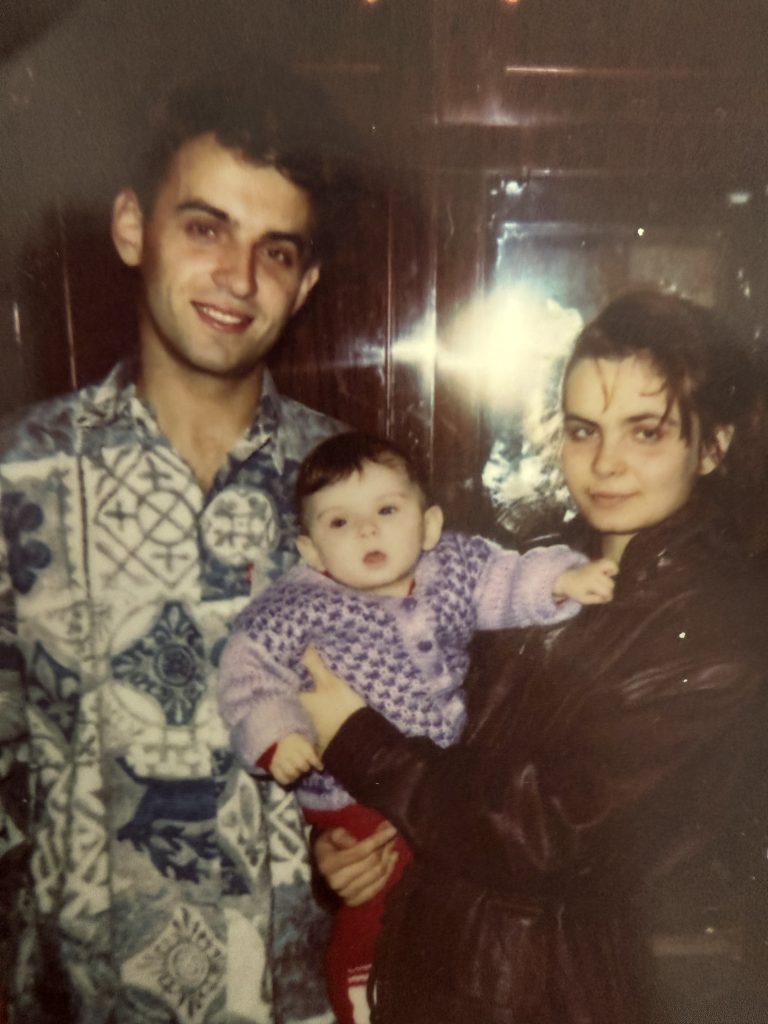
HWYD: Tell us about your childhood. Where, when, in what family were you born?
Victoria: I was born in Melitopol, a small but wonderful city of cherries and sea. When I was 5 years old, my mother and I moved to Dnipro, where I spent my childhood and youth. And in 2019, I moved to Kyiv, where my acquaintance with arbitration began.
HWYD: What did you dream of becoming when you grew up?
Victoria: To be honest, I don't remember anything specific. Like most girls, I wanted to be a doctor, a veterinarian, or a gymnast.
HWYD: Describe your most vivid childhood memory.
Victoria: It's hard to single out one thing, but probably one of the most pleasant memories is when I was given a dog and then a cat. I love animals very much and at that time I was just dreaming about them. I remember feeling like the happiest child in the world. By the way, the cat still lives with me - it's 20 years old now, and it seems that it has at least 10 more to go.
HWYD: How did you study at school? Which subjects did you like and which did not?
Victoria: I loved English, history, and Ukrainian literature. But I hated physics and geometry. I was lucky with my upbringing - my mother never forced me to learn anything I didn't like. But it was important to her that my grades were good, so in the 5th or 6th grade I learned how to cheat, negotiate with teachers, and make a good impression. These skills helped me a lot both as a student and in my adult life. Being able to achieve your goals is sometimes more important than memorizing things you don't need.
Student years
HWYD: Where did you study? What is the most vivid memory from this period?
Victoria: I studied at the Faculty of International Relations, majoring in HoReCa - management of the tourism, restaurant and hotel business. Studying was easy and interesting. I was very lucky with the group, teachers, and the atmosphere. My favorite teacher at the first class said: "University is a place where you need to make friends and form connections. You may or may not need the knowledge. But people are for sure." I completely agree with him.
HWYD: Did you work in your specialty? What were your first jobs?
Victoria: Yes, my first job was at an event agency where we organized city festivals and conferences. Later, we moved to a project that organized the IT Forum conference-it was a well-known IT event with foreign speakers and a large expo zone. By the way, it was at this forum that we first presented the Diia project together with Mykhailo Fedorov.
I worked with very talented people who inspired me not to be afraid of challenges and to create cool things even without experience. It was there that I learned responsibility, the ability to respond quickly to crises, and not to be afraid of the difficult.
I am especially grateful to my supervisor, Nadiia Kuzmychova. She is now the Deputy Minister of Education and Science. I am proud to have had the opportunity to work with her.
The scope of arbitration
HWYD: Tell us how you got into the industry and when did it happen?
Victoria: It happened in March 2020. Like many of us, it was an accident. I already had an offer for one IT project, but I decided to go to the interview that had already been scheduled. And there was a match with Olya Sapogova, who was interviewing at Affhub. At that time, the project hadn't even been around for a year, but Olya was talking about it so passionately that I seemed to fall in love with it right there. I was hooked by the atmosphere of Everad, Olya's energy, and the fact that she was also from Melitopol. It was a sign that two girls from Melitopol in Kyiv could do something really cool. And so it happened.
HWYD: Under what circumstances did you become the head of Affhub?
Victoria: In December 2021. Olya left the project to do something new, and a place became available. Then Everad's CEO, Oleksandr Yasiukovych, made me a new offer to become the project's head. At that time, I was already a team leader and probably had the most experience among my colleagues.
Важливо
Olya and Sasha believed in me, and I think I didn't let them down.
HWYD: How many years have you dedicated to Affhub?
Victoria: Almost 4 years.
HWYD: What is the most memorable thing you can recall about Affhub during this time?
Victoria: I didn't work there a single day in the classical sense, because it was more than work. We lived the project. We had a team that really loved what they were doing. Was it difficult? Yes, very much so.
I became a manager on the eve of a big challenge - we held one event and a full-scale invasion began. In 5 months, we organized the first event in Ukraine in wartime, introduced a new format - charity auctions. We cooperated with brigades, with the military. I remember that for the first such auction, I found a soldier in a store, we talked and he offered a lot for the auction. We were able to cover the cost of the car for them.
We held events without electricity and water, using generators that we searched for hours before the event because there was a massive bombing the night before. We held conferences abroad for those who were forced to leave. We organized an online conference that was watched live by 20,000 people during blackouts, a live fire, and the threat of ballistic missiles.
In a year and a half, we have collected about UAH 5 million to help the Armed Forces and volunteers. We did it because we sincerely believed in the project and that everything was possible. And, most importantly, because we were a team that could do anything.
The most striking thing about those times was the people. A team that created events with soul, love, and boundless dedication.
HWYD: What did you bring there personally?
Victoria: I was a manager, so in fact, I was responsible for everything: from idea to implementation, from meeting guests to operational management. My main tasks are to assess the project's profitability, analyze the economy, budgeting, search and attract new partners, marketing, and develop the project's ecosystem.
Personally, I consider my main achievement to be increasing the economic efficiency of the project several times, expanding its geography, and most importantly, building a strong team. It took me a long time to fill each position, 2-3 months. Probably, recruiters didn't like me very much because "all the wrong ones" :) But I filled the vacancies with "my" people - those who showed results, strived for development, and did not just "complete tasks" but lived the project 24/7.
By the way, we still have a working chat - we correspond there, share our personal and professional life. There is only one member of my team left in Affhub - Zheka - the rest have already moved on. But we still keep in touch. I'm especially happy about the career growth of Artur Borysenko, Alina Balych, and Victoria Onishchenko, and I'm very proud of them.
Affhub now
HWYD: Do you follow Affhub's life now?
Victoria: Yes, of course. I'm subscribed to the project's social media. This is such a part of life that you can't just forget. I follow it and wish the project to grow and become even cooler every day. I think Affhub is the best marketing project in our industry. I cannot but mention the project's charitable initiatives, Affhub is a great example of what a conscious business in Ukraine should look like now.
HWYD: What do you think has changed in the company now?
Victoria: It's hard for me to say objectively - I haven't been to the new events yet. But judging by the activity in the media, on YouTube, at events, the strategy has changed, and a new positioning has emerged. This is a different stage. I think the new CEO and her team have created their own atmosphere.
Важливо
And you know, I believe that Affhub will show its best event yet.
By the way, their marketing is very strong now - collaborations, creatives, style - 5 stars from me!
Reasons for dismissal
HWYD: What was the reason for your departure?
Victoria: It's simple - my desire. I gave the project more than 4 years, and I felt that I was starting to burn out.
I realized it was time to move on. I gave the project everything I could. And I got everything I wanted. I have grown up.
HWYD: How did you make the decision to leave?
Victoria: It's hard. I thought about it for more than six months. Then I told my manager. And after that, I worked for about 4 months. It was the hardest thing to tell the team - I told them two months before I left.
But I'm sure I left on time. The way the team said goodbye to me is a story for another article))) It was a wonderful, intense 4 years, an incredible experience and happiness from what I did.
Personal life
HWYD: Nowadays, social media usually promotes career paths for women, and in megacities, a really high percentage of women choose a career. What motivated you to put your family first?
Victoria: I would put it a little differently: self-realization comes first for me. But in different areas: as a leader, as a wife, as a mother. Everything has its time. When I realized that the time had come to leave Affhub, I was faced with the question: either to go headlong into a new project or to have a child. My husband and I have been together since high school, so the topic of motherhood has been a long time coming. After consulting with him, I decided not to put it off any longer.

HWYD: How is motherhood for you?
Victoria: I really wanted to do this. We were preparing, I was planning everything. I realized that it would be difficult - but in fact, everything turned out to be much easier than I expected. Motherhood is an incredible period. I have never experienced so much love, harmony, and happiness. My husband plays a very important role here - he is a wonderful father. We gave birth together. He was with me all the time, in the maternity ward, by my side, both for me and for the baby. He spent the first night on a chair by the bedside with his son in his arms. This is a real manifestation of love. These moments are forever in my heart. Now our son is 9 months old, and he has the best dad, who is fully involved in every aspect of his life.

HWYD: Tell us about your child: who is your child, how did you name him or her, how do you raise him or her, what values do you instill in him or her?
Victoria: I always dreamed of a boy, and I gave birth to a son. We named him Mykhailo.
Like every mother, I believe that I have the best and happiest son 💛 It's too early to talk about values - he is only 9 months old. But I know one thing for sure: I want him to be happy. And which path he chooses is his choice. We will always be there for him. I don't want to raise a "convenient" boy. I want to raise an "uncomfortable" person - someone who knows what he wants, is not afraid to be himself and has an inner core.

HWYD: What are you doing now? Are you on maternity leave or already working?
Victoria: Being a mom is, without exaggeration, a 24/7 job.
We have a nanny, so I can afford a few hours a day to do my own thing. I take care of my health actively. I gained 25 kg during my pregnancy and have already lost it all, even a little more. But I continue to work on myself. I go to the gym, work out with a trainer, get massages and beauty treatments. I recently started playing tennis - it's become a real passion! (And no, the paddle didn't work 😄) I also resumed English classes - my brain also needs exercise. But, of course, 90% of my time is taken up with motherhood - and that's great. My return to work is planned. I will finish breastfeeding and return to the field with renewed vigor.
HWYD: Do you miss Affhub?
Victoria: Yes, I do miss it. But not "work" - I miss the people, the atmosphere, the vibesometimes even for Click Up, but not much) It's not sadness, it's a pleasant nostalgia.
HWYD: Will we see you again at conferences?
Victoria: Definitely! I think I'll be at the next Affhub.
I really missed everyone 💛
Важливо
Victoria's story demonstrates that arbitration is not the only way.
We are extremely happy that people from the sphere - our good friends and acquaintances - go beyond the bubble, develop not only in the niche (which we are also very happy about), but also outside it: open offline businesses (by the way, you will soon have the opportunity to read about this), leave successful affiliate marketing to travel the world (and we are preparing an issue about this as well), or become mothers and consciously choose a family, as Vika did. We sincerely wish Victoria and her family real family happiness and thank you for such a warm and wide-ranging conversation.
An offer in arbitrage is a product from an advertiser or affiliate that aims to attract the target audience and make them want to use this product or service. The task of the arbitrageur is to show all the useful properties and benefits of this offer. The success of your call to action will depend on how well you choose the right offer. In this article, we will tell you in detail about the peculiarities of choosing an offer. You will learn what to focus on when analyzing offers to choose the most successful options for yourself.

Why is the choice of an offer the basis for success in the market?
Важливо
Choosing the right offer guarantees you the possibility of scalability of your advertising campaigns in the future, profitability, and cost minimization. The choice of an offer is a strategically important decision for an arbitrageur, which requires analytical skills and a good understanding of the market. A well-chosen offer not only attracts the attention of potential customers, but also motivates users to take specific actions that increase profits and conversions.
What does the "right" offer mean?
Finding the right offer means working with those offers that have already successfully proven themselves on the market. The advantage of such options is that they have already been tested by other webmasters who have found out their popularity among users and profitability. To find such an offer, you need to conduct a detailed analysis of the market and competitors.
Signs of a potentially profitable offer:
- high demand from the target audience and great relevance;
- adequate conditions;
- a quality product or service;
- good reputation of the advertiser or affiliate network;
- reliable support from managers.
Signs of a "toxic offer":
- unclear terms and conditions (unclear targeted actions, long hold, unreasonable reduction in the number of conversions, ban on multiple traffic sources);
- low quality of the product or service (the product promises unrealistic results, has many complaints, negative reviews);
- bad reputation of the advertiser or affiliate (negative reviews, lack of adequate support, lack of statistics, promises
- unrealistically high payments for simple targeted actions);
- high competition under unclear conditions. Most often, those who are not afraid to take risks drive traffic to "toxic" offers. However, inexperienced arbitrageurs should avoid such options, especially when the terms and conditions regarding targeted actions and payments are unclear.
Detailed analysis and careful attention will help you minimize all risks and focus on finding really promising offers.
Why can the same offer "fly" in one geo and "burn" in another?
Speaking of the "correctness" of the offer, it is also important to take into account the GEO where you are going to offer it. Experienced arbitrageurs are well aware that the same product may not be of interest to the audience in one area and may be extremely popular in another.
Of course, this is due to differences between markets, namely:
- Mentality and cultural values. When launching an ad, you should understand that what is normally perceived in the culture of one country may be completely unacceptable in another. For example, Islamic-related offers will only work in certain GEOs with a predominant population of these religions.
- The local economy and solvency of the population. Consider the average salary of your target audience. An expensive offer that fits perfectly in the Tier 1 GEO may be completely unaffordable for residents of low-income countries.
- Legal restrictions. Some products or services may be prohibited in certain countries. Strict personal data protection regulations may make it difficult to collect and process data.
- Competition. In GEOs where the offer is widely popular, it is quite difficult for arbitrageurs to break through and make money due to high competition. The price of a lead in such GEOs will be much higher and the conversion rate will be lower due to high demand.
- Technologies. In countries with poor internet, offers with a large amount of data that require fast landing page loading will not work well. For video creatives or large pre-landscapes, you need fast internet.
- Language difficulties. Inaccurate or low-quality machine translation of landing pages and creatives can not only cause skepticism, but also completely alienate a potential client. When translating, it's important to take into account local idioms and language peculiarities.
- Seasonality and events. Some products are highly dependent on seasonality. For example, summer products and so on. Local holidays can either increase or decrease user purchasing activity.
Before launching a campaign, be sure to do a GEO analysis and take all these factors into account to make the campaign successful and profitable.
Key factors when choosing an offer: a universal checklist
An arbitrage engine can influence the effectiveness of advertising campaigns even before the launch. The key is to choose the right advertiser and the offer they offer. Below, we will give you a checklist of recommendations for choosing the best offer that will help you to pour traffic into the plus.
- Give preference to offers whose operators accept applications from customers 24/7. If a user waits until Monday to leave a request, he or she may forget and change their mind.
- Statistics. Pay attention to how quickly statistics and orders are updated. Timely data is a guarantee that you will not be pouring traffic blindly.
- A reliable affiliate network or advertiser. Cooperate only with reliable partners who have a lot of positive feedback from webmasters. Build good relationships with managers. This will allow you to receive specialized offers.
- Conduct split testing. Choose an offer and test its value, the same offers at the same price from different affiliate programs.
- Follow the trends. Offers can be seasonal, competitive, or relevant in a particular GEO.
- Quality of the product or service. Evaluate the product: find reviews about it, study its composition, application features, effectiveness, etc.
- Assess the quality of the landing page. It should load quickly, be easy to read, have a professional look, be optimized for mobile devices, not mislead the user, and not promise unrealistic results.
- Your budget and skills. Evaluate whether the chosen offer is suitable for your experience and whether you have the means to scale.
- Legal aspect. What vertical does the offer belong to? Are there any risks of blocking and legal issues? Does the selected offer comply with the rules of advertising platforms?
Using this checklist will give you an understanding of whether you should work with a particular product and whether you have enough knowledge and resources to do so. This way, you can increase the chances of success of your advertising campaigns.
EPC, CR, Hold, approval rate - how to read it
EPC (Earn Per Click) - earnings per click. This is the average income that an arbitrageur receives from each click on your link. It is calculated as the total income for all clicks. A high EPC rate indicates good traffic monetization. Each click brings more money. A low EPC indicates poor traffic monetization. In general, this is a very important indicator for analyzing the effectiveness of traffic sources and connections. By comparing the EPC of different campaigns or sources, you can identify the most profitable ones.
CR (Conversion Rate) - Conversion rate. Displays the percentage of users who performed the targeted action (e.g., left a request, made a purchase, installed an app) out of the total number of people who clicked on your ad. A high CR means that your audience responds well to the offer and the landing page effectively converts visitors into leads or customers. A low CR indicates that the traffic is not targeted or the landing page does not convince users to perform the targeted action. CR shows how well your traffic converts to the desired result. This is a key factor in profitability.
Hold (Holding period). This is the time during which the affiliate program or advertiser checks the completed conversions before confirming them and paying out the reward. A long hold means that you have to wait longer for the payout. This may be due to product features (for example, the return period) or lead quality checking procedures. A short Hold allows you to receive payments faster and reinvest funds. Hold affects your working capital. The shorter the hold, the faster you get paid.
Approval Rate. Refers to the percentage of leads or actions that have been approved by the advertiser as eligible out of the total number of leads or targeted actions you have generated. A high Approval Rate means that the majority of your traffic is leading to quality leads or actions that the advertiser approves. A low Approval Rate may indicate low-quality traffic, non-compliance with offer requirements, or advertiser dishonesty (caveat). Approval Rate directly affects your income. A high CR can be useless if most of the leads are not confirmed.
By analyzing these metrics in combination, you can more accurately evaluate the effectiveness of your advertising campaigns and optimize them to increase profits.
Seasonality and linkage to events in the region
Seasonality means that demand for certain goods or services varies significantly depending on the time of year, holidays, or other events. Examples of seasonal offers include summer and winter products (swimwear, heaters, gifts for certain holidays, training courses, travel offers, vitamins).
To properly account for seasonality, consider the following factors:
- launch advertising campaigns well in advance of the season to warm up the audience and collect the first leads before the peak demand;
- track the dynamics of demand for goods or services you are interested in throughout the year;
- adapt your creatives and landing pages to the current season.
During periods of high demand, competition can increase, which leads to higher traffic prices. Be prepared to adjust your bids. During periods of decline, you can reduce activity or look for other offers.
What kind of landing page, localization, adaptive, trust
A landing page is a landing page that a user gets to after clicking on your ad. Its main task is to convince the visitor to perform the target action (conversion).
The key elements of good landing pages:
- a catchy headline. It should be clear, attractive, and triggering for the audience, grabbing attention from the first seconds of reading;
- visual elements, such as videos or images, should be of high quality and show your product well;
- benefits on the landing page should be clear and understandable. Focus on solving problems or meeting needs;
- use social proof, such as customer reviews, clinical studies, and quality certificates;
- Call to Action (CTA). A bright, noticeable button or form with a clear call to action (for example, "Buy now", "Request a consultation", "Download for free");
- the application form should be simple and clear, requesting only the necessary information;
- provide detailed information about the product/service: characteristics, terms of use, etc. (depending on the offer);
- guarantees (if any): refunds, support, etc., which reduces user fear.
Localization is the adaptation of your landing page to a specific region and target audience.
What localization includes:
- translation of the entire text into the native language of the target audience. It is important not just to translate, but to adapt the content and style;
- displaying prices in local currency;
- payment systems: offer popular payment methods in the region;
- Consider all local traditions, humor, and images. Avoid culturally sensitive topics;
- provide local phone numbers and addresses (if applicable).
Localization helps to increase user trust, improve understanding of the offer, and increase conversions.
Adaptability (or responsive design) means that your landing page is displayed correctly on any device: computers, tablets, and smartphones. This is important because most Internet traffic comes from mobile devices; a non-responsive landing page looks bad on mobile, which leads to a high bounce rate; search engines prefer responsive websites.
To test adaptability:
- view your landing page on different devices;
- use developer tools in the browser to emulate different screens.
Creating trust on a landing page is critical, especially if you are working with a new audience or offering an unfamiliar product/service.
Elements that increase trust:
- reviews of real customers with photos (if possible), ratings, comments;
- certificates confirming the quality of your product;
- Return policy and quality assurance should be clearly stated;
- availability of contact information (phone, email, address);
- privacy policy and terms of use;
- professional, neat, modern design creates an impression of reliability.
All these elements are parts of a good landing page.
Is there a white/black/gray hat approach - and what works now?
White Hat. Promote offers in a legal and ethical manner, in full compliance with the rules of advertising platforms (Google Ads, Facebook Ads, etc.) and the law.
Characteristic features of White Hat:
- use of authorized traffic sources;
- truthful and transparent advertising that corresponds to reality;
- promotion of legal and high-quality goods/services;
- focus on long-term results and building trust with the audience.
Black Hat. Use of unethical, often illegal or directly prohibited by the rules of advertising platforms methods to attract traffic and generate conversions.
Characteristic features:
- violation of the rules of advertising networks (cloaking, fake accounts, aggressive advertising);
- misleading users (misdirection, scam offers);
- promotion of dubious or prohibited goods/services (unlicensed gambling, adalts, pyramid schemes);
- focus on making a quick buck without worrying about the consequences.
Gray Hat. It is located in the middle between the "white" and "black" approaches. Includes methods that do not formally violate the rules directly, but may be on the verge of doing so or may use loopholes in the rules, and may raise ethical questions.
Characteristic features:
- the use of ambiguous methods that may be considered by advertising platforms as violations;
- the use of "tricks" to attract attention (for example, clickbait, but not overtly misleading);
- promotion of offers in "gray" niches (for example, some nurture offers with exaggerated promises);
- the risk of banning accounts is higher than with the white approach, but lower than with the black approach.
What works now?
Advertising platforms are becoming stricter in their moderation, actively fighting violations and improving their algorithms to detect fraudulent advertising. Nevertheless, experienced buyers who know how to work with gray and black offers can make a high profit on such campaigns.
"White" methods have a high chance of success. Although they may require more time and effort to achieve results, they provide stability, predictability, and minimize the risks of blocking and fines. Working with legal offers and transparent methods allows you to build long-term relationships with advertising platforms and audiences.
Although "black" methods can generate quick income, they are associated with very high risks: account bans, loss of funds, and legal consequences. Their effectiveness is constantly decreasing due to the fight against them by advertising systems.
Tier 1 (USA, Canada, Australia, UK): what works? What is the competition like? Features of users.
GEO is highly competitive. These markets are mature, with a large number of experienced arbitrageurs and large teams. To make good money here, you need careful development of creatives, in-depth audience analysis, and often significant testing budgets.
This GEO includes such areas as E-commerce, Finance, Education, Health and Beauty, and Software/SaaS. The Tier 1 audience is characterized by high solvency, online shopping habits, demanding product and service quality, high awareness of online marketing, and the importance of brand and reputation.
Tier 2 (Europe, Latam): current verticals.
Tier 2 markets are more diverse in terms of language, culture, and ability to pay. Localization of creatives and landing pages is required. Competition is lower than in Tier 1, but still significant.
Relevant verticals:
- Europe. E-commerce (with a focus on local brands), finance (taking into account local regulations), gambling/betting (where allowed), various lead generation offers (insurance, auto);
- Latam. E-commerce (a fast-growing market), mobile applications (games, utilities), finance (microcredits), wellness (especially weight loss and men's health), gambling/betting (where regulated).
Tier 3 (India, Philippines, Africa): cheap traffic ≠ easy money.
Traffic in these countries may be cheaper, but conversion rates are often much lower due to the low solvency of the population, user behavior, and the quality of the Internet.
What can work:
- Mobile apps (especially entertainment and utility apps);
- Some gut offers (based on local preferences);
- Lead generation (for example, microloans);
- Sometimes it's simple e-commerce offers with a low price.
Users in this GEO are more price-sensitive. Mobile traffic predominates here, often with slow internet. The population has a low level of trust in online shopping. There is a huge variety of languages and cultures within one GEO.
Ukraine/Kazakhstan/Poland - local nuances and opportunities.
The economic situation in Ukraine affects the solvency of the population. Social media (Telegram, Instagram, Facebook) are popular in this GEO. Developing e-commerce market. Opportunities: E-commerce (especially local goods), finance (microcredits), gut, gaming offers. Competition is lower than in Tier 1.
Kazakhstan has its own specifics in payment systems. Growing e-commerce market. Opportunities: E-commerce, finance, mobile applications, gut. Competition is moderate.
Poland has a mature e-commerce market and a high popularity of local marketplaces. Opportunities: E-commerce, finance, various lead generation offers, gambling/betting (regulated). Competition is higher than in Ukraine/Kazakhstan, closer to Tier 2.
How to test offers correctly?

To properly test offers, you need to define the goal, what exactly you want to find out: whether the offer converts, which traffic source is right for you, which creatives work best. Analyze the target audience, available traffic sources, and determine which connections can be successful.
Prepare the necessary materials:
- Creatives (banners, teasers, videos).
- Landing pages/pre-landsing pages (if necessary).
- Set up targeting in the selected traffic source.
Set an adequate test budget. It should be sufficient to obtain a significant amount of data to draw reasonable conclusions. Too small a budget can lead to false negative results.
Determine the volume of traffic: the number of clicks/impressions required to evaluate the effectiveness of the link. It depends on the expected CR and the desired statistical significance.
Set up tracking: make sure you are tracking all key metrics correctly: clicks, impressions, conversions, cost per conversion, EPC, CR. Use trackers (Keitaro, Binom, etc.) or built-in analytics tools of your ad network and affiliate program.
Typical mistakes when choosing an offer for a new geo
Do not focus only on payout instead of real ROI. Many novice arbitrageurs are tempted by a high payout per conversion without considering other key factors such as conversion rate (CR), cost of traffic in the new geo, and approval rate. A high payout does not guarantee profit. If your CR is low and your cost per lead is high, you may spend a lot of money and get few conversions, even with a high payout. The real ROI (Return on Investment) depends on a set of metrics. Always estimate the potential ROI by predicting the CR and cost of traffic for a new geo. Conduct a preliminary market and competition analysis.
Mistake number two is ignoring cultural and language barriers. Advertising can be incomprehensible, offensive, or simply irrelevant to the local audience. This leads to low CR and budget drain. To avoid this mistake, conduct research on the cultural characteristics, mentality, and humor of the target audience. Provide high-quality translation and localization of all advertising materials.
The next mistake is underestimating the technical support of the offer (bad call center - wasted budget). A bad call center can "drain" your leads without bringing them to a sale (low upsell). Non-responsive or incompetent advertiser support can delay problem solving and lead to loss of time and money. Whenever possible, always ask for feedback on the work of the call center and support team. If possible, test the interaction process. Check the call center's working hours and the language of communication of operators.
Conclusion and general recommendations
Важливо
The choice of an offer is the foundation of success in traffic arbitrage, which determines the relevance of the audience, profitability, level of competition, product quality, its life cycle, and relevant traffic sources. To identify working relationships, thorough testing is required, including defining goals, budget, and volumes, as well as analyzing micro-conversions. When working with a new geographic location, it is especially important to analyze the cultural characteristics, language, and ability to pay of the population. It is recommended to carefully analyze offers before launching, conduct testing with small budgets for different connections, be sure to take into account the peculiarities of the target geo (language, culture, economy), not to focus solely on high payout without evaluating the overall ROI, and check the quality of both landing page and technical support.
Важливо
"I'll be back" - and he came back. But this time, not with a shotgun, but with prompt-engineering. Midjourney is already generating photos from scratch, ChatGPT is writing, and Runway is editing videos. And this area is only gaining momentum. This is not a trailer for the new Terminator. This is the reality of arbitrage and AI.
Skynet doesn't attack from the sky. It's already in your browser. And it knows how to generate creative for Tier-1, 2, 3. So what's next? Is there a place for humans in this new world if a single browser tab can replace copywriters and designers? Or not yet? Let's figure out if and when AI will displace humans from arbitration.

What AI will really do in 2025
Artificial intelligence is no longer the future. It is a tool that works right now. From writing and design to data analysis and video production, AI saves time, helps generate ideas, and does routine work for you every day. You don't need to be a programmer to use these services - most of them have a simple interface and work on the basis of familiar queries in "human language".
Below is a structured selection of the most popular and useful AI tools as of 2025. It will help you understand what can already be delegated to AI, which services are really worthy of attention, and how they differ from each other:
-
Image.
Midjourney. Purpose: creating artistic images from text descriptions (AI art). Special feature: highly detailed, stylish images used in game design and advertising.
DALL-E 3 (from OpenAI). Integrated into ChatGPT Plus, it can create images on demand right in the chat. Special feature: works with text prompts and supports image editing.
Canva (with AI). Application: design of presentations, posts, flyers. AI functions: image generation, text rewriting, automatic translation, background removal. -
Video.
Descript and Kapwing. Application: video editing based on a text script, auto-subtitles, voiceover. AI features: automatic cutting of parasitic words, title generation, synchronization.
Runway, Pika Labs, and Sora (from OpenAI). Purpose: generating video from text (text-to-video technology). Feature: creating short clips and animations based on a scene description only. -
Texts.
ChatGPT (from OpenAI). What he can do: text generation, translations, creative writing, resumes, codes, scripts, letters, etc. Variants: GPT-4 (Plus option), GPT-4o (newer and faster version), GPT-3.5 (free). Additional features: has tools for analyzing PDFs, code, working with images, can "see" pictures and graphs.
Claude (by Anthropic). Analogous to ChatGPT, often stronger when dealing with large amounts of text (e.g., large PDF texts). Interface: has chat, can be used as a writing assistant.
Copy.ai. Purpose: generation of marketing texts, product descriptions, and SMM content. Special feature: there are ready-made templates for various advertising formats, email newsletters, and blogs.
It's worth noting that, in addition to the basic functions, the tools help automate such processes as localization. In a few minutes, users can adapt text, graphics, and sound to a specific market. The tools also allow for scalability. It only takes 10 minutes to change the target audience or language and get several creatives. Obviously, most companies are already actively using all these features:
- 72% companies worldwide have already implemented AI in at least one business function in 2024, which is a significant increase compared to previous years. (ventionteams.com)
- 65% companies use generative AI for content creation, marketing, and process automation. (hostinger.com)
- 90% of CEOs plan to increase staff in the next 12 months due to generative AI. (Upwork)
- 73% organizations use generative AI to create images, text, video, and other content. (A3Logics)
- 58% companies plan to increase investments in AI in 2025. (Hostinger)
45% firms are at the stage of exploring AI integration, 33% are at the stage of limited implementation, and 22% are actively implementing AI in products and workflows.Upwork)
AI vs. humans: who is stronger in creativity?
Важливо
It seems that AI does not just help. It literally does all the creative work: writes texts, creates images, voices videos, and tests hundreds of variations in half an hour. But there is a significant nuance: this ideal employee does not know that your offer will not pass moderation on Facebook, and that no template from the library will work in the GEO with Romania. Yes, AI can do something, but it also has many nuances.
Advantages of AI over humans
The most important thing: AI does not get tired. It can work for several hours in a row without a break and does not need a break, so it has a number of advantages:
- Speed: generate hundreds of banner variations in hours, not days.
- Scope: test dozens of hypotheses at once without compromising budget and timing.
- Experiments: AI does not have a "favorite style" and does not get stuck on old ideas. It simply creates new things.
- Price: a significant reduction in production costs.
- Instant localization: you can create dozens of creatives and adapt them to the slang of different GEOs and audiences.
- Stability: AI does not burn out, does not worry, does not make "emotional" decisions. There is no so-called human factor.
It is an ideal tool for A/B tests, quick MVPs, and testing new approaches. But you should also take into account its limitations.
Limitations and blind spots of AI
When it comes to deep understanding of a product, market, or audience, AI is still blind as a mole:
- It has no strategy: it does not understand why something works. It just generates everything.
- Context: does not capture cultural or political nuances in a particular GEO.
- No "sense of trends": he does not see trends, does not understand fashion, vibes, irony or "internal jokes" of the audience.
- Stampede: if you do not control the generation process, all creatives become similar to each other.
- Lack of empathy and feelings: it is emotions that make a person human, and this is an advantage when it comes to AI.
- The risk of getting banned: some platforms are already starting to punish "unnatural" images, strange proportions, and fake emotions.
Without a human, AI turns into a soulless conveyor belt because it doesn't have a human brain. Therefore, while this machine is rushing forward, someone has to steer it. And it's not an algorithm.
Creative 2030: scenarios of the future
Public opinion is divided. Some AI enthusiasts are optimistic. Among them is Sam Altman, CEO of OpenAI. He believes that "AI will change the world more than anything in human history. More than electricity." Sundar Pichai, CEO of Google, shares similar views. According to him, "AI will become a part of our future and it is inevitable."
But there are also plenty of critics. Some experts predict a machine uprising and the destruction of humanity. For example, Nick Bostrom, a philosopher at Oxford University, believes that machine intelligence is the last invention that humanity will ever make. But is it really true? Let's consider the most likely future scenarios.

Scenario 1: AI = an assistant, not a killer of creativity
Ideal scenario: the team works faster and more efficiently. Designers create promos, copywriters check the logic, and analysts test. People act as brains, AI becomes hands.
Scenario 2: full automation, but not everywhere.
With the help of AI, humanity is automating routine tasks to focus on creative work, where emotions, empathy, feelings, understanding of context and culture are required. Automated pipelines are about specific processes, but not about breakthrough ideas.
Scenario 3: New roles emerge in the market.
The near future looks like this: a prompt designer generates promos, tests styles, and assembles moodboards; an AI copywriter adapts texts generated by AI; an AI editor removes errors and logical holes. Insights, experience, strategic thinking, and ideas will be valued.
Scenario 4: creativity turns into noise.
The number of AI creatives is growing exponentially - and no one reads banners anymore. AI generates thousands of creatives a day. Competition is growing, perception is falling, and advertising is losing effectiveness. Only those who provide something truly unique - or so believable that it doesn't seem generated - survive.
Scenario 5: rollback or back to human.
Creativity is becoming a "human luxury". AI devalues the stamp, people are looking for the real thing again.
It's like with handmade or vinyl: in the world of artificial things, organic becomes a new luxury. Creativity from a real team feels like a rare delicacy. There are niche "human-made only" agencies where texts are written by a real person and the banner has an emotional context. And they pay more for it.
Conclusion: who is who?
AI is not destroying creative professions - it is changing the rules of the game. Just as Photoshop did not "kill" artists but simply changed the format of the canvas, artificial intelligence does not displace the creative team but makes it evolve.
A copywriter or designer who doesn't work with AI is like a taxi driver without a navigator in a metropolis. They can still get somewhere. But not quickly, efficiently, and scalably. That's why today people value those who:
- formulates accurate proxies and understands how to manage the model;
- has a deep understanding of the market, offer and target audience;
- can combine AI tools with human insight, reflection, and critical thinking;
- is not afraid to test new things and learn all the time.
AI doesn't steal creative work. It takes away the routine part: 30 variations of headlines, selection of visuals, rewriting for a different GEO. But the strategic vision, market, idea, and meaning are still up to humans.