



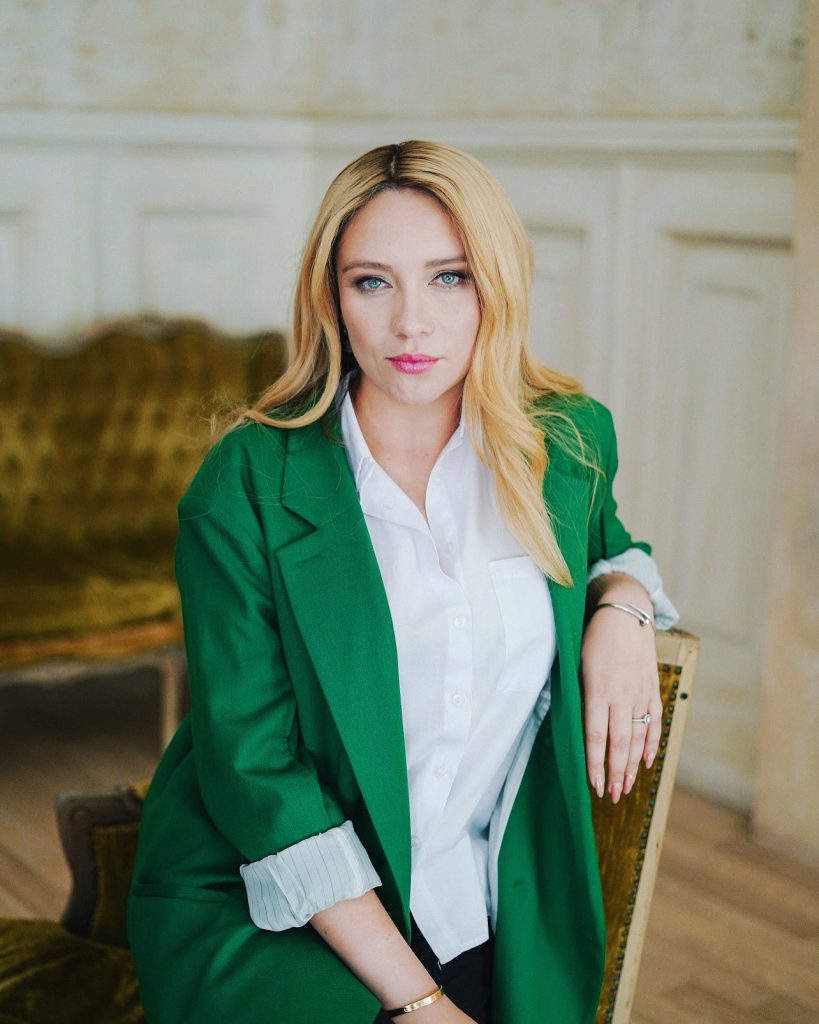
In the traffic and iGaming industry, names often turn into brands faster than companies turn into corporations. However, the story of Inna Gagarin is not about a quick hype, but about a fundamental «match». A girl from a small town who chose the unpredictable world of digital strategies instead of a stable railroad dynasty has become one of those who shaped the face of the modern CPA market in Ukraine and abroad.
She is not afraid to say that success is measured by money, and trust is measured by financial discipline. There is no place for info-gypsyism in her approach: only a dry balance, a strong team, and a reputation that she has been building for years. Today, Inna is a symbol of how female leadership is changing the rules of the game in a niche that was dominated by male rules just yesterday. We talked to her about her journey from a 200-hryvnia proofreader to the status of a key industry figure, her ability to stop at the seashore in time, and why ambition is the only thing that hasn't changed since childhood.
Childhood and youth
HWYD: Where were you born and what kind of family did you grow up in?
Inna: I was born in the city of Znamenka, Kirovograd region, into a family of railway workers. And it's really a family dynasty: my mom, dad, grandparents, and grandparents all worked for the railroad, going back several generations. On my father's side, one grandmother was a math teacher, and my great-grandfather was a prosecutor. But everyone else I remember and know from my family was connected to the railroad.
The family was absolutely ordinary. It was a small town-about 40 thousand people at the time. An ordinary kindergarten, an ordinary school. I grew up in the difficult and rather harsh 90s, when there was often a lack of basic things, and it was a difficult experience. I think many of our generation know this well.
HWYD: What kind of person were you as a child - more quiet or ambitious? What childhood memory do you consider important for understanding yourself today?
Inna: I have always been ambitious. At the same time, I was an absolutely normal child. I was popular in class, I wasn't bullied, we had a cool group of girls where we supported each other. We were friends with everyone - with boys and with each other - and we did well in school. I wasn't the star of the school, but I didn't have any problems either, neither with my studies nor with my friends. I was just an average girl from a small town in Ukraine.
The most vivid memory that characterizes my ambition very well is the story of textbooks. At school, there were simply not enough of them for everyone. And my persistence - or perhaps even my impudence - helped me a lot. I always had some kind of grip. My classmate Katia and I once came to the library and realized that there were no books we needed. But eventually we got them - by some miracle, we “scrolled through” this issue. I think this is very much about me. We had a crazy thirst for knowledge. We didn't say: “Well, okay, there are no books, so we won't study.” We literally broke through and received these textbooks among the first, in full, so that we could study.
HWYD: Who or what had the greatest influence on the formation of your character in those years? What were your dreams back then-what did you see yourself doing in the future?
Inna: I was greatly influenced by the fact that I lived in ordinary conditions and in a small town. I really wanted to “go beyond” this space. I wanted more - to be on TV, to become famous, to be visible. I saw myself as a star. It didn't matter in which field - acting or journalism. Journalism seemed the easiest way because I was a good writer. But even then it was important for me to choose the best university. My family also had a great influence. A combination of my mom's warmth, kindness, and empathy and my dad's severity. Although my dad is also very kind and sensitive, it was the balance of gentleness and demandingness that I think had a strong influence on my upbringing.
HWYD: Was there a moment in your life when you had to take responsibility early on?
Inna: I guess I took responsibility very early on, since I was a child. I have a younger brother, and it so happened that my parents worked a lot, so I was often responsible for him. In such situations, you have to grow up quickly. When you are responsible not only for yourself, but also for someone smaller, it forms a different attitude to life. Everything happened: I lost him, looked for him, took him to school, and actually got involved in processes that are not usually a child's area of responsibility.
In general, I was a very responsible child. Despite the difficult times, I had a music school from an early age - I started there when I was about six, even before I went to a general education school. Then there were clubs and classes. I didn't like music school very much, to be honest, but I graduated and played for about ten years. Plus, I was the school's head girl. That is, the sense of responsibility-for myself, for others, for the process-has been with me for a long time.
HWYD: Looking back, do you see any traits in that Inna that are still with you today?
Inna: Absolutely everything. Everything that happened in my childhood stayed with me. Shyness, perseverance, and the desire to achieve something. In fact, nothing has changed. I just became an older version of myself.
Education and first steps in the workplace
HWYD: What path did you choose after school and why?
Inna: My parents really wanted me to go to work for the railroad, just like they did. This has been our family history for generations. But I always wanted something bright, and it was definitely not the railroad.
HWYD: Did you immediately realize that you wanted to build a career in business?
Inna: No, not at all. For a very long time I thought that business was not about me. I imagined myself in a TV newsroom, creating content, programs, and stories. At that time, no one realized that classical journalism would gradually disappear, and entertainment content and YouTube would become dominant. I thought I would either go into news as the “fourth estate” or into entertainment formats. I got into business by accident. And just as accidentally, it turned out to be IT, and later - a traffic-related field.
HWYD: What was your first job and what did it give you?
Inna: My first job was as a proofreader in a publication. It gave me stamina and perseverance. There was very strict discipline and a very small salary. My first salary was 200 hryvnias. It was 2007.
Entry into the iGaming and CPA sphere
HWYD: How did you get started in this field and what were your first impressions of the industry?
Inna: My journey began in 2010 with the Khreshchatyk poker club. Back then, I was a fourth-year journalism student and worked as a part-time journalist at the poker series. That's where I met Tolik. After several years of working in various companies and in the poker industry, he suggested that we start a CPA network together. That's how I first got to the conferences, the professional community, and the industry itself. It was from there that my first networking began to take shape.
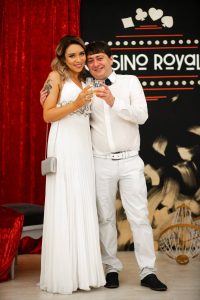
Then came the main company, the parent structure, and the product line. Then there were various networks, teams, work formats, experiments. At some point, I even had a poker school. We were engaged in the gamification of products - to be honest, I've done a lot of different things over the years. If you don't count the two years of poker as journalistic experience, then in total, I have about 13 years of experience in the industry. During this time, I tried many directions. Not everything worked out, a lot of things didn't work out at all. But some of it has definitely worked out. And I recognize this.
HWYD: What seemed the most difficult or incomprehensible at the start?
Inna: The most difficult thing was to understand how traffic works in general. It seems obvious now, but 10-11 years ago it was a completely different reality. The explanations about “traffic”, “grids”, and “matchmaking” sounded very abstract. And here I am very grateful to my former boss, Ildar, who always said: “Inna, if you know the math, you know everything.” Even if your first business doesn't take off, knowing the basics allows you to try again and eventually figure out where you'll succeed.
HWYD: At what point did you realize that this environment offered an opportunity for scaling?
Inna: I didn't have a specific “moment”. We were growing up together with the industry. I came in and everyone was small, and I was small. There were big players, but it was a completely different league, with which we didn't even intersect at the time. So it felt like we were all growing and scaling in parallel.
HWYD: When did you feel ready to create something of your own?
Inna: It wasn't a sudden decision. There was no moment of “I woke up and realized that's it, I'm doing my own thing.” This is a story about circumstances, support, suggestions, and the right moment. Everything just worked out - one plus one equals two.
HWYD: What was crucial for you in building the affiliate program?
Inna: Two things: a large number of direct advertisers and a strong team that knows how to work with traffic. When these elements converge, the system works. When something falls out, everything starts to fall apart.
HWYD: How did you build the team and culture within the projects?
Inna: Initially, the team was formed from people who were already around and wanted to grow together. It was easy to start from scratch with them. Later, we started looking for people from the market, and it is much more difficult. People come with their own experience, which is not always relevant, and it is harder to build a culture.
There were several stages: a family atmosphere, then a more corporate structure with regulations and boundaries of responsibility. I don't consider myself a genius of corporate culture - it was a living, changing process.
Leadership, reputation, influence
HWYD: You are often called one of the key figures in the industry. How do you feel about publicity?
Inna: I'm fine with publicity because I'm used to it. This is one of the facets of my personality. I didn't have a moment when I said to myself: “That's it, I want to be public.” It happened very naturally. I didn't have any goals to be recognizable or to specifically form a public image. It just happened over time that I communicate a lot with people who have been in the industry for a long time, and they know me. Whether I am a key figure is not for me to judge. It is better to let others evaluate this. One thing I can say for sure is that I really like the people I work with, I like what I do, and I like the environment I am in. There are a lot of strong people in the industry now who have been in it for a relatively short time but already have serious business results. And this is very cool. The industry is growing, and this is more important than any personal “titles”.
HWYD: How do you build trust with your project partners?
Inna: I always say it very bluntly: trust in any partnership starts with money. This is the foundation. People will work with you if you pay. If you don't pay, they won't work with you, even if you have good human relations. You can be friends, you can have great conversations, but if you don't fulfill your financial obligations, there will be no partnership. This is a basic thing.
But there is another side to it. You can pay on time and in full, but if you are an unpleasant person, if you are difficult to work with, if you have no respect, no one will want to work with you for a long time either. So for me, it's always a balance. It's about 50/50. You have to be an adequate, honest, open partner and always fulfill your financial obligations without exception. For me, this is the basis of trust.
HWYD: What were the most risky decisions in your career?
Inna: To be honest, I didn't have any one decision that I would call the “riskiest” one. Launching any new project is a risk. And not all of them were successful. Moreover, most of them were not successful the first time. This is normal. So for me, risk is not something exceptional, it's part of the process. Rather, what is important here is the ability to accept that something didn't work out. To accept your weaknesses, to accept the moments when you were not perfect, not the strongest. This is also part of maturity. The realization that you are a living person, not an infallible function. There were many risks. Not so many of them were successful. But they all taught me something.
HWYD: What is more important to you in the long run - the result or the reputation?
Inna: Over the long haul, it's definitely reputation. No doubt about it. If you want to build a “come, earn, and leave” business, then maybe a short-term result is more important. But if you are building something for the long term, if you plan to work in the industry for years, reputation is everything. You can show the result once, twice, three times. But you either have a reputation or you don't. For me, the answer is very simple: reputation.
HWYD: What does your life look like outside of work? What fills you the most?
Inna: People fill me up the most. My inner circle. This is my family, relatives, close friends. This is my foundation. Besides, I really like my lifestyle in general. The opportunity to travel, see new places, learn something new. It also fills you up and gives you a sense of life. But to be honest, my family and those people who are with me not because of work will always come first.
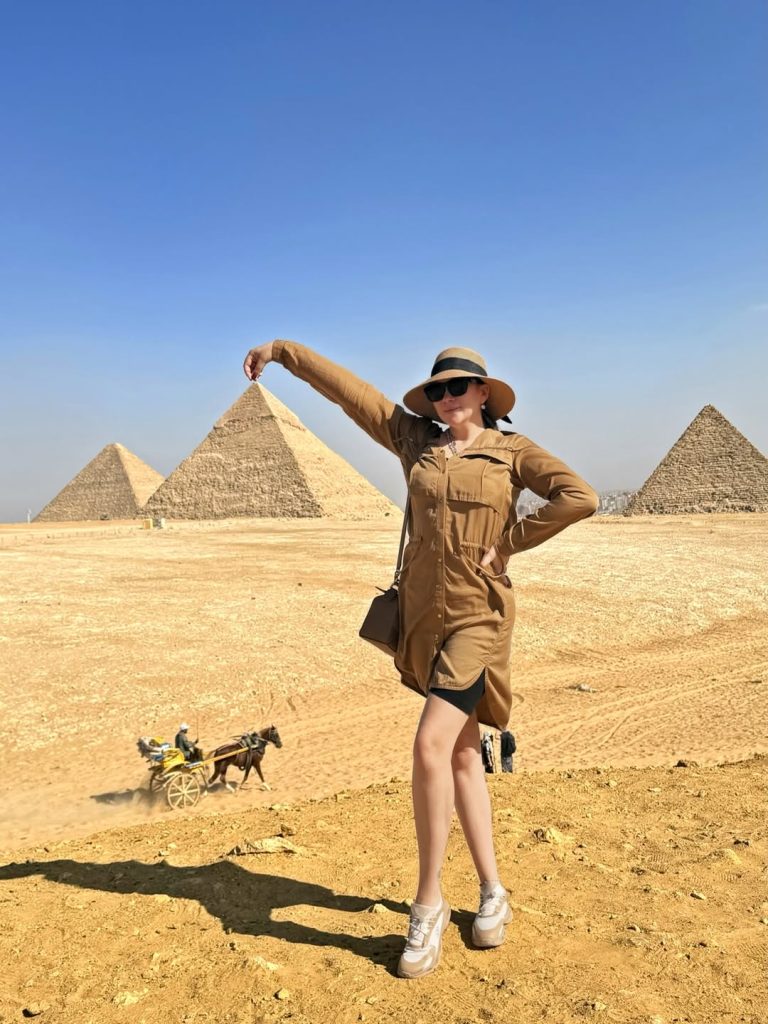
HWYD: How do you recover from difficult periods?
Inna: I am recovering in Cyprus. I just come there and spend as much time as possible by the sea - with myself. I walk a lot, read a lot, breathe a lot. I really like the Cypriot vibe, this island history, the sense of calm and simplicity. After four years, I realized that Cyprus suits me very well. I don't need to do anything special to recover - just being there is enough. A week is usually enough for me to feel alive, healthy, fulfilled and happy again.
HWYD: You travel a lot and are constantly on the move. How do you cope with flights, changes in biorhythms and jet lag? Do you often manage to go home and see your family, or has life on airplanes become an integral part of you?
Inna: To be honest, I don't feel jet lag at all. Flying is very easy for me. I can fly anywhere and feel like I've never been anywhere. It seems to me that my body is just used to it. I can fly for 4-5 hours, arrive and immediately be in a working or normal state of life.
It's more difficult with loved ones. I try not to fly for more than two weeks. I always come back to Cyprus. I rarely see my parents - two or three times a year. There is only the phone, communication and acceptance of this reality.
Future and meanings
HWYD: How do you see your next professional stage?
Inna: In the future, I would like to focus more on my family and myself at some point. I can't say that I need to “rest” because I'm not tired. But I would like to be able to switch gears and have more freedom. It's important for me not to be on call all the time. Because at some point, when you have calls from morning to late evening, you don't have time to do anything, and at the same time, you have flights, logistics - it's not the work itself that exhausts you, but the pace. I would like to have more time to watch something interesting, to live an interesting life - without having to constantly run somewhere, call someone, be in the process 24/7.
And the next professional stage... I don't know. Maybe I would like to do something completely different. I even think sometimes: perhaps a restaurant by the sea. Or some basic consulting in an area that I understand well, just in a format that gives me more freedom to do what I want. But I definitely don't want to leave the industry completely. I'm interested, I like it. I think it's great for me and for the industry if we move forward together. It's like that.
HWYD: What challenges are you most interested in working with now?
Inna: I am always interested in new markets - it is a constant challenge. Because it's complicated: different rules, different people, different context, different logic. But that's what keeps you on your toes. I also find it very interesting when people set a high bar for themselves and then actually reach it. When someone first declares a “great level” and then confirms this level with their actions, it's a thrill to watch and be part of such a process.
HWYD: What impact do you want to leave in the industry in the long run?
Inna: It seems to me that I have already left him. If this is true, I am very happy about it. I think a lot of girls have come to believe that girls can do a lot too. And that they don't have to “shrink” to meet expectations. If at least part of this happened because I was just doing my job, being visible and not hiding, then that's already very cool.

 HWYD: What is the main marker of success for you today?
Inna: For me, like for everyone else, the basic marker of success is money. It sounds trite and even mercantile, but it's true. Success is measured in money. If you have money, you are successful. If not, well, I'm sorry, no matter how it sounds. Then there are nuances: you can be an introvert and stay at home, you can be an extrovert and party, you can be super-public - it's all a lifestyle and a choice. But without money, the very fact of “success” is very difficult to confirm.
The final block
HWYD: Who do you feel like today, without roles and titles?
Inna: I'm just an ordinary girl. And, by the way, I don't really feel like a “woman” - I feel like a girl. I'm still very interested in everything: I'm interested in living, I'm interested in researching something, I'm interested in doing something, communicating with someone, learning something. I'm just interested in being a human being, and that's enough for now.
HWYD: What advice would you give yourself at the start of this journey?
Inna: I would advise myself not to be afraid of anything. To trust people more, to love people. Love your team, your family, your environment. Respect your competitors, treat everyone with dignity and not deceive anyone. This always comes back to haunt you on the course, both in a good and bad way.
HWYD: And the traditional HWYD question: what do you want to say to the people from the industry who are reading this interview?
Inna: Don't give up on your dreams - if they are real. Go ahead, because everything is real. But it is important to realize that this is not a fairy tale. You never know what will happen next. And no one else does either.
C'est la vie.
Важливо
After a conversation with Inna, you are left with a feeling of extreme clarity. In a world where everyone tries to appear to be more than they really are, she allows herself the luxury of being just «a girl who is curious about life.» Her path is not a straight line to success, but a series of risks, some of which did not work out, but each of which gave her the same grip she mentioned when talking about schoolbooks.
Today, Inna Gagarin is moving to a new level - an international context, new markets, and a search for freedom that is worth much more than any check. She has already left her mark: hundreds of girls in the industry look up to her as proof that you don't have to shrink to fit into someone else's expectations.
And «c'est la vie» in her performance sounds not like a sigh, but like a conscious acceptance of the rules of the game in which she has long been more than just a player...
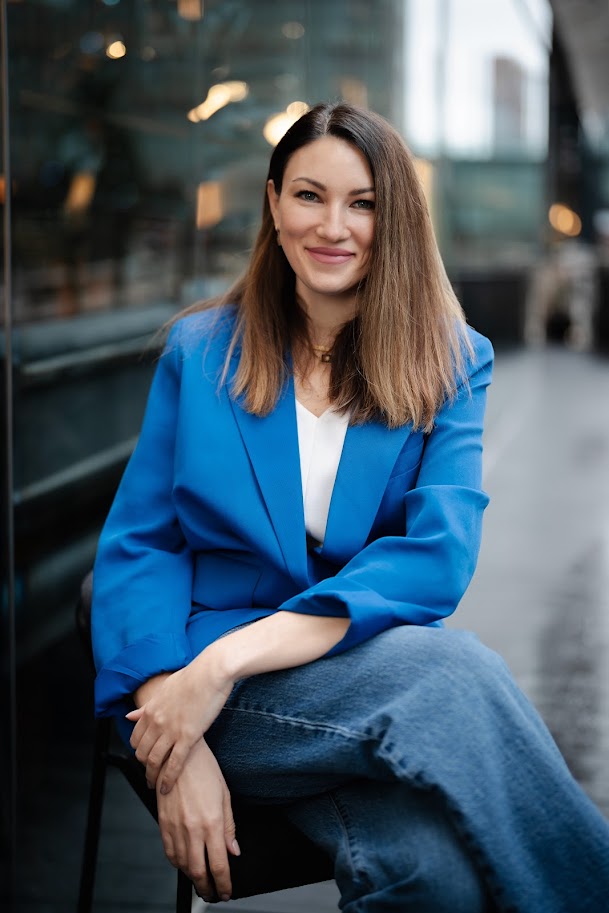
We met Dasha a few years ago through fruitful networking and mutual acquaintances. She was pleasant, sincere, and had an extremely sharp mind - that's what I noticed then. I knew little about her work, but it was enough to realize the level and importance of her as a specialist for the companies she represented: back then, Daria was a non-media person, always in the shadows, but she was guiding and setting the strategic direction for large companies.
I recently found out that she has taken over AFFSTELLAR, completely reorganized the company, and is actively and successfully working to restore the company's reputation and good name. But she will tell us all about it in our interview. Traditionally, stock up on hot tea, make yourself comfortable, and enjoy the read!
Kostya Golubev - editor-in-chief of HWYD
Childhood, youth and first job
HWYD: Tell us about your childhood. What kind of family did you grow up in? When and where were you born?
Daria: I was born and raised in Kyiv, the most dear and beautiful city in the world. My childhood is closely connected with its history: I loved exploring the old streets, exploring architecture and historical sites, because many generations of my family lived here.
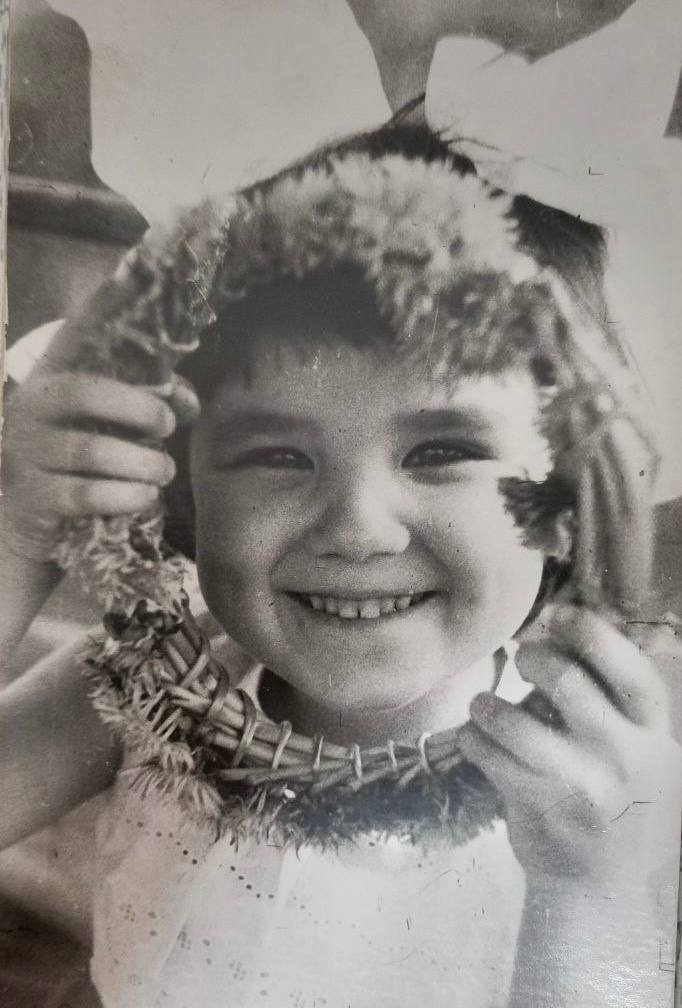
My parents are a teacher and an engineer. Perhaps this is why I realized very early on that business is a combination of logic, systematicity and creativity, and that this is what I want to do. Even as a little girl, I saw business as an opposition to the first professions with the opportunity to go beyond and think more broadly, and therefore earn more 😉
At the age of five, I was enrolled in dancing, devoted five years of my life to it, and I must admit that after that I don't want to watch any dance shows anymore.)
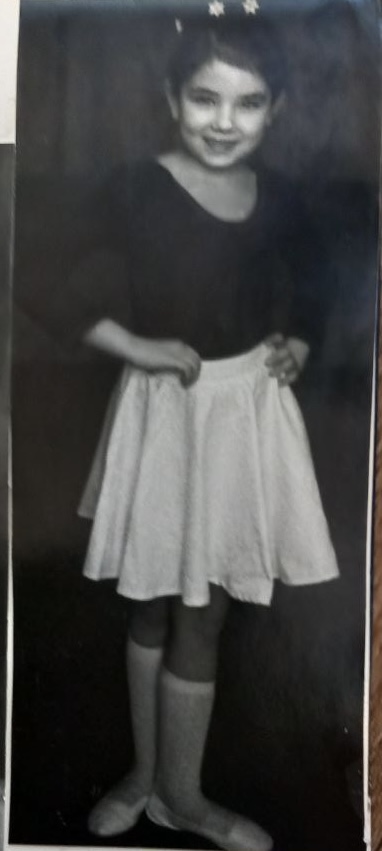
HWYD: Describe your most vivid childhood memory.
Daria: Summer. Kyiv courtyard. Lots of greenery. Vacations are just beginning. Friends are already waiting outside, and there is the same childhood excitement to run away to Hydropark, where the Dnipro was completely different then than now. And then to return home with wet hair and naively explain to my mom that we just got caught in the rain, sincerely believing that she will believe))
HWYD: What did you dream of becoming when you grew up? Why?
Daria: I have always been fascinated by economics, trade, numbers and calculations. For me, this is a form of creativity - creating systems, processes and models from scratch. I've always enjoyed seeing abstract ideas turn into working mechanisms.
HWYD: How did you study at school? What subjects did you like the most? Which ones the least? Why?
Daria: Oh) I did well in my studies - 4-5 (there was such a system back then). But there were questions about my behavior: it was difficult for me to obey rules that seemed illogical. Because of this, I periodically had conversations with teachers, and after graduation, I felt absolute happiness.
My favorite subject is chemistry. Experiments, experiments, searching for patterns. My least favorite subjects were those where the teachers were not invested in the learning process - it was always boring and uninteresting for me. These were the classes I most often skipped, which, again, did not go unnoticed.
HWYD: What university did you graduate from? Why did you go there?
Daria: I love to learn)) That's why it's a lifelong process for me. First, I graduated from Kyiv Aviation University with a degree in Marketing. It's funny that when I told people where I was studying, many were sure that I was preparing to become a flight attendant 🙂.
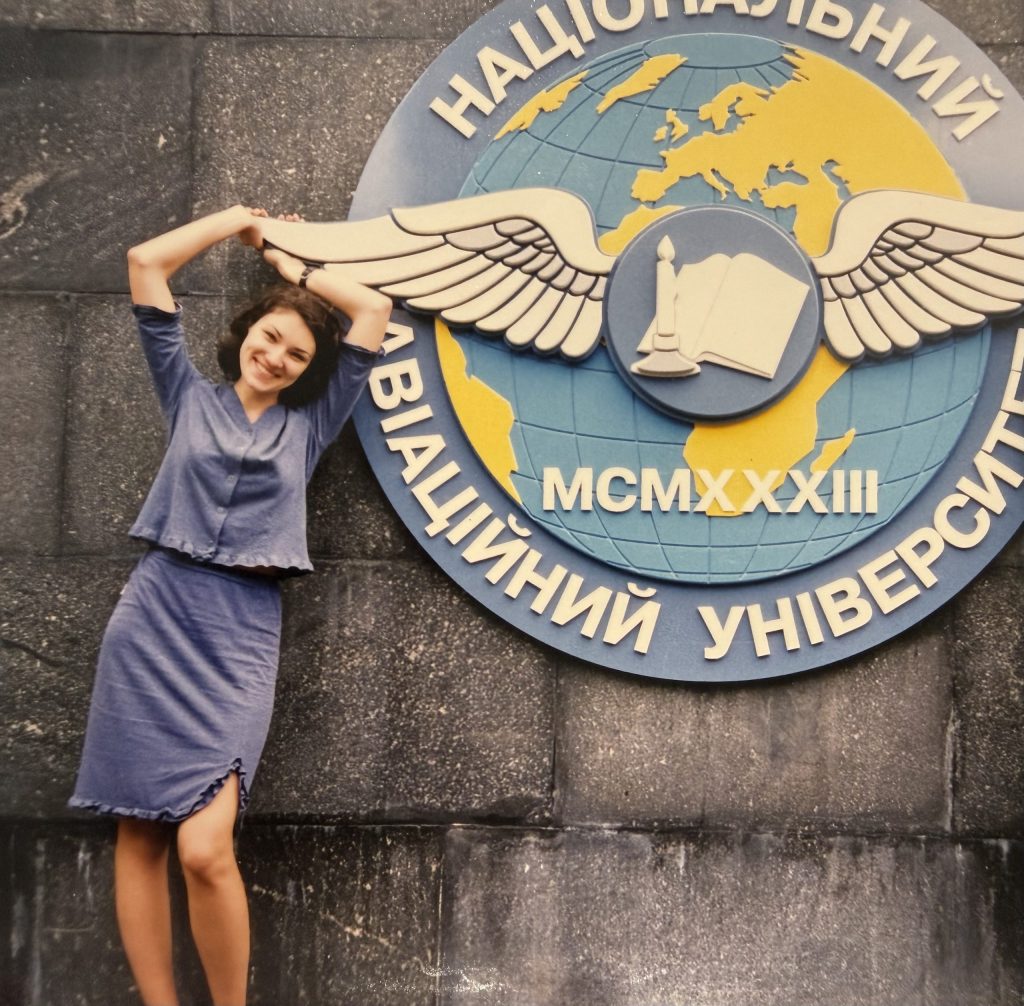
Later, I studied financial management at the University of Trade and Economics. And today I am studying business and entrepreneurship at a London university.
HWYD: What was your first job and where did you spend your first salary?
Daria: The first work experience is always unforgettable. At the age of 14, I felt an urgent need for financial independence and went to sell books. And of course, I spent my first salary on shoes - the most fashionable ones.) During my student years, I managed to play many roles: I worked as a counselor, participated in children's parties as an animator, and was a model. All these experiences have shaped me as a person.
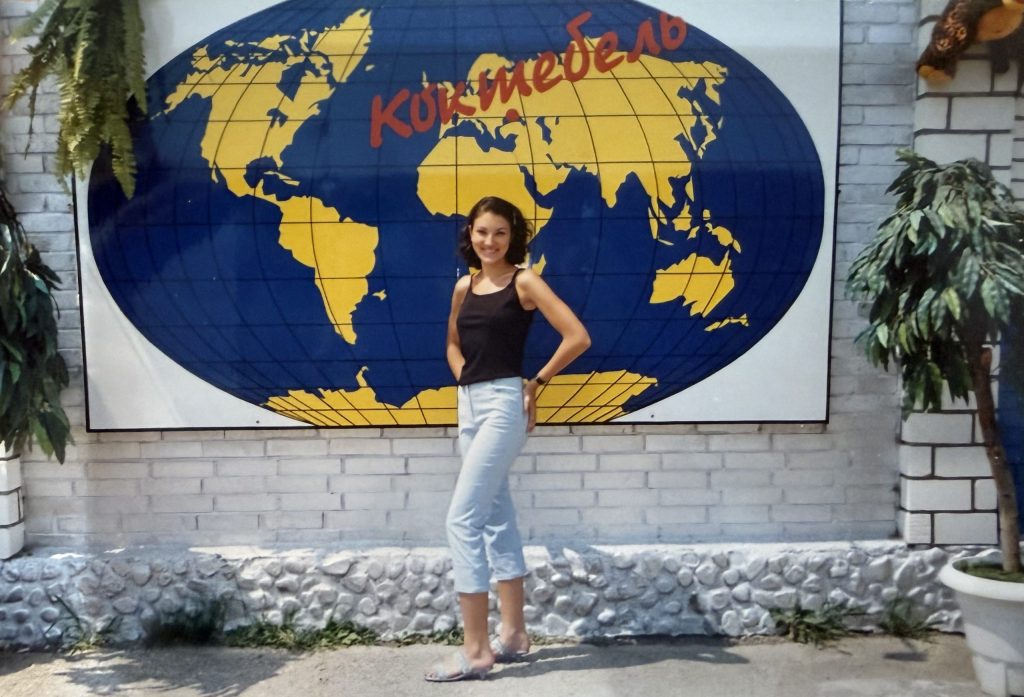
Arbitration and successful crisis management at AFFSTELLAR
HWYD: How did you find out about the industry? What was your impression of it?
Daria: About five years ago, I got acquainted with this niche, assessed its scale and opportunities. I was most attracted to the market dynamics, the speed of decision-making and, of course, the financial potential.
HWYD: Describe your first position in affiliate marketing. What were your responsibilities?
Daria: Initially, I entered the business as an investment analyst and asset manager. Gradually, as I got to know the specifics, I saw the strengths of this area more and more. My key responsibilities were analyzing strategies, assessing potential and risks, and finding a balance between them.
HWYD: How did your career in the industry develop further?
Daria: Later, I received an offer to relaunch the AffStellar brand and take on the role of CEO to develop and scale the business during a difficult period for the company.
HWYD: How difficult was it for you to make the decision to lead the company in a very difficult period?
Daria: It was a very difficult decision. I took almost a month to make it, which is a critically long time for me. The main stop factors were the difficult communication aspects of the previous team with partners, as well as the loss of trust in the brand and skepticism about the new team.
HWYD: How did you see the crisis being overcome, and what methods did you implement?
Daria: The first and key step is an open dialog with all partners: meetings, calls, honest conversations, closing the negative from the past and creating new conditions for cooperation. The second important element is the team. I came with a completely renewed, motivated team that I can rely on. The next step is systematic work: to fulfill our obligations on a daily basis. Only forward movement.
HWYD: What are you currently doing at AFFSTELLAR? What are your goals and directions for development?
Daria: My key task today is to build transparent, long-term and successful relationships with partners and grow turnover together with them. Other important areas include creating internal sources of traffic generation and achieving the company's planned financial targets for revenue and profit.
HWYD: Where do you see yourself in the future? Do you plan to stay in the company and develop it, or is your task to be an exceptional crisis manager? What growth points do you see for yourself and what horizons will you conquer?
Daria: My primary task is to bring the company to the planned targets, which we are now confidently moving towards. And then we will see. The market has a huge potential, there are many ideas, but I am always very cautious with my forecasts. Nevertheless, I am honest with myself and my partners, and I know for sure that the team and I are doing a titanic job together, which we are proud of and passionate about.
Важливо
HWYD: What advice would you give to newcomers who are just planning to join the affiliate marketing industry? And what vacancies are currently open at AFFSTELLAR that could be useful for our readers?
Daria: My main advice is not to be afraid of making mistakes, not to be shy about asking questions and to have a deep understanding of the field. Open communication and responsibility for your commitments are the keys to success.
As for the team: we are currently actively scaling up and will be glad to see affiliate managers and media buyers, in particular. If you have at least two years of experience in the niche, a desire to develop and become part of a reliable team, we will be happy to review your CV.
You can contact us via Instagram.
There are people who come to affiliate marketing for the sake of quick numbers. And there are those who are looking for its internal logic: how everything works, why it works, and how to make sure that success is not a random flash in the pan for one month.
Alisa Melnyk is one of them. Her story begins in Lviv, in a family of artists, where art was not a choice - it was an environment. The smell of paints, sketches, conversations about form and meaning, the habit of looking closely. And although the classical creative path seemed like a logical scenario, at some point in this story another word appears - scale. First works, first ambitions, first strong teams, and “adult” digital. And then - an accidental entry into affiliate and iGaming, which very quickly ceased to be accidental. Dozens of found influencers, first leadership experience, large budgets, team management, and the understanding that there is always one thing behind any integrations and campaigns: the system or lack thereof.
In this interview, Alisa shared her honest thoughts on perfectionism and directness, what “voluntary captivity” of an affiliate looks like, the power of communication, painful management decisions, and why she brings students to the offer not by magic, but by structure. And also about the next stage.
When you no longer want to solve ordinary tasks, but want to build architecture. Not to amplify the chaos with performance, but to create a foundation that can withstand the market. This interview is about a path that was not easy. But it is definitely real.
Childhood and environment
HWYD: Where were you born and what kind of family did you grow up in? What was the atmosphere of your childhood like?
Alice: I was born in Lviv, into a family of artists. I didn't have a question of whether I was interested in art or not - it was just around me. The smell of paints, sketches, conversations about form and meaning, constant «look closely». I was a very creative child, I drew a lot and learned early on to look at the world from a different perspective. It was the 90s, a difficult time, sometimes harsh, but at the same time very honest. And despite everything, I grew up in love and support. So when I think about my childhood, I don't feel nostalgic and painful, but rather a warm smile.
HWYD: What memory from those years do you still carry with you and why?
Alice: Most often, I remember family celebrations of the New Year. When everyone got together, the snow seemed real, and time seemed to slow down. I really loved being with my grandparents - there was a sense of security and silence with them that is difficult to explain in words. Another important memory is traveling with my parents to Crimea. The sea, long conversations, the feeling that the world is big, but now it's all yours. It was good then. Simple and real.

HWYD: Looking back, do you see any traits from your childhood that have stayed with you today?
Alice: I was a stubborn child with a temper and an «A» student syndrome. I remember how I could stand at a press kiosk for thirty minutes, make the saleswoman show me all the magazines, and then calmly say, "I need to think." And leave. I have always been for justice, did not tolerate falsity, and said what I thought-even if it was inconvenient. This inner straightforwardness has stayed with me to this day. As well as my love of solitude and my own rhythm - a typical business Capricorn, with an inner sense of the bar that I never lower for myself or for the process.

Education and career path
HWYD: You studied at an art school and later entered the Academy of Fine Arts and Architecture. Why did you choose this particular field?
Alice: Without being too modest, I just couldn't help but draw. I have always painted. Not «when I was inspired», but steadily, like I was breathing. It was a passion, a therapy, and a legal way to disappear from reality when I got bored with it. Therefore, entering the academy was not a big life choice - it was a scenario without alternatives. Everyone wanted it: both me and my parents. A separate point of pride is the budget. I didn't even consider the contract. In my head, it sounded like «you fell short». I would not have forgiven myself for that. And yes, I still consider it the right decision.
HWYD: Who did you imagine yourself to be at that time-an artist, a director, a movie person?
Alice: But no. At that time, I could only imagine myself as a person who was definitely here for a reason. I didn't think much about my professional identity, but I was very aware of my «heritage». I come from a dynasty of artists, and this seemed to be a sufficient answer to all questions. My grandfather, Ihor Yanovych, was a painter and until his death he held exhibitions all over the world. My father started out as a painter, but later went into art direction and graphic design. My mom is an illustrator. At that time, I thought simply: if I am given this, then I will somehow realize it. The details came later.
HWYD: What did this education give you, not in terms of your profession, but in terms of your thinking?
Alice: First of all, I am surprised. I can actually «see» ideas. Generating them in batches is effortless. This is my natural mode. Secondly, a cold shower.
Once my art teacher said prophetic words: «Alisa, you're very talented, but you're a bit of a clinger,» and it really triggered me. I left the classroom feeling like I had just been insulted. And then life said: «No, it was a diagnosis.» Over the years, I learned not just to come up with ideas, but to bring them to fruition. I became structured, attentive to details and very intolerant of superficiality. Now, for me, it's either a result or not worth starting at all.
HWYD: When did you realize that classical art was not the only way for you?
Alice: At a time when I really wanted to have my own money. To buy beautiful things. My parents have always supported me, but I'm not one of those people who are okay with being «under the wing». And somewhere deep down, I already realized that the path of an artist is a thorny path without financial guarantees. And then advertising came along. My dad was working as an art director at the time, and they were shooting commercials, and I was looking at it with a thought: «Stop. Isn't that creativity?
In my third year, after a few vivid conflicts, I decided to leave the academy. I simply stopped going to classes because I was bored. The scholarship was taken away from me because of my failing health and safety (yes, health and safety), and it was the perfect sign from above. I thought: okay, universe, I heard you. I don't want to spend my time on something that doesn't monetize, doesn't scale, and doesn't bring me drive. I have no regrets about it.
First steps in work and digital
HWYD: What was your first job and how did you get there?
Alice: My first job was as a model scout. I loved being photographed, but I realized very early on that a modeling career was not for me. I was 161 cm tall, had to go through constant castings, had to change my weight and conform to standards. And most importantly, I was not attracted to the idea that someone was choosing me.
I much preferred to choose and manage the process myself. This is a very pleasant feeling, by the way. In addition to finding girls, I also organized creative shoots, assembled teams, and thought about concepts. It was a great experience, but it quickly became clear that I wanted to have a bigger scale and impact.
HWYD: What did your work as a model scout give you?
Alice: The most important thing is the ability to find an approach to people. Absolutely different people. Understand motivation, fears, triggers, ambitions. At that time, I didn't know the word «affiliate» yet, but this particular skill later became one of the key ones for me.
HWYD: How did you get into SMM and digital in general? And do you remember the moment when you realized that digital was serious, not just a “temporary thing”?
Alice: I had an interview with Moreca Atelier, a Ukrainian brand with a very ambitious bid for the international market. At that time, we were doing things that few people in their 20s could boast of: global collaborations, including with hip-hop artists like Future and Jay-Z. The bar was immediately set very high. I wasn't formally an SMM specialist at the time, but my boss believed in me because of my soft skills. I was hired into the team and paid for an SMM course at Bazilik at the same time.
I clearly felt that the world was moving into digital, and it was not a trend, but an inevitability. That's why I didn't plan anything in advance - in a good way, I just went with the flow, watched and learned. I really liked the team, the process, and the product we were creating. And I am still grateful for this experience - it has largely shaped my future path.
Login to Affiliate and iGaming
HWYD: How did you first learn about affiliate marketing and iGaming?
Alice: Ha! It was a complete accident. At that time, I was at a classic point of uncertainty: very ambitious and very green at the same time. I opened my first agency (there were three of us co-owners), but to be honest, none of us really thought about unit economics and strategy at the time. I took on a bunch of projects, tried to handle everything at once, and quickly realized that I couldn't take it anymore. Burnout hit me hard. It was painful to close, but it was a forced decision.
At that time, I wanted exactly one thing: one normal project that would cover all my financial needs so that I could stop working like a horse. To give you an idea of the scale, I dropped out of my own blog for years. I was literally sick of social media. And from the word «SMM» too. Back then, there was no such thing as a beautiful word as «remote work» - there was an office. And I considered only Podil or the center. No compromises. I went for an interview and received an offer the same day. It was so fast that I started looking for the catch.
As a result, I ended up at a large holding company (many people have heard of it, but here is an NDA) and was simply blown away. The scale of the budgets and how easily people make decisions. I remember my first thought: «It doesn't work like that». Of course, I still didn't understand a lot of things at the time. But I was really gnawing at this place. We were deliberately put in a competitive environment with another guy and given the same task: «Find Indian bloggers».
When they asked for the result, I found 50. He got 6. The next day, he just withdrew. And in two months I became a team leader.
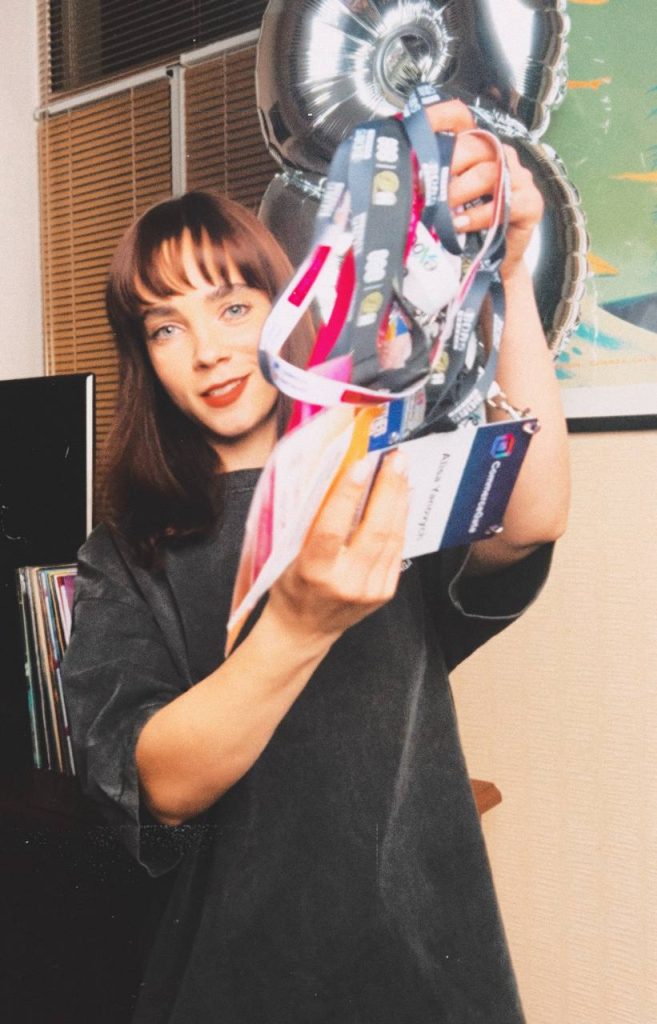
HWYD: What role did you start with and what did you do at the beginning?
Alice: My position was called affiliate influence manager. I was looking for bloggers, negotiating integrations, launching placements, and implementing the company's budgets. Later, I managed a team that did the same. And it was then that I first saw that there were numbers behind ideas, and real solutions behind the numbers.
Growth, teams, responsibility
HWYD: What did your path from a specialist to a managerial position look like?
Alice: Thorny. My next project was a startup, where literally before my eyes we assembled a team from scratch and launched a product. It was the stage when there are no right and wrong decisions - everything is tested in real time.
I was offered a higher position, and I accepted. It was at this company that I experienced my greatest professional growth: within a year, I was in charge of half of the marketing department. My perfectionism probably played a role - it was important for me to gain a foothold for a long time and show results. Of course, there was also «juggling»: competition, envy, and internal struggle. Each project is like the Borgia series: the strongest survive. But in each of them, I thought not about my own ambitions, but about the business and the team. Yes, I wanted to grow, but it was never an end in itself.
I enjoyed gathering people around me. We really had a strong team of creative, lively, ambitious people. This vibe is something like Silicon Valley: creativity, freedom, constant movement. And it is very important that the CEO did not micromanage, but trusted.
HWYD: Who was your biggest team - and what was the most challenging part of the experience?
Alice: My largest team consisted of 25 people. At some point, we split the marketing department into brand and acquisition, and I was responsible for the brand direction. The most difficult thing is the transition of roles: yesterday you are colleagues, and today you are a manager and a subordinate. That's why from the very beginning I tried to build a safe and comfortable environment where everyone's opinion is heard and individual, lively relationships are built with each team member.
A head is a bridge between the team and the C-level. It is about a high level of diplomacy: explaining with empathy why a promotion is not possible now, or why an idea needs to be reworked because priorities have changed. iGaming is about volatility and constant change of focus. And you are always balancing: between team expectations, business goals, and reality.
HWYD: How does the mindset change when you move from tasks to people and systems?
Alice: I have always known that I am not the best performer, but I am a very strong organizer. I know how to find people who can do better than me, create high-quality technical specifications and build processes. I love people, I know how to convey meaning - and my managers saw this, which gave me a career boost.
Consistency is something I'm still working on, because without it, everything falls apart. I saw crooked business processes very often in the companies I worked with. But the key thing to remember is that the lack of stable, honest communication can destroy even the most promising startup with good investments. Here I am again - balance. Between indifference and micromanagement. Between rigidity and softness. Management is the constant maintenance of this balance.
HWYD: What was the most painful but most valuable management lesson for you?
Alice: The most painful thing is to fire people. To give unpleasant news. But I have learned to do it in a way that doesn't leave people devastated. Once, after such a conversation, I was even thanked. This is part of the journey. And each such stage is an experience for which we should be grateful and move on. Whether we like it or not, business is focused on numbers and metrics. But a true managerial talent is to maintain humanity and good relations even after difficult decisions. I once fired an employee, and a year later invited her to another project because it was there that she could reveal herself to the fullest.
The second important lesson is not to be afraid of mistakes. I constantly repeat this to my students. Mistakes are not a failure, they are testing. The main thing is to understand the price of a mistake. Make a mistake, draw conclusions, and move on.
Affiliate as a way of life
HWYD: You often say that affiliate is not just a profession. What do you mean by this phrase?
Alice: I really often talk about this and broadcast it on my blog: affiliate is a way of life. There is an a priori period when work becomes a priority. The 9 to 19 format is not about this sphere at all. It's a constant balancing act and a lot of inner involvement. I have long since accepted the fact that I hardly ever have a classic weekend. Sometimes it's hard to just relax and do nothing. But at the same time, there are moments when your usual routine changes to networking abroad - somewhere in London or Barcelona - and you clearly realize that this is also work. And that's when you realize what it's all about. Can you call it complete freedom? I'm not sure. For me, real unfreedom would be living from paycheck to paycheck. It is thanks to Affiliate that I have grown financially: an apartment, a car, a watch - this would not have happened if I had remained a marketing head in a «white» Ukrainian company. That's why I call it a voluntary captivity 🙂.
Another important aspect is connections. No matter what anyone says, it works in any country. Today you meet someone at a conference, and tomorrow they recommend you for a cool project. There are no geographical boundaries. Almost anything is possible in this field - if you allow yourself to dream and get out of your comfort zone.
HWYD: What does your life look like outside of work - and why is it important to you?
Alice: About three years ago, I developed a habit that comes before work - sports. For the last year, it has been regular tennis training. It is extremely important for me to have a hobby and keep fit - sports give me support, energy and inner stability. I have a family and my dogs are a big and very important part of my life. I also run a blog, and believe me, it takes as much time and resources as a full-time job. I have a team that helps me realize my ideas, and it's also about taking responsibility for it.
In general, I live a completely normal life as a Kyiv girl: manicure, beautician, household routine, billiards, movies, and friends. We all live a routine every day. And the only thing I would advise everyone is to make your daily routine enjoyable. Small rituals shape our lives, so they should not be neglected.

HWYD: Have you ever experienced a burnout period and how did you deal with it?
Alice: Apparently, it is not in affiliate. This is a difficult question. I try to constantly balance myself so as not to bring myself to this state. And sports helps me a lot. So does having a life outside of work. Money coming to your card on a regular basis is also a nice reminder that you are moving in the right direction. I love my job, although I don't idealize it at all. There were cash gaps, hard days, and difficult months. But this is part of the journey. Any development consists of highs and lows. I just try to think optimistically, and it works. In my opinion, the main counteraction to burnout is a strong, slightly obsessive goal that wakes you up in the morning and faith in yourself, even despite all the hardships.
Affio School and mentoring
HWYD: At what point did you get the idea to start your own school?
Alice: While working on my second project, in 2022. At that time, I had already trained about a dozen interns and worked with teams a lot. And it was this moment of sharing my insights-when you see a person grow, apply knowledge, and succeed-that became the greatest pleasure for me.
The idea for the school was born out of the logic of the Blue Ocean Strategy - I consciously chose a different path. It was a risk. At that time, most launches in the infobusiness revolved around familiar and «safe» niches, and it was unconventional and unobvious to go into affiliate. To be honest, I didn't know that it was worth starting with cashback. I created a product first, and only then thought about how to promote it. The first year was very difficult. I received a ton of hate because I chose the ecological way of building trust, month after month.
And then the feedback came. People started writing that their lives were changing. And at some point you stop thinking about money and start thinking about something much bigger. I really want to change as many lives as possible for the better, no matter how pretentious it sounds. Many of those who built their businesses on hype alone have failed because their entire business model was based on launches. I realized right away that launches were not my path. I built a systematic, boutique training, not for mass, but for results.
I am starting this year with a clear understanding of what I am doing and why. In a few days there will be a conference, and with each such event, there are more and more of my students there. This time, there are at least six whom I will definitely see. I guess happy students are my main achievement.
HWYD: What, in your opinion, is the most important thing that people who want to start an affiliate program from scratch need?
Alice: A system that is laid out on the shelves. Affiliate is an avalanche of information, in which you can «swim» for a very long time without any result. I give direction and only what really works and helps to move faster. At one time, it was soft skills that helped me build my career faster than technical skills. Techniques are developed, but the art of communication takes a lifetime of training. Confidence is what sells you at the first interview.
I bring students to the offer, but at the interview, the person does everything on their own - and this is fundamental for me. My task is not to do it for them, but to give them confidence that they can do it. And she does. Most people want quick results, and this is a trap. Those who are willing to work for a long time and without expecting an instant effect usually get results much faster.
HWYD: How do you define Affio School's core value?
Alice: The main value is in the synergy between student and teacher. My format is mentoring, and it is always a bit about psychology. I am able to find the «key» that unlocks potential and restores a person's self-confidence. Anyone can give knowledge. But not everyone can give faith. But faith in your own strength is the 70% of success. Most students at the start are people who are burned out, tired, and have lost their bearings. They need a fresh perspective from the outside. And, honestly, each of us needs it - I am no exception.
HWYD: What is the most important moment for students for you-the first offer, the first interview, or the first failure?
Alice: The first failure. It brings you back to reality very quickly, and that's good. Often it is followed by an internal one: «Oh yeah? Well, now I'll show you.» The first interview is like roulette. You can fail, and that's okay. Or you can get a perfect match. The first offer is already a clear result. Like the first press cube or the first medal. A small but very important reminder: «I can do it».
So I will say this: all these stages must be there. They form wisdom and inner peace. Someone needs an offer, and someone needs another door. And they will definitely open. Yours will always find you.
HWYD: What motivates you to continue mentoring, even when it takes a lot of energy?
Alice: I just love my job. I feel that this is my destiny, at least at this stage of my life. You see people's sincere emotions, you see them grow, change and become happier. Yes, this is a very energy-consuming story. But at the same time, it's insanely resourceful. And there's nothing stronger than a message: «Alisa, I got an offer». At that moment, it's as if I'm reliving my first emotions. And it's incredible.
Future and meanings
HWYD: How do you see the affiliate industry in a few years?
Alice: Definitely faster, tougher and much more professional.
HWYD: At what stage of your professional career do you see yourself now and where do you want to go next?
Alice: I am now at a very clear turning point. After the last conference in Rome - or rather, a month after it - I finally decided to launch my own agency. I clearly see the issues I want to work with. I grew up being hired. I'm 30, I have experience, a bigger vision, and the ambition to work with ecosystems rather than just one business. I want to have a broader impact: to help brands build strategies, not just close operational tasks. That's why Barcelona will be my first conference in a new role - as an agency founder and strategist.
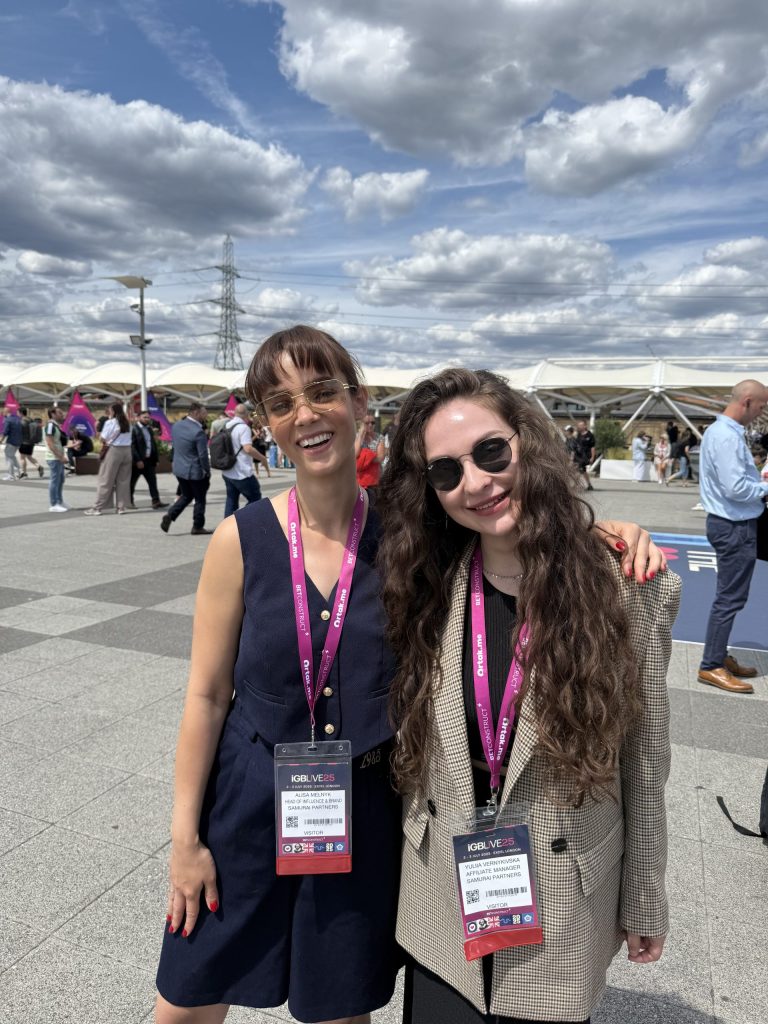
HWYD: How do you see your focus shifting in the future - from roles within companies to working with brands on the level of strategies and systems?
Alice: During my four years of work at affiliate, I have seen one systemic problem. In 80% cases, budgets are merged not because of the market or traffic, but because the strategy simply does not exist. Companies think in the horizon of one month. They choose GEO, where everyone else is going. They copy other brands without understanding their role in the market or why the user should choose them.
I'm no longer interested in being responsible for traffic alone when the strategy is limping along at the foundation level. I'm tired of «patching up» the lack of vision with performance. That's why I'm moving on to working with brands at the level of architecture: positioning, influence systems, market entry, and long-term solutions. To be honest, our industry critically lacks bold and intellectually interesting brands. You can count them on one hand. I want the competition to be not just aggressive but smart. I want the affiliate market to develop no worse than the «white» industries - strategically, creatively, and systematically. This is where a strategic agency makes sense. Not as another contractor, but as a partner that builds the foundation, not just launches another campaign.
HWYD: What kind of meaning and scale of impact do you want to build into your next stage - and why is this important to you now?
Alice: My focus is on working with brands in high-risk niches. I see my role as an advisory partner who helps brands make sober decisions and protects their long-term interests. This is especially important for startups - those who have not yet managed to spend their budgets chaotically or whose growth is built on high expectations. It pains me to see good products being closed not because of the lack of a market, but because of the lack of a system.
A separate area of my expertise is working with influencers. Let's be honest: very few know how to build influence in a way that pays off. Most expect performance from a brand that is not ready for it. I don't sell individual campaigns. I build systems: a brand foundation, influence architecture, and processes that allow businesses to scale without chaos. This is what the name of my agency, Stratella, reflects. It's about strategy. About the structure. About the long game.
HWYD: Who do you feel like today, without the titles?
Alice: I am a happy and fulfilled person. I know that I am in my place now. I just wonder what will happen next and where this path will lead me. There are no over-expectations in this feeling, just like when I was at the art academy or at my first job at affiliate. But my eyes are burning again, and this is the main marker for me that I am moving in the right direction. I want to do my job well and build a strong team. For me, this is a marathon, not a sprint.
HWYD: What advice would you give yourself at the start of this journey?
Alina: The same one I always tell my students: believe in yourself. Everything will be great. You'll see.
HWYD: What would you like to say to people reading this interview right now?
Alice: Do not wait for the moment when you are «ready enough». It doesn't exist. I've checked it out. Take steps with what you have now. The rest will come in the process.
Важливо
There is no «glossy legend» in this story, and that is what makes it so appealing. Here is the reality as it is: with painful decisions, behind the scenes of big budgets and a constant search for balance. Between the humanity in the team and the rigid systematic approach required by the market, Alisa talks a lot about structure - and it's no accident. In her world, creativity without results is just an idea. And a result without a system is temporary. Today, she continues to do what she does best: see deeper, collect meanings, and translate them into a systematic business.
At HWYD MEDIA, we love such stories. Not for their «perfection,» but for their honesty. This interview is a simple reminder: success does not happen to those who wait for the perfect moment. It is the result of clear steps and a structure built in time. Start building your foundation now - everything else will follow.
We've known Sasha for a long time - we met, as usual, at a conference somewhere. She is bright, energetic, and full of cool ideas that we have periodically implemented together and continue to bring to life: filming, interviews, new formats - all of this Sasha generates thanks to her outstanding talent and, of course, experience, which, when you learn about it, you begin to understand that such results and leadership positions (currently Sasha is Head of SMM & Content at N1 Partners ) do not fall from the sky, but are achieved through hard work. That's why I thought of telling Sasha's story to our community.
I'm sure many of our readers are familiar with her or have at least seen Sasha or her work in the industry. So, as usual, grab a cup of tea and enjoy your reading!
Kostya Golubev, editor-in-chief of HWYD
Childhood, youth and first job
HWYD: Tell our readers about yourself in a few sentences. Who is Sasha Kufayeva today?
Sasha: I'm a person who creates, works, laughs, is inspired by the people around me, and loves my family, dogs, and good food. I just live and enjoy every moment.
HWYD: What was your childhood and school years like? What were you fond of, what vivid memories from that period can you share?
Sasha: My childhood was quite eventful. I studied at a physics school, so physics and math were top priorities (I still remember the drill and cosine 30° rule). This, in fact, helped me get into Kyiv Polytechnic on a state-funded basis.
In my free time, I played CS 1.6, went to show ballet, was fond of photography and retouching, and, of course, lived my teenage life with my classmates. It's like most people, but it was this mixture of technical and creative that really shaped me.

HWYD: How did you get into marketing? Why and what attracted you to it, and when did you realize that you wanted to develop in it?
Sasha: To be honest, I was just lucky to be in the right place at the right time. After graduation, I was very selective in my first job search and went into SMM in an office supply store. I ran a TikTok account, was a model, a screenwriter, and an editor myself. I worked with influencers, came up with newsworthy stories - in short, I lived for creativity.
I liked to see how content really affects sales and brand awareness. That's when I realized that marketing was my thing, because it's about creativity, quick results, and the freedom to experiment.
Arbitration in the iGaming niche
HWYD: How did you find out about the industry? What was your impression of it?
Sasha: It was a pure accident. I was looking for a job, a friend sent me a vacancy, and I took it, and so I got involved in this arbitration quite unexpectedly. And, to be honest, I got involved in the golden period, and it just went from there.
The first days I really thought: «What kind of industry is this and why does everything look like a fierce scram?» But very quickly I realized that this is a big industry with big budgets, frantic dynamics, interesting tasks, and people who are really driven. I looked at everything that was happening here and caught myself thinking that I had caught my golden ticket. I was drawn into this abyss, and for almost four years now I have been living this rhythm and cannot imagine myself in any other field.
HWYD: What position did you take in the industry? What kind of company was it? What vertical did you work with? (here we give the first hints about your personal experience in the iGaming niche)
Sasha: I also entered iGaming through SMM. My first job here was in a large holding company that everyone in the industry knows very well. The verticals were gambling and betting.
She created content, ran social media, announced events, covered conferences, was part of PR communications, and even became the media face of the company at one point.
HWYD: How did you continue to move up the career ladder? In which project did you feel your own realization and competence?
Sasha: In three years at the holding, I've changed three positions and really developed myself in all areas of SMM and communications.
I've been doing all kinds of things:
- promoted the brand on social media;
- was building the media presence of the tops;
- was a presenter and brand person herself;
- attended more than 20 international conferences;
- built processes for content and event coverage;
- brought brand communication to the Ukrainian market.
I sincerely enjoy working with people - this is my superpower. I love building a community around a brand, uniting loyal people who stay with the company for a long time. After 3.5 years in the industry, I already had a full baggage of knowledge, strong expertise, and a willingness to move on - that's how I came to N1 Partners.
HWYD: How many offers met your requirements and wishes? Why did you choose N1 Partners?
Sasha: I was very selective. I spend most of my life at work, so it's important for me to enjoy what I do and have the freedom to realize my ideas. There were a lot of offers, but I knew for sure that I wanted to work for the international market, I wanted to be in the product, I wanted dynamics and projects where I could create something great. The product has more diverse tasks, more drive, faster growth, and budgets that allow you to realize even the boldest ideas. N1 Partners has fully met all these criteria, and I have never regretted my choice.
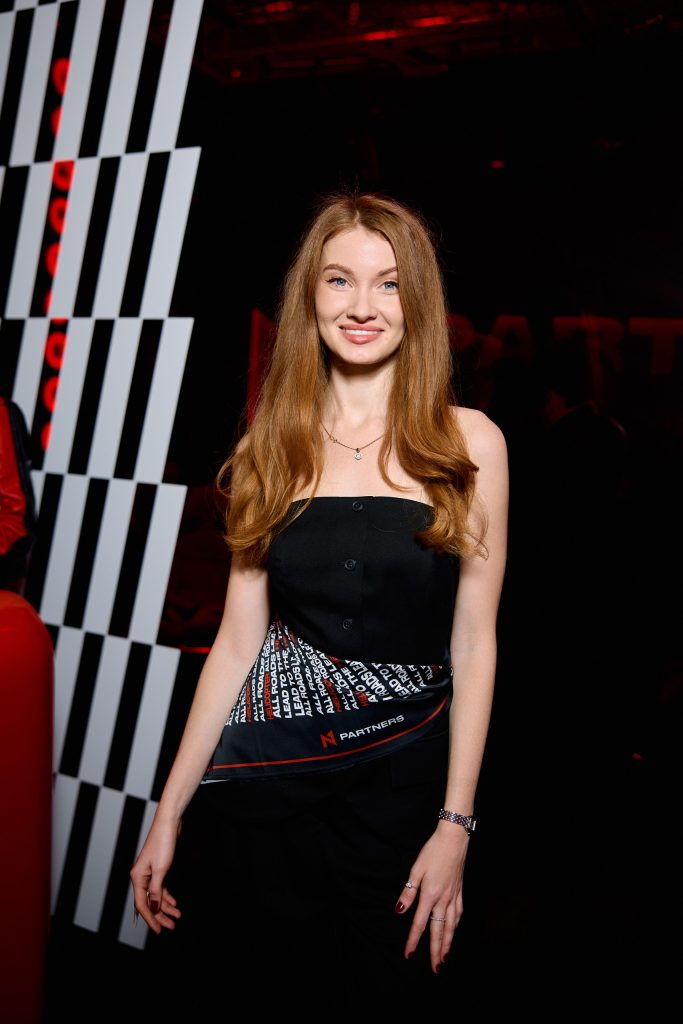
HWYD: N1 Partners is a leader in the iGaming niche. Have you analyzed the company in terms of the iGaming market? What achievements has the company made in this field and how did it gain trust among the iGaming community?
Sasha: Yes, of course. I have known about N1 Partners for a long time, even before I joined the team. The company has been on the market for more than 7 years, and the industry perceives it as a stable and trustworthy player. This is the case when you don't even need to ask about reputation, it is simply clearly visible in the community's reaction.
How did N1 Partners gain trust in the iGaming industry?
- Flexible payout models - CPA, RevShare, Hybrid, individual conditions, and various withdrawal methods. Partners get what is really convenient for them.
- Personalized offers tailored to geo and traffic type.
- High product conversion and a strong retention system: loyalty programs, bonuses, promotional materials that really work.
- Analytics and constant support from managers. Partners know that they will be prompted, helped, given a quick response, and supported 24/7.
- Trust from the community. This is important - N1 has good relations with the market, and many have been working with the team for years.
HWYD: How many iGaming offers are in the company's portfolio? What GEOs do they cover?
Sasha: In our case, offers = brands (casino and betting). Currently, we have more than 14 of them: N1 Bet Casino, RollXO, Lucky Hunter, Slot Lords, Spirit Casino, Jet4Bet, Slot Lounge, and others.
Our main focus is on Tier-1 markets (Austria, Australia, Canada, Switzerland, Germany, Denmark, France, Ireland, etc.), which provide a wide range of geos with strong growth potential. We follow a flexible traffic strategy, effectively using SEO, PPC, ASO, Facebook, Email, SMS, UAC and other promotion channels.
HWYD: How many affiliates does the company have now? Do you plan to scale up? Social networks show that you care about your partners (including helicopter flights, various gifts, etc.) - how do you choose the approach and what is the principle of loyalty programs? What can a website that cooperates with you get besides payments?
Sasha: We do not disclose the exact number of partners publicly, but I can say that it is 10k+ affiliates around the world. Of course, we are planning to scale - I would say that this is the main task that all departments are constantly working on. We launch new products, enter other GEOs, provide partners with even more benefits, and simplify the scaling process as much as possible so that the cap expansion happens as quickly as possible.
Building and maintaining partner loyalty is one of our top priorities, so in 2025 we focused on the partner community. And judging by the results, we did a good job, so we will continue to develop this area in 2026. Social media activity, PR placement, awards, conferences, the launch of a flagship YouTube show, and, of course, N1 Puzzle Promo - is a campaign that the entire industry is talking about.
Working in the rhythm of Brand Marketing N1 Partners
HWYD: What is the name of your current position at N1 Partners, and what are your responsibilities?
Sasha: My position is Head of SMM & Content. I am responsible for the development of all our social networks and all the content we create: visual, expert, event content, rolls, scripts - everything that shapes the brand externally.
HWYD: Tell us about the brand marketing department at N1 Partners. What are the main areas of work, what is paid special attention to, and what does the company focus on in terms of positioning itself as a brand?
Sasha:
The brand marketing department at N1 Partners is divided into 4 key areas:
- PR
- Event
- Production
- SMM & Content
As part of brand marketing, we are engaged in shaping the company's image in the market, creating a positioning strategy (identity, TOV, key messages), maintaining the brand's reputation in the industry, content and communications, and developing partner loyalty. All areas of work are built around our main message - «Be Number One with N1», which underlies the entire brand strategy.
HWYD: Your direct department is SMM & Content. How many people work on content creation, what channels of information distribution do you use for this purpose? What types of content are “flying in” and for what audience? Who is your direct reader/consumer of information?
Sasha: A whole team works on the content: SMM managers, copywriters, designers, production, videographers, and brand personalities. It is always a team effort. We run several channels: Instagram, Telegram, LinkedIn, Facebook, as well as blogs and a website.
Each channel has its own formats and tasks:
- Instagram - more entertaining, dynamic content, rolls, interactives.
- Telegram and blogs - expert materials, longreads, news.
- LinkedIn - HR brand, company news, and team growth.
- Facebook - important announcements, newsworthy events, and a channel for additional diversification of traffic and reach.
Our audience includes affiliates, media buyers, teams, and business development in the iGaming industry. We customize the content and tone for each platform to make it really stick.
HWYD: What niche content do you consume/read, what do you follow to stay on trend and aware of the latest industry trends in terms of social media?
Sasha: To be honest, I consume absolutely everything related to the industry and social media. I am subscribed to all the key influencers in the field of iGaming, arbitrage, and marketing and actively follow each of them. In Telegram, I have a separate folder with about 50 thematic channels and from time to time I skim through them all to quickly gather context and understand what is trending. Every day I monitor competitors: what formats they launch, how they present information, what appeals to their audience. Plus, I am constantly in communication with the community - in closed chats, working groups, and internal expert discussions. I'm always in the flow, it's already part of my life)
HWYD: The company is regularly extremely visible with its presence (including stands) at the world's top conferences. How do you and your team prepare for such events from the point of view of your particular area?
Sasha: Conferences are an important part of our work, as they are major media events and a powerful tool for brand development. Therefore, we prepare for them in advance and systematically.
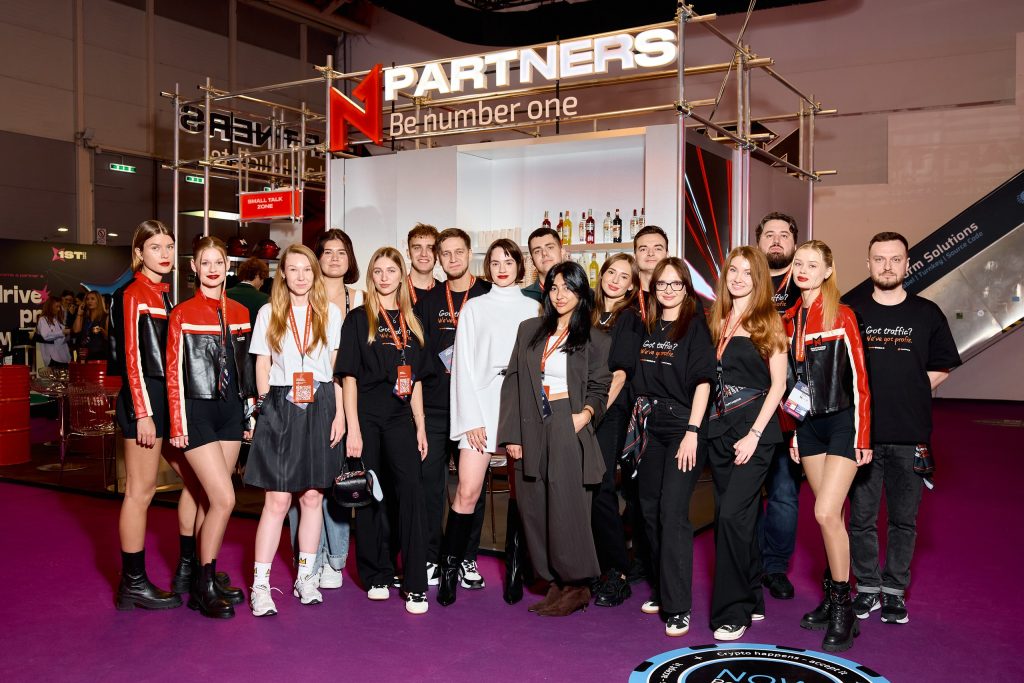
In 2026, N1 Partners will be represented at four leading events: iGB Affiliate, iGB L!VE, SBC Summit, and SiGMA Central Europe. From the brand marketing side, we set goals for each conference, develop a stand concept and activities that should increase awareness and interaction with partners.
The SMM & Content team works in parallel:
- prepare a content plan;
- we brief the production;
- We think about interactive activities that will gather coverage and new subscribers;
- We communicate at all stages.
Communication is organized in a before/during/after format:
- To: announcements, intrigue, signing up for meetings, warming up activities.
- During: live events, interviews, dynamic content from the stand, partner engagement.
- Afterwards: summaries, photo and video reports, case studies, and materials for the media.
Our goal is to make N1 Partners as visible and understandable to partners as possible during the conference, and to make the content work for recognition and engagement.
Future plans
HWYD: What successes have you already achieved as part of the company? What are your goals for the future?
Sasha: In six months at N1 Partners, we have managed to do a lot. The number of subscribers has doubled, and the reach has increased by 3 times. I built the department so that everyone understands their goals, area of responsibility, and development trajectory. We rewrote the strategy, updated our approaches to content, and refreshed the corporate identity together with designers - now it is coherent and recognizable.
I am also proud to work with the HR brand: our LinkedIn page is now one of the most visible and active among competitors in the niche. My goal is not to stop. I want to continue to improve the visuals, messages, and tone of communication and build a level of brand presence that would make people know about us, want to work with us, and want to be part of our team.
Важливо
HWYD: And finally, what advice would you give to newcomers who are coming to a position like yours or related ones?
Sasha: The first thing I would advise beginners is to train your eye. Watch how social media works for big international brands, analyze their approaches, presentation, and visual style. Don't copy, but adapt and remake it for your audience.
Secondly, don't be afraid to start at the wrong level. At the beginning of the journey, everyone does tasks that are not always interesting and earns less than they want. This is normal. The main thing is to gain experience, make friends, and remain an honest person. The industry is very small, and reputation is everything.
And third, don't think of SMM as something narrow. It can only be a starting point. Further, the path can lead you to PR, brand marketing, community, production, or even C-level. I know cases where a person started as an SMM specialist and now works as a product CEO. So study the field, be in the context, go to conferences, communicate with the community. You will be surprised how quickly doors open if you are constantly moving forward.
HWYD: How did you start your career at Wild Wild Group?
Denis: One day I came across an announcement in an arbitration chat room that Wild Wild was looking for a BDM. It was then that I was actively looking for a new company. The offer, prospects, and the Wild Wild Group itself interested me the most, and my decision was made quite quickly.
I remember how our head Ivan asked me if it would be boring for me to take the BDM position, since I had a higher position in my previous company. But I took it as a small challenge and an opportunity to gain experience in the holding. Wild Wild Partners was just preparing for the release, and there was a lot of work to do - to raise all the contacts and negotiate really cool deals to break in at the start.
HWYD: What was your first project or role in the team?
Denis: I joined Wild Wild Partners in May 2024, initially as a BDM. The company was preparing for the announcement and release of an affiliate program, and everything had to be prepared quickly. I really remember the high of the work, when a team of true professionals works on one project and puts all their heart and soul into it, expecting a decent result.
HWYD: What did your growth look like within the company?
Denis: I started my career at Wild Wild Partners as a BDM. My area of responsibility included attracting new advertisers, maintaining relationships with current ones, scaling deals, providing the best conditions at the start and for skateboarding, analyzing competitors, and much more. Now I am a Team Lead BDM. All my previous responsibilities have been retained, but new ones have been added. Since May 2025, I've been managing the BDM department at WWPartners: building operations within the department, setting up processes, sharing my experience, learning, and teaching others.
HWYD: What helped you move to the next level?
Denis: I have always tried to take on a little more than is expected of me. Somewhere I went beyond my area of responsibility, somewhere I thought about the external factors of the company's work, somewhere I thought about internal processes, asking myself: "How can I be useful to the company not only as a BDM?". My head Ivan has always supported all my ideas and suggestions, and I am grateful that this has not gone unnoticed.
Once, at the holding's regular monthly report, our CEO said: "The company always needs 1.2 managers - those who give more than is expected of them." And then I realized that I was moving in the right direction. This is a way of life - to do a little more than is expected of you, and even more than you expected of yourself.
HWYD: How would you describe your "signature style" in your work?
Denis: I am a businessman with a lot of experience as a buyer. First of all, I understand what buyers really need because I have been working with FB since 2019. I understand how sours work both technically and mathematically. This helps a lot in negotiations with advertisers and in understanding with teams. In addition, I like honesty with partners, structured approach and ease of communication with both partners and colleagues.
HWYD: What achievements are you particularly proud of?
Denis: First of all, I am very proud of my team, proud to work with these people. I am proud of the partnership I have a hand in developing and building. If we look at specific cases and figures, the most recent is the FB storm in September-October. Our team felt the changes in the market, but we survived, adapted, and strengthened. And in the second half of October, we showed a result of x2 from the first half.
HWYD: What attracted you to the Wild Wild Group in the first place - and what keeps you there?
Denis: I knew about Wild Wild Group even before I joined it. In my previous company, I worked with both WWLeds buying and WWApps. Even then, I knew about the strong approaches within the WWG team. I was attracted to the holding, which was built with a responsible approach and formed a promising ecosystem.
Now I am sure that this is just the beginning. There are still many ideas and work ahead, and that is what drives us. I am confident that we will continue to be among the market leaders because we are doing everything possible for this. We employ professionals, and I want to grow, learn and work with them.
HWYD: What tasks drive you the most now?
Denis: Driven by the challenges of new realities. Is the auction getting more expensive? Okay, so it's time to negotiate the terms that previously sounded like something unrealistic. To stay in our field, you need to be flexible, constantly adjust not only yourself but also be able to convince your partners.
HWYD: What ideas do you want to realize in the near future?
Denis: I want to scale and develop what we have now. I want to implement an idea that no other partner network has ever successfully and on a large scale. I want our partners to say: "Only WWPartners can do this."
HWYD: How do you see your field or role developing in the future?
Denis: It's hard to be unique in our niche, but that's what drives me. I want to negotiate really cool and unique deals, develop my department, and see my employees learn from my experience and grow with me. I am especially pleased when advertisers write to me, with whom we do not yet cooperate, and say that they have heard about us, know about our cool traffic, and want to work with us. We do our best to make such cases even more numerous.
HWYD: What would you like to work on if you had no restrictions?
Denis: I dream of having an in-house product. It would be a very cool experience to work not only with external brands but also with our own. Promotion, traffic acquisition, all operational processes - I am convinced that this would boost us a lot.
HWYD: How would you describe your work style in three words?
Denis: Flexibility, ease, confidence.
HWYD: What energizes you outside of work?
Denis: I like to have a tea ceremony, and then go to the gym and work out to a set by KOROLOVA. Or just take a walk with the music.
HWYD: What kind of team atmosphere motivates you?
Denis: I like a friendly and responsible atmosphere in the team. I like being asked questions: "What's this?", "What about here?", "How about this?", "How do I do...?"
This shows that the team wants to develop and is not afraid of questions. As Ivan says: "There are no stupid questions," and I completely agree.
Важливо
HWYD: And finally, what advice would you give to those who are just starting out in the industry?
Denis: First of all, I would like to thank my readers - this is my first appearance in the media in 5 years of work in the industry. I hope for your support in the comments. I advise newcomers to stock up on valerian, because our field is no longer about "I'll get laid today and buy an M5 in a month." At least for now. It's a tremendous amount of work, development, creativity, analytics, business, connections, and new tests every day. When I started my career, cases were just starting to appear on the Internet, and a lot of information was not publicly available. Now there are a lot of cases, interviews, and materials.
Grab every opportunity - whether it's a junior position in a small team, an intern, or an assistant. Keep the answer "I can start working right now" ready. The main thing is to enter the industry. And then grow organically, doing your best. Don't be afraid to network - networking is a must in our industry. Catch the thrill of the job, and everything will be great.
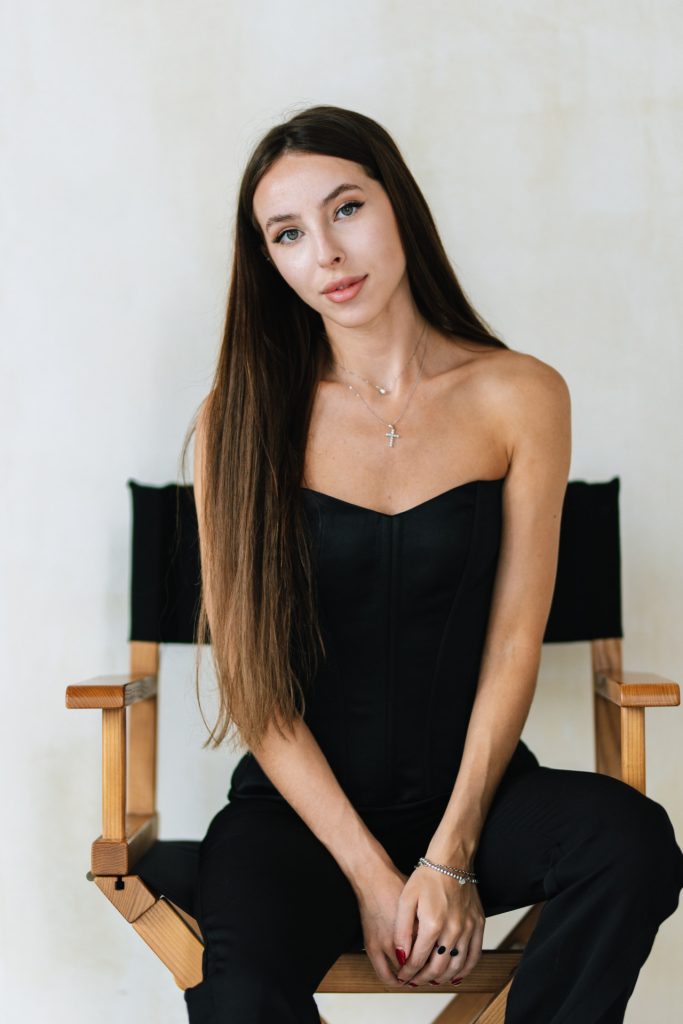
I met Sofia as part of my work at Wild Wild Group - we arranged for one of the AFFX streams to be trained on Wild Wild Apps and Wild Wild Leads platforms with the aim of hiring her as a Junior Media Buyer at WWL. We decided to fuel this story with a series of attention-grabbing videos, got to know each other, and realized that we were both passionate about our work. Sonia spoke with such passion about their students, believed in them so much and was so proud of their achievements that it made me proud.
Later, we met at Sempro Fest in Kyiv, where Sonya brought the students of the Academy. "Can you imagine how cool it is: not just teaching, but immersing, showing, introducing - networking from the cradle! I thought that I should definitely invite Sofia to highlight this story and tell the general public about the option of quality training at How Was Your Day, which, by the way, will also become a useful platform for newcomers to learn about market personalities, companies, and areas where they can work in the future.
So here's an interview with Sonya, fresh as a morning bun from the bakery near your home. Enjoy reading - it will be interesting. And it's also useful, because with the promo code [HWYD+AFFX] you can get a 10% discount on any AFFX course - don't miss the opportunity to use it.
Kostya Golubev, editor-in-chief of HWYD
Who are AFFX and who are their students
HWYD: Sonia, hi! Tell us about the AFFX Academy: when and why did it appear?
Sonia: The idea to create the academy came from the personal experience of our owner, namely the lack of high-quality specialists in the market who could quickly integrate into the work and benefit the business and, accordingly, develop along with it.
When the full-scale war began and Ukrainians were forced to leave for safer cities and countries (both internal migration and migration abroad), people lost their jobs and the ability to provide for themselves and their families. That is why the main goal of the Academy is to provide knowledge and skills only in practical professions that can be quickly mastered and earned either during or immediately after training.

That is, the Academy set itself the following goals:
- creating educational programs that provide Ukrainians with the opportunity to earn money wherever they are;
- Filling the labor market with talented practitioners so that companies can fill vacancies with high-quality specialists;
- Assistance to certain categories of people - combatants and war veterans.
HWYD: Who are your students? Who comes to study arbitration nowadays? Are they elderly people who are disillusioned with classical work? Or are they mostly young people without experience?
Sonia: There are completely different categories - from mothers on maternity leave to practicing professionals. Most of them are people who are changing careers and looking for additional income alongside their main job.
We had doctors, managers, business analysts, logisticians, athletes, and those who tried to figure it out on their own but lacked consistency, knowledge, and certain technical points. The average age of our students is 25-30 years old. We are very happy to have a diverse audience of students and to be able to help them change their lives.
HWYD: What educational programs do you offer?
Sonia: We currently have 3 active educational programs:
- Affiliate marketing: Nutra vertical
- Affiliate marketing: Gambling vertical
- SMM: From Scroller to Creator
Information about them can be found on our website.
And 2 more will be launched soon:
- Native
- Affiliate Manager
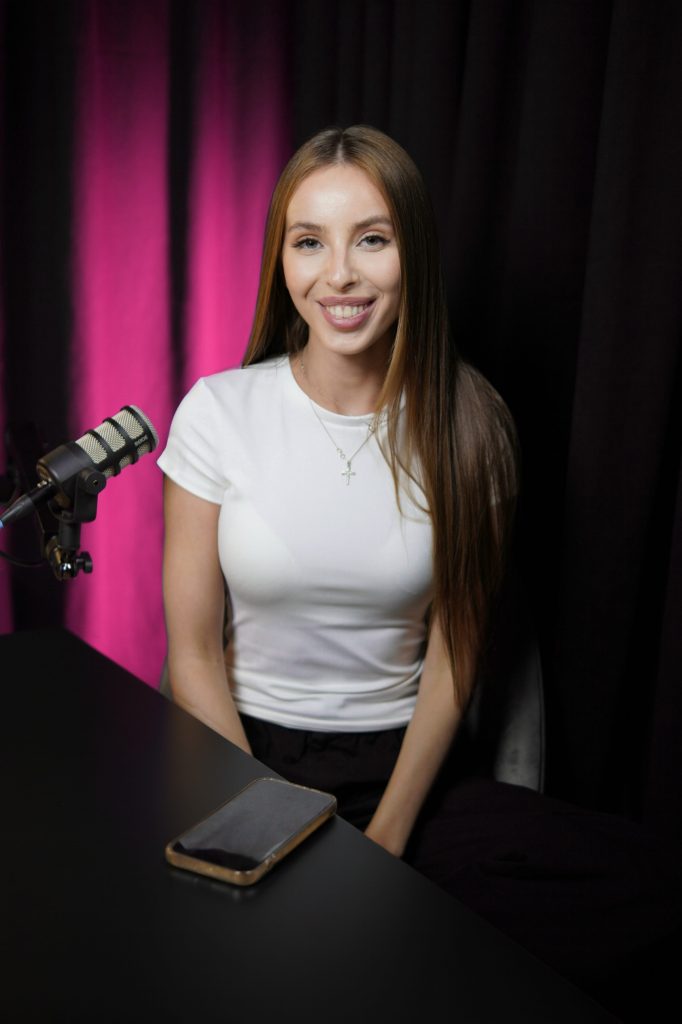
About mentors and streams
HWYD: How do you find and engage mentors? Who are your mentors?
Sonia: Mentors are searched for through various sources, from Instagram to Linkedin. Of course, not without recommendations and acquaintances. We also receive a lot of incoming requests like "I want to work with you."
The main thing when looking for a mentor and starting to work with them is that they should be inspired by our idea, be a practitioner (not the owner of beautiful statistics from Photoshop) and a responsible person. We always aim for a long-term relationship with mentors, while constantly checking the quality of training (it is very easy to measure in our country with the help of students' results), and if something goes wrong, we first look for ways to improve the situation, and in cases where the problem is in the mentor, we have to look for a replacement, which is always very painful for us). But our goal is to be the best on the market, so we only work with practices that have great results.
HWYD: How many streams have been released so far?
Sonia: 5 threads on Nutra, 2 threads on Gambling.
HWYD: How much does it cost to study at the academy?
Sonia: Tuition fees start from 399$. But we have excellent payment terms in installments, without additional % and commissions, so you can expect from 200$ per month.
About employment after graduation
HWYD: What are the additional benefits of studying with you? Perhaps employment right away?
Sonia: For each program, we have benefits: free services for work, ready-made tested connections, the best conditions from the top market players for students, and a mandatory component - job placement assistance. We have individual agreements with the best companies on the market, which are waiting for our students during their studies.
We work with students to prepare case studies and CVs, and hold online HR workshops so that they are fully prepared to apply to companies. And the companies, in turn, already know the level of our education and are "hunting" for our graduates.
HWYD: Who are some of the well-known market figures (people/companies) you have collaborated with? What was the result for you and the companies?
Sonia: Speaking of bloggers, you can see the entire list on our page and in the highlights as part of the large-scale advertising campaign "How can you do this?", in addition, we have media mentors with their niche telegram channels, and we never miss opportunities to collaborate with our partners Wild Wild Group, Everad, AFFHUB, Kupartners, SPT.
HWYD: How do you introduce newcomers to the world of arbitration besides teaching bays?
Sonia: Our students communicate directly with market leaders at online workshops, as they often come as invited guests and are happy to share information. We also practice networking at conferences with students and will soon launch the largest networking space in Ukraine, where themed meetups, events and lectures will be held. And let's not forget about the top media, thanks to How Was Your Day Media, our students will be able to learn about important people in the field, recognize their activities and navigate companies in the market.
 I personally met Vika and Diana while shooting a New Year's Eve show for GreyHunter last year. They are cheerful, friendly girls, and most importantly, professionals in their field. At that time, they were preparing the show and acted as a producer and editor on the set. Since then, we have been working together on various projects and collaborations. I knew that both of them had left their jobs afterwards, but I had no idea where they went. Suddenly, this summer, I meet them in Kyiv in the morning at the YoSa Affiliate Morning Club, which was held with the support of 2B Digital, and we talk, but not for too long - I warn them that I have to run to the shooting of the mysterious Piarcia. At the time, I didn't pay attention to the way the girls looked at each other and smiled. But when I arrived at the location the same day, I saw familiar smiling faces. As it turned out, they were Piarcia. Surprise - surprise! The masks were taken off, Vika and Diana told me how they had created a new agency, and I realized that this would be a new attraction for HWYD. So, WELCOME...
Kostya Golubev, editor-in-chief of HWYD
Childhood.
HWYD: Tell us about your childhood. What kind of family did you grow up in? When and where were you born?
Vika: I am from the city of nuclear workers - Kuznetsovsk (now Varash). It is a very young city where every second person works at a nuclear power plant. That's why I have a third hand, which helps me a lot in my work. Hahaha, yeah, that's my humor)
Every summer, I spent time with my grandmother in the countryside: herding turkeys, picking berries, feeding rabbits, taking the cow from the pasture, and enjoying my childhood. However, the latter lasted for a week at most, and I liked the city better. But I wanted to leave my hometown all my adult life. It was too "gray" and cramped for me-everyone is too close to each other, and everyone knows everyone. In a city of 40,000 people, it's hard to dream big or do something completely new. Since childhood, I wanted freedom in everything: in actions, in movement, in ideas, in development, and even in dreams. That's why I decided to move to Kyiv to study.
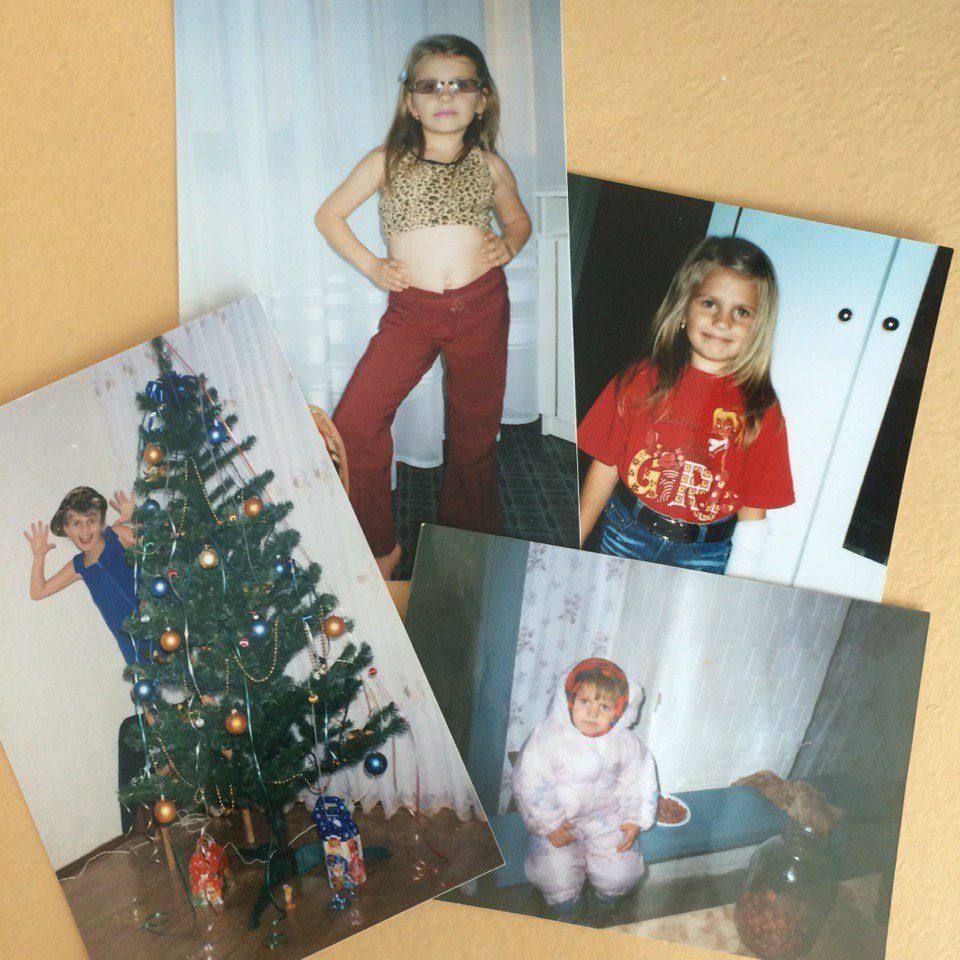
Diana: I lived most of my life in Odesa. I had an ordinary family: my mother was a saleswoman and my stepfather was an automotive electrician. I was an excellent student at school and always wanted to be the first in everything. I loved studying, just like I do now.) We lived modestly, though not badly, but I always wanted something but couldn't have it. Since I was smart, I quickly realized that if you want something, you have to get it yourself. That's why I started working early.

HWYD: Describe your most vivid childhood memory.
Vika: You wake up at 9 in the morning because a small rabbit has been placed on your bed. The house smells like pancakes with jam. You go outside barefoot, wash your face with cold water from the street tap, there is still dew around... and you are already planning in your head what cartoon you will watch today. It seems to be nothing complicated, but it is in such trifles that true happiness is found.
Diana: Every summer when I was a kid, I used to visit my cousin and my grandmother. We were both very stubborn, which often led to fights and tears. It was constant.) And then one summer we came, and I realized how much I loved my sister. And we didn't fight anymore. Here I felt what it was like to become an adult.
HWYD: What did you dream of becoming when you grew up? Why?
Vika: I had several dreams in different periods of my childhood:
- A fashion designer-I spent hours drawing sketches and sewing dresses and other outfits for my Barbies and Ken out of old clothes.
- An actress, she has always loved being the center of attention: she would memorize her favorite scenes from popular movies and cartoons and organize "concerts" for the whole family. She was also a regular participant in school productions.
- Journalist - I liked the fact that I could express my imagination through text. I wrote texts and spoke for the local radio, went to a journalism class, and there is still a video on YouTube of me opening a Christmas tree in the city center. That's some reporting for you!
And you know what? I actually work in all of these professions now:
- Designer - because we create merchandise for partners, teams, and products.
- I'm an actress because I shoot videos for my own agency.
- I am a journalist because I write texts in PR, search for or invent news stories for clients.
It turns out that my childhood dreams did come true, but in my own adult format.
Diana: When I was a kid, we lived in a private house, and my favorite thing to do was to look at the stars. Sometimes at night, I would take a blanket and a pillow, climb on the roof and fall asleep there. I always thought we were not alone and dreamed of seeing a UFO at least once.
That's why I always dreamed of becoming an astronaut, up until the 9th grade. I thought about entering our aerospace institute, but I realized that it was underdeveloped in Ukraine and I would not be able to reach the stars there. Then I thought about going to study abroad, but I had poor physical fitness for an astronaut, so I gave up on this idea.
Youth
HWYD: How did you study at school? What subjects did you like the most? Which ones the least? Why?
Vika: At school, I was a gold medalist, so I found learning easy. The only exception was physical education. Oh, those standards... I never passed them properly. Even the school principal asked the physical education teacher to "give me a passing grade so as not to fail the medalist."
The irony is that in my first year of university, I passed all the physical training tests with flying colors. I still don't understand how it happened. My favorite subjects were math, Ukrainian and English. These were the subjects I took for the External Independent Testing: my results were also good - 187, 194.5 and 180 points, respectively. I also liked chemistry because I could experiment.
Diana: She was an excellent student, hung on the honor board, participated in all the Olympiads and pissed everyone off 😂 I liked math and physics the most. My mom still has a bunch of letters of commendation, certificates, and results of the Olympiads. Do you remember this moment when guests came and your mom showed you how good you were? "Come on, tell me a poem." And I did.
I was a multiple winner of physics and math competitions. I used to annoy my classmates because I was always held up as an example. I was invited to parent-teacher conferences. I was there as a showcase child)) I also leaked information about who really started the fight in the classroom, because I never lied, and they believed me. And I realized that I pissed off all my classmates only after graduation) Although I had great friends)
HWYD: What clubs/sports did you attend?
Vika: I adored going to clubs, especially since they were all free. It really strengthened me: I could try myself in everything. My biggest dream was to sing. I came to a trial vocal lesson, but I was not accepted. I remember the teacher saying something unpleasant, and since then I have never sung in public. It was like a blow to my self-esteem.
But other clubs were more fun:
- I did needlework for a long time, and my mother still has my childhood crafts.
- Dancing - I performed on stage and enjoyed the attention.
- Journalism was my love! I was constantly writing, making up stories, appearing on local radio and even on the news.
- English was an additional class that helped a lot later.
- Swimming pool - I love water, so swimming was a pleasure for me.
Diana: I didn't go anywhere until the 9th grade, because I didn't have much money. Then I went to a college gym, and later I played volleyball. I really wanted to train in the gym, but I had no money, so I was allowed to go to a student gym at the age of 15. You can imagine the conditions there 🙂.
The coach there was training powerlifters. One day he offered me to train with them and promised that in six months he would prepare me for the competition. I was very inspired that my efforts were so appreciated - and I was a fucking idiot. I was almost about to join them, but one day a girl powerlifter came into our gym - a huge belly, their training belt, flat chest. After that, I never went to that gym again.
HWYD: Describe your most vivid memory from school.
Vika: My best school year was in the 11th grade. It was then that a story happened that was both the most pleasant and the most painful for me.
I was a creative person at school. And when the organizers of the graduation ceremony asked each class to prepare a video about themselves to show it in the city's assembly hall, we came up with an idea: to make a video in the style of "Expectations - Reality" about typical school moments - lessons, homework, tests, the way home, etc.
We were divided into teams: actors, scriptwriters, cameramen. I was everywhere - a scriptwriter, actor, cameraman, and editor. I edited the video myself (I had never edited anything before). It turned out so cool that even now, 10 years later, I watch it and think: "Wow, it was really cool for that time."
Moment X is graduation. In the House of Culture, we, parents, teachers, friends, relatives - a full hall of people (no joke - full) who shared this moment with us. I am in full parade, they turn on MY video and.... there are only 3 scenes out of 8. Imagine me in an evening dress, in tears, getting up and walking right down the center aisle to the head teacher with a question: "Why did you cut the whole movie?". In response, I hear: "This video could have ruined the school's reputation." I was very angry and disappointed. I had a lot of support from my friends who came to my graduation. I breathed a sigh of relief and said in my head, "It's good that you won't come to this school anymore." The next day, I posted the video on VK, and it was massively shared by my classmates. And do you know what, Galina Vasilyevna? There was not a single bad comment. On the contrary, there were a lot of views and great feedback.
This is a memory for me:
- The worst, because at the most important moment of my life at that time I was simply cut off and humiliated.
- The best one, because it was during the creation of the video that my classmates and I became incredibly close. Everyone participated, everyone had a role, we got together outside of school, spent a lot of time working on this idea, and we made something really cool.
- The result was top notch, and this moment will always remain in my memory.
Diana: Here I want to talk not about a memory, but about a person who inspired me. Because he really deserves to be remembered.
Mikhail Vladimirovich was my high school physics teacher. A man who was brilliant in everything: a musician, a scientist, a dancer. I don't even know what he didn't know or couldn't do.
After 9th grade, we took a physics exam to get into a physics and math class. And everyone got 11-12 points - even the failures. We were sent an inspection from the Rayon, and we took this exam three times. The result was the same-everyone passed with flying colors. Because our teacher was really the best.
Students
HWYD: What university did you graduate from? Why did you go there?
Vika: I immediately realized that I might not be able to work in my specialty, so it was important for me to choose a university where I could learn English perfectly, improve my German, and possibly learn another additional language. I rejected the "In Yaz" program because I wanted something more than just language education - I was interested in specialties with the prefix "international".
I also had a dream of getting into Kyiv Polytechnic. For me, it has always been No. 1 among the country's universities. And I did get in: I was enrolled in the International Economics program at the Faculty of Management and Marketing at the National Technical University of Ukraine "Igor Sikorsky Kyiv Polytechnic Institute." To be honest, I realized that I was not interested in economics during my studies. The only subject in my major that I really loved was international relations. And it was there that I fell in love with marketing. Although my only extracurricular activity during my 6 years of study was in marketing. My life is full of contradictions, as you can see) And in the year of my admission, the department canceled additional languages, pupupu.
I still have no regrets: I have a master's degree in international economics, but I still have to learn English, and I can only count or introduce myself in German or other languages))
Diana: Before entering the institute, I hesitated between three directions: to become a programmer, an aviation safety engineer, or a scientist. Kharkiv Aviation University really invited me to apply) And I chose to become a scientist because I was a physics Olympiad winner and was seriously thinking about doing it.
In general, the choice was between making good money or doing good for people. I chose the latter, you know what I mean)) That's why I'm a software engineer by education. And all the technical stuff in arbitrage, numbers - everything is my forte. I am a mathematician, physicist, and programmer.
HWYD: What was your first job?
Vika: I earned my first money as a child singing carols. The next ones came from selling blueberries, which my sisters and aunt and I used to pick in Belarus (sometimes we got caught because my grandmother's village was right on the border with Belarus). In my first year, I got acquainted with part-time jobs: an extra in a political show, a promoter on weekends - I handed out leaflets and convinced people why it was better to buy four yogurts instead of sausage))
Then I took a printer from home and turned the dormitory into a mini-business - I printed everyone's diplomas for money. And my first "serious" job was as a seller of Apple equipment and accessories in a well-known chain. At the same time, I started doing SMM, back when this field was just emerging. And that's how it all started.
Diana: At some point, my mother started working part-time, gluing wallpaper, and she would take me with her. It was back in school. In general, she did it for quite a long time, even when she had another job, because it paid well. My mom still does it. So I still do repairs and glue joints together.) Later, I worked without my mom, and I kept a page on Instagram about it, and brought us clients through the targeting) My clients still call me sometimes.
HWYD: How did you spend your first salary? What was it like?
Vika: My first "salaries" from caroling or picking blueberries were spent on sweets or saved to buy some clothes.
But I spent my first serious salary on a new phone. And with the next one, I bought a phone for my mom. It was my little dream, and then I felt a real thrill from being able to make a gift to my closest person myself.
Diana: I definitely got 500 hryvnias a day on my first day of work. I don't remember what I bought. I think it was some clothes for sure. I've always wanted beautiful things. To go to the mall for a sale and buy a couple of things, I could walk to school for six months and not eat lunch. Because they gave me 5 hryvnias a day. 4 for the bus and soup cost 1 UAH. So I definitely spent my 500 hryvnias.
HWYD: What did you do and where did you work afterwards (before you got into arbitration)?
Vika: I started out managing social media for various businesses, from a dessert business to a bank. Then I worked as an influencer, where I learned how to build cooperation with bloggers and brand ambassadors. Later, she was promoted to Head of SMM, then Head of Digital, and then became CMO.
Diana: At first I had my own clothing brand, which I promoted on my own. Then my friends found out about it, and so I started taking on several projects for promotion in parallel. I launched a targeted campaign, consulted on content. The projects were different. In the winter before the war, I invested all my money in the store's spring collection: we did a photo shoot, and I was already calculating the profit I was going to make in my head. I was also about to get paid for one project. And then - bam, war. I had $150 in my pocket, no one paid for the project, no one wanted my evening dresses because people didn't know if there would be anything to eat.
I had to go to work like normal people - in an office (not the one you think). And when I was invited to work at Renault, I was just delighted. It's a global brand, and they hired me! At the same time, I was also promoting the Harley-Davidson brand in Ukraine. I was recommended by store owners. I did so well in the projects, although to be honest, I was paid a pittance. Then I moved to Warsaw (for 3 months), changed jobs, and here I am 🙂.
Arbitration area
HWYD: How did you find out about the industry? What was your impression of it?
Vika: The first time I heard about arbitration was when a video of Slobozhenko was posted on YouTube, back in the days when he had a strange mohawk and was a little overweight. I started to get interested, read, and learn more because I was always looking for something new. At that time, I didn't want to get into the field - I was more likely to be inspired and accumulate knowledge.
This base was expanding every year. Before the war, I already had experience in related areas - crypto, Web3, innovative digital products. And during the war, I was invited for an interview, which turned out to be in the arbitrage niche. That's how I plunged into this industry.
Diana: I knew about this field back when it was not mainstream, around 2018-2019. I was the person who bought courses on pre-roll and tried to launch something. I started my career in marketing with targeting.
I followed Slobozhenko, Traffic Devils, learned about cloaca, mommy, and other things that not every arbitrageur can do nowadays, but who knows.
I really wanted to get here: I looked for vacancies, applied, tried to get in myself, tried from all sides. That's why I didn't hesitate when I was offered a job here and less money than I expected. I quit my old project because I felt I needed to come here.
HWYD: What was your first position in the industry? What kind of company was it?
Vika: I entered the industry right away as CMO at GreyHunter. Although, to be honest, in fact, it was something like a "turner, baker, and pharmacist" in one person. I was one of the first employees of the company, and for a long time I remained the head of the marketing department... without the department itself. But gradually we began to grow, results appeared, tasks became more and more numerous, and it was already clear: we needed a full-fledged team.
Diana: I didn't have a position, the name was invented later) In fact, they were looking for a CMO assistant at GreyHunter. But at that time, I had 5 years of experience in marketing and a good list of companies: Renault, Harley-Davidson, Nissan, and more. I had built my own clothing brand from scratch, participated in the development of the NFT collection, had experience in launching advertising campaigns on Facebook, Google, and had knowledge of SEO and various tools. I was a pure digital marketer. That's how the position was named)
HWYD: How did you continue to move up the career ladder? In which project did you feel your own realization and competence?
Vika: At my first job, I understood the inner workings of the market well: its side, processes, and the pains of its participants. But, of course, I didn't know everything. So, at the same time, I started taking on additional projects for consultations and partial services that did not require my strong involvement. This gave me the practice and knowledge to work not only with recruiting but also with teams, partners, and software.
Over time, I realized that I no longer wanted to make someone else popular - I wanted to develop myself and my own brand. That's how I came up with the idea to create my own agency. I nurtured this idea for a long time, studied even more, invested my own money in traveling to conferences to understand the industry more deeply and communicate with people directly.
And then came the moment of X: I firmly decided that the agency was going to happen. I began to take the first steps, invited Diana to become a head, and a few months later - a partner, because I saw in her both a strong desire to create and faith in this project.
Diana: And then Vika and I realized that we could achieve much more. And no company, management, or any internal processes should affect our results. We want to give these results to those companies that understand the value of our work - that are ready to become stronger, brighter, more visible and make a statement.
HWYD: You met at GreyHunter. Tell us about your acquaintance, friendship, and work at GreyHunter.
Diana: I love the story of how we met. Vika wrote to me one day, almost no information about the vacancy and immediately asked if I was ready to complete a test task. At that time, I had a lot of offers, so I immediately wrote that the vacancy was unclear and that I was considering a rate of more than that. I know that Vika wanted to send me. I wanted to send her too. Then I was sitting at night, bored, and wrote a test. The next day we called up, talked for 5-10 minutes, and she invited me to work, but offered me a lower salary than I wanted. She gave me time to think about it. But when I heard the word "arbitration," I immediately agreed)
Vika: We became friends very quickly. Although Diana was living in Odesa at the time, she came at her own expense to all the shoots where I needed help and attended absolutely all the conferences where we had breakthroughs. This initiative immediately showed that she was a really cool and dedicated employee.
Later, she moved away and became the only one of the team who lived near me. It was easier for us to meet at a hookah bar and work together than individually. So we started seeing each other more and more often, talked more, and unbeknownst to us, we became very close. It happened that on business trips to conferences, we even shared a bed if there were no separate beds)) We also complement each other very well: I am responsible for creative and PR, and Diana is strong in performance and technology. Together, it turned out to be a perfect match.
HWYD: How did PIARCIA come about? What about this other project?
Vika: "Piarsia is an affiliate marketing agency that combines numbers and creativity, which always leads to a monetary result.
We're talking about creative that really performs: campaigns that help a company achieve its goals, from recognition to profit. And in fact, we have a lot of ideas sitting around. I'm not kidding, we have a ready-made bank of ideas for various manifestations in this particular niche. And we want to realize it. This is how we assert ourselves))
I personally just turned my hobby into a business. And I get a kick out of it, that I can do what I love, while also helping people and getting paid for it. Kamon, isn't that happiness?
Diana: "PR is a project about freedom and creativity. We put all our experience, knowledge, and soul into it - if not more. We see how marketing and PR are developing in the industry, and we know for sure that we can have a hand in it. We love to see cool results in the projects we promote and hear from people that we are really cool. We want to set the standard, to become trendsetters - those who are looked up to, the best. No. 1. I am also annoyed that many arbitrage specialists have not learned how to set up targeting and contextual advertising for lead partners. They have learned how to cast a kazik, but not this. We are going to fix this situation. So come to us - I'm kicking our digital department's ass for every single figure. We have a good conversion rate.
HWYD: What successes have you already achieved and what are your goals for the future?
Vika: For me, success is when I meet a new person at a convention and they say, "Wow, I know you, I saw you on Instagram, you made such a cool merchandise." Then you don't even have to continue the conversation with me - my heart has already melted, and I'm ready for anything.
But seriously, we have grown a lot. Now Piarsia is a big team, not just the two of us, hahaha. We promote our clients in a way that can be seen in all indicators: recognition, KPIs, financial results. As an agency, we are invited to speak at conferences, people want to collaborate with us, we are respected by very important people in the niche and discussed on the sidelines. And this is the best indicator of our work. As for our goals, they are very ambitious. But I'm not one of those who talks in advance. So just subscribe and follow us.
Diana: A year ago, Vika wrote us goals for the year. I told her that she was a crazy person and that it was unrealistic to do it in such a short time. But we wrote them down anyway to work towards it. What can I say?" We exceeded that plan.
Recently, at a conference, one girl, a CMO, was squeaking because she saw the merchandise we made for another company and was trying to find out who made it - and it was us 🙂 Another indicator for me is that we are recommended a lot, and really big companies come to us. Sometimes I stop and think: "Wow, we're already here". I don't even have time to realize who we are already working with and who is coming to us.
Важливо
Advice for newcomers who are just entering the field
Diana: I mean, fuck it and learn. Nothing will fall from the sky, no matter how well you sit and wait. And constant learning will be the key to success.
Vika: Don't be afraid. All the clamps are only in your head. Act, try, meet people, communicate, memorize everything useful... and, of course, PR.

Sasha is just leaving on the Warsaw-Kyiv train, and I'm already texting her "How was it?" (when the phrase "How Was Your Day?" really works) - I didn't want to distract her during the event, then Sasha went to a ball, and now I can finally ask her.
We start chatting, and I read her lively, enthusiastic responses - clearly still on adrenaline after such a grand event. We exchange a few messages, and suddenly I realize that these answers are a great opportunity for a hot blitz report for HWYD, as they say, in a fresh way. I offer Sasha to take our correspondence to the media, get the green light, and here it is, our new material 🙂 voila.
Kostya Golubev, editor-in-chief of HWYD
"AFFHUB GLOBAL: new formats and European experience"
HWYD: Sasha, how did the conference go for you and AFFHUB in general?
Sasha: The conference was great, I would say enchanting. But there were still a lot of nuances, because this is a new GEO for us.
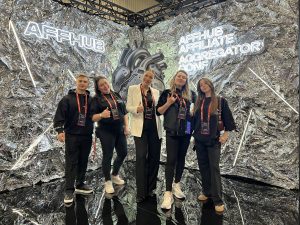
HWYD: Some people don't know that this is not the first AFFHUB GLOBAL conference in Europe. Tell us about your previous experience. Please compare them with each other. What are the main differences?
Sasha: The previous AFFHUB GLOBAL conference abroad was organized by the "old team". Now we have a new team, so it is very difficult to compare. We are testing new formats, discovering new GEOs and improving ourselves.
If we compare conferences in Europe and Ukraine, there are many differences:
- In Ukraine, it is easier because there are no such restrictions at the legislative level.
- We have our own contractors who have been tested over the years and will do a good job." - Also, the audience - we are used to it and already know what will work and what will not.
But Europe is still at a certain level of testing for us. We need to get to know people better and understand what formats they like best.
Preparation for the conference and new acquaintances
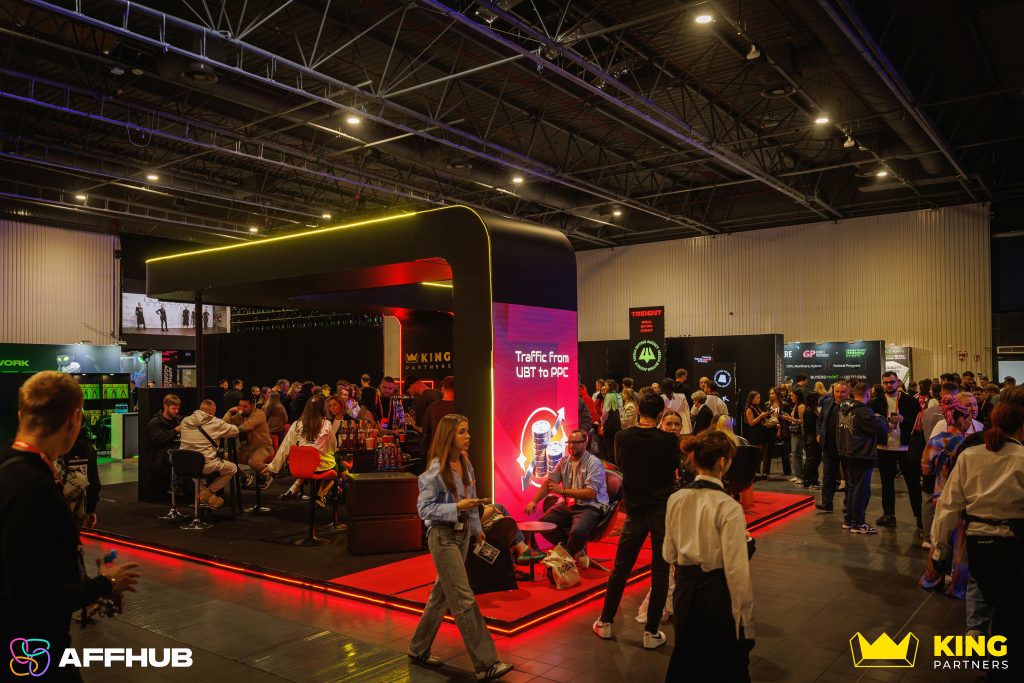
HWYD: How far in advance did you start preparing the conference? What were the biggest challenges you faced? How did you overcome them?
Sasha: We started preparing 3 months before the conf. There were difficulties with legislative issues. Polish legislation is tough on iGaming companies. In general, organizing an event abroad requires more time and effort to prepare. It is about finding a location, communicating with partners, and other organizational issues, etc.
HWYD: What was the format? How many visitors/speakers did you manage to gather at the mastermind and stands?
Sasha: About the format. As you all already know, AFFHUB always surprises, raises the bar, and comes up with a new concept for each event. In the modern world, an arbitrator is not just a person. This is a complex mechanism assembled from hundreds of interconnected parts: knowledge, skills, tools, and flexible strategies. He is constantly learning to integrate all of this inside himself: to be both an analyst and an artist, a strategist and an executive, a researcher and an engineer. It assembles itself bit by bit - from split tests, cases, failures, and triumphs - turning into a mechanism that knows exactly where to find traffic, how to convert it, and where to pour the next wave of the budget.
Affiliate-Aggregator Conf- is a space where arbitrators "upgrade their hardware": add new knowledge modules, improve their skills, and synchronize with others. Here everyone gets new parts for their internal mechanism: fresh insights, schemes, approaches and useful contacts. It's not just a conference - it's an upgrade lab!
A place where you - the mechanism of the future - get fuel for uninterrupted work and new victories in the world of arbitration. This time we managed to gather up to 1500 people. We had up to 40 stands and 33 top experts.
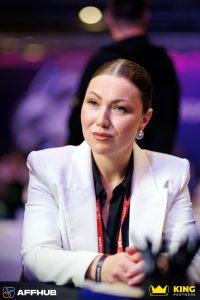
HWYD: How does organizing a conference in Ukraine differ from organizing one in Europe?
Sasha: The organization is fundamentally different. As I mentioned earlier, in Poland there are many difficulties with legislation and many other requirements. In Ukraine, it is easier to negotiate with contractors because we are on the ground and we know everything here. So to speak, it is native, so it is easier here.
HWYD: In your opinion, what was the most impressive for visitors?
Sasha: In general, visitors were pleased with the interactive zones and the appearance of the confab. A lot of people praised our stage (to be honest, I'm delighted with it myself). I received a lot of positive feedback about the new format of the conference for the burgeoning burj market - masterminds. People liked the fact that they could communicate directly with an expert and ask everything they were interested in.
HWYD: Did you manage to see any new faces among those you don't usually see in Ukraine? Are these new partnerships? New guests? New acquaintances? Who did you meet in person, who you knew only in absentia?
Sasha: Yes, I managed to meet a lot of new people. A lot of influencers. For example, I am very grateful to Inna Gagarin, Victoria Tikhacheva, Rostyslav Potapenko, Victoria Bakalova, Andriy Dosha and many others for finding time to visit us. I don't see them in Ukraine, so I was very happy to meet them.
Важливо
HWYD: What are AFFHUB's future global plans?
Sasha: We are planning to scale up, discover new GEOs, and conquer the world of arbitrage in the burgeoning market. We will definitely take into account all the suggestions after AFFHUB Affiliate Aggregator Conf and come back to you with something even more powerful! Stay tuned.
Arthur is a PR specialist in the field of arbitration, whom I met about 3 years ago. He immediately captivated me with his deep, sincere, wise eyes and friendly smile. I am glad that over the years Arthur hasn't changed - he hasn't wasted his unique qualities of friendliness and intelligence. The only things that change are his projects, in which he grows, which he leads to leadership positions and which he is passionate about. The last time we met was at Conversion Sport Games in Kyiv. I was leading a discussion panel in which Arthur participated. As usual, it was interesting and productive, and afterwards we had a few words, and I realized that the experience of the specialist who once led AFFHUB and now TRIANGLES to market leaders would be interesting not only to me but also to HWYD readers! So, here are the fruits of our agreement with Arthur - a biographical article in the tradition of HOW WAS YOUR DAY - from childhood to the present. Read it and find out how a guy from a village of 800 people became a political, ministerial and, eventually, an affiliate PR specialist.
editor-in-chief of HWYD
Childhood.
HWYD: Tell us about your childhood. What kind of family did you grow up in? When and where were you born?
Arthur: I was born in a small village in the Kherson region. It's called Lyubymivka. At the time of 2021, there were 880 residents there. Imagine me and only 800 people around me. AFFHUB conferences gather people like my two native villages. It was the most vibe place ever. You just go outside and there is only a field and a horizon around you. Unfortunately, now my home village is occupied by orcs.
And it's important to understand that it was the 1990s, a village. My mom was a nurse, my dad was a physical education teacher at the time. My grandmother was a school principal, and my grandfather was an engineer. But a good family did not save us from poverty in those years. Everyone was probably living on the edge back then. But I have only good memories of my childhood. I had enough of everything. Always broken knees, bicycles, friends, I was an excellent student at school. I was constantly surrounded by books. My mom and grandparents had entire libraries, and I was always reading something. Because where else in the village could I get information about the outside world?
And in general, I loved my native village very much. A place of strength. I used to go there all the time. I love the fields, the open space, the wide horizon and the tomatoes from the garden))) It's very cool there!
HWYD: Describe your most vivid childhood memory.
Arthur: Apparently, it was always about going to the nearest town. It was cool to go for a ride to Nova Kakhovka, Henichesk, etc. By the way, I also caught the Tavrian Games. It was a really cool festival. We also went there, but it was already in school years. And also, these are trips to the sea. Because I grew up 30 minutes from the sea. It's beautiful.
HWYD: What did you dream of becoming when you grew up? Why?
Arthur: I didn't dream of becoming anything. I just loved something less, something more. The only thing that was clear was that I was more interested in the humanities. And I wanted no math in my life.
Youth
HWYD: How did you study at school? What subjects did you like the most? Which ones the least? Why?
Arthur: In elementary school, I was a total honors student. Then, in the 6th or 7th grade, I accidentally skipped class and realized that the world didn't collapse after that. So I started doing it systematically. I was a total "C" student. Favorite subjects: Ukrainian and foreign literature + history of Ukraine. I didn't like world history. These Egyptians and Romans were boring.
HWYD: What clubs/sports did you attend?
Arthur: I did karate for a long time. I went to competitions, even got some medals. I went to basketball competitions. Then I started smoking and drinking Baltika 9.
HWYD: Describe your most vivid memory from school.
Arthur: Definitely a graduation. I finally got out of that shit. I don't understand why they keep people there for 11 long years!
Students
HWYD: What university did you graduate from? Why did you go there?
Arthur: I studied at Zaporizhzhia National University, majoring in Advertising and PR. My sister was studying there at the time. She said it was fun. And she was right. It really was fun. And I didn't care what I was going to study. The main thing was that I would never have to deal with math again in my life. In general, it was very cool at the university. Except for the fact that they keep people there for 5 years. It's absurdly long!
HWYD: What was your first job?
Arthur: It was a financial company. It was a great job. There were constant business trips. I traveled all over Donetsk and Luhansk regions, as well as other regional centers.
My first job was in my specialty. I worked in the marketing department. I was engaged in creatives, advertising, articles, etc. I was looking for a job after university only in my specialty. It was my 5th year of study. I realize that in a few months I will get my diploma, and what should I do next? I had no idea what to do, except become a PR specialist. I thought, well, since I will have a diploma, let me do PR. What does it matter what you do?
HWYD: How did you spend your first salary? What was it like?
Arthur: After graduation, I was earning decent money at the time. Something a little more than 1000$. I was absolutely satisfied with everything. I probably spent the money on an iPhone 5S, a trip to Georgia, and regular trips to Kyiv and Lviv.
HWYD: What did you do and where did you work later (until you got into arbitration)?
Arthur: Oh, a lot of things happened next. Especially when I moved to Kyiv. These were interactive TV services, IT companies, the Ministry of Health (after which I realized that I didn't want to have anything to do with the public sector anymore), political projects (this is the most interesting). I worked for a large media holding and one of the largest agricultural companies in Ukraine.
Arbitration area
HWYD: How did you find out about the industry? What was your impression of it?
Arthur: We used to work together in the same office with Vitaliy Sitovsky (CEO of Traffic Squad). It was from him that I first heard this phrase - traffic arbitrage. It was 2018. And I read a bit about Oleksandr Slobozhanko. At that time, there were a lot of publications about him in various media (not arbitrage). But I still didn't fully understand what it was.
HWYD: What position did you take in the industry? What kind of company was it?
Arthur: It was AFFHUB. There I was a project of AFFHUB Media for two years.
HWYD: How did you continue to move up the career ladder? In which project did you feel your own realization and competence? And why did you decide to leave AFFHUB?
Arthur: We started developing the AFFHUB Media project almost from scratch. We had a very strong desire to become the TOP-1 media on the market. With great content, partners, etc. Initially, we worked with Victoria Maslova (ex-Head of AFFHUB), invested a lot in media, and came up with different ways to become number 1. And we succeeded. AFFHUB Media was and is now the total market leader in all respects. And after that, under the leadership of Oleksandra (Head of AFFHUB), we consolidated the success and leadership of AFFHUB Media.
That is, I have reached the logical conclusion of my participation in the project. I did everything I wanted to do within the project. Then I called Oleksandra and said that it was time for me to move on. I am very grateful to AFFHUB for everything.
HWYD: How did TRIANGLES come to be? What is your involvement in this project?
Arthur: When I was still working at AFFHUB, I was introduced to Alexander Makedonsky, CEO of TRIANGLES. And after AFFHUB, we talked to Oleksandr and I moved to the position of PR director in the project. Now I'm in charge of all the marketing activities at TRIANGLES that we have, that you might have seen, or will see in the future.
HWYD: Who and how do you see yourself in the industry in the future?
Arthur: No matter who I am, no matter what I do, I am a PR person first and foremost. I love it. I like to discover projects, people, businesses, see the meaning in them, and broadcast it to the outside world. I may change my field of activity and work format someday, but I will still be a PR professional. It is not at all a fact that it will be an affiliate. Although I am in no hurry to say goodbye to this market. It is interesting here. It's diverse and there are a lot of cool people.
Важливо
Artur Borysenko's advice to newcomers who are just entering the field:
Arthur: Work and work again. Do more than you are asked to do. Love the project. Or at least be passionate about it. Study the business you work in on a micro level. That is, try to comprehend the entire logic of all processes. Go deeper. Do not be superficial. There should be a keen sense of competition, preferably even to the point of fanaticism. A desire to become number 1 in everything.
Founder - is always more than just a role. It's a state in which work and life are intertwined, blurring the lines between personal and professional. In the world of affiliates, where the rhythm is set by speed and competition, this challenge becomes even tougher: every morning you are greeted by dozens of decisions, team processes, and numbers that cannot be delayed.
Is it possible to maintain balance at this pace, to be present not only on calls but also in your own life? We talk about this frankly with Vadym Volochniuk, co-founder of Improve Team. His story has it all: an active childhood, a late start in entrepreneurship, an accidental entry into an affiliate program, the creation of a team that grew into a company, and a constant search for an answer to the main question: how to stay a funder 24/7 and not lose yourself at the same time?
Childhood and youth
HWYD: Where were you born and what were you like as a child?
Vadim: I was born in the Rivne region in a small town. As a child, I was a very active boy: I took part in all the activities at school and held concerts. I also graduated from music school with a degree in accordion. In addition, he played for the local football team and participated in track and field tournaments. In general, he spent his childhood very active and not bored at all.
HWYD: What traits from those years help you the most as a funder today?
Vadim: Probably, my parents laid the foundation of perseverance in me. My mom and dad were constantly pushing me to realize my goals so that I would always achieve what I wanted. This helps me a lot today.
HWYD: What episode from your youth best describes your perseverance or risk-taking?
Vadim: Speaking of risky, it was running away from home after my parents went to bed. The goal was simple - to go out with my friends, even if tomorrow was the 11th grade exam, and my parents wouldn't let me go) It all ended in a happy ending: I passed the exams.
First contact with business
HWYD: How did your entrepreneurship start: first attempts, first failures?
Vadim: In fact, I started my journey in entrepreneurship quite late. I don't have this story that I've been selling lemonade since I was a kid - no. The first serious touch of entrepreneurship was the Improve Team. I can't call everything before that a business. It was just a job for which I received money. But I had been preparing for it for a long time, and that's why I think that being prepared, I succeeded.
HWYD: What skills did you develop before becoming an affiliate and how do they help you now?
Vadim: I have always been a pretty hardworking person. Before the affiliate niche, I worked at various jobs, tried myself in many areas, including those where I had to work for 12-13 hours sitting in one place with a short break for lunch. I think that the ability to work non-stop today helps me to solve many routine tasks every day and not get tired.
HWYD: When did you realize that you wanted to build not just a career as an employee, but your own business?
Vadim: Several stars aligned in one place. I felt that I was being restricted in my desire to earn more and not allowed to develop. At the same time, I realized that I had grown out of the position of "employee".
And then I met the right person, and the match was made. In fact, it was very important not to fade away then. Meeting Nikita helped me realize that it was time to take a chance.
Login to affiliate
HWYD: How did you first get into affiliate marketing?
Vadim: My first job in the niche was an interesting position - a traffic coach. I joined RichAdvert when I was very young and green. I was trained in soft skills, given a sufficient number of manuals, and I started working.
I learned about traffic arbitrage and affiliate marketing by accident while watching random business videos on YouTube. I think it was also a bit of a fluke that I latched onto.
HWYD: Who was your mentor/support at the start?
Vadim: I was very warmly received at my first job. We had a good team and managers who saw me as a prospect. I was pleased that they believed in me. Before that, I also worked overtime: I was regularly the first to arrive at the office and the last to leave.
HWYD: What early case convinced you: "I'm in this game for the long haul"?
Vadim: Perhaps the first serious money in the form of a salary - UAH 50,000. I remember that day clearly: I received my salary in cash in an envelope, called my mother and shared it with her. It was a wow moment for me and my family.
Then I realized that I wanted to develop in our niche.
Improve Team: foundation and roles
HWYD: How did you come up with the idea of Improve Team and what problem did you want to solve in the market?
Vadim: When we created Improve, we didn't set out to solve a problem. It was just a common desire to make money. It was important that Nikita and I agreed on the vision and soft skills, which played a key role.
HWYD: Why did you choose these verticals (gambling, betting, crypto, mobile apps)?
Vadim: When we started, I had experience in gambling and betting, and Nikita had never launched traffic. Therefore, historically, we started with what we knew how to do. 6 years ago, we didn't analyze the market volumes or prospects - we just went into gambling because we knew how to do it.
HWYD: How did you divide your roles with the co-founders and what did you keep for yourself?
Vadim: Roles were formed gradually. I dealt with everything related to traffic and direct revenue generation. Nikita took over hiring and finance.
We didn't clearly agree on who was doing what. Everyone just did what they were good at. Over time, the roles have changed, and today we at 100% share all the tasks and can easily replace each other.
HWYD: What early decision had the biggest impact on long-term growth?
Vadim: The biggest impact was not the ups and downs, but the downfall that occurred just a year after the start.
Then we completely reassembled the team and our business vision. This is another confirmation that anti-cases often give more impetus and desire to work than just positive results.
HWYD: When did you feel the moment of transition from a "team of buyers" to a "full-fledged company"?
Vadim: This happened when the staff grew to 30 people. If you have positions such as people partner, technical project manager, marketer, or head of finance, it already speaks volumes about the company, because you are moving from "mandatory positions" to "additional positions."
Also, a company is about the legacy part: when you officially employ people, buy insurance, pay for vacations, and have a legal entity.
This is the moment when you realize that you are no longer "just a team".
24/7 founder: how it really feels
HWYD: What does a typical day look like for you, from the first step to the last message?
Vadim: Today, my typical working day consists of analyzing yesterday's analytics and reviewing reports from team leads and heads. This is followed by meetings or interviews, and then a typical 1-2 hours in work chats.
But to be honest, this is what a perfect workday looks like. Sometimes the timing shifts, and Nikita and I can find ourselves on a call at 8 p.m. to discuss a new direction simply because that's when the "inspiration" came.
HWYD: What is your personal decision-making system: what goes into "do now", what goes into "delegate", what goes into "don't do"?
Vadim: Delegating everything that is delegated is the basic rule. Maximum trust and maximum delegated responsibilities are the basis for growth.
Personally, I identify the tasks that affect my day, my company, or those who expect me to make decisions right now, and I do them in the morning before 11:00. Everything else comes later.
HWYD: Do you know how to rest without feeling guilty for being "unclosed"? How did you train this?
Vadim: Yes, I can do it now. I trained it just a year ago. It's important to understand that work is a part of life, not all of life. You need to have time to rest, switch gears, and pay attention to yourself and your family.
To avoid worrying about the "unclosed", I have been keeping a calendar for many years. Every Sunday I plan the week and see on which day which task must be closed. This way I keep the whole plan in front of me and move according to it.
HWYD: Was there a moment when you realized: "I'm too much into work"? What did you change after that?
Vadim: Yes, there have been such moments and sometimes they appear even now. On such days, I try to review the schedule and tasks for the week again, highlight the main ones, close them quickly, and thus unload myself.
HWYD: How do your family and friends react to the 24/7 rhythm? What helps you stay in touch?
Vadim: My friends react well because they see my results). I plan meetings and rallies with them in advance, so we always have time to spend together.
Balance and "life outside work"
HWYD: What exactly do you call "life outside of work" in your case?
Vadim: This is all that happens when you close your work chats. It's time with your wife and son, watching a video, reading a book, traveling, talking to your mom on the phone, etc. The most important thing is to really switch and get distracted. Because if you think about work even while walking with your son, it doesn't add to your efficiency or productivity.
HWYD: What practices/hobbies really restore you?
Vadim: Traveling, the gym, watching football. But all this is inferior to my main hobby - time with my family. My wife and son always bring me back to 100%.
HWYD: Have you ever experienced burnout? What helps to fight it?
Vadim: There was no burnout. There were moments when it was difficult and I didn't want to make decisions and take responsibility for everything again. But this quickly passed when I remembered that people were behind me and waiting for the right decisions.
HWYD: Can you turn off your phone for a day and leave everything to the team?
Vadim: Yes, I can. But it is preferable that Nikita does not turn off the phone at this moment. In general, we have a well-built vertical structure in the team, and there are people who are responsible in all areas. Nikita and I can disappear for a day, but I don't think we can do it for a week.
HWYD: You recently had a baby. How has parenthood affected your work-life balance?
Vadim: Very much so. For the first few months, the focus definitely shifted to family and education. However, I have now found the right balance, negotiated with myself and learned how to build a schedule. But, of course, sometimes it's hard to explain to a five-month-old son that his dad has an important meeting.
Team, processes and trust
HWYD: What processes/metrics allow you to sleep better instead of micromanaging?
Vadim: Reports, CRM, PNL. The heads of all departments submit reports with figures every day by 11:00. In CRM, I can evaluate the result for yesterday, and in PNL I can see the financial result for the day. These three main pillars ensure my restful sleep.
HWYD: In what situations does the team help you maintain a work-life balance?
Vadim: A strong team means people who know how to take responsibility. Once you have enough of them, you automatically have more time for everything else. Including work-life balance.
HWYD: When did you first feel that you could fully rely on the team?
Vadim: As soon as there are enough people who are ready to take responsibility, you can immediately feel the changes in your role as a funder.
Publicity and personal brand of the founder
HWYD: Why does a funder need publicity? Is it for recruiting, trust, networking, or all of the above?
Vadim: The main task is the company's HR brand. It helps to hire the best employees faster. They come not only for the salary, but also for the ideas that the funder broadcasts.
The second party is advertisers. It is important for them to understand who you are, how long you have been on the market, and what face is behind the name and another chat on Telegram.
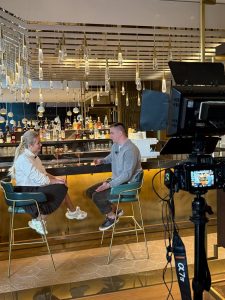
HWYD: Where are your boundaries of publicity: what do you show and what do you keep private?
Vadim: I'm not a very public person in general and I manage my social media quite conceptually. I don't share much about my personal life because I don't understand how it directly affects the results and the HR brand. But in business, speeches, meetings, I try to be active
Looking ahead and tips
HWYD: How do you see yourself and Improve Team in 3-5 years?
Vadim: Life outside of work should definitely take center stage in this picture. I am sure that my involvement in the company will become less. But this does not mean that I will not be involved in other businesses or areas. In general, this is already happening.
HWYD: Three things you would have done differently at the start to avoid going into 24/7 mode so deeply.
Vadim:
- Delegate and trust before.
- Not to think that I can do everything better than everyone else.
- Don't believe that if you don't close the task today, the company won't exist tomorrow.
HWYD: What advice do you have for new founders?
Vadim: Be prepared to work 24/7 at the start and understand each process in detail. It doesn't matter if it's recruiting, finance, or another department - you need to be oriented and know the main points everywhere. At every stage of our company's development, I was convinced that we needed to understand and periodically check every detail. I'm not saying to be a multi-tool player and be able to hire people, set up postbacks, and create a PNL from scratch.
But you need to know exactly how to do it theoretically and in which table to check the indicators. This will keep the team in good shape and avoid losses in the future.
Важливо
Editor's summary:
The phrase "24/7 funder" is not just about working seven days a week. It's about responsibility that never disappears, about making choices every day, and about being ready to keep up the pace even when there are no ready-made answers around.
Vadym's story proves that the real challenge is not to work harder than others, but to learn how to remain human when work takes up 90% of your life. Finding space for your family, for a pause, for yourself - and not losing the drive that once brought you into business in the process.
This interview is a reminder for the entire industry: the size of the company, profits, or high-profile roles do not determine a person's value. It is determined by how they build relationships, how they keep their word, and how they combine ambition with inner integrity.
Founder - is not a soulless decision-making machine. It is a human being who makes mistakes, takes risks, recovers, and leads the team forward again. And perhaps it is in recognizing this human dimension that the true power of business is born.