



Важливо
The air is always thicker on the eve of a new event. The night seems longer, the coffee stronger, and the silence louder. Someone is working on the last edits, someone is excitedly flipping through the list of to-dos so as not to miss anything, but everyone feels the same way - something important is going to happen tomorrow.
And when the day finally comes, excitement gives way to drive, and fatigue to a sense of meaning. Because an event is not just a day in the calendar. It's an experience and a feeling that lives in the memory much longer than the event itself.
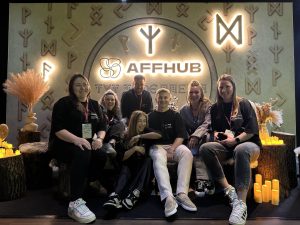
AFFHUB events are always more than just conferences. It is a space where casual conversations become the beginning of partnerships, where ideas are born that change the direction of an entire industry, and where people's energy sounds louder than any microphone.
We talked to the team to convey this atmosphere from the inside - in their words, emotions, and feelings.
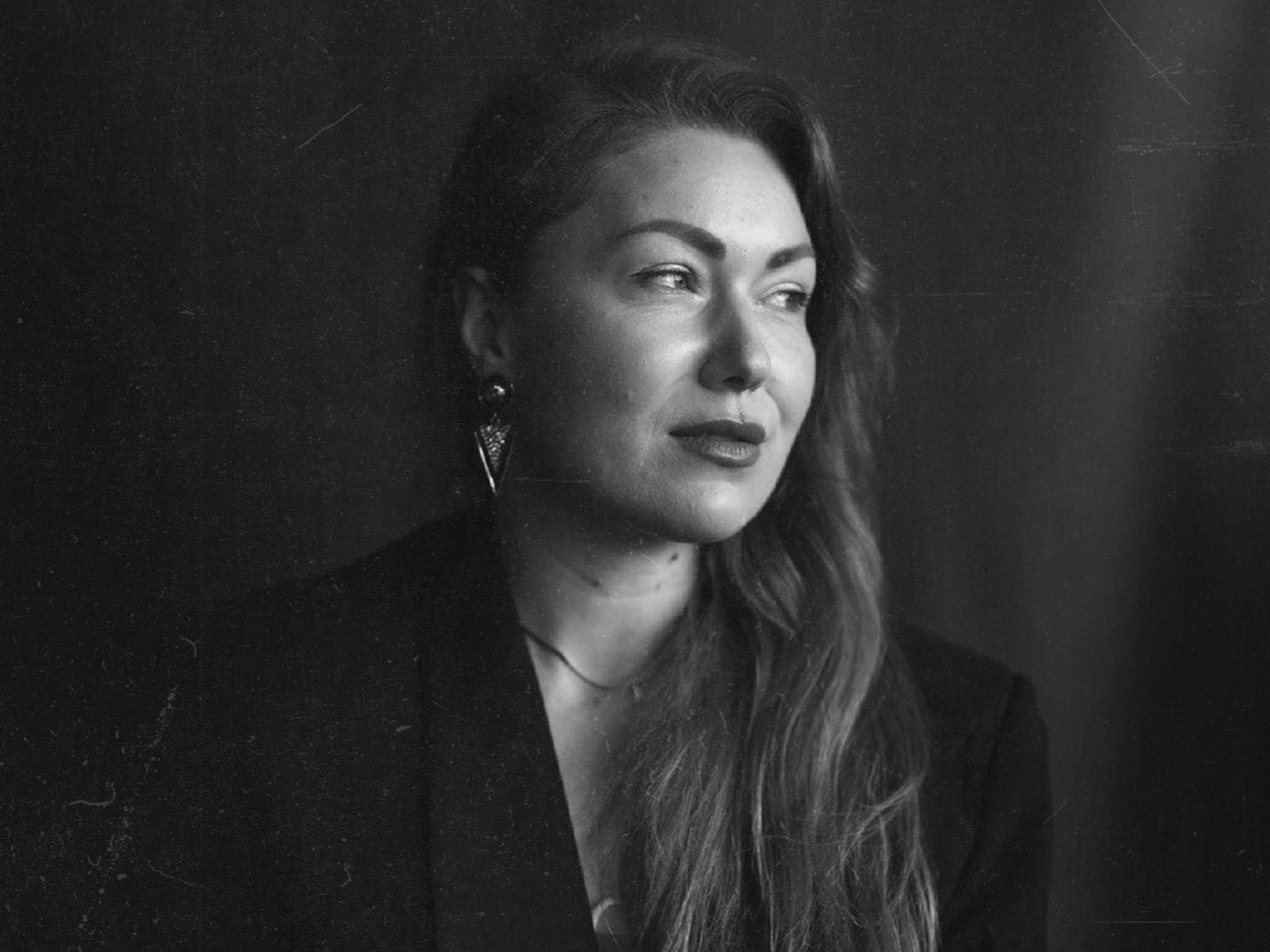
Sasha,
Head of AFFHUB
HWYD: What does a successful event mean to you?
Sasha: For me, a successful event is not just a packed hall and good reviews on social media. It's when you see people who didn't know each other yesterday discussing joint projects over coffee. When speakers share insights not only from the stage but also in the corridors. And when the team has a feeling after the event: "Yes, we have done something important for the entire industry."
HWYD: How do you support your team when the tension is high?
Sasha: At times when everyone is on edge, it is important to remember that we are not machines. I try to be the person who not only distributes tasks, but also notices when someone needs a break or a word of support. We can go out for coffee together, joke around, and remember why we are doing this in the first place. Sometimes one sincere conversation does more than a whole day of planning.
HWYD: How do you get inspired for new ideas?
Sasha: Inspiration always comes from people.
I communicate a lot at conferences, listen to what my colleagues are experiencing, what drives competitors. I analyze global trends and think about how they can be adapted to our audience.
HWYD: Have you already had the best event or is it yet to come?
Sasha: I believe that our best event is always ahead.
Each project brings new challenges and new insights. But every time we finish a conference, I see pride in the eyes of the team and realize that this was our peak.
And then we raise the bar again.
HWYD: Your team called you the "heart of AFFHUB" - what does this role mean to you?
Sasha: For me, it's about putting a little bit of myself into every detail every day - from the big strategy to the little things in preparing the hall.
Being the "heart" means not only leading the team forward, but also feeling for everyone in it. It's about caring, inspiring, and lending a shoulder in time.
And, perhaps, about loving what we do so much that every participant in our events feels it.
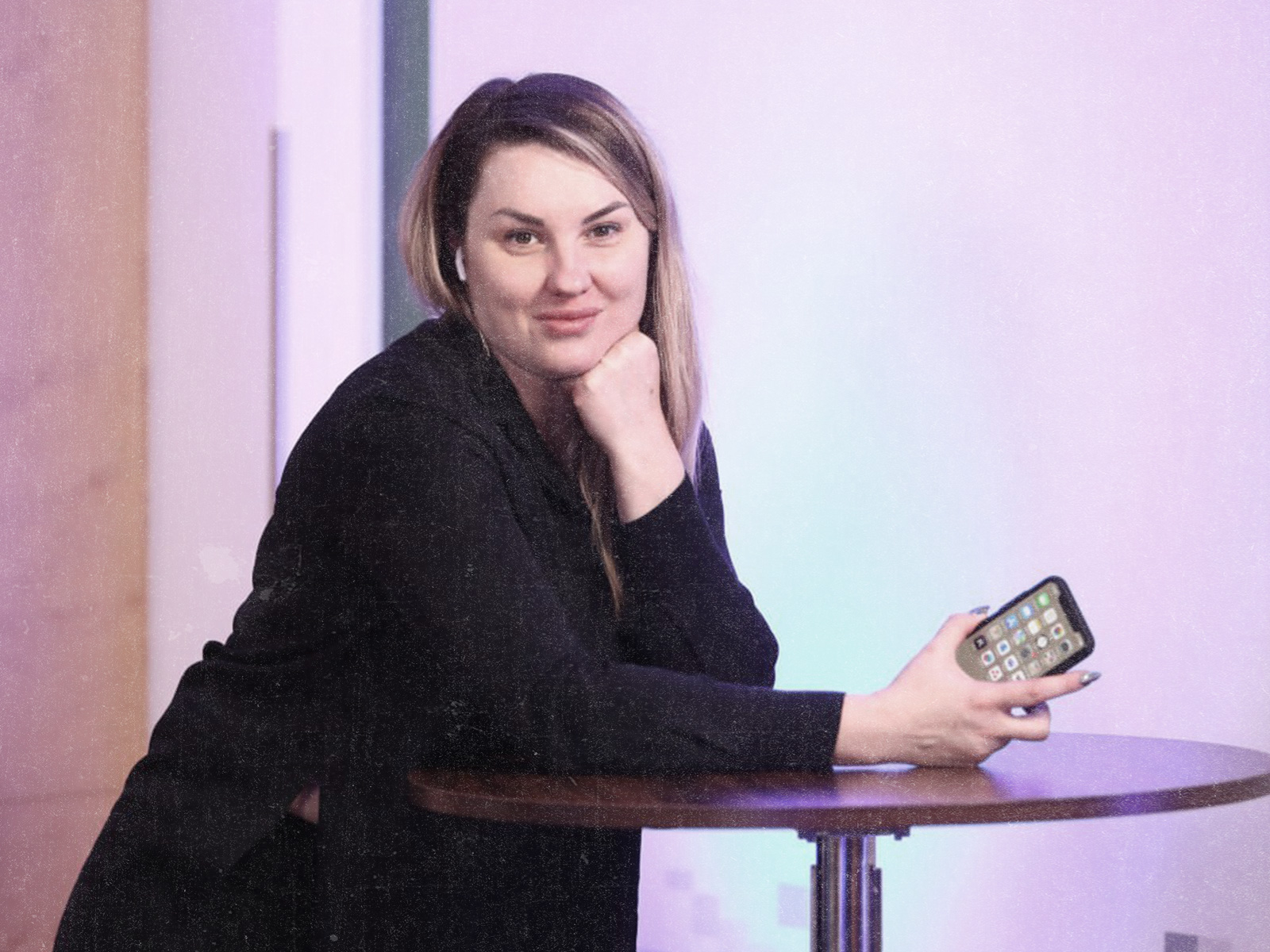
Katya,
Event Team Lead
HWYD: Why did you choose the event industry?
Katya:
I can't advise someone to create events.
To live the result - yes.
Working because "I need a job" is not.
To be an artist, engineer, strategist, creator - yes.
Doing "just to be done" is not.
To live with emotion - yes.
Enjoy the result - yes.
HWYD: What key challenges do you see in the final phase of the event preparation?
Katya: It's not about work - it's about life, about meanings, about something more than hookah, whiskey, or a party. It's about energy, synergy, discovery.
HWYD: What helps you stay calm when everything is on fire?
Katya: Challenges, difficulties, what helps, what inspires - these are all the secret secrets of the "event manager's book of magic".
HWYD: What was your fastest and coolest "plan B" that saved the event?
Katya: A lyrical response from a practical event manager:
I can't advise someone to create events.
To live the result - yes.
To be a part, to be a whole, to be a universe, an atom, everything and nothing at the same time - yes.
To be is to create, not just "to be"!
Life is so strange, changeable, incomprehensible when you create a space of emotions. Have fun at AFFHUB events - advice from a mercurial team leader on antidepressants.
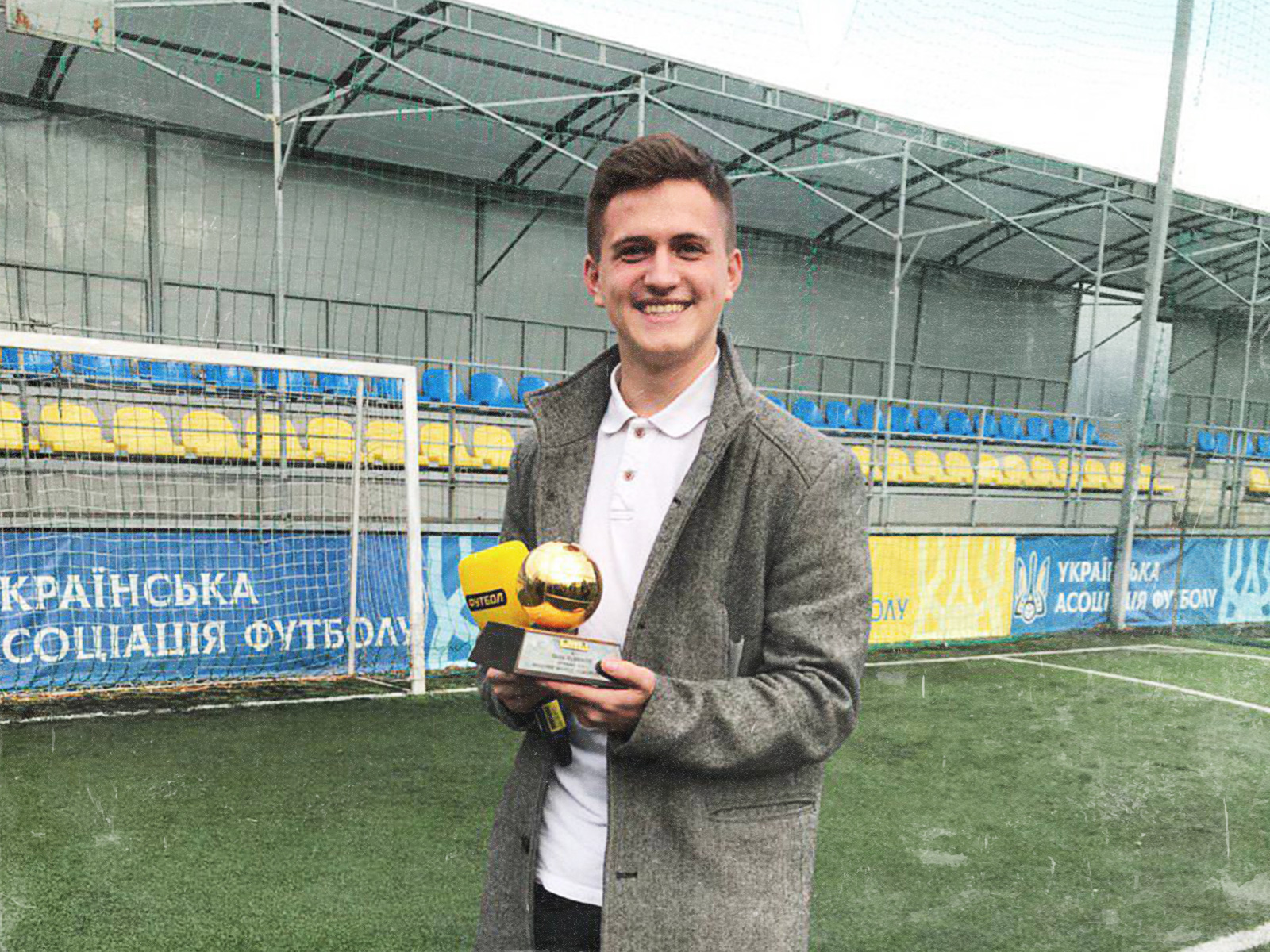
Nikita,
Project Manager
HWYD: What is the most interesting case study or story related to the event that you could share?
Nikita: In fact, each event is a separate case and story. There have been a lot of them during my time in the industry, but none of them was like the other. Perhaps the most interesting thing at events is meeting people you met outside the industry. For example, you studied at university, saw them at training, or lived in a dormitory. It's cool to realize how large our industry is when you can see the most unexpected people here.
HWYD: Was there ever a time when you did something "in a hurry" but it turned out better than you expected?
Nikita: This is probably the title of the video report from last year's AFFHUB conference in Lviv. I didn't know until the last moment whether I was supposed to shoot it. It's a good thing that the experience took away my fear of the camera, otherwise I don't know what would have happened.)
HWYD: What is the most difficult part of your job?
Nikita: Explain to my grandmother what I do)
But seriously, we need to look for topics. In fact, tens of thousands of texts have already been written in our field. And finding something new in the seemingly familiar is always difficult. Every time I create a content plan, I spend a lot of time and resources. But when I see the result and receive comments from people, it's worth it.
HWYD: What tricks or techniques help you create content that really touches the audience?
Nikita: The main feature I mentioned above is to look for something new in the ordinary. Explore new verticals that few people know about. To look for new approaches, life hacks for webmasters, to come up with new formats of texts, collaborations - all this helps to create unique content, which is why AFFHUB Media is loved.
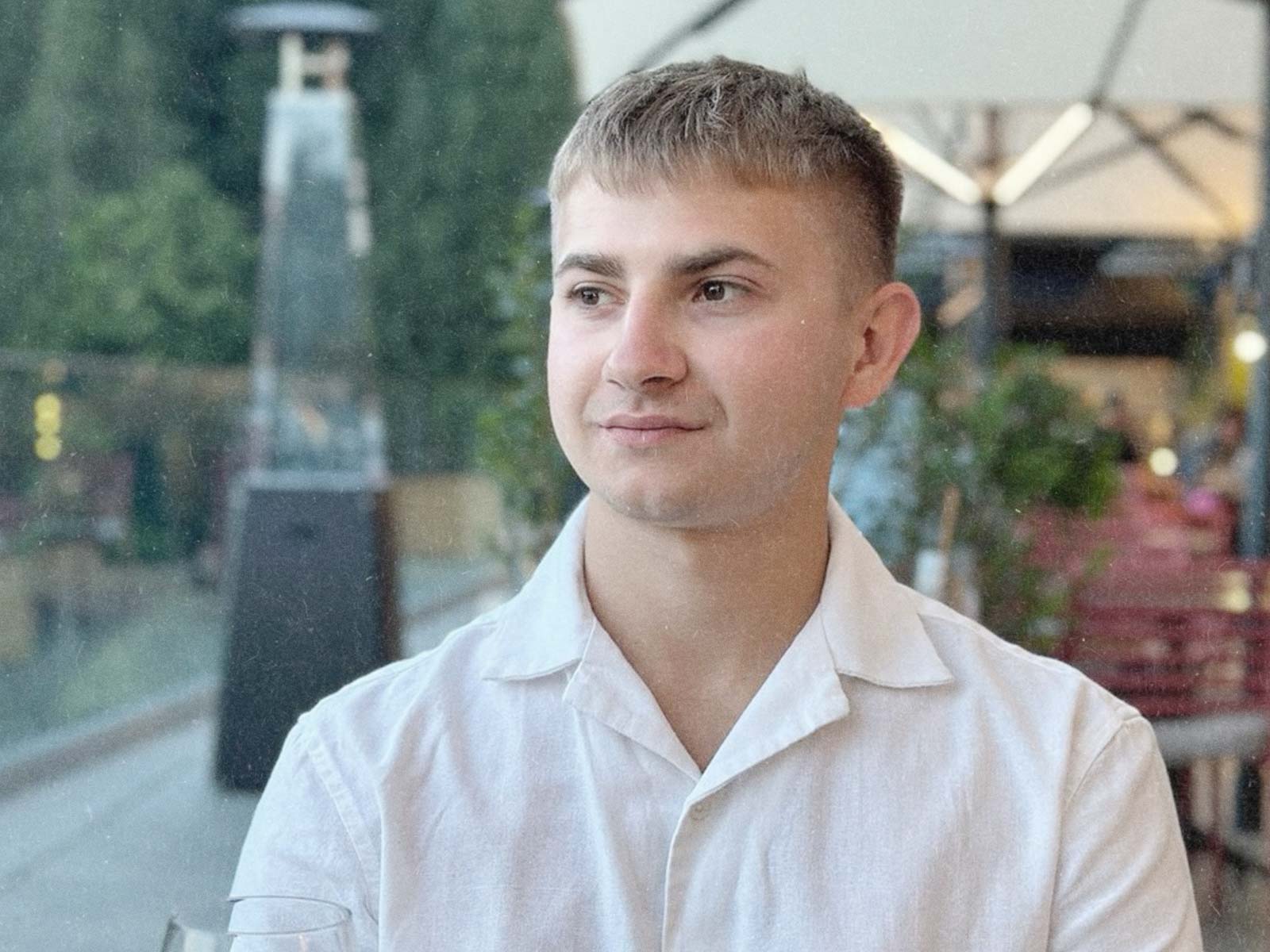
Dmytro,
Sales Manager
HWYD: The most interesting/unconventional sales story.
Dmytro: Once a potential client said that he had no budget for participation at all, but I felt that he was very interested in the project. We talked for several weeks, and I shared ideas. As a result, the day before the deadline, he found the money and bought a participation package for our event. Once again, I was convinced that you should always believe in the value of what you offer and not give up even when it seems that all doors are closed. And after the event, his company was able to find partners with whom it launched several successful products and started working with a new CEO.
HWYD: How does your contact database help you in such stressful situations?
Dmytro: My contact base includes people with whom we have already completed more than one project together. I always know who I can turn to or through whom I can find the right contact in a difficult situation to quickly find a way out or the right solution.
HWYD: What is the "secret ingredient" that helps you keep in touch with such a large database of contacts?
Dmytro: Sincerity and attention. Very often, partners become good acquaintances and friends. Then there is no longer any "secret ingredient", but just a human, real relationship. This is what keeps the connection alive and makes it possible to maintain it even when everything changes. For me, it is a great indicator when a person leaves the project and our partnership does not end there, but continues in another product.
HWYD: What do you like most about your job?
Dmytro: The drive and challenges of every day are what energize me. My partners are a special love and inspiration. The best moment is when they say: "This was the best confab ever". I get high when I see the acquaintances that started at our event turn into real deals and long-lasting partnerships. That's what motivates me more than any KPI and makes the work real.
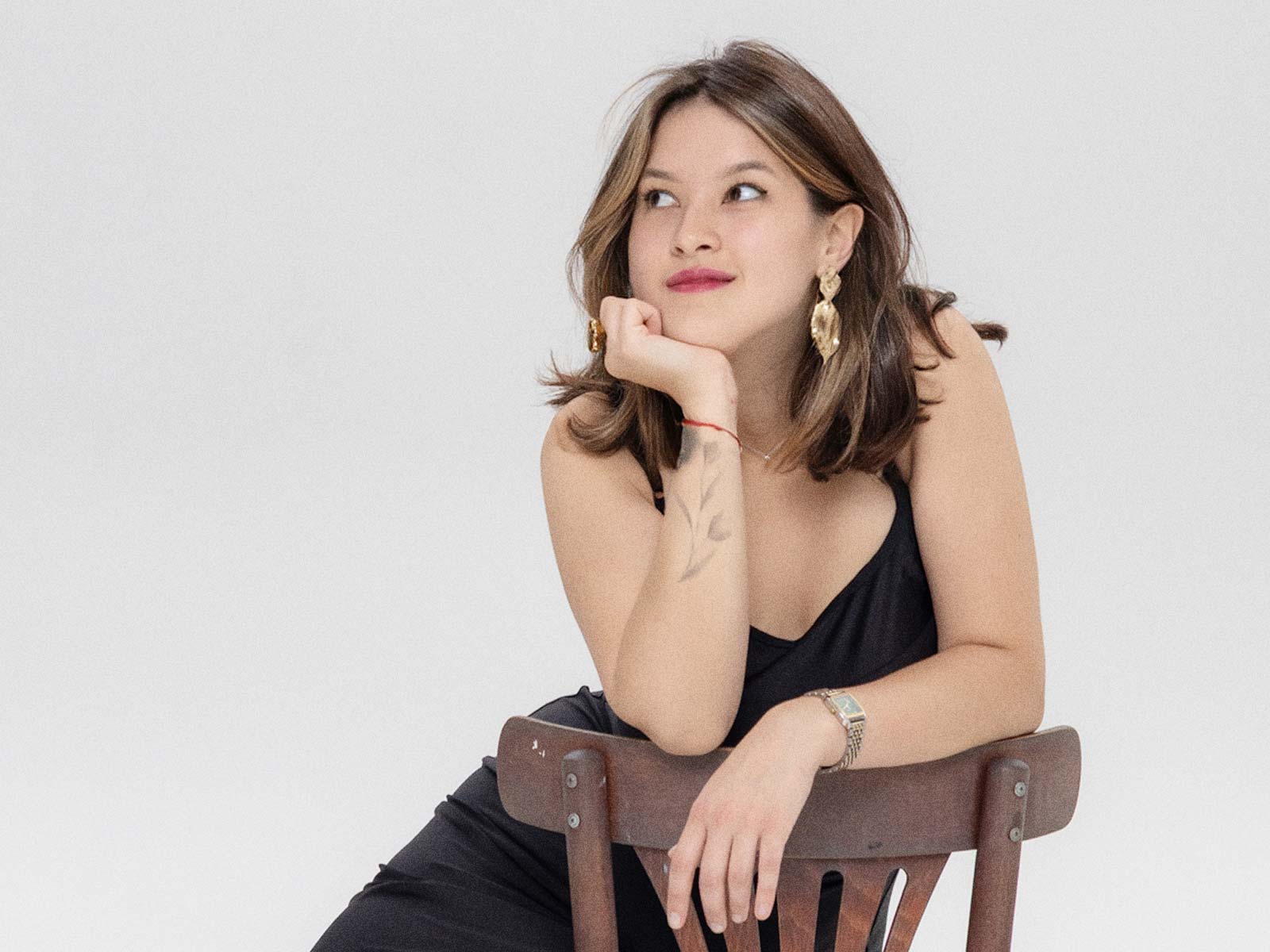
Victoria,
PR Manager
HWYD: What is the most difficult part of event promotion?
Victoria: Memorize all the nuances and details that are constantly changing, and at the same time retain a huge amount of information in your head. It's like trying to put together a jigsaw puzzle when the picture is changing right in the process.
HWYD: What helps you not to get lost in the flow of information and stay creative in stressful moments?
Victoria: In my opinion, creativity can get lost in the flow of information. This is quite natural. The main thing is to be able to switch off, turn off your head from a thousand messages and focus on creating an idea. In fact, magnesium from Perla Helsa helps a lot, and the SMM Manager we work with helps a lot - he takes away a lot of the guesswork, which is very valuable to me.
HWYD: What do you value most about your job?
Victoria: What I value most is the opportunity to build genuine connections with people from completely different fields - from marketers and creatives to techies and business owners. My phone book is a small universe of talented and motivated people who I can turn to for advice and new partnerships. I also appreciate that each project is a new experience, new insights, and lessons that help me become better at my job and find innovative solutions faster.
HWYD: How do you feel that your work "came through" and helped the event?
Victoria: I feel this way when I see the lively emotions and sincere reactions of the participants - when they share their impressions, make posts on social media, and recommend us to their friends. It is especially valuable when people write after the event that they have learned something important, found new partners, or received an impetus for development.
For me, it's an indicator that the energy and creativity I put into it really works, and that I helped create not just an event, but a useful and inspiring experience for the community.
Важливо
In conclusion:
When you listen to the AFFHUB team, it becomes clear that events are not just parties, burning deadlines, and checklists. These are live stories that are born in the process of preparation, a drive and shared energy that unites the team, speakers, and guests into one big community.
And yes, perhaps each event is exhausting, taking away strength and nerves. But at the same time, it gives you the most important thing - the feeling that you are doing something that makes sense. That you are creating a space where people meet, find partners, get new ideas, and stay charged with this experience for a long time.
This is the true energy of AFFHUB - the energy that cannot be measured by any KPIs, but which leaves a mark in the heart of everyone who has ever been a part of this story.
Важливо
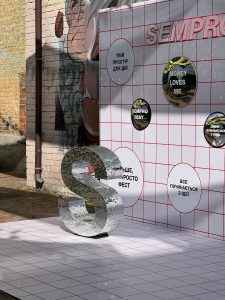
This year's Sempro Fest was very special for How Was Your Day, as it was the first time our media outlet's editorial team set up its stand at this conference. We had high expectations, and the moment itself was both solemn and exciting for us. We chose a location almost immediately behind the entrance area, so we were honored to see and greet almost all the guests of the event. But most importantly, we managed to become more recognizable, expand our audience, and engage the community. We thank Sempro for every organizational detail, for the sleepless nights and the incredible work and soul they put into making it all possible. So, of course, we decided to talk to the organizers - Natalia and Daniel - to tell you, our dear readers, what is really behind the "all ready-made", at first glance, that we come to see. Enjoy your reading...
HWYD Media editorial team
How long did it take to prepare for the conference?
Natalia: Preparations began in late February and early March with the search for a location. So we can say about 5 months.
Daniel: Preparations actually began immediately after Sempro Conference 2024 at the Parkovy Exhibition Center. As soon as the event ended, we started discussing the new format and concept of the future affiliate conference. So the first ideas and plans appeared in 2024.
What difficulties did you face during the preparation process?
Natalia: In fact, holding events in Ukraine since the beginning of the full-scale invasion is a titanic task for all organizers, because you have to take into account not only standard things like location, but also the anxiety, possible shelling the day before, uninterrupted power supply, arrivals, departures, curfews, and so on. It is probably especially difficult with people (I mean men) now, given the situation in the country.
Daniel: The most difficult aspect is the current general atmosphere in Ukraine and the challenges of attracting a new target audience. That's why we are sincerely grateful to everyone who trusts us and supports the development of affiliate conferences in Ukraine in such a difficult time.
What difficulties did you face on the day of the conference?
Natalia: Oh 🙂 In general, there were a lot of things going on, but the most obvious was the moment with badges and bracelets at the afterparty. There were so many people that we even exceeded the planned volume. You have to order such materials in advance to have time to print the appropriate circulation, but our participants turned everything around! The badges and bracelets flew off so fast that the supply we had planned for the whole day ran out about an hour before the party. And you know what: this is the best fakap in my history at Sempro, because such interest and excitement in our time should be appreciated the most.
Daniel: As always, it was a bit of "cheerful anarchy" 😊 I had to control all the processes, check the final details, and, of course, deal with my "favorite" part - tickets: urgent purchases, upgrades, etc. Another pleasant but unexpected moment was that the influx of guests was so great that there were not enough badges for everyone.
How were these issues resolved?
Natalia: Daniel stood at the registration checkpoint and checked everyone personally. I don't know how he stood it, but if you ask me who the main character of the event is, it's definitely him.
Daniel: Everything was solved quickly, in the process. The main thing is to prioritize correctly and move step by step.
How many people did you manage to gather?
Natalie: To say that we are in a pleasant shock is an understatement. Sempro Fest was attended by over 1000 guests. Thank you for the tremendous support, incredible excitement, and love for our project and the work we put our hearts and souls into. This is our main reason to develop, grow, and surpass ourselves every time. Sempro Fest is not just an event, it is our common story that we have created together with all participants and partners.
Daniel: At the end of the day, our hostesses counted more than 1100 visitors.
How many sponsors and stands?
Natalie: It's no secret that this year's event is significantly different in terms of the number of stands. Ukraine's legal market is currently in a storm, as FB never dreamed of. However, we have also rethought the concept of the conference as such. Sempro Fest is not only about stands, but also about interactive zones, non-standard approaches to the presence of partners and brands, audience engagement, and, ultimately, the event itself. Without a shadow of shyness, I can say that our team did the impossible and despite all the challenges, we held (according to some reviews) the best event in 2025.
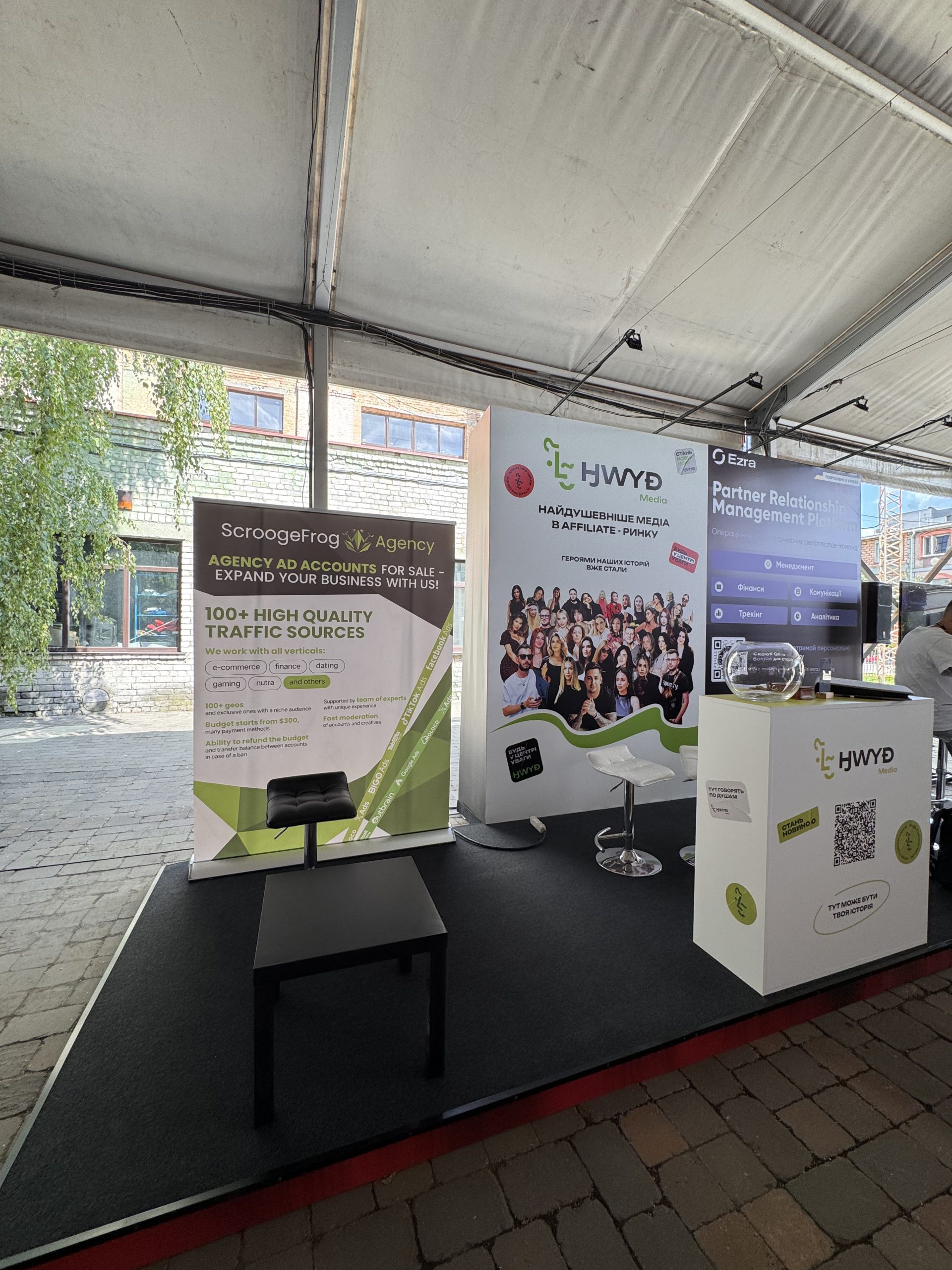
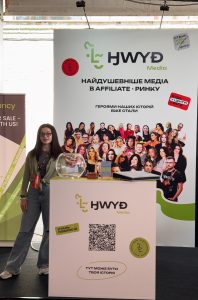
Daniel: This year we shifted the focus from classic stands to the festival format. We took into account the feedback from our partners and replaced some of the stands with interactive zones that fit perfectly into the festival atmosphere.
How did you choose the artist for the afterparty?
Natalie: The process of selecting a headliner is a "special kind of pleasure". Not every artist will be suitable for our audience. The tastes of our community are "quite specific," and we, as organizers, have to take this into account. That's why we've selected a dozen or even two artists. I've been drowning for Kozlovsky since May! I was joking, of course, but then we started discussing it more seriously. The team (guys, sorry) was skeptical, but in the end we were all impressed with Vitaliy's work and his team. I mean, who else could have performed so powerfully? Only Pina Colada, only hardcore!!!
Daniel: The idea to invite Vitaliy Kozlovsky was suggested by Natalia. At first, I was skeptical, but after watching his speeches and collecting feedback, it became clear that it would be a "breakthrough". And so it was. Despite the different musical tastes of our audience, the emotions from the headliner were overwhelming.
How did you choose the location and why did you choose the art factory? How difficult/easy was it to agree on a location?
Natalie: There are not many large locations for events of this scale in Kyiv. But where should the arbitrators go but to the factory if the connection didn't work out?) The art factory fit the concept and messages so well that we realized it was it. The territory, the festival vibe, the former factory - it's a cannon. No one had ever organized something like this before, so we thought, why not be the first?) The location turned out to be very loyal. Nice communication, quick resolution of issues, willingness to meet with us - everything was easy enough.
Daniel: I wanted to bring a new format to the conference, but choosing a location is always a difficult process. There are no new venues, and the old ones are already boring. We had been planning the Art Factory for a long time, but we just didn't understand how to combine its atmosphere with the conference one. And here the festival format was the perfect solution. It was one of the most pleasant collaborations. No difficulties from start to finish. The location has everything you need, and if something is missing, you can quickly find options.
How do you recover after a conference?
Важливо
Natalie and Daniel (answering together, laughing): That's a rhetorical question, haha. The next day of the event is always a dismantling, so it's hard to recover, but my favorite ritual is to dive into the stories of people from our event. That's when you realize that 2 hours of sleep the night before and months of hard work were worth the fatigue and excitement.
Describe. their personal impressions of the conference
Natalie,
Head of Sempro
As I said, our team jumped over their heads. Of course, we know where to improve next time, where to order more, where to push and create something even cooler, but, friends, this event is not about stands, a conference, or even a speech by Vitaliy Kozlovsky. It's about changing the system, concepts, approaches, implementing new formats, being ready to accept and work with challenges, because if we pulled this event off, we can do anything!
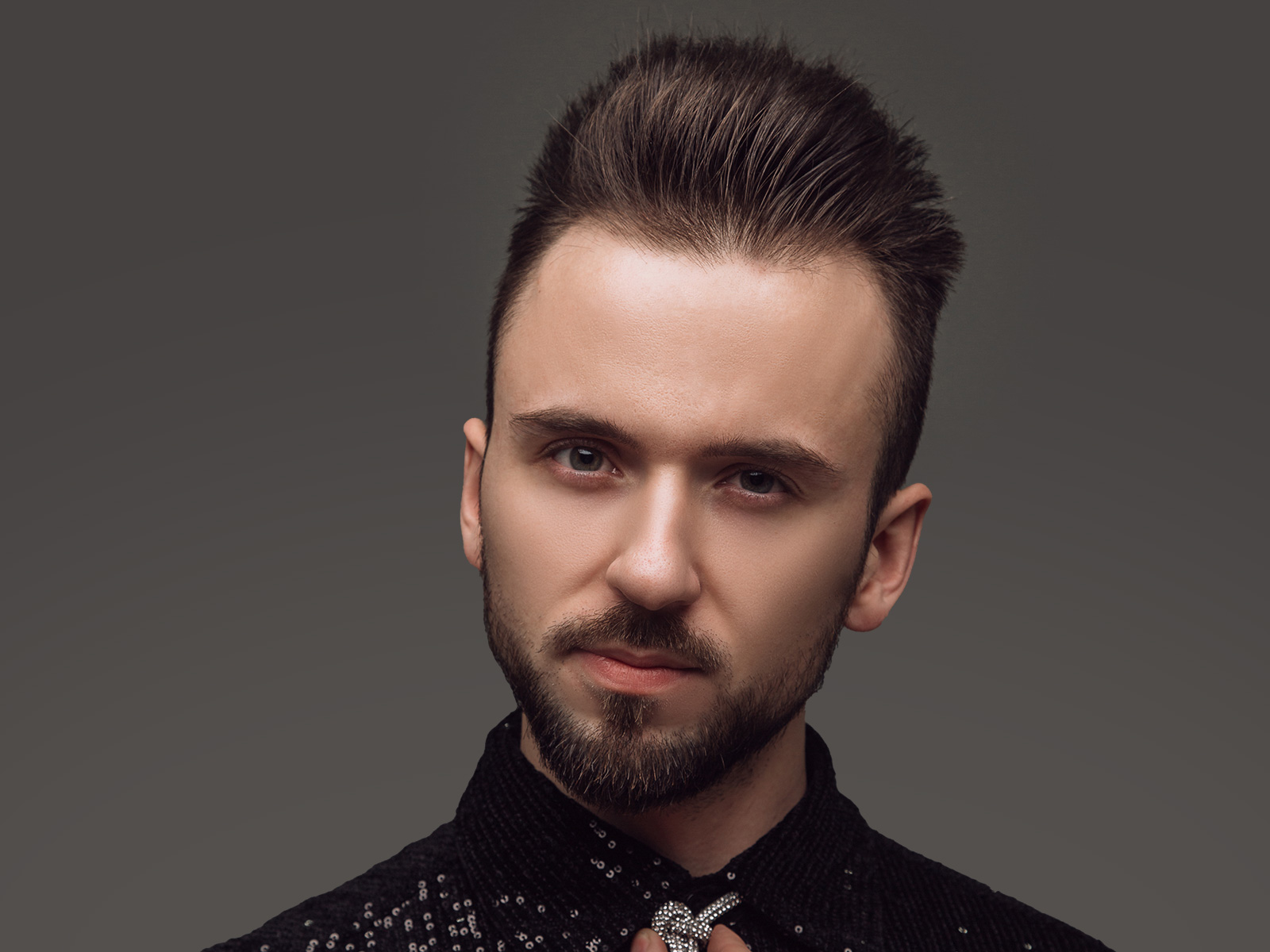
Daniel,
Sempro project manager
We have done a huge amount of work and managed to implement a large-scale project in Kyiv at a difficult time. Of course, there is some exhaustion, but we are already starting to prepare for the next event. Overall, my impressions are extremely positive.
Важливо
Natalia and Daniel made the impossible possible - they changed approaches, standards, set new vectors, and showed the community what can be different, unusual, but no less cool and productive. Personally, we are still sorting out contacts and communicating in more detail with everyone we talked to at Sempro Fest. So thank you, dear Natalia and Danya, for your work and your own vision of the arbitration world! We are glad that the success of the conference inspires you and inspires you to continue creating! And How Was Your Day will continue to support you and cover all your personal and professional achievements! Stay tuned!
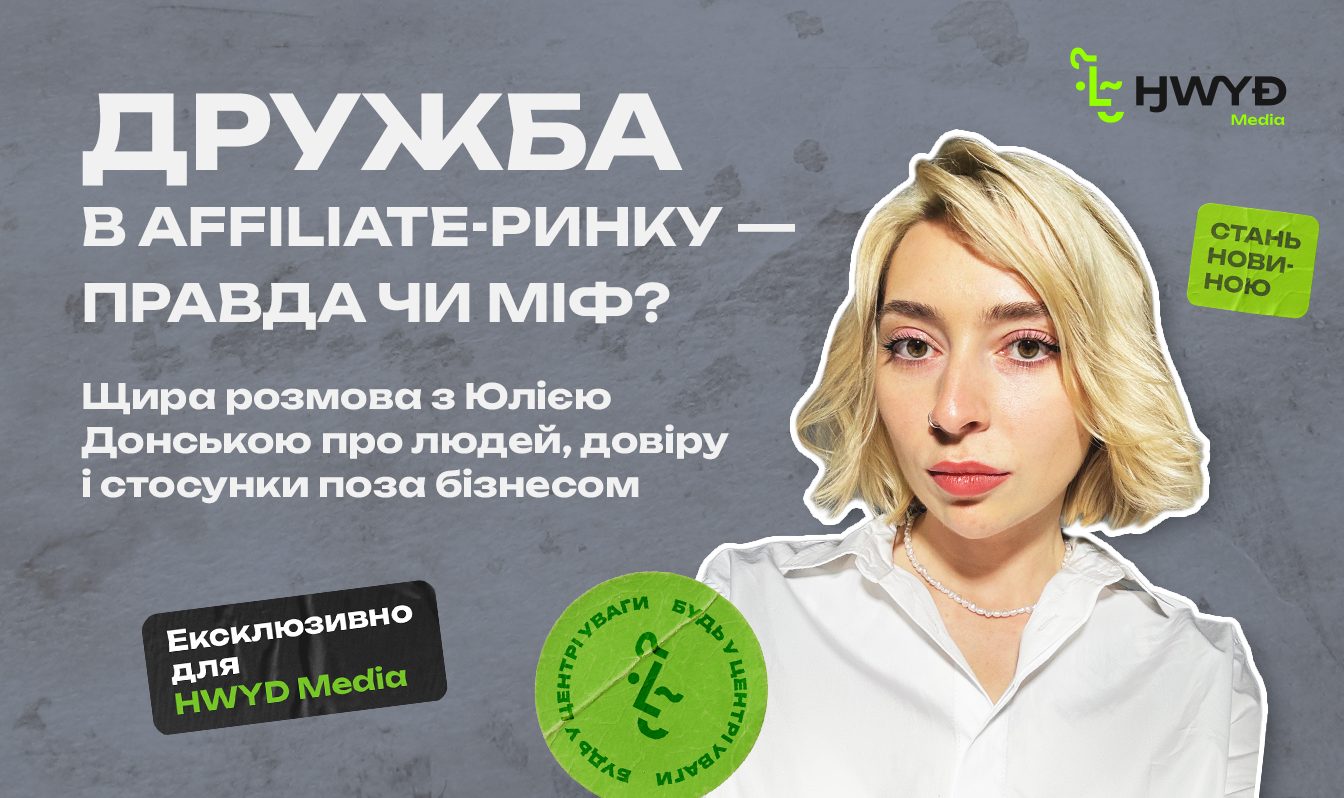
Friendship and business are two forces that are often confused, opposed, or even disbelieved to coexist. In the affiliate market, this is especially acute: numbers, KPIs, competition - it seems to be all about speed and profit. But is there any room for sincerity in this race? Is it possible to find people who see you not just as a position in a company or a contact on Telegram, but as a real person? And how do you learn to build relationships that don't burn you up from the inside, but rather hold you up when everything goes wrong?
We talked to Yulia Donska, a person who has been in this field for 10 years and has gone from stereotypes and prejudices to the status of an opinion leader. Her view on trust, support, and relationships beyond numbers is not just another motivational story, but an honest conversation about her personal experience. About how real connections are built in an industry where every "friend" can become a competitor tomorrow.About the power of support where it would seem that you are expected to benefit only
This interview will resonate with those who value people more than statuses. And those who are looking for an answer to the question: is true friendship possible in affiliate business?
Starting a career in the affiliate market
HWYD: How long have you been in the affiliate market and how did it all start for you?
Yulia: I have been in the affiliate market for 10 years and it all started with a job fair. That was the first time I got a full-time job as an affiliate manager in mobile marketing.
HWYD: What challenges did you face at the beginning of your career?
Yulia: The main challenge for me was the prejudice of society, in particular, stereotypes that a young age and pleasant appearance cannot be combined with a girl's analytical mind. This manifested itself in the form of ageism, objectivism, and gender discrimination. At the beginning of my career, I literally had to insist on integrations, join negotiations with partners on technical issues, explain that my role in the company was not a servant or escort, etc. It was not just a challenge, but a daily need to prove my competence through actions.
Over time, I have learned to build clear boundaries in communication, and my market recognition has reduced the risk of such situations at times. And this opened up an opportunity for me to be a voice of support for those who face similar difficulties in their team or profession (in either direction by gender and age).
HWYD: What do you love most about your job?
Yulia: The opportunity to grow, scale ideas and influence, and not just be aware of trends, but shape them. And also, people...
I'm inspired by the combination of technology, marketing, public relations, and especially by the focus on people, the team, and the HR aspect. It's a rare synergy that allows you not only to create products or campaigns, but also to shape the environment in which they are born.
HWYD: You are a person who knows how to be "at ease" with both the tops and the newcomers. How do you do it?
Yulia: For newcomers, it is enough to remember their personal experience and honor the hard work and the path these people are going through now. Believe, support, and guide them.
For the tops, it is an understanding of what these people went through, having an unknown number of issues outside of work that accompanied their path to the "top" status among others. It's about great responsibility, an incredible amount of knowledge, skills, and diverse abilities. It's about the peaks reached from the outside, and the impostor syndrome and dissatisfaction because "it could have been better."
Does friendship exist in the affiliate sphere?
HWYD: In your personal opinion, is friendship in affiliate marketing a reality or more of a beautiful illusion?
Yulia: I am happy to say that this is a reality. And I even know cases where it is also a great beautiful love!
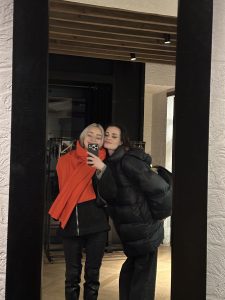
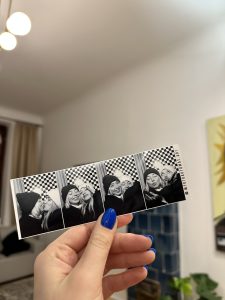
HWYD: What qualities do you value in your market partner friends?
Yulia: Mutual respect, honesty, openness, responsibility, trust, and concern.
HWYD: Have there been any cases in your career when friendship helped you overcome difficult situations? Tell us.
Yulia: There were many such cases! From professional issues to help with car evacuation (Oleksandr, CEO of Triangles) and returning personal belongings from Warsaw (there was a whole delegation here - Anastasia, CCO of Gambeat; Kateryna, Head of Advertisers of LeadHeaven; Maria and Anna, CEO and TL of Affiliates of Spyro). I even still have 2 hair dryers, because one was given to me by Olya PR TL WWGroup when I was without personal belongings for a month.
I sought support to get through the stress. For attention that she might not receive in the required amount from managers, colleagues, etc. Friendships helped me to find the right contacts for any purpose. Someone can tell you an agency that prints business cards in another country, someone can suggest a little-known product or team, and someone can recommend a person for your open position in the company.
HWYD: What mistakes most often prevent you from maintaining friendly relations in a professional circle?
Yulia: One of the most common mistakes is to confuse working relationships with friendships without having an internal filter: "do I call this person a friend because we are really close, or just because we are united by a common cause every day?"
Another mistake is the unwillingness or inability to let go of a relationship when your values, goals, or career paths start moving in different directions. And this is normal. But attempts to "keep" the connection at the same level often lead to disappointment, resentment, or misunderstandings.
HWYD: In what cases do you think friendships with people from the industry can interfere with your work?
Yulia: When it's not really a friendship, or you put different meanings into the term.
Stories about Yulia's close friends from the field
HWYD: You once mentioned that your friends are mostly from the industry. Doesn't this blur the line between work and personal life?
Yulia: My friends know the golden rule of our communication - we MUST talk about more than just work. Usually, I'm the one who makes everyone change the subject, but it's an important reminder for each of us that we are interesting to each other for a variety of reasons.
HWYD: Do you have a story about a friendship that changed your attitude to work or the market?
Yulia: For me, my environment is a great resource for the opportunity to "look from a different angle" at everything around us. I think everyone has contributed to certain changes in my attitude to work.
But I have a lot of stories about work that changed my attitude to friendship - and the most striking one is the appearance of Anastasia, Gambeat's CCO, in my life in the neighboring building 3 years ago. We jokingly say about our friendship, "If it weren't for our guys, we'd already be living together with 4 cats in the center of Kyiv."
HWYD: As we know, there is a lot of controversy around the topic of friendship between men and women. Do you personally believe in it?
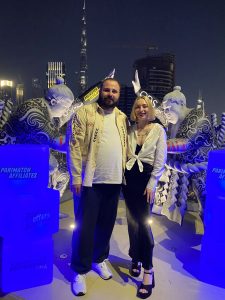
Yulia: I believe, know and feel. I consider Oleksandr Shchypak to be my closest friend among men - this man once chose me to be his boss. My longtime partners, for whom I used to be an affiliate manager (I send my warmest greetings to Misha Funk and Vadym Zavadiuk), as well as boyfriends and husbands of my friends from the industry.
Важливо
HWYD: What advice would you give to those who want to build strong friendships in business?
Yulia: Be honest with yourself and your partner. If you are planning to build a business together, you need to understand that this is a special responsibility that may require extremely difficult decisions. Here I have a piece of advice that I received myself - to prepare a pre-business start-up agreement between you, which will help you to qualitatively assess whether it is worth starting a business together and how to protect yourself from possible future conflicts.
HWYD: Do you have anything you want to convey to your friends through HWYD?
Yulia: Friends, I love and appreciate you. I believe in you. You are incredible, you inspire. I hope that even those whom I have not mentioned in this interview, but those who have been in my life, who are with me now, who invite me to weddings, to bars, to hospital discharge, to my birthday, who send me tiktoks and like my Instagram stories-thank you for you!
Важливо
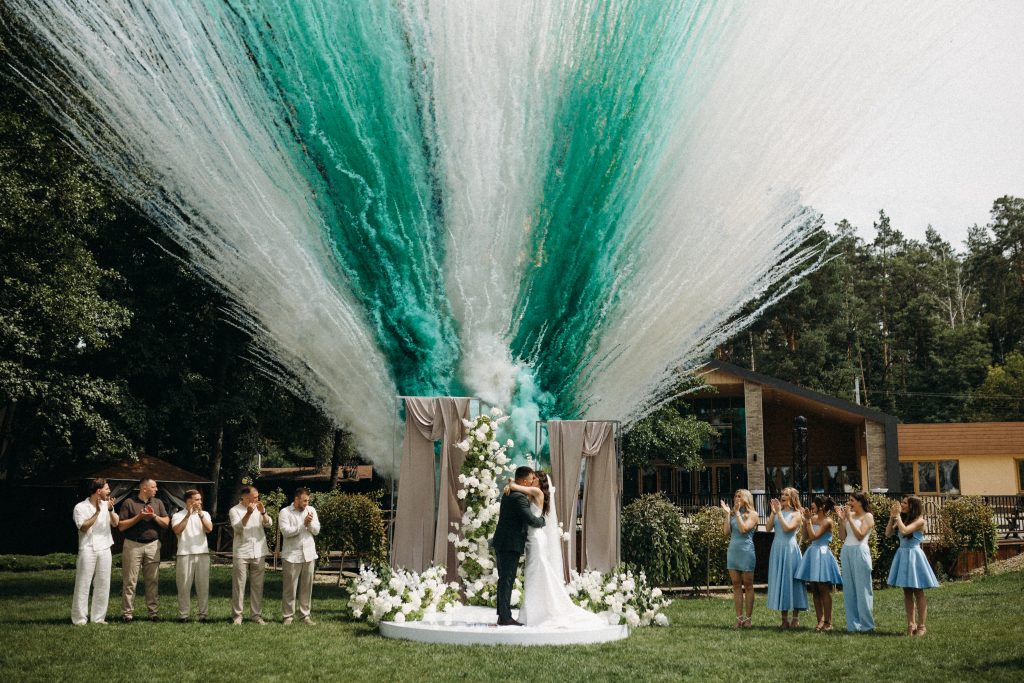
Masha and Yura invited me to the wedding in advance. The couple honored me with an extraordinary honor - to hold the ceremony under the arch. They entrusted me with the most intimate, the most intimate, the most important thing, and, of course, I agreed.
I've been to weddings before and have an idea of how everything goes, but to conduct a ceremony for the first time, and for friends, was a huge responsibility. But the newlyweds took care of everything, and a long time before the wedding, careful preparations began - regular calls with the organizing team, an action plan, specific traditions... The work was enormous, about 100 guests were expected. I knew and felt how special this day was for both of them, so I had no right to make a mistake, and I hope I didn't in the end)
So when everything happened, the emotions subsided a bit, and now I can breathe out - I decided to write about this fantastic wedding to leave an incredible memory on the pages of HWYD.
Kostya, editor-in-chief of HWYD
Preparation
About two months before the wedding, Maria-Victoria wrote to me with a proposal to meet the three of us for lunch before paddle tennis and chat. I accepted the offer and rushed to the lunch without realizing it. We met and, as usual, talked about everything - work, personal... Yura was a little late, and when he arrived, they started looking at each other smiling. I realized something was going on. And I was right - Maria-Victoria told me that they were planning a wedding - but I knew that, as did most of the community, because only the lazy hadn't seen the story of the incredible proposal on Instagram. But it was nice to hear that I was invited among the people closest to the newlyweds. However, the main surprise was yet to come - I was invited to perform the ceremony! Wow - that's where it took my breath away! It's not just to come, congratulate, support, share the celebration... It's something much more. It's about incredible trust and hope. Can you imagine: 100+ guests, parents, grandparents, friends, and finally the newlyweds themselves, who together cherish this holiday - and trust you most of all! I felt fear and pride at the same time! However, there was no question of refusing these two, so I said "YES!" (as if I was standing at the altar at that moment).
Then the preparation process began. I don't know all the details, but the approach to even the smallest details was fantastic. The couple agreed with the specialists - a wedding agency. I can't imagine how many calls they had about other topics - dancing, seating arrangements, menus, colors, music, dresses, etc... But even the meetings about organizing the ceremony were weekly.
I wrote down the sequence of actions, exits, traditions that would be honored, and finally I had to prepare the text. To say that I revised it, rewrote it, crossed it out, and wrote it again at least 100 times is an understatement. But when July 26 came, I was ready, knowing that I had put my sincerity, friendship, and emotions into the preparation, and that if it was sincere, it would be of high quality. It was tested by my own experience.
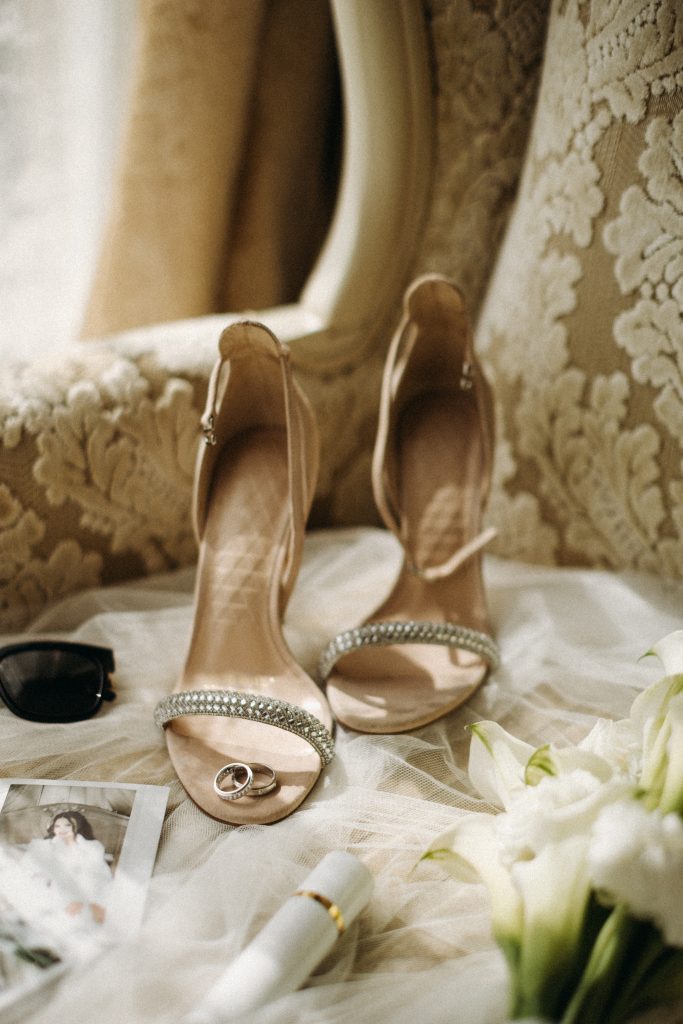
Wedding
The wedding took place in the countryside, in Yasnogorodets, where a famous ostrich farm was once opened. Accordingly, the name of the complex for the celebration was "Strauskhol". It was a large, well-kept, beautiful area: outside there were lawns, a pond with bridges, wooden log cabins and lush landscape, and inside there was a huge hall decorated and furnished as aesthetically pleasing as in American movies about a luxury wedding.
While the guests were arriving, a well-drunken welcome was waiting for everyone, music was playing, the guests' snow-white smiles shone in the sun, and a silent pleasant excitement reigned in the air. Everyone was greeted by a handsome and experienced host, Igor Zenin. Personally, I know Igor from the show "What's the Song?" on YouTube, maybe you've seen it too? If not, I recommend it, it's fun.
Closer to 1 p.m., the organizers began to call the guests to take their seats near the beautiful arch, which was decorated in the middle of the lawn so delicately that they wanted to take pictures of it even before the ceremony began. The front row seats, of course, were taken by the parents and people closest to the newlyweds, and the rest of the area was occupied by friends.
I started talking and realized that the level of concentration of the guests was cosmic - everyone's attention was focused, people were listening to every word, and it was a thrill! First, I called the witnesses - the guys - there were five of them! We shared a few jokes to lighten the atmosphere a bit. After that, five bridesmaids came out dancing. Everything was in the best traditions-the witnesses' clothes were in the same color scheme and very much in harmony with the colors of the event-even this moment was carefully thought out. After joking about a bachelor party and a bachelorette party, we invited the groom to the arch.
Yura came out confidently. He was handsome, statuesque, in a chic suit. His eyes betrayed a slight excitement, but he carried himself elegantly - polite, smiling, intelligent as always. But when the time came for Maria-Victoria to come out, the groom was in for a surprise: dressed in a wedding dress and hiding his face under a veil, one of his friends came out to Yura 🙂 Everyone understood that this short joke was necessary because in just a moment Masha would come out and tears of joy would flow.
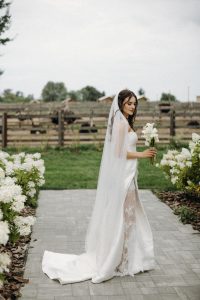
And so it happened. I invited Maria-Viktoria, and her handsome father walked her down the aisle. A luxurious white dress with a slight ivory tint accompanied the bride's steps across the green lawn. Yura looked at his beloved with admiration. "My grandmother, who was always smiling at me and supporting me in every way, started to cry. Even the young people could not hold back their emotions.
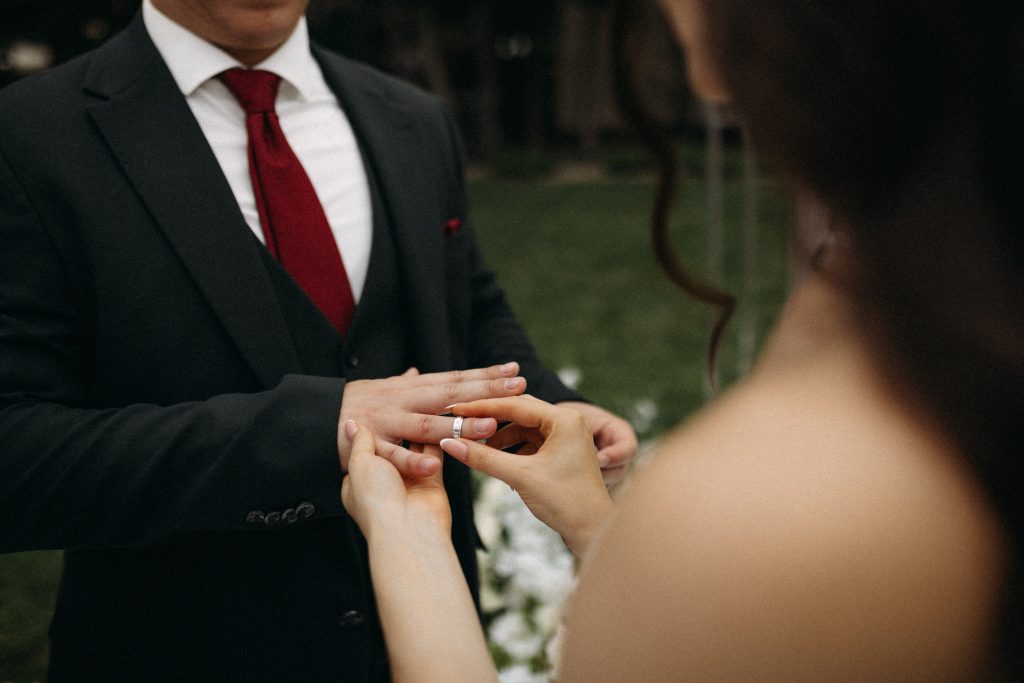
The newlyweds held hands, looked into each other's eyes, and recited their vows. Sincerely, confidently, forever! After that, they received the blessing of their parents, traditionally stood on an embroidered towel (at the same time) and broke the loaf.
And then - the words that everyone was waiting for. And most importantly, which our newlyweds had been dreaming of since they met each other 7 years ago... "Are you ready, Yura, to protect, love, and take care of Maria-Victoria throughout your life?" - "YES!" "Are you ready, Maria-Victoria, to protect, love and care for Yura throughout your life?" - "YES!"
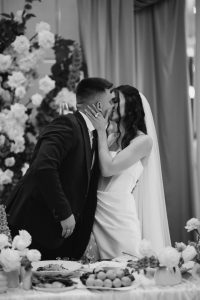
At these words, emotions could no longer be contained: tears, applause, and all-encompassing joy accompanied the newlyweds' kiss. I wiped away a tear and smiled, because I realized that everything had been done the way these two wanted it! And it made me happy.
And then everyone moved to the restaurant, there were toasts, funny and non-funny contests, dancing... I especially remember a prank from the host: throughout the wedding day, he secretly filmed various pranks on the guests - he asked them to feed him with their hands because he couldn't get his hands dirty, or hinted at bringing him alcoholic drinks in secret because he was told he couldn't get a drink at work 🙂 At the end of the evening, all this was edited and shown on the screens. The audience was laughing.
Masha danced with her father, Yura with her mother. They threw the bride's bouquet to the bachelors, and the unmarried guys caught the garter. In the middle of the dinner, the newlyweds took care of the guests' leisure and invited a secret guest. It turned out to be Shumei, who sang about 7-8 songs live with an acoustic guitar. Personally, I don't listen to this kind of music, but when I heard it live, I was blown away - his incredible voice gave me goosebumps and evoked the same real romantic emotions as the wedding itself.
For the newlyweds, this day was not only the biggest celebration of their lives, but also a lot of hard work that they did at 1000% - smiling, taking pictures, walking in heels all day, dancing, listening, responding, thanking.
And in conclusion
Важливо
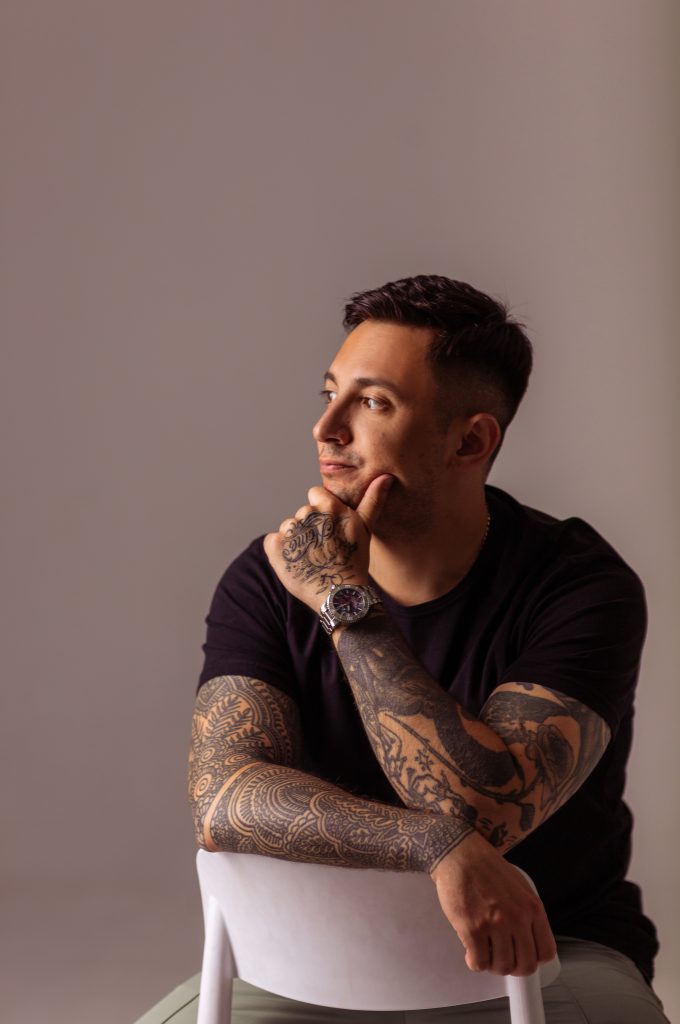
This interview should have appeared a long time ago. But Kostya is not one of those who likes to talk about himself. He is always on the move, in a whirlwind of creativity, in a dialog with someone else - but not about himself. But the HWYD team decided that it was time to stop being silent. It's time for you to know the story of the man who came up with the most sincere media in the affiliate market - How Was Your Day.
We wanted to tell more about Kostya. Not as a creative director or a specialist, but as a person - real, real, funny, vulnerable, multifaceted. That's why we sat down to talk to him not "for content" but for real: about his childhood, books, first kisses, losses, punk rock, tattoos, and, of course, fatherhood.
A very personal interview. With sincerity that cannot be faked. Read it and find out who Kostya is behind the scenes of big projects.
Childhood and school years
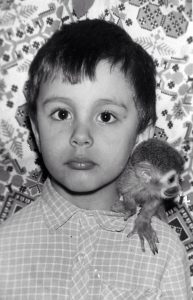
HWYD: Tell us about your childhood, what kind of family were you born into?
Kostya: I was born in the city of Kherson into an ordinary, average family, but to extraordinary parents. My mom is an example of true femininity, wisdom and love, and my dad is an example of courage and character. My mother was a pharmacist by profession, working in the production of pharmaceuticals at a tuberculosis hospital, and my father was a master of sports in pentathlon, playing for Dynamo, and because back then, to be a Dynamo player, you had to be a police officer, he served and had a rank:
HWYD: How were your school years?
Kostya: I'm a real nerd and I'm not ashamed of it. I have loved learning since childhood and I still love it today. The best day off was to go for a walk with my mom in the city center on Saturday morning, make sure to go to a bookstore, buy a new book, and then celebrate this event in a cafe with a glass of milkshake and a cake. The book would be read in a week or two, and then a new one would be bought again. And so it was throughout my school life. Even now, unfortunately, when I don't have much time to read, I can't pass a bookstore without buying something and putting it in my library at home - paper books are a big fatiche for me.
From the first grade, I was enrolled in karate and swimming. I didn't have any extraordinary successes or stars from the sky, but I liked such a tight schedule of combining studying and training even then. I remember that the sixth grade was a record-breaking year in this regard: full of lessons, swimming on Monday-Friday, karate on Tuesday-Thursday, and basketball on Wednesday-Saturday. Although karate did not make me a fighter, it gave me many vivid memories - every summer we went to a sports camp in the city of Skadovsk - a regular camp, like everyone else, only with training. There was my first love, my first kisses, friendship and all the romantic things that little me lived and dreamed about.
HWYD: What did you dream of becoming as a child?
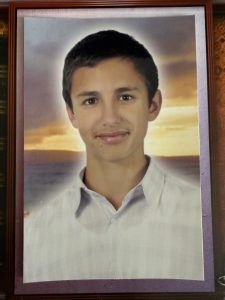
Kostya: "Up until the 9th grade, I dreamed of becoming a surgeon - I wanted to save people. But then the Orange Revolution took place in Ukraine, and the then very progressive Channel 5 appeared, broadcasting live reports from the Maidan, and I realized that my true calling was journalism.
Since then, I started preparing in advance for admission to Taras Shevchenko National University of Kyiv - I dreamed of Kyiv and this particular university, although most Kherson boys at that time chose to become sailors (like most of my classmates and childhood friends), but I, like a true Capricorn, persisted.
HWYD: Study is studying. And how did you rest? Was it just books?
Kostya: No, not only) We, the people from the South of Ukraine, are sea people. I am still indifferent to the mountains, but the sea is my everything. Every summer we went at least twice to the Arabatska Strelka boarding house on the Azov Sea - a shallow sea with waves like lambs, a thrill! By the way, as a reminder of those times, I have a tattoo on my leg in the shape of the coast with the inscription "Arabat Spit" - I love this place so much. Unfortunately, it is now under occupation. Music also played a big role in my life at that time-it was the heyday of subcultures, I was into punk rock, I loved emo, my friends and I attended rock shows that took place every 2 weeks. I remember the first time my parents let me go to such a concert-I had seen videos of concerts full of people, slamming, stag-diving, and so on, so I was a little scared in the bus and thought I would stand somewhere on the edge. But as soon as we got there, I saw that the stage was the stairs of some kind of a concert hall, and under the "stage" there were probably 15 people, and the fence between the "fan sector" and the "stage" was a stretched rope, but it was still cool.
My parents didn't allow me to stand out too much, no matter how much I rebelled, but we tried to look canonical-my friend wore a mohawk, I had emotional bangs, and the like. That's why we often had to deal with hooligans, explain something to them for a long time, sometimes fight or run away.
And there was also a period of passion for skateboarding, but not for long)) The pop-punk era gave rise to a trend of skaters in our country. I wanted to do it too, because they looked cool. We didn't have the money to buy a cool board, and try explaining to our parents that a wooden thing on wheels could cost so much. So my mom helped me save up a little bit, and we bought a simple skateboard at the Virage store. I tried to do an "ollie" and broke the deck in two on my first attempt. Then I hid the halves of the skateboard under the bathtub so as not to upset my mom.
HWYD: How were you brought up?
Kostya: I grew up a real dreamer. Perhaps this helps me to remain a child now and not limit myself in creative fantasies. My mother's love taught me to love this world, to respect and look for something good in everyone, to value myself and the people around me. My father taught me to be fair. Of course, it is somewhat difficult to live in such paradigms (that the world should be perfect), because every time something happens that is not in accordance with one's conscience or is dishonest and unfair, it seems as if everything on which your inner world is based is destroyed. But my faith in goodness and in people does not subside. And no matter how much it hurts sometimes, I like this trait in myself.
I remember a story: every summer, an amusement park came to our neighborhood and was located near my house-the neighborhood was new and there was a vacant lot nearby that was convenient for the amusement park. Accordingly, in addition to visitors, there was a variety of rabble hanging around. I was little, and I heard something happening in the kitchen-my mother saw from the window how some convicts came up to the boys and girls from our house, who were sitting on a bench under the porch, hit ours, and tore off a chain from someone's neck. My mom shouted at them something like "What are you doing?!" but they ignored her and walked toward the amusement park. At that moment, my dad came running home from training, sweating and disheveled. He saw my mom crying, quickly asked what happened, and left. That was the first time I saw my mom pray. As I found out later, my dad found them - he knocked one of them out and dragged the other one along the ground to the nearest police station for a broken finger. Then I thought that when I have a family, I want to give the same warmth as my mom and be as strong and reliable a protector as my dad.
Student years and first job
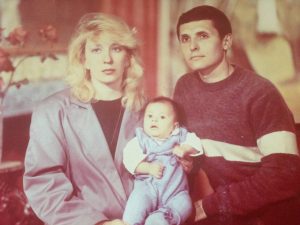
HWYD: Let's talk about admission and student years.
Kostya: Ohhhh, we don't have enough space here to write about this) I'll try to be brief, although this is not my best trait))
I entered the Institute of Journalism at Taras Shevchenko National University of Kyiv. I studied really well, probably only for the first year and a half, hoping to transfer to a state-funded program. I entered the contract, and then I had a conversation with my father: "Either you will be at Chevy, where you wanted to be, I will pay the contract, but we will limit your pocket money, or you go to the National Academy of Sciences (at the same time I entered the state-funded "banking" program at KNEU just in case, just to anchor myself in Kyiv), where there is a budget, a scholarship, and my mother and I will still give you pocket money." But I chose what I wanted.
There, at the institute, I met my best friends, with whom we are still friends to this day, though not as often as I would like. One of us was killed at the front, and this is an incredible loss that hit all of us very hard. Max is still missed and will be missed.
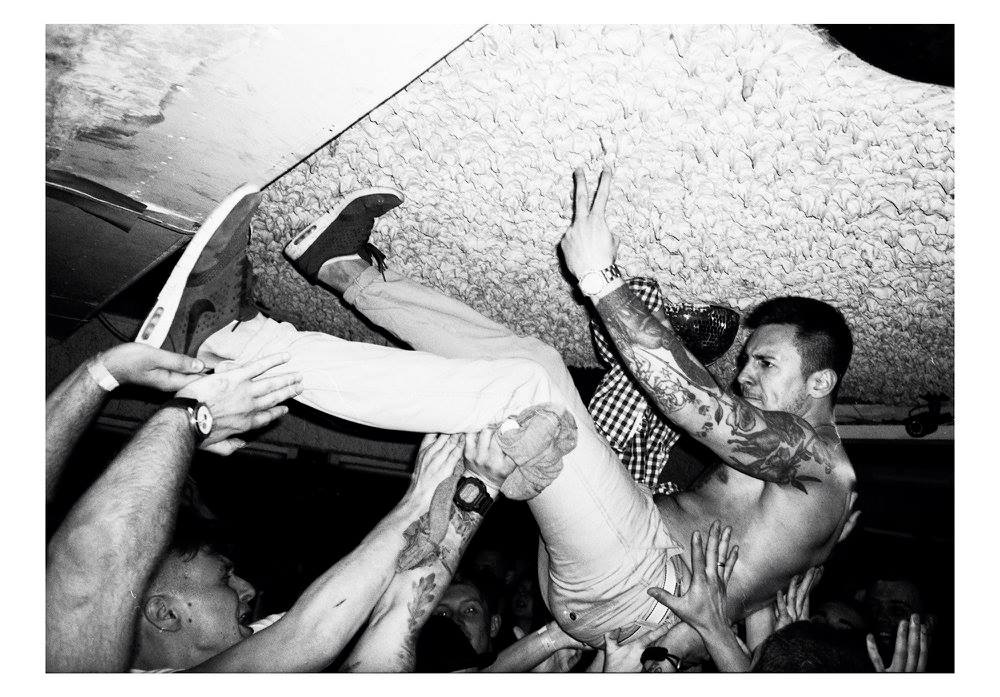
It was a real student life, and I'm not ashamed of it. I lived it the way I had to and the way I probably wanted my children to live their student life. Everything here is like Remarque's: friendship, love, sincere, genuine emotions, songs with a guitar in the dormitory. Oh, the nostalgia)
HWYD: Tell us about your first earnings.
Kostya: Literally the first time I took roasted seeds and a stool from home and started selling seeds next to the old ladies.) Business was not good, and then my father came and bought me a 50-kopek glass and took me home.
In my second year of study, I had a summer job as a secretary of the Lithuanian delegation during the anniversary congress of the Bank for Reconstruction and Development in Kyiv, and with the money I earned, I immediately went on my first ever European bus tour.
HWYD: After college, you worked as a flight attendant! How did you end up there?
Kostya: It was my fifth year, and my dad told me that I had a month to find a job, and he wouldn't give me any more money. I started actively looking for something, but what could I expect with no experience - either an internship or a job at a newspaper for a pittance. Then I saw photos of a friend on VK who was abroad almost every day. We messaged each other and he offered me a try. I came for an interview at Aerosvit Airlines, and then I took three months of training. I still consider that training to be the best and most useful in my life - from etiquette, knowledge of serving food and wine segregation to extinguishing fires, rescuing drowning people and organizing evacuation actions. I flew like that for 2.5 years. I flew everywhere - both long-haul flights across the ocean and short flights to Europe and Asia.
HWYD: Why did you decide to quit aviation?
Kostya: I have a lot of respect for all my colleagues in aviation, including flight attendants. But personally, I no longer saw any prospects for myself - yes, it was really cool, I was 21 years old, I had seen almost the whole world, and I was making good money. But unrealized ambitions were eating away at me. I started to remember why I moved to Kyiv and what I really wanted to become.
I remember we had a flight, and I was upset because on that day my classmates were celebrating their graduation from the university-the end of their 5th year. And I had a flight to catch. My colleagues found out about it, and to cheer me up, they arranged a surprise - on descent, I was called to the cockpit, and I spent the entire landing on the jump seat in the cockpit. The emotions and impressions were fantastic. So I was very grateful to aviation and my colleagues for such an incredible experience in my life, but I had to move on.
Work on television
HWYD: Is the TV era about to begin?
Kostya: That's exactly right. I have already talked about this in many places, so I don't want to repeat myself too much. I was the first to be hired by "Facts of the Week with Oksana Sokolova" as a trainee journalist. I'm still grateful to Oksana Mykolaivna for her faith in me. And then it went from there: editor at "It concerns everyone", editor-in-chief at the New Channel and STB. Towards the end of my television career, my clients gave me turnkey projects - to develop a concept, write a season arch, conduct casting, recruit participants, write scripts, implement, edit, and get a finished show. Somehow I had 6 projects going on at the same time, and I was burning with it, not burning out.
It seemed that I had found myself and my place. Finally, I was doing what I loved, what I was good at, and I was getting paid for it. Poverty was over, we could dream and plan for the future... But the Russian Federation decided to teach us how to live and to denationalize us - before that, no Ukrainian went to bed or started the day without throwing a ziggy. Ugh, in short, a full-scale war came.
There was no time for entertainment in the country, and I lost my job. For some time, I helped as an information networker. Together with former Minister Borodyansky, we collected and recorded all the crimes committed by the Russian Federation, so that we could have a structured evidence base for The Hague or whatever else we needed. But the financial cushion was quickly running out, and I had to find something quickly, because I felt responsible not only for myself but also for my family and friends.
That's how I wrote to Inna Gagarin, my old friend from my college days and dormitory days. I thank Inna to this day - I believe she saved me at that moment, and also gave me a ticket to the world of affiliate marketing, and acted as my protégé, which greatly simplified my entry into the field.
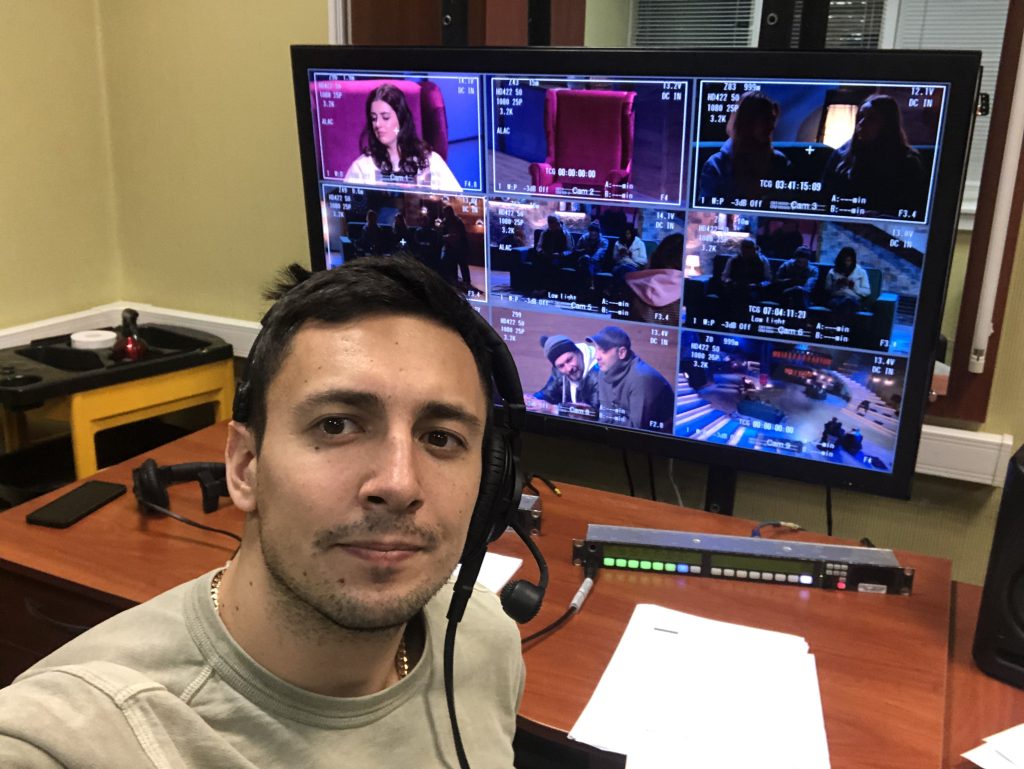
HWYD: You've grown tremendously in this area as well, eventually becoming the Creative Director of Wild Wild Group! How do you feel about working at the C-level?
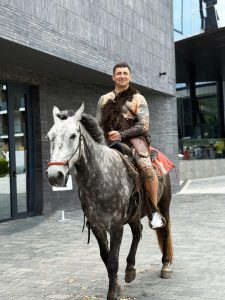
Kostya: I adore Wild Wild! I have my hands completely free here - I was called to this position as a qualified and experienced specialist, and I am given the opportunity to be so! This is the most valuable thing in my job! I remember our first communication with the CEO of the company - it was supposed to be something like an interview, but we were so enthusiastic and talked to each other about everything in the world so enthusiastically that we didn't notice that almost 2 hours had passed before we moved directly to WWG, and I was very much supported by Katya, Head of Sales WWApps. I've known Katia for a long time, she is a media person and a very respected person in the community, but she wrote and supported me so sincerely that I felt I would feel comfortable here. And so it happened. That's why it's only in such an atmosphere - I emphasize - EXCLUSIVELY IN SUCH AN ATMOSPHERE AS THAT NOW EXISTS IN THE WILD WILD GROUP - that all these crazy ideas with horses, stands where you can draw, westerns, and much more are born.
Life outside of work
HWYD: It's clear about work merits. But what about your personal ones? You're a father - tell us about your own fatherhood.
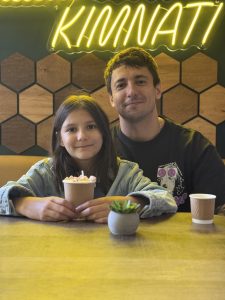
Kostya: I am the father of a beautiful, best daughter in the world, Mayechka. She is my heart, my soul, my greatest love in the world! It so happened that her mother and I divorced when Maya was 1.5 years old, but we communicate well, maintain friendly relations, and I hope this will not affect the child in any way.
Since Mayusha was two years old, we have been going to the seaside with her all the time) this has always aroused genuine interest among the other vacationers - our company consisted of my grandfather (unfortunately, my mother died 8 years ago), me and a little girl. Everyone asked, "Where are your girls?" But we got along well with three generations of Golubevs.
Maya has become my best friend. We talk about everything like adults. We can fool around as if we were both 9 years old, not just her, we recently bought cherries and I showed her how to shoot the pits, as you can imagine, we were all covered in cherry stains, but happy. I really want to maintain this relationship with her in the future, not to be shy and to be the dad a girl dreams of - a friend, protection, support.
HWYD: And finally, about HWYD - how did you come up with it?
Kostya: We created HWYD together. One day I was walking with a friend and grumbling a lot about niche media - this is not so, that is not so. She suggested that I stop grumbling and create my own media. I looked at her in confusion and asked her how I would do it. She replied: "I'll invest in it - you're responsible for the idea, concept, structure, and content." And that's how we got into it. It looked like I was being weak.
At first, everything was going very slowly and it seemed like the whole idea was just an illusory fantasy. However, one minute the website was ready, the next the brand book was ready, the next the domain was bought... Pooh-pooh-pooh - there was no turning back. When I first clicked on the site and realized that it was my brainchild, I immediately wanted to improve, popularize, make it better and more recognizable!
This is how we became who we are. We have recruited a small staff - now we have about 10 people, each of whom is as talented as possible in their field - it's a kind of Talent League. That's why I can safely entrust all operational processes to the team and take on the role of an ambassador for recognition or engaging experts for our materials.
Важливо
HWYD: What would you like to wish our readers?
Kostya: I wish you never to lose your humanity! To always be open, as far as the situation allows, to look at the world through the eyes of a child, to allow yourself to think and create a little bit "with a twist". And I am sure the world will open more than one door for you with such sincerity!
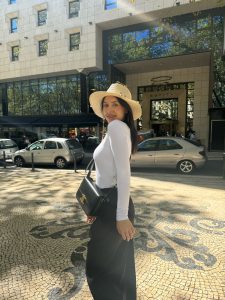
"I want to conquer Mars" is a dream that sounds like a scene from a movie about the future. But for Mila, this is a very real goal.
She doesn't just set ambitious goals - she plans them, lives them, and turns them into concrete steps. Her path is an example of a bold choice of the "unknown," faith in herself, and willingness to learn when it is difficult. From summer vacations in Western Ukraine to the strategic development of a Tier-1 partner, Mila has proven that even a seemingly crazy dream can become quite achievable if you make it your point of attraction.
This is a story about a girl who abandoned her stable plan to become a tax officer to plunge into the fast-paced world of affiliate marketing. It's about a girl who dreams not just of a successful career, but of her own product, travel business, and a ticket to Mars.
Does it inspire you? Of course it is.
How my childhood was spent
HWYD: Tell us where and how did you spend your childhood? Describe some of your most vivid memories.
Mila: I was born in the Chernihiv region. My childhood was very warm and cool. My most vivid memories are that every summer I went to Western Ukraine. Just every summer.
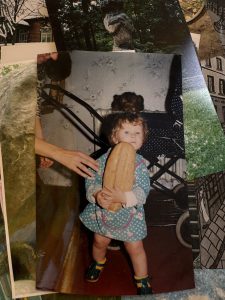
HWYD: What did you dream about when you were a little girl?
Mila: When I was little, I dreamed of a cool red car, a sports car, and becoming a diplomat.
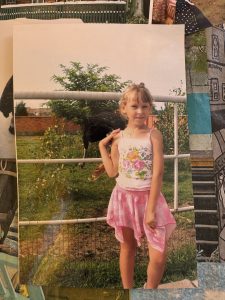
School years and student life
HWYD: How did you study at school?
Mila: I did very, very well at school. My favorite subjects were history, Ukrainian language, Ukrainian literature, English and foreign literature.
I liked humanities subjects-everything related to reading and languages.
HWYD: What clubs/sections did you attend and what successes did you achieve?
Mila: I attended an art school in parallel with a regular school. I didn't achieve any special success at the art school, but I had a lot of success at the general school. I often won prizes at district competitions.
HWYD: Where and why did you decide to study after high school?
Mila: I enrolled as a financier, or rather, a tax specialist. This is basically a basic education that will always come in handy.
HWYD: What were your student years like? Describe some of your most vivid memories.
Mila: They were very, very intense. The brightest moments of my life are associated with students. I really liked team activities, especially the Faculty Day, Mr. and Miss Faculty, and all kinds of events like that.
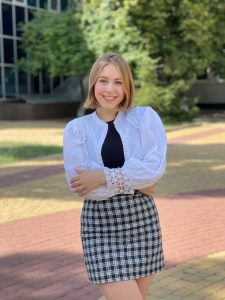
HWYD: How did you earn your first money? What did you spend your first salary on?
Mila: I started earning my first money at school. I worked in the summer in my friends' business - we made wooden puzzles for children, like handmade. I painted and drew them. I spent it on clothes - on cool clothes.
I also won my first money in the lottery. They bought me a ticket, I won x30, and of course, I felt like a rich bitch.
It was my first experience of "my" money. Before that, I was just given it, but here I won it. And I remember when I was a kid, I had such a nice "cutlet" of cash.
Mila in the affiliate industry
HWYD: How did you get into the affiliate industry?
Mila: At first, I just learned about the position of affiliate manager, started looking into it, and found out that my friend had an open position in the company.
But I made the choice to become an affiliate manager back in my third year when I was analyzing what suited me best: a job in finance or something new and unknown.
I chose the second option, although the first one still haunts me. Maybe someday I will try myself as an auditor, for example, or use my knowledge in my own business.
HWYD: What position did you first hold, how did you learn about the field and the specifics of work?
Mila: At first, I was a junior affiliate manager. I learned the industry through practice - I had a lot of communication with websites and partners even before I got to international conferences.
I was immediately immersed in the work as much as possible - the pace was fast, and it was difficult at first. It still is sometimes. But at the beginning, I was lost - I was confusing concepts, didn't fully understand how to use slang correctly and what sources there are, how they differ.
HWYD: How did you move on, what companies did you work for, and what experience did you gain?
Mila: After my first strong experience, I decided that I wanted to try myself as a direct advertiser. I joined GGBET, which is a direct advertiser with three directions and several licenses.
The experience was very interesting. That's how I got a strong "product" base and grew rapidly. We were marketing to Brazil and Asia, and I was on a business trip to Brazil - and for the first time without a stand. At one time, we were very active in buying traffic to Brazil. We also had expertise with the Baltic countries and Tier-1 strings. In other words, we covered many locations.
Later, we received a Ukrainian license and also bought large volumes of traffic. It was very interesting to track the performance and payback of geo, which was quite new and with an empty base at the time. All of this was complemented by a strong media company, which, in turn, affected various metrics.
Esports is a separate story. GGBET has a very strong esports line, and at the time, they were leaders in this area. There is a different payback, a different player psychology - not the same as in classic verticals. Therefore, it was very interesting to work with them.
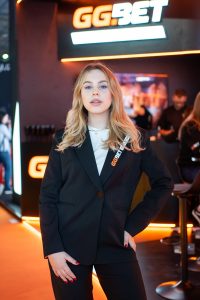
HWYD: Now you work at BigDeal, tell us about the company and yourself. What do you do and what prospects do you see?
Mila: BigDeal is an affiliate program focused on Tier-1. We have two products: OnlyWin on a self-serve platform - it focuses on Canada, Germany, and Australia. And WishWin, which has a wider geo-reach.
I handle the entire CPA department - all sources except SEO and streaming.
I see a growth perspective for myself as a team leader - to grow a team, fill it with people, and develop our products through this team. And this growth is not only in terms of affiliate business, but also in terms of products, technology, and even media buying. It is absolutely comprehensive development.
And there are a lot of prospects. It all depends on me - on how I invest and how fast we move.
HWYD: What's next? Staying in this field or making radical changes? What do you dream about?
Mila: In fact, this can change at any time. But for now, yes, I am here.
From dreams. I often write down my dreams, which turn into goals: global and intermediate ones. This is even more than just writing them down. When we write down a list of our goals on paper, it helps us build a plan and a clear timeline. Here are some of my goals: my own product in Tier-1 and the travel business. In general, there are a lot of them. They inspire and make every move meaningful.
I also want to visit Mars. And all the countries of the world. I want to visit non-touristy, completely unpopular locations. I dream of going on some kind of expedition.
Life outside of work
HWYD: How often do you go on vacation and how do you spend your time there?
Mila: In fact, I have never been on a full vacation. But I need to go somewhere for a weekend every month. That's how I recover, and with some dynamics, I can do my best in 100%.
At these moments, I try to disconnect from the "easy dopamine" and take my eyes off my phone. Most of my friends are not from the industry, and it's important for me not to stay plugged into the work context. It's important to really relax mentally, and that's the main thing.
I also like to walk, try to visit interesting places and places, and often go to museums and exhibitions in my free time.
Outside of work, I try to read more and learn French. It's important to switch gears and unload your brain. In my opinion, this is the only way to preserve and increase the amount of energy, while maintaining the "rhythm" of life.
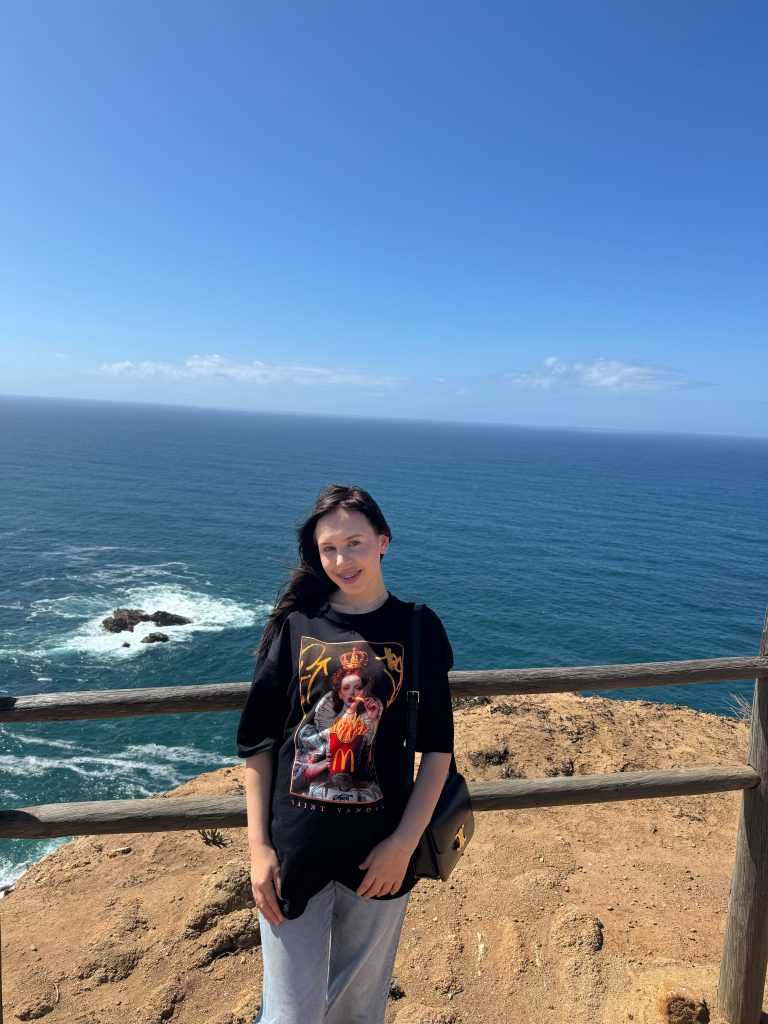
HWYD: How did you find the move to Warsaw? Do you see this city as a second home?
Mila: At first it was difficult - the process of moving is complicated, and for various reasons I couldn't get to Warsaw for a long time - I was constantly stopped by something: either I was sick or there were some force majeure events.
I felt as if this city did not accept me. But over time, I got used to it. I formed my own social circle, and I feel comfortable here. Warsaw has become my second home.
HWYD: What is the situation with the development of the Ukrainian affiliate community in Warsaw? Is everyone friendly and welcoming to each other? Where do you meet, what do you do together?
Mila: The Ukrainian affiliate community in Warsaw is very strong. Everyone is friendly, open, and welcoming. We play padl, mafia, go for coffee, to the movies together. In general, we hang out everywhere.
Важливо
HWYD: What are your wishes for the readers?
Mila: I wish to always hear myself, not external noise. And always go for your goal.
Never give up. Because if you really want something, you can't just give up. The inner desire to achieve something will always bring you back to the initial or intermediate point.
So you either do it the first time or the hundredth time. But you will do it. Giving up just doesn't make sense. That's all.
Do the words Parimatch, ASO, Uzbekistan, and $1593 mean anything to you? For us, it means another case from One Partners. The period of the pour is about 10 days, and the statistics are as good as for three weeks. Let's move on to the case study)
Brief information
Важливо
- Offer: Parimatch
- Geo: Uzbekistan
- Platform: ASO
- Test period: 15.03.2025 – 31.03.2025
- Costs: $2 319,00
- Profit: $3 912,00
- Profit: $1 593,00
- ROI: 68.7%
Case statistics and selection of geo
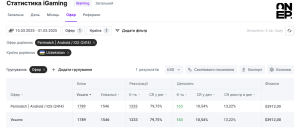
Uzbekistan is one of the most developed countries in Central Asia (second only to Kazakhstan) with an average income of about 390$. Naturally, the most solvent population is concentrated in large cities, such as Tashkent and Navoi. However, the country itself is not large: Navoi has a population of only about 130,000, while Tashkent has 3 million people (we recommend that you feel free to target residents of this city the size of Kyiv).
The total population of Uzbekistan is about 35 million people with an Internet penetration rate of 83.3%. This means that about 29.5 million people use the Internet on a regular basis. As you might guess, gambling here is more of a way to earn extra money than just have fun. Officially, gambling is prohibited in the country.
The local (not very stable) currency is the Uzbek Soum. As of 21.05.25, the exchange rate is 12,889.77 Soʻm to 1 USD. There is a clear delineation of the audience: it consists of two layers - Russian-speaking and Uzbek-speaking. It is often about the way of thinking, and therefore, promotion will require different approaches, which will be discussed further.
Other verticals
In addition to gambling, you can also launch betting. Due to official bans, the connections used for betting are gray, but here are some of our observations:
- We use the national mentality and FOMO
- We characterize the national mentality as follows: respect for elders, friendliness, mutual assistance, and adherence to traditions (Uzbeks are an ancient people)
- Eid al-Adha and Ramadan are your no-no's when spilling on Uzbeks, as these are religious Muslim holidays
Gut. It's quite simple: one of the most popular categories for distribution is potency (Facebook/Instagram scheme as placement + pre-order + sales page), as we are dealing with a culture where the level of sexual education is (still) low due to religion and the influence of traditions. A standardized "European" presentation will not work in Uzbekistan, but it is possible to spill over into TikTok with more unobtrusive home production.
Crypto and debit cards are not the right time. Firstly, it is difficult to find an audience, and secondly, the country is dominated by Muslims, which means that it will be difficult to work with de-identification and the de-identification approach in general. Unless you disguise dating sites as sites for long-term relationships: the audience is conservative, values their anonymity, and the younger generation ≠ increased interest in trading and adalt.
Traffic source
According to Digital 2024, 8.7 million people actively used social media in Uzbekistan, which is 24.6% of the country's total population. It seems like not a lot, but it is not: it is enough to have good numbers both in social media outreach and in optimizing the sticks) As for the operating systems of smartphones, from which the vast majority of people access the Internet, we are talking about 10,01% iOS users and 89,89% (!) Android users.
ASO optimization strategy
When covering Uzbekistan, it is important for the web to remain a little more restrained than usual: no explicit images (associations are better), aggression, or references to alcohol. Static with emotions, demonstration of winnings, and the Uzbek language work well. It's also cool to use local realities, such as the game of ashichki, a traditional Uzbek dice game that will evoke nostalgia and trust among the local Uzbek-speaking audience.
In general, the audience likes simple, clear promises with a WOW effect - quick results or winnings. The visuals should be as clear and rhythmically calm as possible: cozy, trustworthy stories work better than aggressive videos/statics with dynamic transitions.
One Feedback
Two of your concerns when launching in Uzbekistan are localization for the slow Internet and local culture. It's a CIS country, so there are Russian-speaking people and Uzbek-speaking people. The difference between the two is that it will be more difficult to bring Russian speakers to the deputy. But it's easier to work with Uzbek speakers, but we consider such traffic to be of lower quality. In short, the choice is yours - but don't forget about the slow Internet and the Runet/local Internet, because it's the key to this geo's envelope.
How did you set up the advertising campaigns?
Another point: the society here is patriarchal, so it is better to target men, which is what we did (target audience - men 25+). Sors - ASO.
Traffic was pouring in for offers from Parimatch Aff through the affiliate program One Partners.
Main parameters of the LCD
Paid goal: FTD
Minimum deposit: 20000 UZS
Capa: 30 FTD
Not paid for:
- Motivated traffic
- Setting the minimum deposit amount in creatives
- Multi-accounts, fraud, chargebacks
Conclusions.
Важливо
Uzbekistan is still not a common choice for the web, and for good reason. It can really show great results at the distance, which we have successfully proved. And it is better to test the distance with One Partners, a partner that has a reliable background in the development of the website. Even when it comes to countries that are similar in mentality and level of development.
Do you want more offers? Write to One Partners affiliate manager!