



Voluntary captivity of an affiliate: Alisa Melnyk on how artistic thinking creates a systemic business
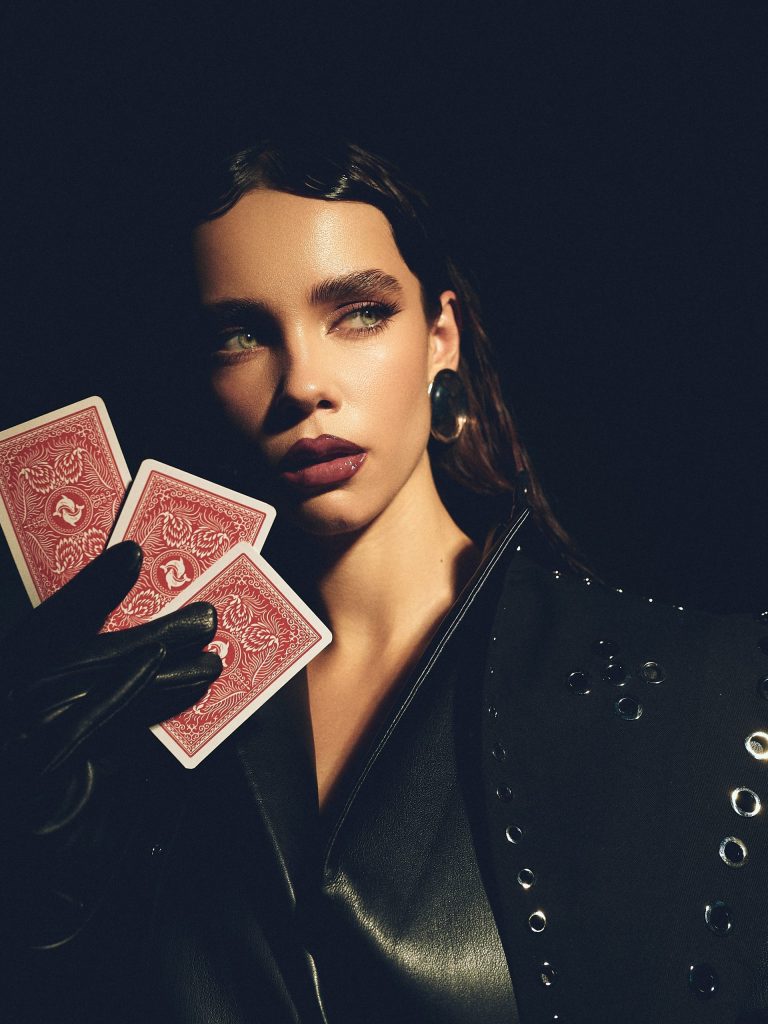
There are people who come to affiliate marketing for the sake of quick numbers. And there are those who are looking for its internal logic: how everything works, why it works, and how to make sure that success is not a random flash in the pan for one month.
Alisa Melnyk is one of them. Her story begins in Lviv, in a family of artists, where art was not a choice - it was an environment. The smell of paints, sketches, conversations about form and meaning, the habit of looking closely. And although the classical creative path seemed like a logical scenario, at some point in this story another word appears - scale. First works, first ambitions, first strong teams, and “adult” digital. And then - an accidental entry into affiliate and iGaming, which very quickly ceased to be accidental. Dozens of found influencers, first leadership experience, large budgets, team management, and the understanding that there is always one thing behind any integrations and campaigns: the system or lack thereof.
In this interview, Alisa shared her honest thoughts on perfectionism and directness, what “voluntary captivity” of an affiliate looks like, the power of communication, painful management decisions, and why she brings students to the offer not by magic, but by structure. And also about the next stage.
When you no longer want to solve ordinary tasks, but want to build architecture. Not to amplify the chaos with performance, but to create a foundation that can withstand the market. This interview is about a path that was not easy. But it is definitely real.
Childhood and environment
HWYD: Where were you born and what kind of family did you grow up in? What was the atmosphere of your childhood like?
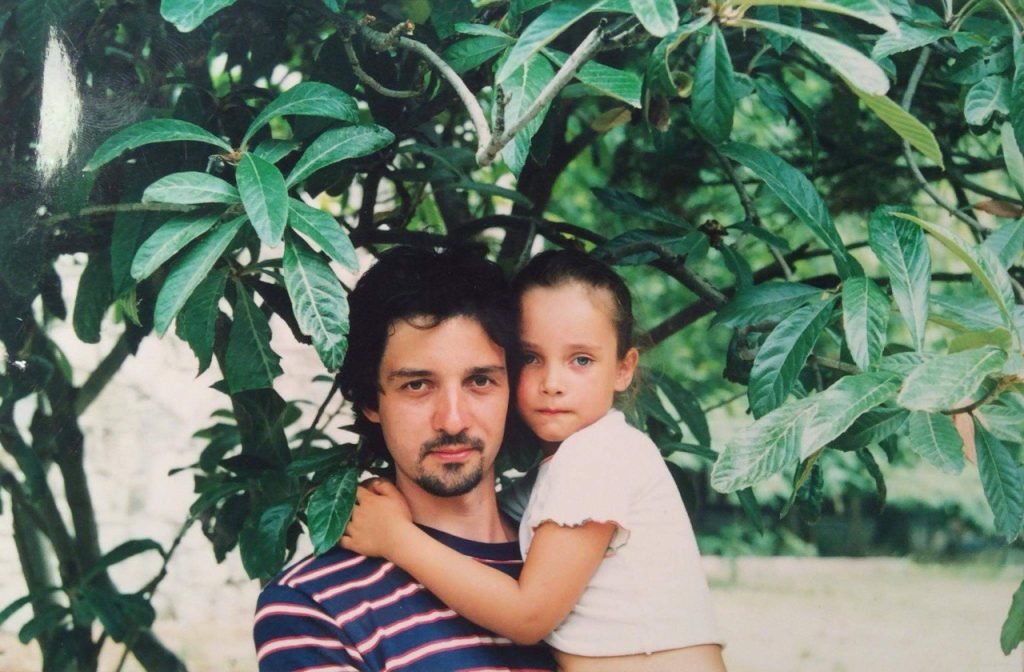
Alice: I was born in Lviv, into a family of artists. I didn't have a question of whether I was interested in art or not - it was just around me. The smell of paints, sketches, conversations about form and meaning, constant «look closely». I was a very creative child, I drew a lot and learned early on to look at the world from a different perspective. It was the 90s, a difficult time, sometimes harsh, but at the same time very honest. And despite everything, I grew up in love and support. So when I think about my childhood, I don't feel nostalgic and painful, but rather a warm smile.
HWYD: What memory from those years do you still carry with you and why?
Alice: Most often, I remember family celebrations of the New Year. When everyone got together, the snow seemed real, and time seemed to slow down. I really loved being with my grandparents - there was a sense of security and silence with them that is difficult to explain in words. Another important memory is traveling with my parents to Crimea. The sea, long conversations, the feeling that the world is big, but now it's all yours. It was good then. Simple and real.

HWYD: Looking back, do you see any traits from your childhood that have stayed with you today?
Alice: I was a stubborn child with a temper and an «A» student syndrome. I remember how I could stand at a press kiosk for thirty minutes, make the saleswoman show me all the magazines, and then calmly say, "I need to think." And leave. I have always been for justice, did not tolerate falsity, and said what I thought-even if it was inconvenient. This inner straightforwardness has stayed with me to this day. As well as my love of solitude and my own rhythm - a typical business Capricorn, with an inner sense of the bar that I never lower for myself or for the process.

Education and career path
HWYD: You studied at an art school and later entered the Academy of Fine Arts and Architecture. Why did you choose this particular field?
Alice: Without being too modest, I just couldn't help but draw. I have always painted. Not «when I was inspired», but steadily, like I was breathing. It was a passion, a therapy, and a legal way to disappear from reality when I got bored with it. Therefore, entering the academy was not a big life choice - it was a scenario without alternatives. Everyone wanted it: both me and my parents. A separate point of pride is the budget. I didn't even consider the contract. In my head, it sounded like «you fell short». I would not have forgiven myself for that. And yes, I still consider it the right decision.
HWYD: Who did you imagine yourself to be at that time-an artist, a director, a movie person?
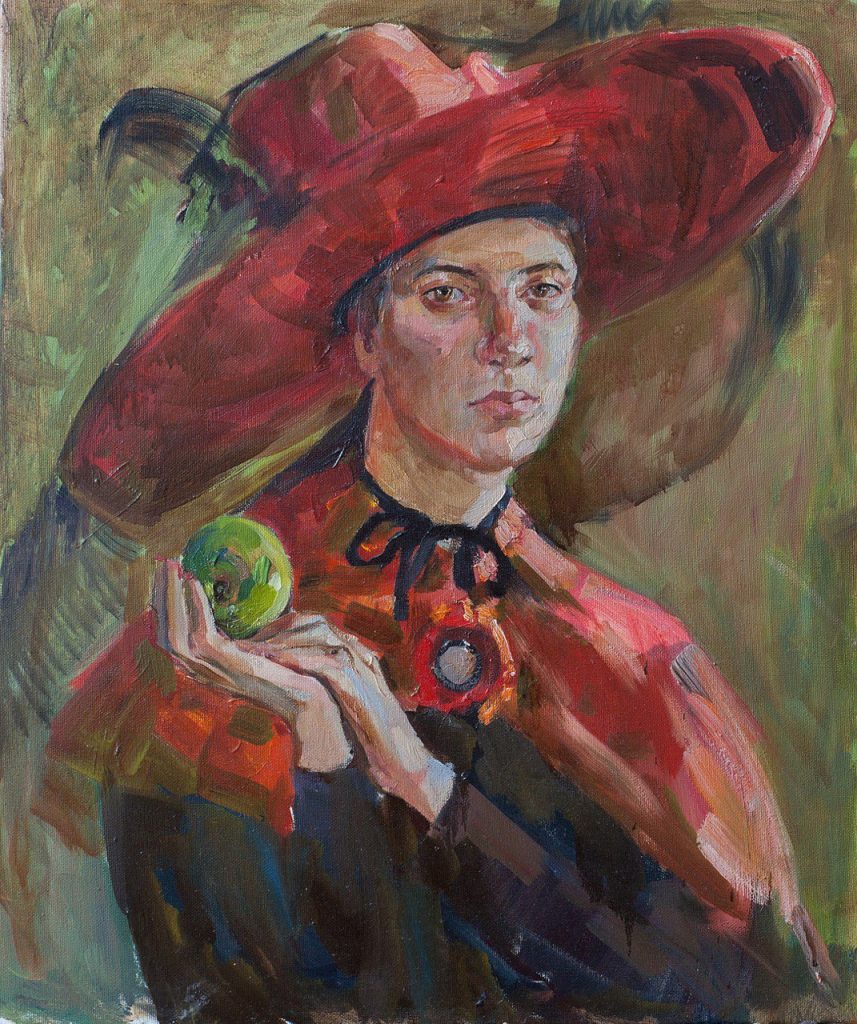
Alice: But no. At that time, I could only imagine myself as a person who was definitely here for a reason. I didn't think much about my professional identity, but I was very aware of my «heritage». I come from a dynasty of artists, and this seemed to be a sufficient answer to all questions. My grandfather, Ihor Yanovych, was a painter and until his death he held exhibitions all over the world. My father started out as a painter, but later went into art direction and graphic design. My mom is an illustrator. At that time, I thought simply: if I am given this, then I will somehow realize it. The details came later.
HWYD: What did this education give you, not in terms of your profession, but in terms of your thinking?
Alice: First of all, I am surprised. I can actually «see» ideas. Generating them in batches is effortless. This is my natural mode. Secondly, a cold shower.
Once my art teacher said prophetic words: «Alisa, you're very talented, but you're a bit of a clinger,» and it really triggered me. I left the classroom feeling like I had just been insulted. And then life said: «No, it was a diagnosis.» Over the years, I learned not just to come up with ideas, but to bring them to fruition. I became structured, attentive to details and very intolerant of superficiality. Now, for me, it's either a result or not worth starting at all.
HWYD: When did you realize that classical art was not the only way for you?
Alice: At a time when I really wanted to have my own money. To buy beautiful things. My parents have always supported me, but I'm not one of those people who are okay with being «under the wing». And somewhere deep down, I already realized that the path of an artist is a thorny path without financial guarantees. And then advertising came along. My dad was working as an art director at the time, and they were shooting commercials, and I was looking at it with a thought: «Stop. Isn't that creativity?
In my third year, after a few vivid conflicts, I decided to leave the academy. I simply stopped going to classes because I was bored. The scholarship was taken away from me because of my failing health and safety (yes, health and safety), and it was the perfect sign from above. I thought: okay, universe, I heard you. I don't want to spend my time on something that doesn't monetize, doesn't scale, and doesn't bring me drive. I have no regrets about it.
First steps in work and digital
HWYD: What was your first job and how did you get there?
Alice: My first job was as a model scout. I loved being photographed, but I realized very early on that a modeling career was not for me. I was 161 cm tall, had to go through constant castings, had to change my weight and conform to standards. And most importantly, I was not attracted to the idea that someone was choosing me.
I much preferred to choose and manage the process myself. This is a very pleasant feeling, by the way. In addition to finding girls, I also organized creative shoots, assembled teams, and thought about concepts. It was a great experience, but it quickly became clear that I wanted to have a bigger scale and impact.
HWYD: What did your work as a model scout give you?
Alice: The most important thing is the ability to find an approach to people. Absolutely different people. Understand motivation, fears, triggers, ambitions. At that time, I didn't know the word «affiliate» yet, but this particular skill later became one of the key ones for me.
HWYD: How did you get into SMM and digital in general? And do you remember the moment when you realized that digital was serious, not just a “temporary thing”?
Alice: I had an interview with Moreca Atelier, a Ukrainian brand with a very ambitious bid for the international market. At that time, we were doing things that few people in their 20s could boast of: global collaborations, including with hip-hop artists like Future and Jay-Z. The bar was immediately set very high. I wasn't formally an SMM specialist at the time, but my boss believed in me because of my soft skills. I was hired into the team and paid for an SMM course at Bazilik at the same time.
I clearly felt that the world was moving into digital, and it was not a trend, but an inevitability. That's why I didn't plan anything in advance - in a good way, I just went with the flow, watched and learned. I really liked the team, the process, and the product we were creating. And I am still grateful for this experience - it has largely shaped my future path.
Login to Affiliate and iGaming
HWYD: How did you first learn about affiliate marketing and iGaming?
Alice: Ha! It was a complete accident. At that time, I was at a classic point of uncertainty: very ambitious and very green at the same time. I opened my first agency (there were three of us co-owners), but to be honest, none of us really thought about unit economics and strategy at the time. I took on a bunch of projects, tried to handle everything at once, and quickly realized that I couldn't take it anymore. Burnout hit me hard. It was painful to close, but it was a forced decision.
At that time, I wanted exactly one thing: one normal project that would cover all my financial needs so that I could stop working like a horse. To give you an idea of the scale, I dropped out of my own blog for years. I was literally sick of social media. And from the word «SMM» too. Back then, there was no such thing as a beautiful word as «remote work» - there was an office. And I considered only Podil or the center. No compromises. I went for an interview and received an offer the same day. It was so fast that I started looking for the catch.
As a result, I ended up at a large holding company (many people have heard of it, but here is an NDA) and was simply blown away. The scale of the budgets and how easily people make decisions. I remember my first thought: «It doesn't work like that». Of course, I still didn't understand a lot of things at the time. But I was really gnawing at this place. We were deliberately put in a competitive environment with another guy and given the same task: «Find Indian bloggers».
When they asked for the result, I found 50. He got 6. The next day, he just withdrew. And in two months I became a team leader.
HWYD: What role did you start with and what did you do at the beginning?
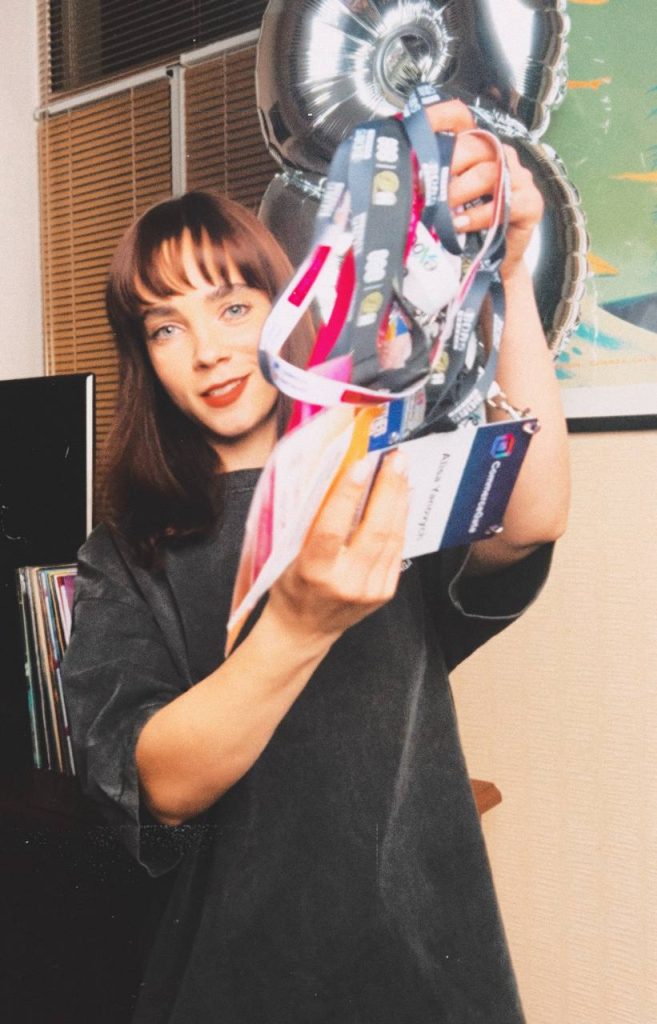
Alice: My position was called affiliate influence manager. I was looking for bloggers, negotiating integrations, launching placements, and implementing the company's budgets. Later, I managed a team that did the same. And it was then that I first saw that there were numbers behind ideas, and real solutions behind the numbers.
Growth, teams, responsibility
HWYD: What did your path from a specialist to a managerial position look like?
Alice: Thorny. My next project was a startup, where literally before my eyes we assembled a team from scratch and launched a product. It was the stage when there are no right and wrong decisions - everything is tested in real time.
I was offered a higher position, and I accepted. It was at this company that I experienced my greatest professional growth: within a year, I was in charge of half of the marketing department. My perfectionism probably played a role - it was important for me to gain a foothold for a long time and show results. Of course, there was also «juggling»: competition, envy, and internal struggle. Each project is like the Borgia series: the strongest survive. But in each of them, I thought not about my own ambitions, but about the business and the team. Yes, I wanted to grow, but it was never an end in itself.
I enjoyed gathering people around me. We really had a strong team of creative, lively, ambitious people. This vibe is something like Silicon Valley: creativity, freedom, constant movement. And it is very important that the CEO did not micromanage, but trusted.
HWYD: Who was your biggest team - and what was the most challenging part of the experience?
Alice: My largest team consisted of 25 people. At some point, we split the marketing department into brand and acquisition, and I was responsible for the brand direction. The most difficult thing is the transition of roles: yesterday you are colleagues, and today you are a manager and a subordinate. That's why from the very beginning I tried to build a safe and comfortable environment where everyone's opinion is heard and individual, lively relationships are built with each team member.
A head is a bridge between the team and the C-level. It is about a high level of diplomacy: explaining with empathy why a promotion is not possible now, or why an idea needs to be reworked because priorities have changed. iGaming is about volatility and constant change of focus. And you are always balancing: between team expectations, business goals, and reality.
HWYD: How does the mindset change when you move from tasks to people and systems?
Alice: I have always known that I am not the best performer, but I am a very strong organizer. I know how to find people who can do better than me, create high-quality technical specifications and build processes. I love people, I know how to convey meaning - and my managers saw this, which gave me a career boost.
Consistency is something I'm still working on, because without it, everything falls apart. I saw crooked business processes very often in the companies I worked with. But the key thing to remember is that the lack of stable, honest communication can destroy even the most promising startup with good investments. Here I am again - balance. Between indifference and micromanagement. Between rigidity and softness. Management is the constant maintenance of this balance.
HWYD: What was the most painful but most valuable management lesson for you?
Alice: The most painful thing is to fire people. To give unpleasant news. But I have learned to do it in a way that doesn't leave people devastated. Once, after such a conversation, I was even thanked. This is part of the journey. And each such stage is an experience for which we should be grateful and move on. Whether we like it or not, business is focused on numbers and metrics. But a true managerial talent is to maintain humanity and good relations even after difficult decisions. I once fired an employee, and a year later invited her to another project because it was there that she could reveal herself to the fullest.
The second important lesson is not to be afraid of mistakes. I constantly repeat this to my students. Mistakes are not a failure, they are testing. The main thing is to understand the price of a mistake. Make a mistake, draw conclusions, and move on.
Affiliate as a way of life
HWYD: You often say that affiliate is not just a profession. What do you mean by this phrase?
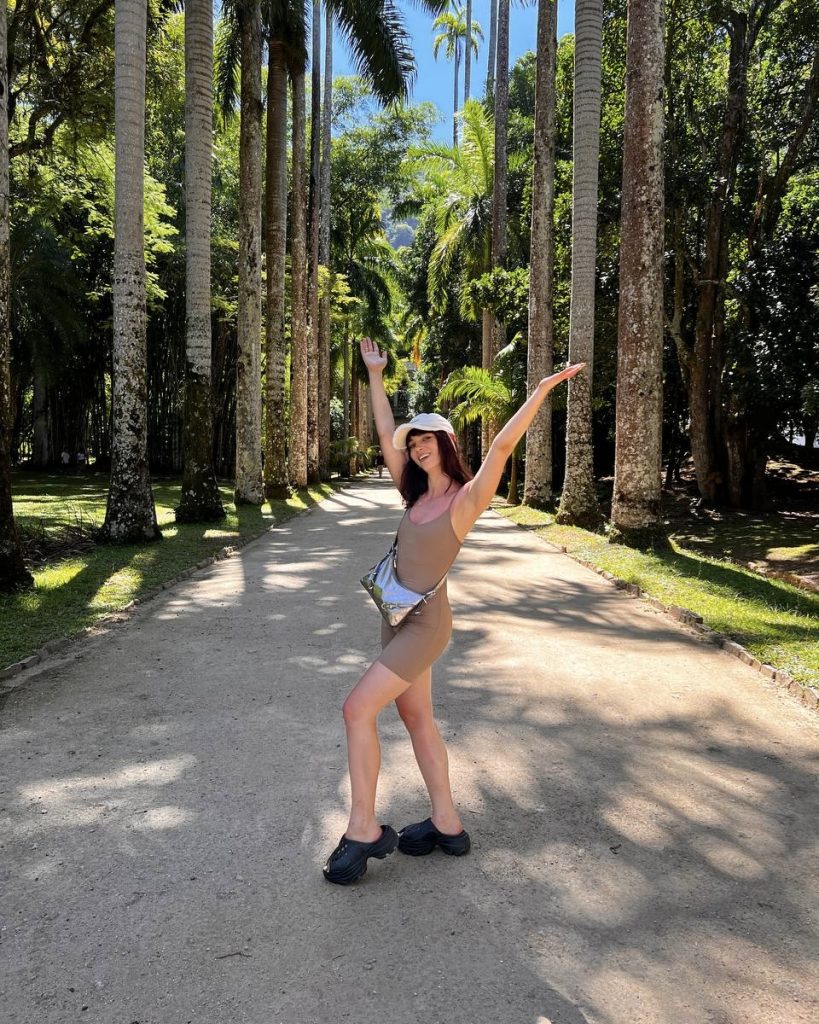
Alice: I really often talk about this and broadcast it on my blog: affiliate is a way of life. There is an a priori period when work becomes a priority. The 9 to 19 format is not about this sphere at all. It's a constant balancing act and a lot of inner involvement. I have long since accepted the fact that I hardly ever have a classic weekend. Sometimes it's hard to just relax and do nothing. But at the same time, there are moments when your usual routine changes to networking abroad - somewhere in London or Barcelona - and you clearly realize that this is also work. And that's when you realize what it's all about. Can you call it complete freedom? I'm not sure. For me, real unfreedom would be living from paycheck to paycheck. It is thanks to Affiliate that I have grown financially: an apartment, a car, a watch - this would not have happened if I had remained a marketing head in a «white» Ukrainian company. That's why I call it a voluntary captivity 🙂.
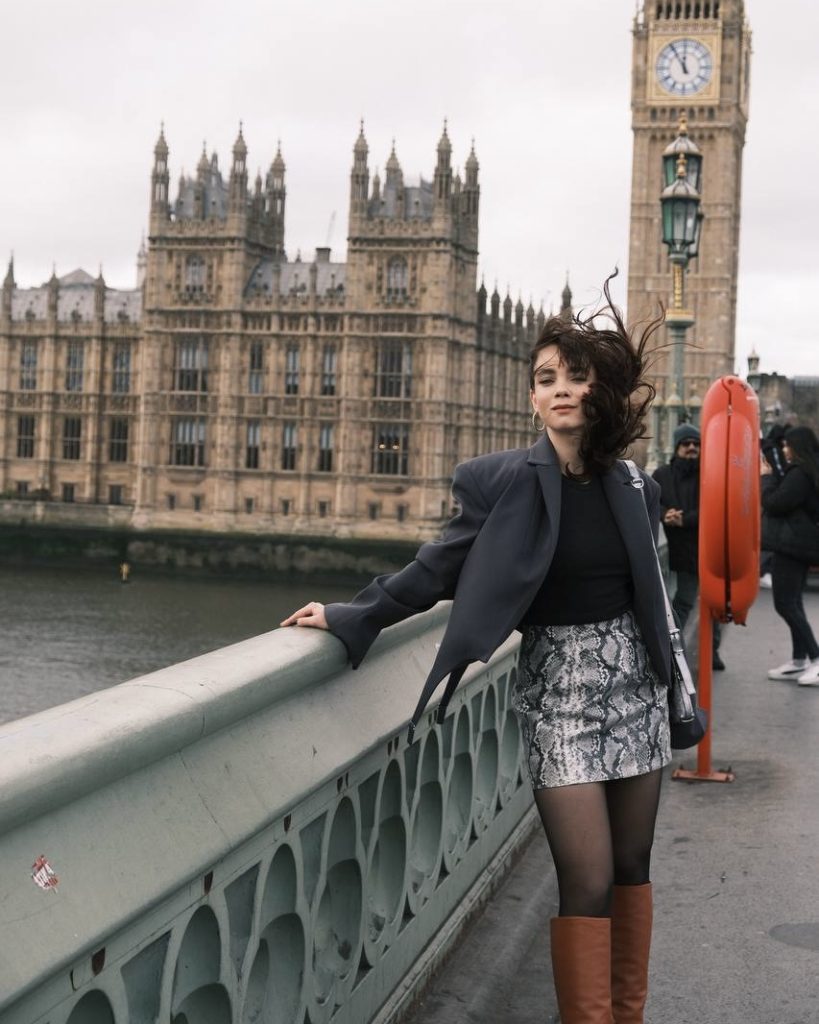
Another important aspect is connections. No matter what anyone says, it works in any country. Today you meet someone at a conference, and tomorrow they recommend you for a cool project. There are no geographical boundaries. Almost anything is possible in this field - if you allow yourself to dream and get out of your comfort zone.
HWYD: What does your life look like outside of work - and why is it important to you?
Alice: About three years ago, I developed a habit that comes before work - sports. For the last year, it has been regular tennis training. It is extremely important for me to have a hobby and keep fit - sports give me support, energy and inner stability. I have a family and my dogs are a big and very important part of my life. I also run a blog, and believe me, it takes as much time and resources as a full-time job. I have a team that helps me realize my ideas, and it's also about taking responsibility for it.
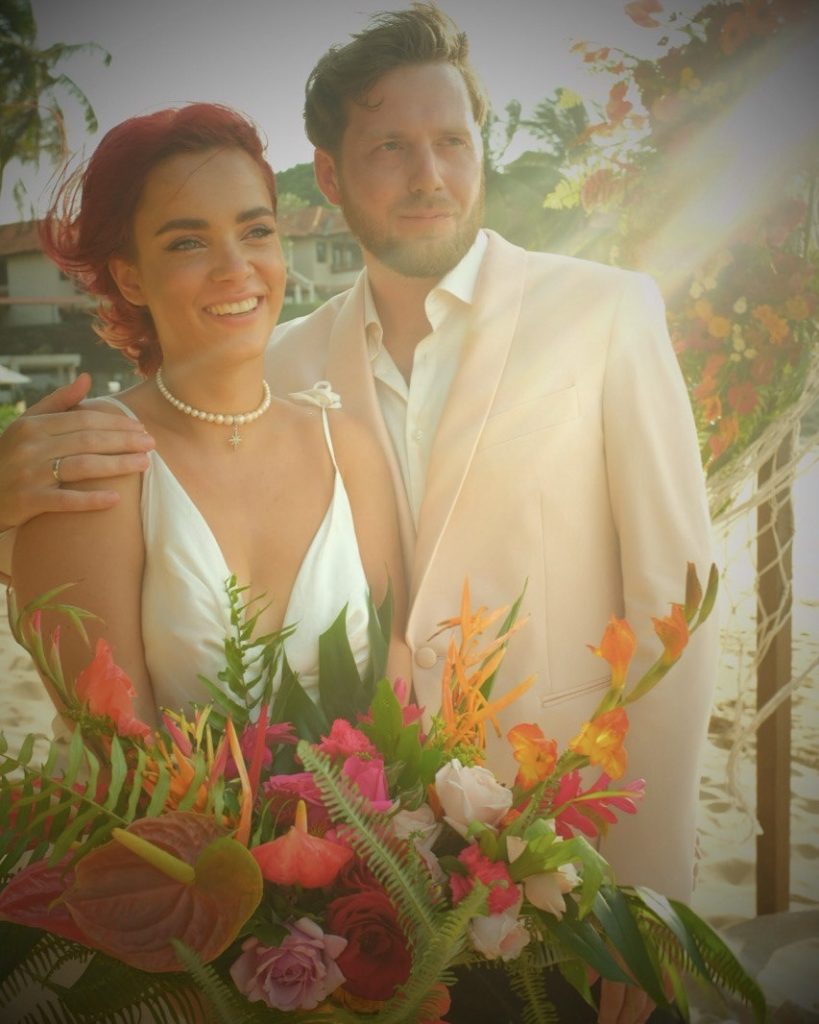
In general, I live a completely normal life as a Kyiv girl: manicure, beautician, household routine, billiards, movies, and friends. We all live a routine every day. And the only thing I would advise everyone is to make your daily routine enjoyable. Small rituals shape our lives, so they should not be neglected.

HWYD: Have you ever experienced a burnout period and how did you deal with it?
Alice: Apparently, it is not in affiliate. This is a difficult question. I try to constantly balance myself so as not to bring myself to this state. And sports helps me a lot. So does having a life outside of work. Money coming to your card on a regular basis is also a nice reminder that you are moving in the right direction. I love my job, although I don't idealize it at all. There were cash gaps, hard days, and difficult months. But this is part of the journey. Any development consists of highs and lows. I just try to think optimistically, and it works. In my opinion, the main counteraction to burnout is a strong, slightly obsessive goal that wakes you up in the morning and faith in yourself, even despite all the hardships.
Affio School and mentoring
HWYD: At what point did you get the idea to start your own school?
Alice: While working on my second project, in 2022. At that time, I had already trained about a dozen interns and worked with teams a lot. And it was this moment of sharing my insights-when you see a person grow, apply knowledge, and succeed-that became the greatest pleasure for me.
The idea for the school was born out of the logic of the Blue Ocean Strategy - I consciously chose a different path. It was a risk. At that time, most launches in the infobusiness revolved around familiar and «safe» niches, and it was unconventional and unobvious to go into affiliate. To be honest, I didn't know that it was worth starting with cashback. I created a product first, and only then thought about how to promote it. The first year was very difficult. I received a ton of hate because I chose the ecological way of building trust, month after month.
And then the feedback came. People started writing that their lives were changing. And at some point you stop thinking about money and start thinking about something much bigger. I really want to change as many lives as possible for the better, no matter how pretentious it sounds. Many of those who built their businesses on hype alone have failed because their entire business model was based on launches. I realized right away that launches were not my path. I built a systematic, boutique training, not for mass, but for results.
I am starting this year with a clear understanding of what I am doing and why. In a few days there will be a conference, and with each such event, there are more and more of my students there. This time, there are at least six whom I will definitely see. I guess happy students are my main achievement.
HWYD: What, in your opinion, is the most important thing that people who want to start an affiliate program from scratch need?
Alice: A system that is laid out on the shelves. Affiliate is an avalanche of information, in which you can «swim» for a very long time without any result. I give direction and only what really works and helps to move faster. At one time, it was soft skills that helped me build my career faster than technical skills. Techniques are developed, but the art of communication takes a lifetime of training. Confidence is what sells you at the first interview.
I bring students to the offer, but at the interview, the person does everything on their own - and this is fundamental for me. My task is not to do it for them, but to give them confidence that they can do it. And she does. Most people want quick results, and this is a trap. Those who are willing to work for a long time and without expecting an instant effect usually get results much faster.
HWYD: How do you define Affio School's core value?
Alice: The main value is in the synergy between student and teacher. My format is mentoring, and it is always a bit about psychology. I am able to find the «key» that unlocks potential and restores a person's self-confidence. Anyone can give knowledge. But not everyone can give faith. But faith in your own strength is the 70% of success. Most students at the start are people who are burned out, tired, and have lost their bearings. They need a fresh perspective from the outside. And, honestly, each of us needs it - I am no exception.
HWYD: What is the most important moment for students for you-the first offer, the first interview, or the first failure?
Alice: The first failure. It brings you back to reality very quickly, and that's good. Often it is followed by an internal one: «Oh yeah? Well, now I'll show you.» The first interview is like roulette. You can fail, and that's okay. Or you can get a perfect match. The first offer is already a clear result. Like the first press cube or the first medal. A small but very important reminder: «I can do it».
So I will say this: all these stages must be there. They form wisdom and inner peace. Someone needs an offer, and someone needs another door. And they will definitely open. Yours will always find you.
HWYD: What motivates you to continue mentoring, even when it takes a lot of energy?
Alice: I just love my job. I feel that this is my destiny, at least at this stage of my life. You see people's sincere emotions, you see them grow, change and become happier. Yes, this is a very energy-consuming story. But at the same time, it's insanely resourceful. And there's nothing stronger than a message: «Alisa, I got an offer». At that moment, it's as if I'm reliving my first emotions. And it's incredible.
Future and meanings
HWYD: How do you see the affiliate industry in a few years?
Alice: Definitely faster, tougher and much more professional.
HWYD: At what stage of your professional career do you see yourself now and where do you want to go next?
Alice: I am now at a very clear turning point. After the last conference in Rome - or rather, a month after it - I finally decided to launch my own agency. I clearly see the issues I want to work with. I grew up being hired. I'm 30, I have experience, a bigger vision, and the ambition to work with ecosystems rather than just one business. I want to have a broader impact: to help brands build strategies, not just close operational tasks. That's why Barcelona will be my first conference in a new role - as an agency founder and strategist.
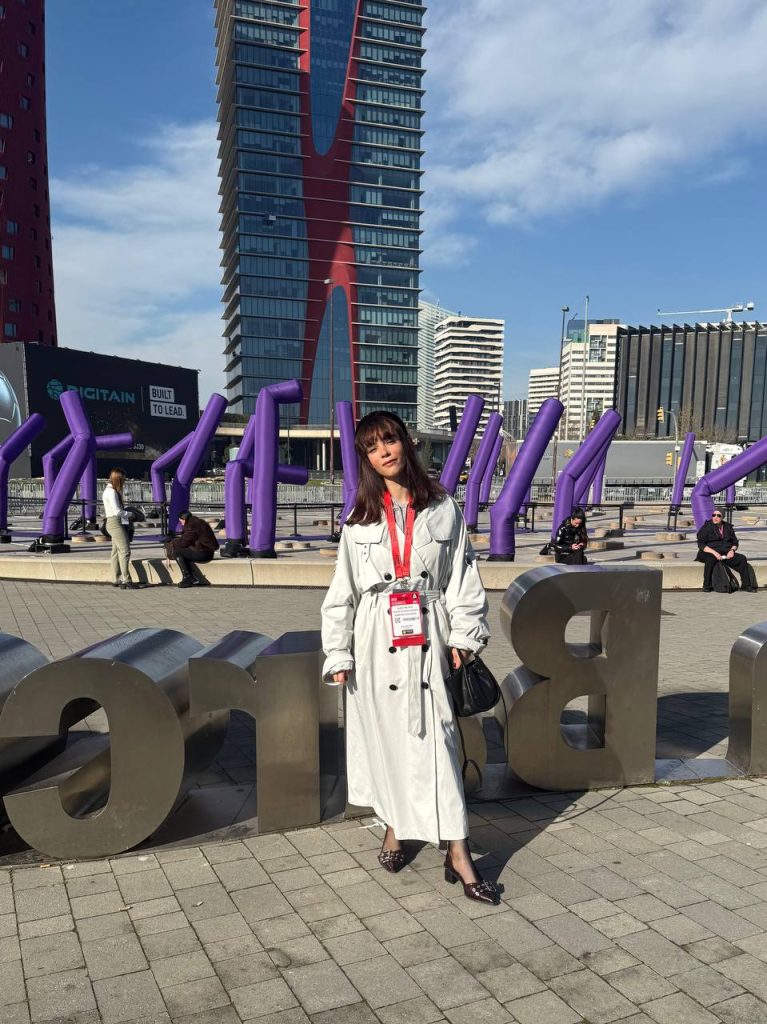
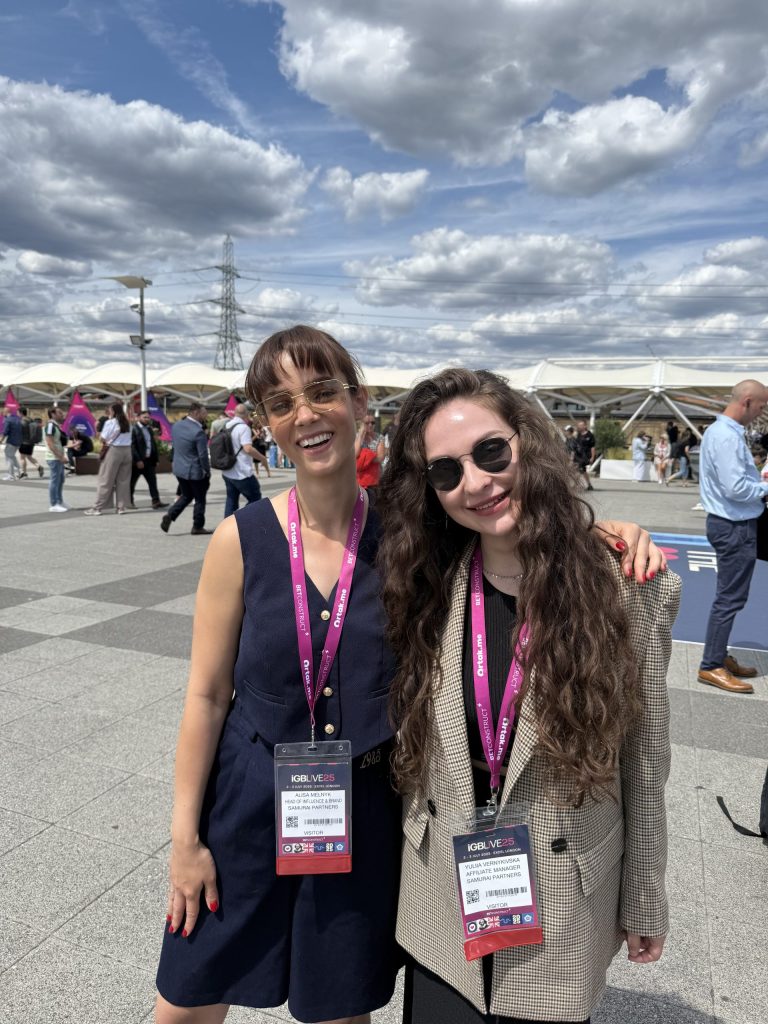
HWYD: How do you see your focus shifting in the future - from roles within companies to working with brands on the level of strategies and systems?
Alice: During my four years of work at affiliate, I have seen one systemic problem. In 80% cases, budgets are merged not because of the market or traffic, but because the strategy simply does not exist. Companies think in the horizon of one month. They choose GEO, where everyone else is going. They copy other brands without understanding their role in the market or why the user should choose them.
I'm no longer interested in being responsible for traffic alone when the strategy is limping along at the foundation level. I'm tired of «patching up» the lack of vision with performance. That's why I'm moving on to working with brands at the level of architecture: positioning, influence systems, market entry, and long-term solutions. To be honest, our industry critically lacks bold and intellectually interesting brands. You can count them on one hand. I want the competition to be not just aggressive but smart. I want the affiliate market to develop no worse than the «white» industries - strategically, creatively, and systematically. This is where a strategic agency makes sense. Not as another contractor, but as a partner that builds the foundation, not just launches another campaign.
HWYD: What kind of meaning and scale of impact do you want to build into your next stage - and why is this important to you now?
Alice: My focus is on working with brands in high-risk niches. I see my role as an advisory partner who helps brands make sober decisions and protects their long-term interests. This is especially important for startups - those who have not yet managed to spend their budgets chaotically or whose growth is built on high expectations. It pains me to see good products being closed not because of the lack of a market, but because of the lack of a system.
A separate area of my expertise is working with influencers. Let's be honest: very few know how to build influence in a way that pays off. Most expect performance from a brand that is not ready for it. I don't sell individual campaigns. I build systems: a brand foundation, influence architecture, and processes that allow businesses to scale without chaos. This is what the name of my agency, Stratella, reflects. It's about strategy. About the structure. About the long game.
HWYD: Who do you feel like today, without the titles?
Alice: I am a happy and fulfilled person. I know that I am in my place now. I just wonder what will happen next and where this path will lead me. There are no over-expectations in this feeling, just like when I was at the art academy or at my first job at affiliate. But my eyes are burning again, and this is the main marker for me that I am moving in the right direction. I want to do my job well and build a strong team. For me, this is a marathon, not a sprint.
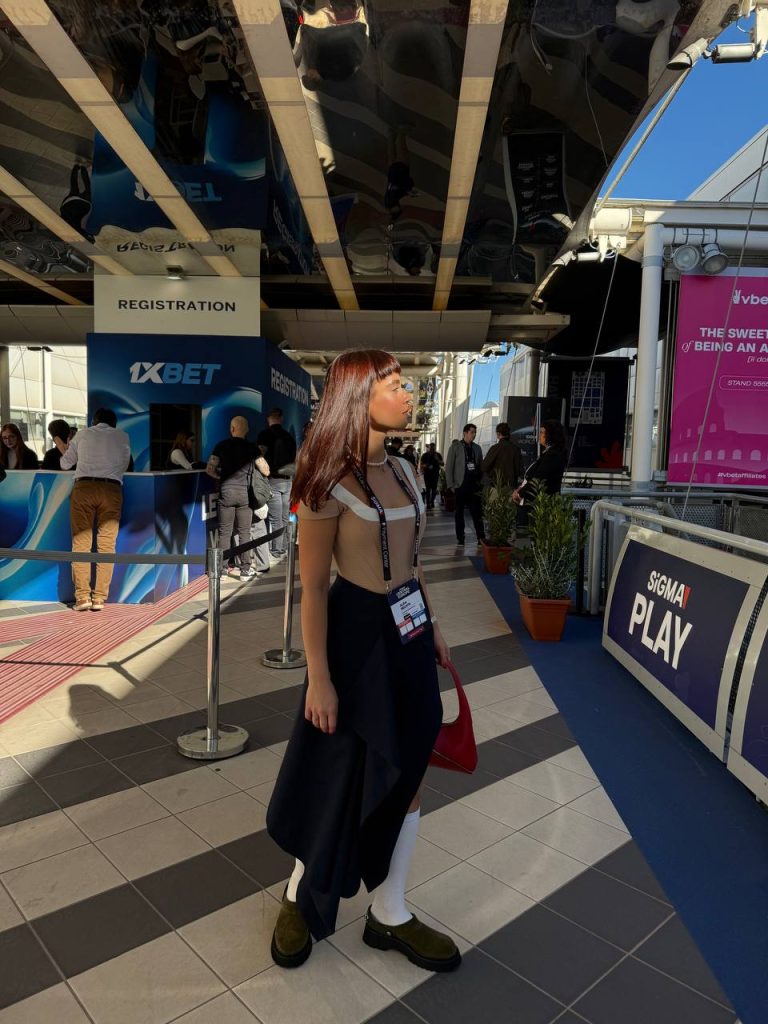
HWYD: What advice would you give yourself at the start of this journey?
Alina: The same one I always tell my students: believe in yourself. Everything will be great. You'll see.
HWYD: What would you like to say to people reading this interview right now?
Alice: Do not wait for the moment when you are «ready enough». It doesn't exist. I've checked it out. Take steps with what you have now. The rest will come in the process.
Важливо
There is no «glossy legend» in this story, and that is what makes it so appealing. Here is the reality as it is: with painful decisions, behind the scenes of big budgets and a constant search for balance. Between the humanity in the team and the rigid systematic approach required by the market, Alisa talks a lot about structure - and it's no accident. In her world, creativity without results is just an idea. And a result without a system is temporary. Today, she continues to do what she does best: see deeper, collect meanings, and translate them into a systematic business.
At HWYD MEDIA, we love such stories. Not for their «perfection,» but for their honesty. This interview is a simple reminder: success does not happen to those who wait for the perfect moment. It is the result of clear steps and a structure built in time. Start building your foundation now - everything else will follow.